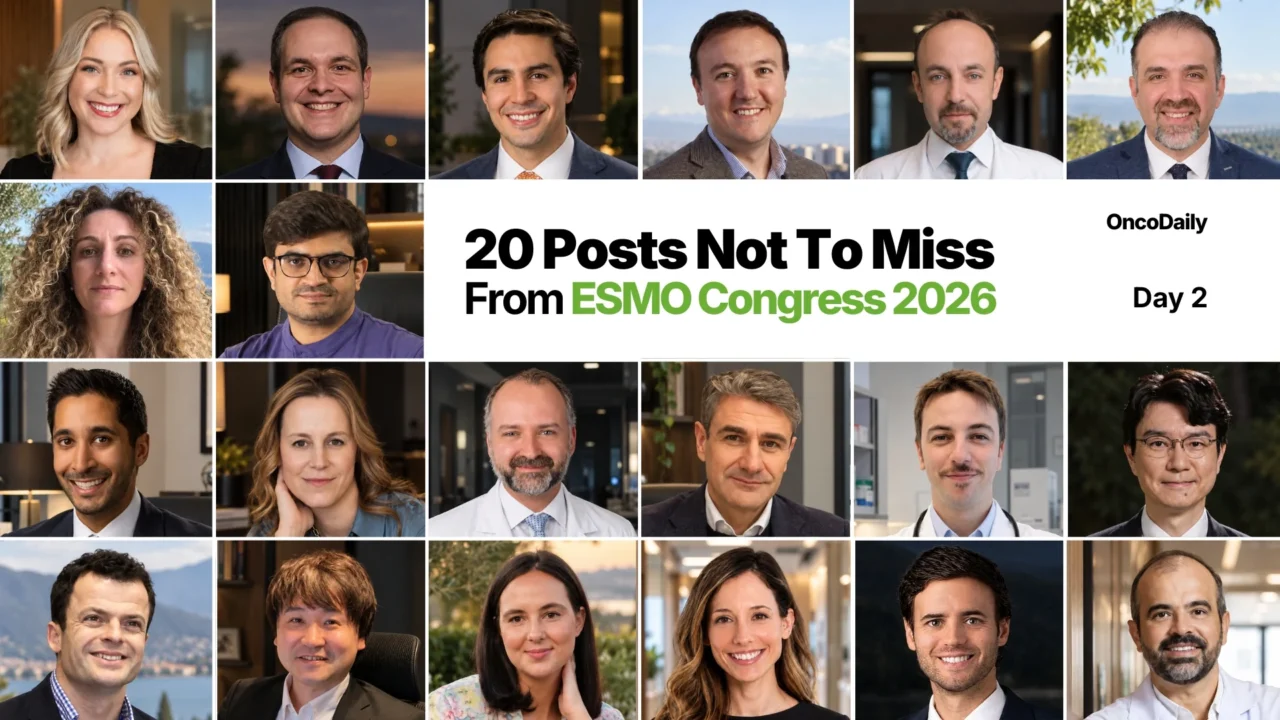
The ESMO Congress 2026, held from October 23–27 in Madrid, Spain, brings together the global oncology community for five days of groundbreaking research, clinical updates, and discussions shaping the future of cancer care.
From late-breaking clinical trial results and new treatment strategies to expert perspectives and memorable moments shared across social media, the congress is once again at the center of the oncology conversation.
OncoDaily has gathered 20 posts not to miss from Day 2 of ESMO Congress 2026, highlighting the key scientific updates, expert insights, and conversations that caught the attention of the oncology community.
Here are 20 posts not to miss from ESMO Congress 2026, capturing the latest scientific developments, expert perspectives, and memorable moments shared by the global oncology community
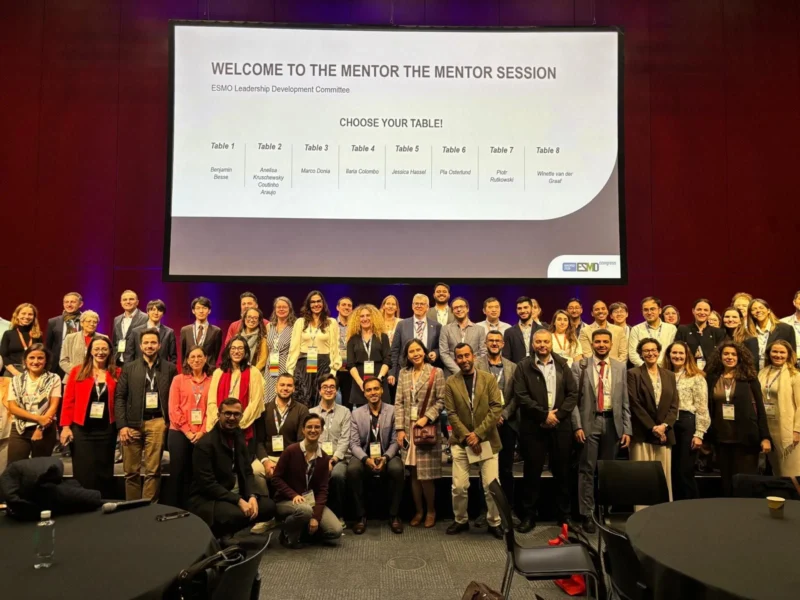
“ESMO26 Mentor the Mentor session! What a success it was again this year. Thanks to the mentors for ‘donating’ their time and expertise to help fellow colleagues.”
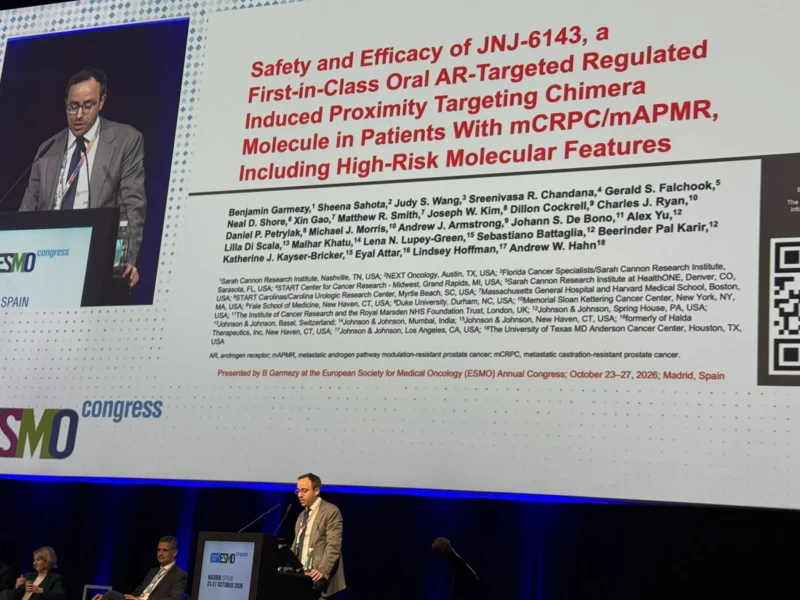
“BGarmezy presents JNJ6143 AR RIPTAC in mCRPC at ESMO26.
Only 3% of patients discontinued / 3% had dose reductions at 50 mg!
66% of patients remain on treatment.
PSA50 achieved in 83% of ARv7+ patients with evaluable CTCs.
88% DCR, 69% cORR.”
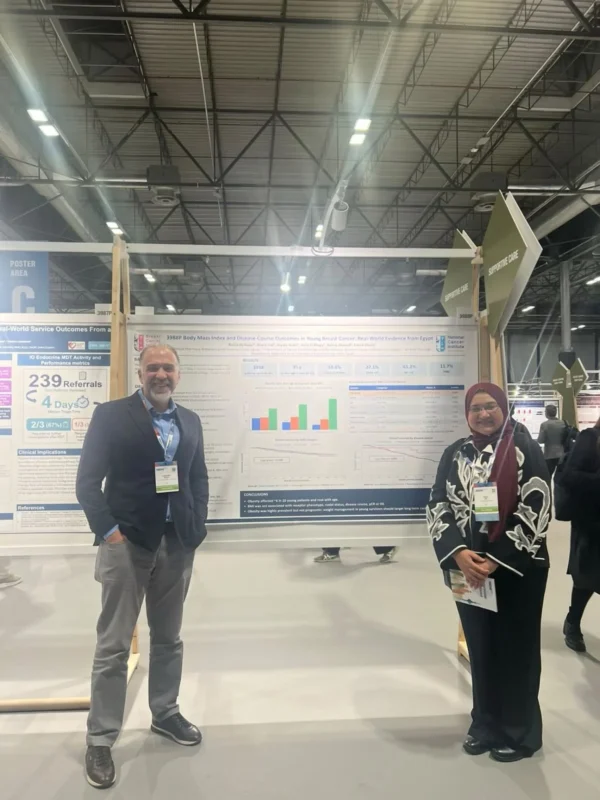
“From Cairo to Madrid: Sharing Egyptian Real-World Evidence at ESMO 2026!
Happening now at ESMO26!
Pleased to share another research contribution from our team at the Breast Cancer Comprehensive Center, National Cancer Institute, Cairo University, presented today at ESMO 2026 in Madrid.
Poster 3988P: Body Mass Index and Disease-Course Outcomes in Young Breast Cancer: Real-World Evidence from Egypt
Our retrospective study explored the relationship between BMI and clinical outcomes in 1,018 young women with breast cancer, aged 18 to 40 years.
Key findings:
Obesity was highly prevalent, affecting 59.6% of patients with available BMI data (516/866).
Obesity prevalence increased significantly with age (p < 0.001).
BMI was not significantly associated with tumor characteristics, treatment response, or overall survival.
No significant difference in overall survival was observed across BMI categories (p = 0.508).
Our take-home message:
While obesity was not identified as a significant prognostic factor in our cohort, its high prevalence highlights the importance of integrating nutrition, lifestyle interventions, and cardiometabolic health into breast cancer survivorship care.
For low- and middle-income countries, generating local real-world evidence is essential to understanding our patients and developing context-appropriate approaches to care.
My sincere appreciation to my wonderful co-authors Rania Al-Najar, Reem Eid, Styvie Nabil, Hala El Mogy, and Amira Ahmed for their dedication and collaborative efforts.
Proud of our team’s continued contribution to breast cancer research and our commitment to translating everyday clinical experience into meaningful scientific evidence.
ESMO 2026 | Madrid | Poster 3988P”
20 Posts Not to Miss from ESMO Congress 2026: Day 1
“The biggest breakthrough in extensive-stage SCLC in a decade.
21.1 vs 12.7 months median OS. HR 0.42.
DeLLphi-305 may have just rewritten the future of first-line maintenance in SCLC.
The question is how soon we can make it accessible to our patients.”
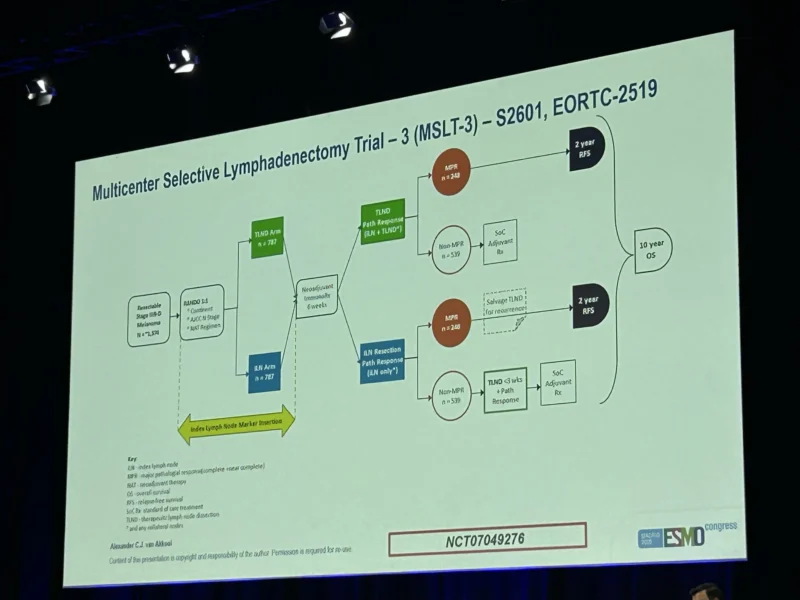
“ESMO26: TLND omission after neoadjuvant IO in stage III melanoma.
Van Akkooi
Many centres already omit TLND with local, non-evidence-based strategies outside PRADO.
Two trials will give the answer:
OMIT (NL): nivo+ipi, ILN MPR → omit TLND
MSLT-3: randomised ILN-only vs TLND, response-adapted, n≈1,574”
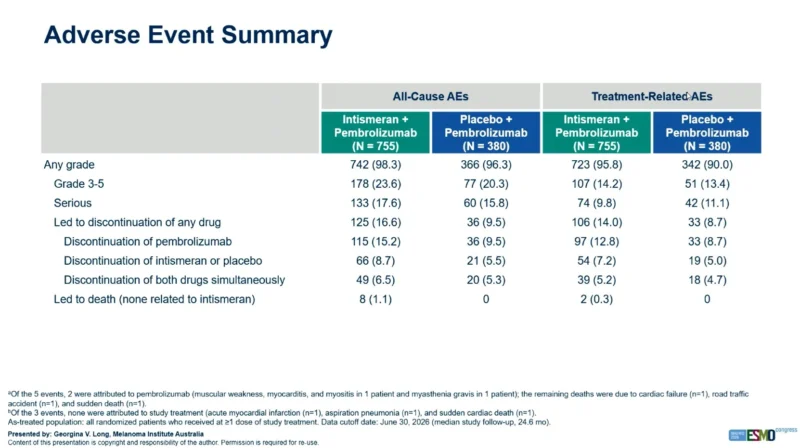
“ESMO26 INTerpath-001
8 Grade 5 AEs in the experimental arm, 0 in the control arm.
Of course, it could all be pure coincidence! After all, 6 of the 8 events were not considered TRAE.
Perhaps it was just the excitement of being randomized to the experimental arm?
I’m genuinely curious about the independent causality assessment.”
“Abema + fulvestrant after 1L CDK4/6i/AI improves PFS, PFS2 & time to chemo; numerical increase in OS.
CDK targeting remains valid post-CDK4/6i, but NOT a class effect!
Abema (postMONARCH, EMBER-3), atirmociclib (FourLight-1), ribo (MAINTAIN)
Palbo (PACE, PALMIRA)”
“ESMO26
Starting the Presidential Session with INTerpath-001.
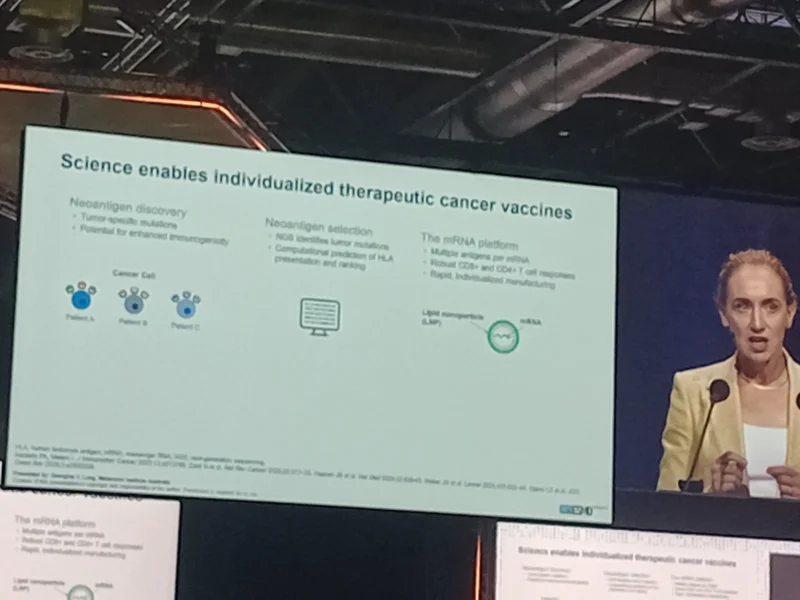
Intismeran + pembrolizumab shows reduced risk of recurrence and distant metastases, including in high-risk stages.
A major step forward for personalised cancer vaccines. Looking forward to seeing the data in other tumour types.”
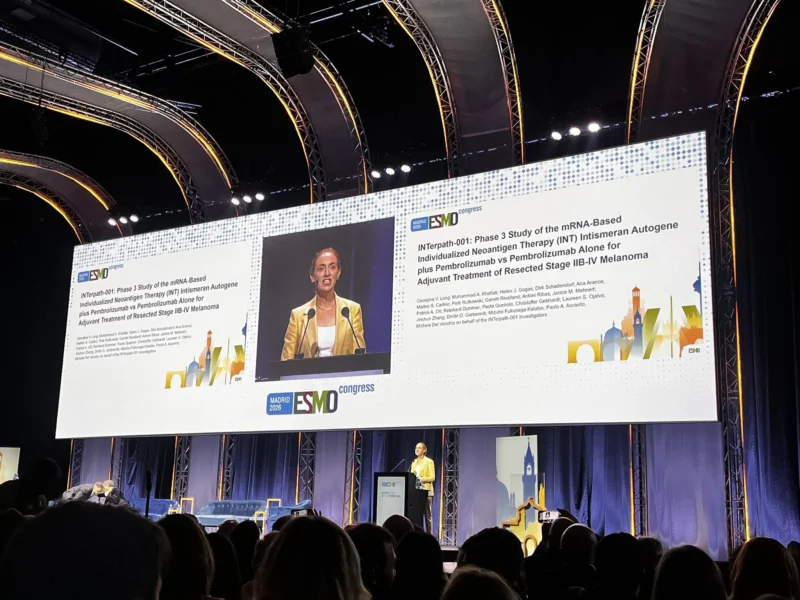
“Watching the intismeran presentation by Prof. Georgina Long here at ESMO26 in Madrid.”
“ESMO26
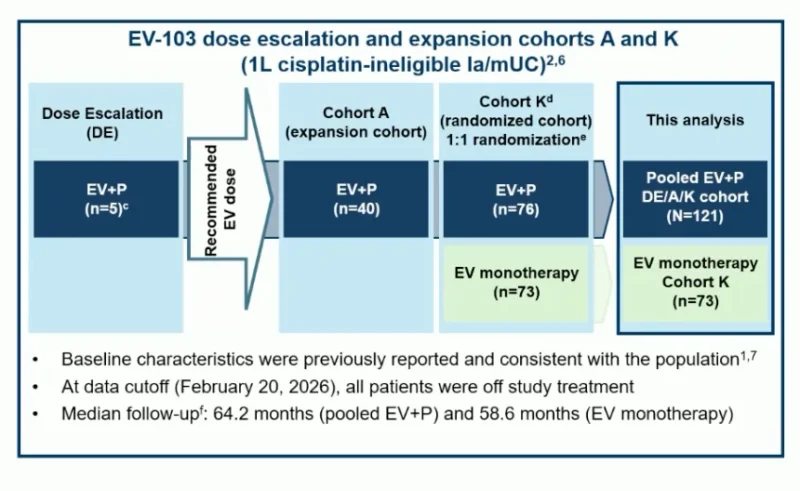
Nearly 1 in 3 patients alive at 7 years with EV + pembrolizumab in cisplatin-ineligible la/mUC – Mature EV-103 data (N=121; median follow-up 64.2 months).
ORR 66.9%; median DOR 29.6 months
41% of responders maintained response at 4 years
Median OS 27.7 months; 7-year OS 28.2%
Grade ≥3 TRAEs 64.5%; discontinuation of either agent 50.4%
No new safety signals
A remarkable long-term survival tail in cisplatin-ineligible la/mUC, reinforcing EV+P as 1L SOC.”
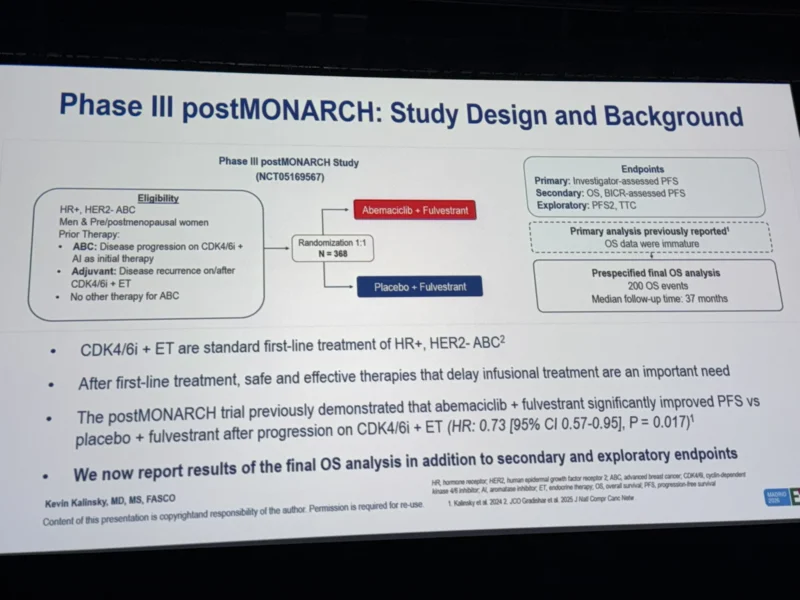
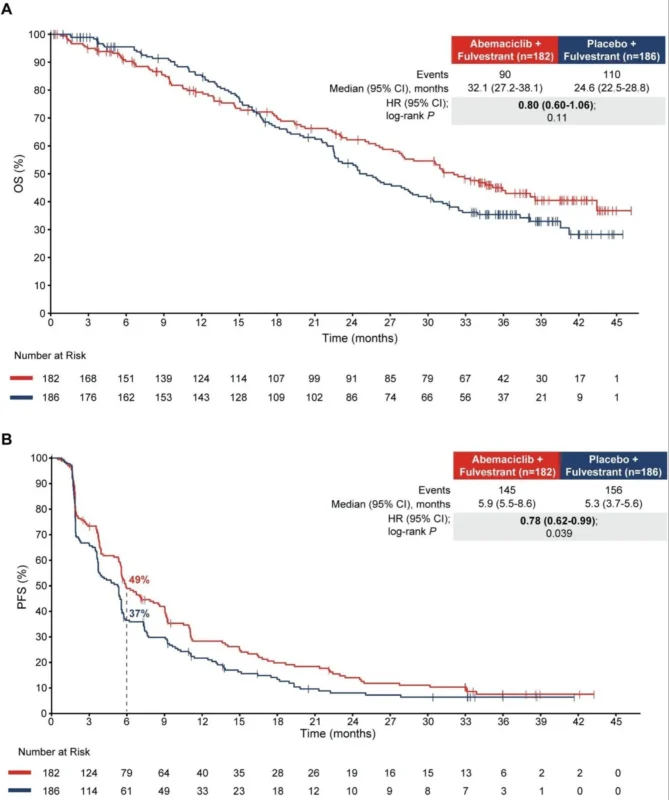
“ESMO26 | postMONARCH – Final OS
Abemaciclib + fulvestrant vs placebo + fulvestrant after prior CDK4/6i in HR+/HER2− advanced breast cancer:
\- mOS 32.1 vs 24.6 months (HR 0.80; p=0.11) – numeric benefit, not statistically significant.
Simultaneously published in Annals of Oncology.”
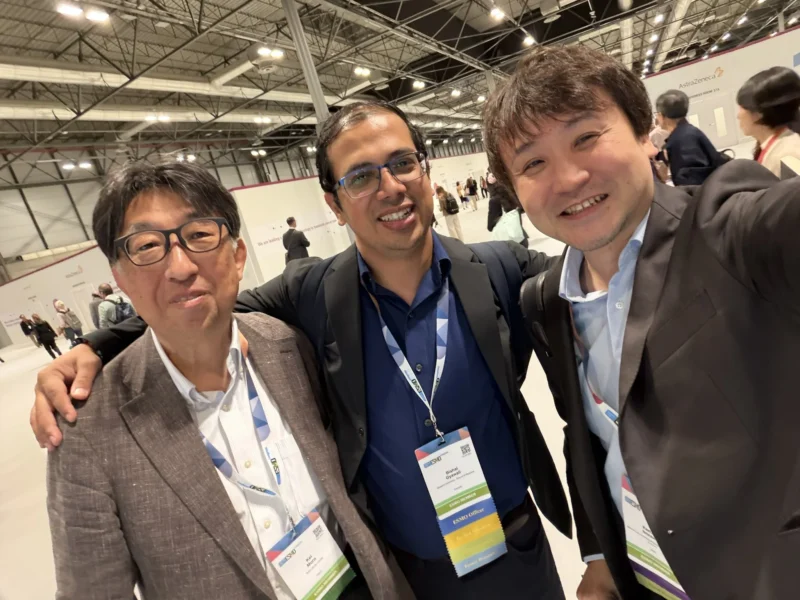
“Happy to see oncology_bg and Prof. Muro at ESMO26! We used to work in the same department in Japan (though at different times).”
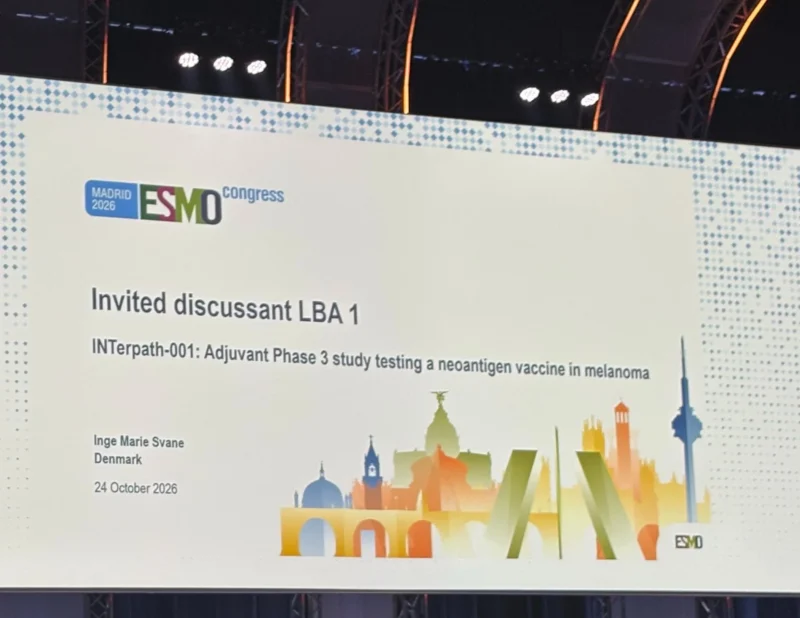
“Balanced discussion by Prof. Svane of the phase III INTerpath-001 trial at ESMO26.
Personalized cancer vaccines represent a major step forward, but:
Will the RFS benefit translate into improved OS?
Where should adjuvant vaccination fit alongside neoadjuvant ipilimumab/nivolumab?
Who benefits most? Predictive biomarkers remain urgently needed.
Manufacturing complexity, treatment delays, costs, and access are major challenges.
Compelling data and a milestone for personalized oncology, but clinical positioning and real-world feasibility will be crucial!”
“ES-SCLC Maintenance | IMforte vs DeLLphi-305
Two positive phase III trials. Two different strategies!
IMforte: Lurbinectedin + atezolizumab — OS HR 0.73 | PFS HR 0.54
DeLLphi-305: Tarlatamab + durvalumab — OS HR 0.42 | PFS HR 0.34
The real question: Early combination maintenance or optimal sequencing at progression?
Larger reported benefit ≠ proven superiority across trials.
Paz-Ares et al. Lancet 2025 | Sands et al. ESMO 2026, LBA3.”
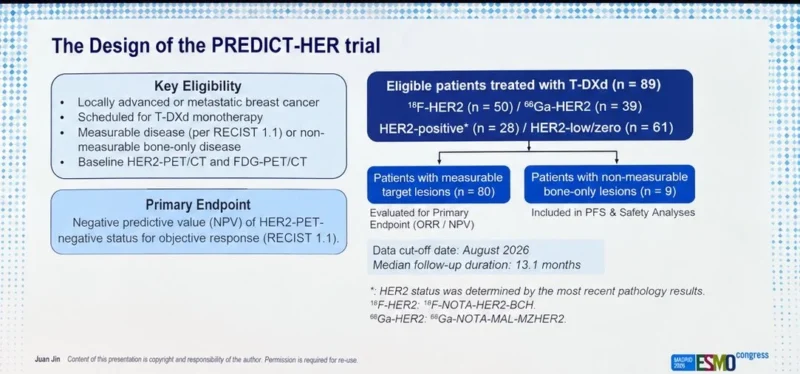
“Very interesting data from PREDICT-HER.
Baseline ¹⁸F-HER2 PET may help identify patients unlikely to respond to T-DXd.
NPV for response: 88% (100% in HER2-low/zero).
Median PFS: 5.1 months with HER2-PET–negative vs 13.6 months with HER2-PET–positive disease.”
“WOW! BIG news for our patients with extensive-stage small cell lung cancer!
Phase 3 DeLLphi-305 trial, adding tarlatamab to durvalumab maintenance after initial chemoIO:
OS: 21.1 vs 12.7 months (HR 0.42)
PFS: 7.4 vs 1.9 months (HR 0.34)
Practice-changed! ESMO26”
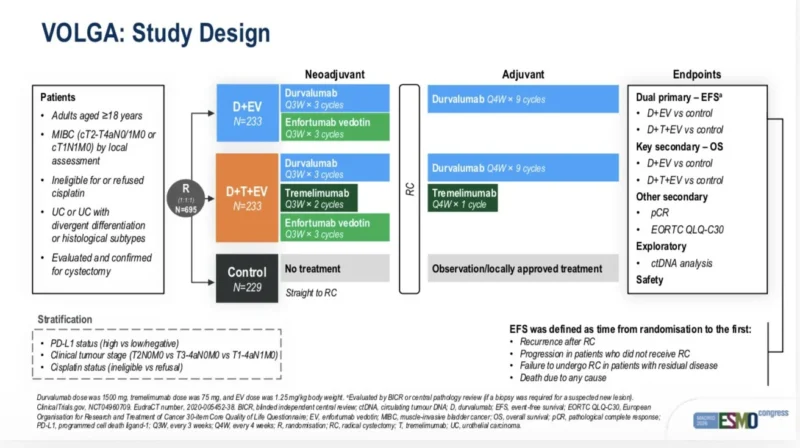
“VOLGA also explored short periods of EV with durvalumab and tremelimumab in muscle-invasive bladder cancer. ESMO26, NEJM.
Results showed EVDT improved EFS vs cystectomy (HR 0.61). Significant OS was not reached at this interim analysis (HR 0.77 – ongoing analysis).
EVDT = 10% higher rates of G3/4 toxicity and less EV delivery than the EV + durvalumab arm. More is not always better.
It appears the addition of tremelimumab partly compromised delivery of EV, which likely accounts for the more modest results compared to the doublet ”
“Published in NEJM!
ESMO26 Presidential Symposium I
VOLGA: Perioperative Durvalumab With or Without Tremelimumab Plus Neoadjuvant Enfortumab Vedotin in Muscle-Invasive Bladder Cancer: Results From the Phase 3 Trial.
Presented by Tom Powles | LBA2
Durvalumab + EV: Significantly improved EFS (HR 0.51, 24-month EFS 64% vs 45%) and OS (HR 0.58, p=0.0027) vs control (n=233 vs 229).
pCR: 45% vs 10%.
Durvalumab + tremelimumab + EV: EFS HR 0.61, OS not significant.
NCT04960709”