The ESMO Congress 2026, held from October 23–27 in Madrid, Spain, brings together the global oncology community for five days of groundbreaking research, clinical updates, and discussions shaping the future of cancer care.
From late-breaking clinical trial results and new treatment strategies to expert perspectives and memorable moments shared across social media, the congress is once again at the center of the oncology conversation.
OncoDaily has gathered 20 posts not to miss from Day 1 of ESMO Congress 2026, highlighting the key scientific updates, expert insights, and conversations that caught the attention of the oncology community.
Here are 20 posts not to miss from ESMO Congress 2026, capturing the latest scientific developments, expert perspectives, and memorable moments shared by the global oncology community.
“What is the performance of neoadjuvant pembro in PURE01 vs periop EVP KEYNOTE905 in pts with MIBC? Are this data replicable in a multicentric setting? Waiting for a post-hoc analysis of KN905 to be presented at ESMO26.
Indirect comparison of reconstructed individual patient data from KEYNOTE905 and PURE01.
San Raffaele, Vita-Salute San Raffaele University, ESMO Open.
https://www.sciencedirect.com/science/article”
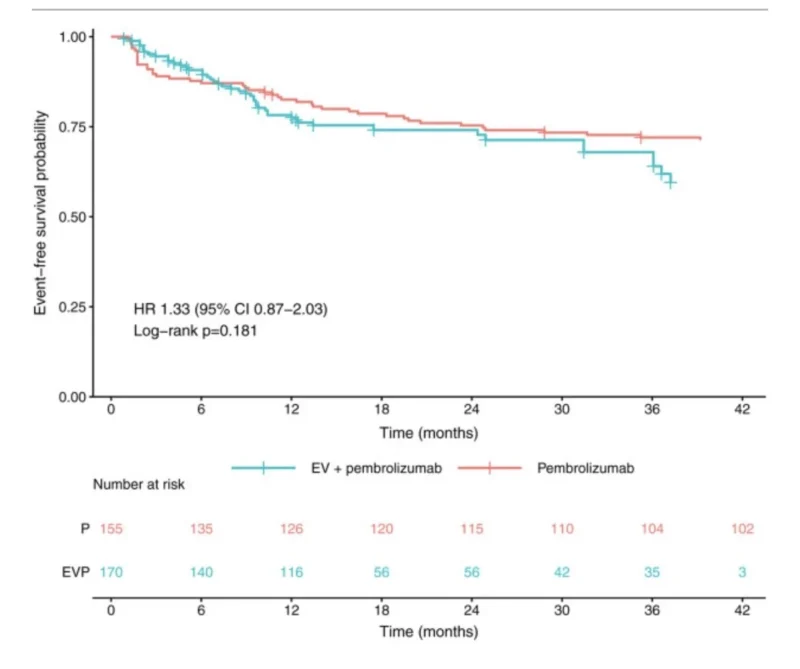
“Amazing rapid orals session in Neuroendocrine Tumors at ESMO26!!!! Congratulations to the presenters and the discussants!! New Pb-based radioligands and DLL3-driven drugs are promising new strategies in the field.”
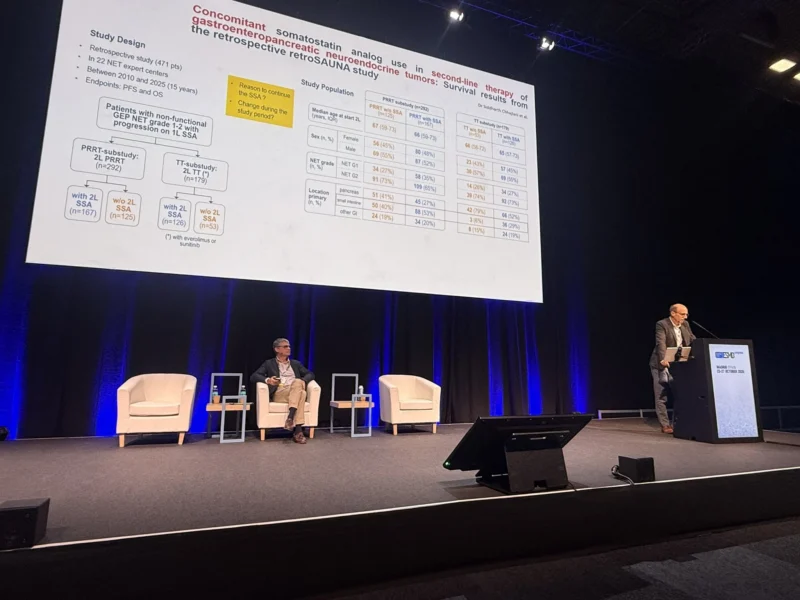
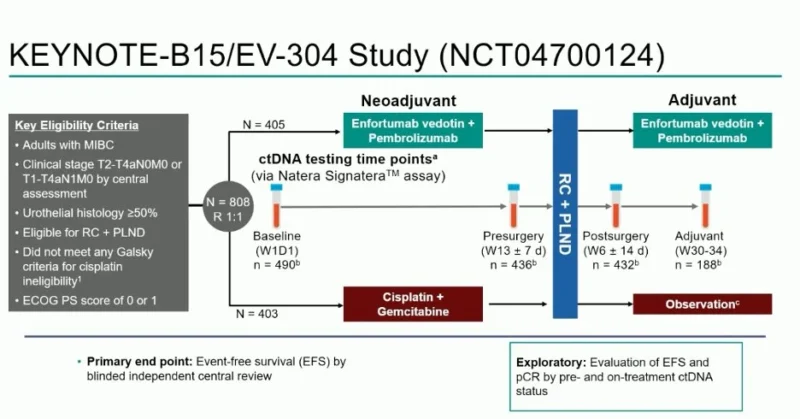
“ESMO26 Exploratory ctDNA findings from phase III KEYNOTE-B15, comparing perioperative EV+pembrolizumab vs cisplatin/gemcitabine.
Key findings:
Presurgical ctDNA clearance: 82.1% vs 66.7%
24-month EFS after ctDNA clearance: 81.1% vs 63.2%
Persistent ctDNA positivity: 24-month EFS only ~33–35%
Postsurgical ctDNA positivity: Only 10% event-free at 24 months in either arm
Presurgical ctDNA-negative patients: pCR 72.4% vs 43.7%”
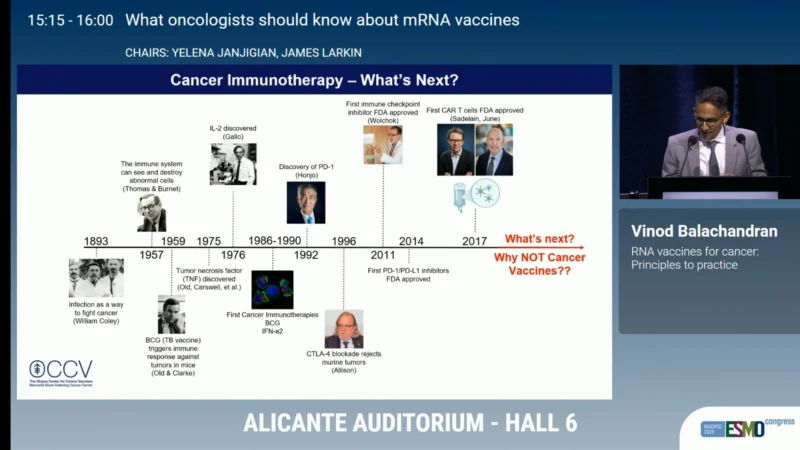
“Cancer Immunotherapy – what’s next? Nice slide to explain progress so far by Dr. Vinod Balachandran at ESMO26.”
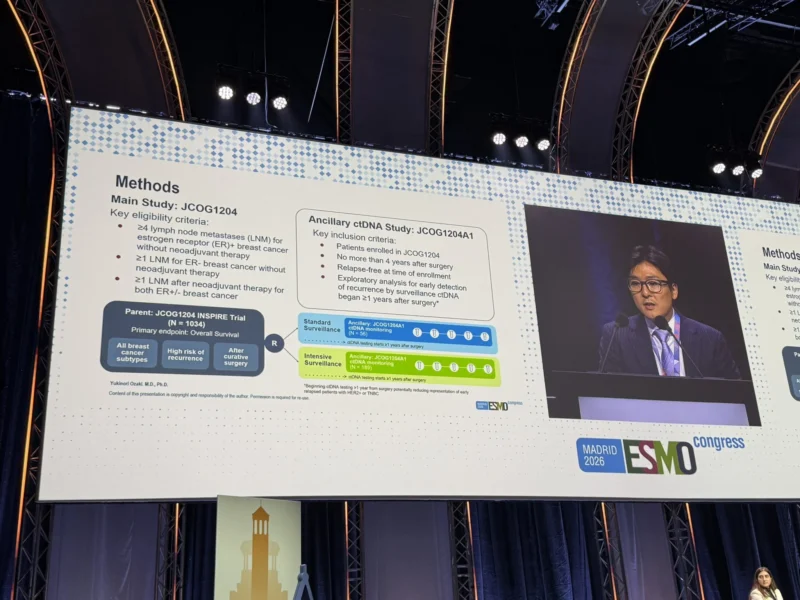
“Impressive MRD analysis presented by Yukinori Ozaki. Pts with high-risk breast cancer who, at any point, turned MRD+, had clearly higher risk of recurrence compared to those constantly remaining MRD-. Clinical utility needs to be established prior to broad implementation. ESMO26.”
Stephanie Graff, MD, FACP, FASCO:
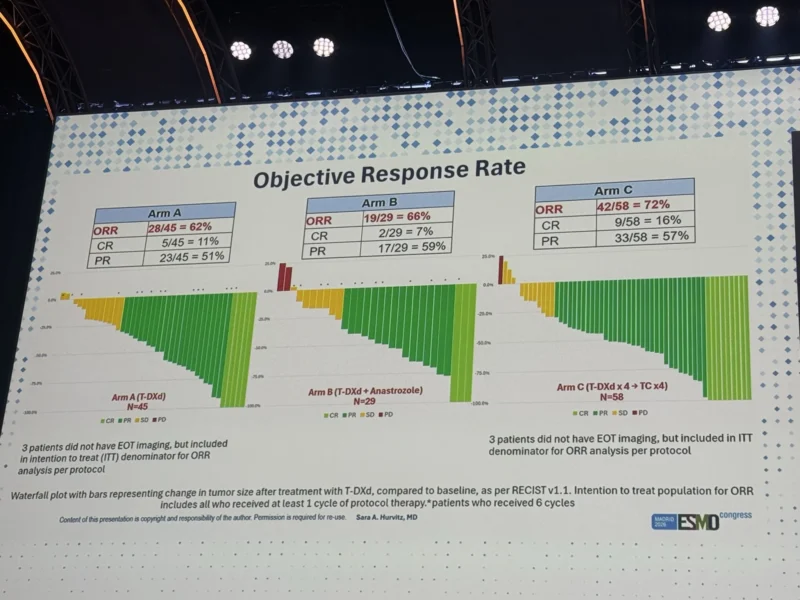
“TALENT—neoadj TDXd (6-8 cycles) +/- AI in HER2 low HR+ early stage breast ca ypCR // RCB TDXd 7% // 16% T-DXd/AI: 3% // 9% T-DXd→ TC: 17% // 17%
Author concludes ‘modest’ benefit; I would say ‘disappointing’. ypCR just isn’t the same endpoint w/ ER+ disease.”
Dra. María Natalia Gandur Quiroga:
“ESMO26 | Emerging Immune-Based Therapies in Prostate Cancer: From Molecular Selection to Next-Generation Immunotherapy in mCRPC
Presented by Niven Mehra, Netherlands.
Is prostate cancer really an immunologically cold tumor—or have we simply not identified the right patients and therapeutic platforms?
An outstanding overview of the evolving immunotherapy landscape in prostate cancer.
1. CHECKPOINT INHIBITION: BIOMARKERS MATTER
dMMR/MSI-H (~3% of patients) remains the best-established subgroup for immune checkpoint inhibition in mCRPC.
International multicenter real-world cohort (n=93):
ORR: 46%
PSA50 response: 60%
Median PFS: 7.7 months
Median OS: 27 months
3-year PFS: 26%
INSPIRE: nivolumab + ipilimumab
In the dMMR subgroup:
ORR: 75%
PSA50: 86%
Median PFS: 32.7 months
Grade ≥3 treatment-related AEs occurred in 48% of the overall INSPIRE population.
CDK12 and BRCA2 alterations alone are not sufficiently validated predictive biomarkers for checkpoint inhibition. TMB-high/MSS disease remains a more uncertain subgroup.
Clinical implication: Test for dMMR/MSI-H. Missing this biomarker can mean missing a meaningful therapeutic opportunity.
2. T-CELL ENGAGERS: A NEW FRONTIER
Among emerging immune strategies, T-cell engagers are one of the most clinically advanced approaches.
Xaluritamig (STEAP1 × CD3)
Demonstrates early antitumor activity in mCRPC, with cytokine release syndrome remaining a major consideration.
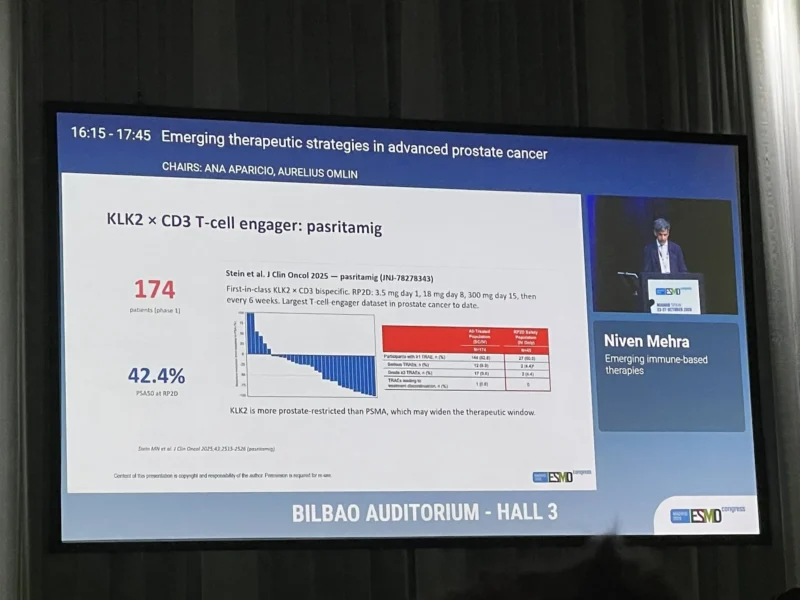
Pasritamig (KLK2 × CD3)
Phase I | N=174
PSA50: 42.4% at the recommended phase II dose (n=33)
Median rPFS: 7.85 months in that cohort
CRS: 8.9%, all grade 1, in the RP2D safety population
Conditionally activated PSMA engagers JANX007 and VIR-5500 illustrate how tumor-selective activation and masking technologies may improve the therapeutic window.
The challenge is no longer simply engaging T cells, but achieving sustained activity while limiting cytokine release, immunogenicity and on-target/off-tumor toxicity.
3. CAR-T THERAPY: PROOF OF CONCEPT
Early phase I programs targeting PSCA, PSMA and other prostate-associated antigens demonstrate feasibility.
However, important challenges remain:
T-cell persistence
Antigen heterogeneity
Immunosuppressive tumor microenvironment
On-target/off-tumor toxicity
Manufacturing complexity
Promising biology, but not yet an established treatment in prostate cancer.
4. PERSONALIZED VACCINES & IN-SITU IMMUNOTHERAPY
Personalized neoantigen vaccines aim to generate immune responses against patient-specific tumor mutations.
Manufacturing time, low neoantigen burden and limited immunogenicity remain important barriers.
SYNC-T SV-102: intratumoral immunotherapy
Early phase I results (n=15):
ORR: 87%
Complete responses: 53%
Highly encouraging, but preliminary findings from a very small, selected cohort requiring independent validation.
5. ONCOLYTIC VIROTHERAPY
CAN-2409 + radiotherapy represents an important randomized phase III development in localized prostate cancer.
N=745
Disease-free survival HR 0.70
95% CI 0.52–0.94
p=0.016
An important proof of concept for immune-based therapeutic strategies, although these findings concern localized disease rather than mCRPC.
6. PATIENT SELECTION WILL BE EVERYTHING
Future immune strategies may require different selection criteria:
dMMR/MSI-H → checkpoint inhibitors
Antigen expression (STEAP1, KLK2, PSMA) → T-cell engagers
Low disease burden and favorable immune contexture → possible opportunities for vaccines and in-situ immunotherapy
Emerging biomarkers include genomic and transcriptomic profiles, antigen heterogeneity, ctDNA tumor fraction and PSMA-PET tumor volume.
MY POINT OF VIEW | CLINICAL PEARL
Prostate cancer is not uniformly resistant to immunotherapy. Our challenge is identifying which immune strategy fits each biological context.
Three important lessons:
Molecular testing must be integrated into routine metastatic prostate cancer care.
T-cell engagers may expand immunotherapy beyond the small dMMR/MSI-H population.
CAR-T cells, vaccines and oncolytic approaches are exciting, but clinical adoption must follow robust evidence of meaningful patient benefit.
The next breakthrough in prostate cancer immunotherapy may come not from activating the immune system more aggressively, but from activating it more precisely.
From biomarker selection to engineered immune recognition: precision immunotherapy is beginning to reshape the field.”
Add a concise opening summaryClarify trial and cohort context
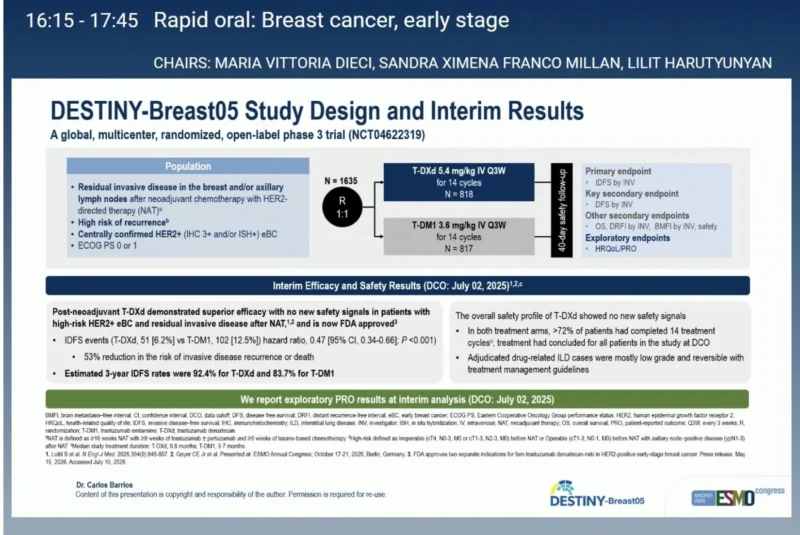
“DESTINY-Breast05: PROs at ESMO26. HRQoL was largely maintained with both T-DXd and T-DM1 in high-risk HER2+ early breast cancer with residual invasive disease.”
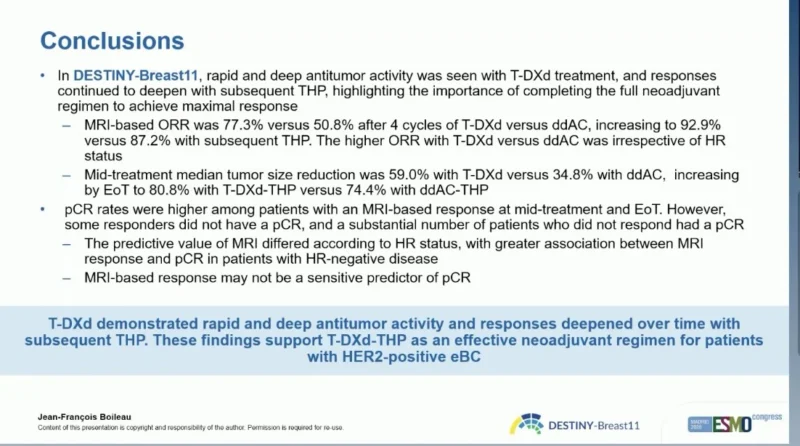
“DESTINY-Breast 11: MRI response higher after 4 cycles of T-DXd compared with AC. pCR rates higher among patients with MRI response mid-treatment, but some responders didn’t have a pCR and many who did not respond on MRI had a pCR. Greater association with MRI response and pCR in HR-negative disease.”
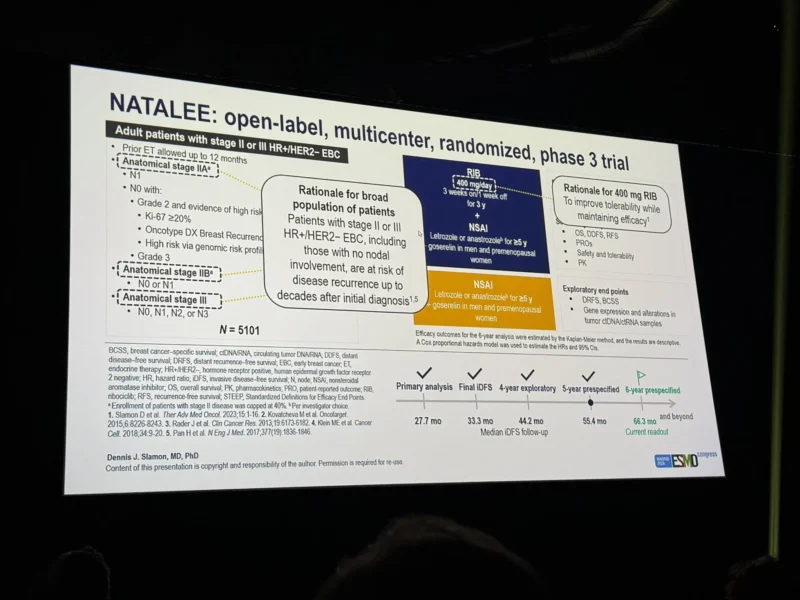
“Today at ESMO26, the 6-year results of NATALEE will be presented. Ahead of the presentation, my personal view on the survival gains with adjuvant CDK4/6 inhibitors…
The 6-year OS rates in NATALEE were 91.86% vs 89.73%: an absolute gain of 2.1 percentage points (HR 0.809; 95% CI 0.661–0.989; nominal one-sided p=0.019).
The absolute 7-year OS gain in monarchE was 1.8 percentage points (HR 0.842; p=0.027). I do not think these gains should be dismissed as ‘only 2%.’
In the EBCTCG analysis, adding taxanes to anthracycline-based chemotherapy—an approach we have accepted as standard for years—provided an absolute 5-year OS gain of approximately 1.9 percentage points. The populations and follow-up periods differ, so we cannot directly compare treatment efficacy. However, the standards we use to judge a few percentage points of survival benefit should be consistent.
Moreover, 95.4% of patients in monarchE had already received chemotherapy. This survival gain represents an additional benefit on top of chemotherapy and endocrine therapy.
Patient selection, toxicity, treatment duration, and cost certainly deserve discussion. However, the survival benefit of adjuvant CDK4/6 inhibitors in appropriately selected patients should not be underestimated.”
“My top 4 Melanoma ESMO26.
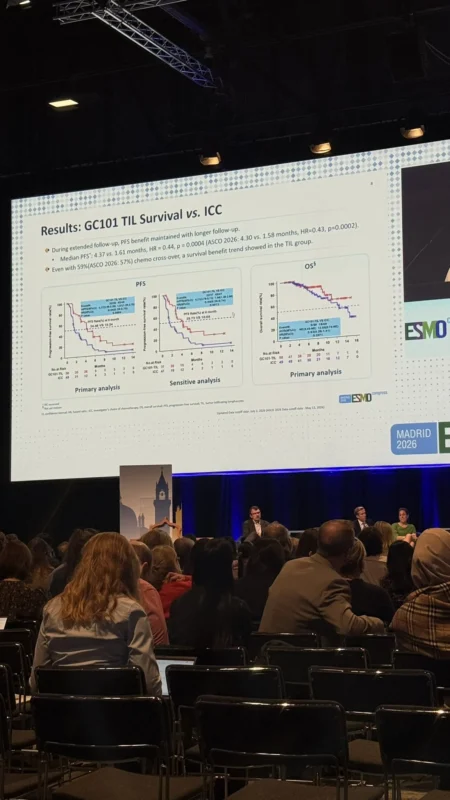
GC101 TIL: TILs without the full toxicity baggage?
Randomized phase II in ≥2L anti-PD-1-resistant melanoma! Notably 73% acral/mucosal!!!
PFS: 4.37 vs 1.61 months (HR 0.44)
ORR: 44% vs 8%
Acral: ORR 45% vs 8%
Mucosal: ORR 50% vs 0%
IL-2-free + reduced-intensity lymphodepletion, and the discussant questioned whether 50% dose sintilimab really changes much…”
Nieves Martinez Lago, MD, PhD:
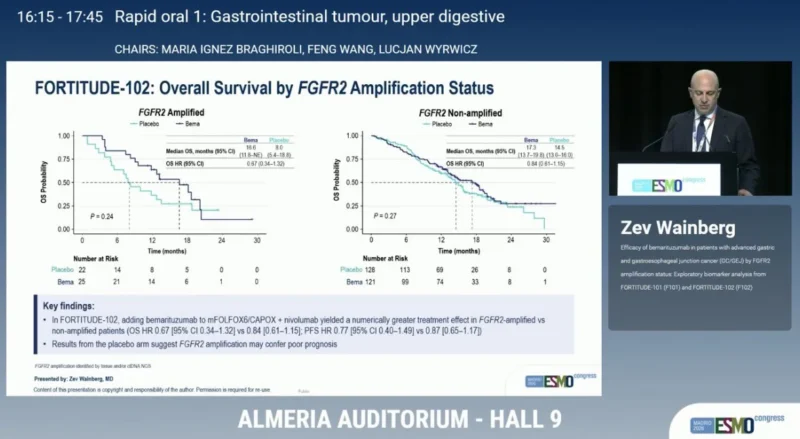
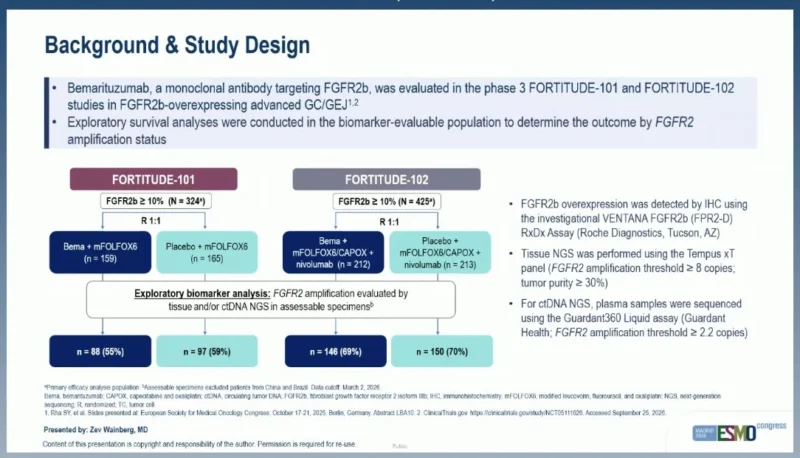
“ESMO26 FORTITUDE-101/102 | FGFR2
Exploratory biomarker analysis in FGFR2b+ GC/GEJ.
FGFR2 amplification: ~16–19%
Bemarituzumab OS signal if amplified:
F101: HR 0.50
F102: HR 0.67
Could FGFR2 amplification guide patient selection?”
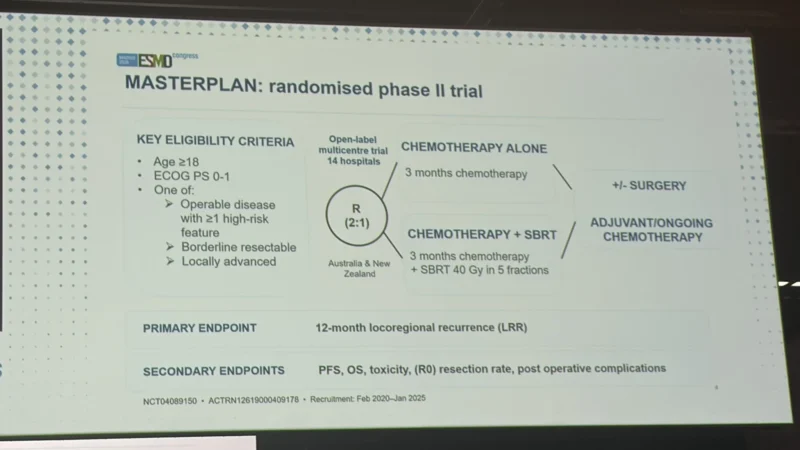
“Rapid oral in PDAC at ESMO26.
Adding SBRT to chemotherapy (mFOLFIRINOX (\~90%) or GemNab (\~10%)).
Mixed population of resectable, borderline resectable and locally advanced.
Better local control? OS signal?
Still unclear topic…”
“Efficacy of bemarituzumab in GC/GEJ by FGFR2 amplification status: Exploratory analysis from FORTITUDE-101 and -102 at ESMO26.
Amplification of FGFR2 in 16–19%.
OS benefit in FGFR2-amplified patients for bemarituzumab with and without nivolumab.
FGFR2 amplification is a negative prognostic factor, potentially predictive for FGFR2-targeted therapy.”
“Excellent overview by Niven Mehra of emerging immune therapies in prostate cancer at ESMO26!
Promising early signals with KLK2×CD3 & masked PSMA×CD3 T-cell engagers
Personalized neoantigen vaccines gaining traction
CAR-T remains proof-of-concept”
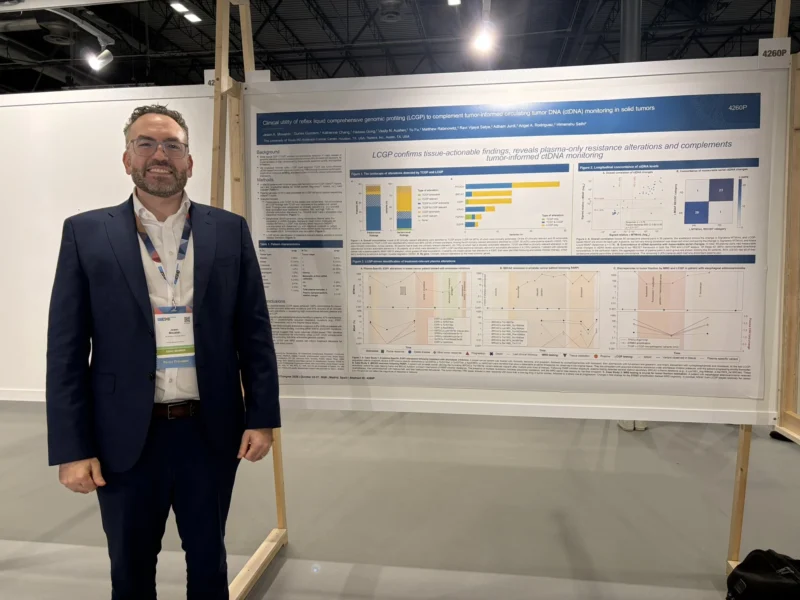
“Excited to share our ESMO26 poster 4260P.
We asked: can reflex liquid NGS add to tissue NGS and tumor-informed ctDNA monitoring?
50 patients, 10 tumor types (34% breast), 101 plasma samples. Tissue NGS (Altera) + serial ctDNA (Signatera) + reflex liquid NGS.
Concordance: every patient with a tissue-actionable alteration (26/26) had it found in plasma too.
Plasma added value: new relevant or actionable alterations in ~20% of patients. Mostly acquired resistance:
ESR1 after AI (switched to a SERD)
BRCA2 reversions after PARPi
Plus a plasma-only BRAF K601E that guided encorafenib.
Tracking: across 45 measurable plasma pairs, the two assays moved in the same direction 96% of the time (ρ = 0.76).
But they’re NOT interchangeable. In an esophageal case on T-DXd, tumor-informed ctDNA showed a >1-log drop and a sharp rebound, while liquid NGS allele fraction barely moved.
Takeaway: tumor-informed ctDNA tells you when to look, and liquid NGS tells you what changed. Together they can guide real-time treatment decisions.
Grateful to my coauthors at Natera.
Come by poster 4260P!”
“Cowabunga! Riding the Early & Adjuvant Breast Cancer Wave from ESMO26.
NATALEE, 6 yrs: ribociclib overall survival hazard ratio 0.81, +2.1%.
Encouraging, concordant, consistent. But: no alpha, nominal p, fragility \~2–3 deaths.”
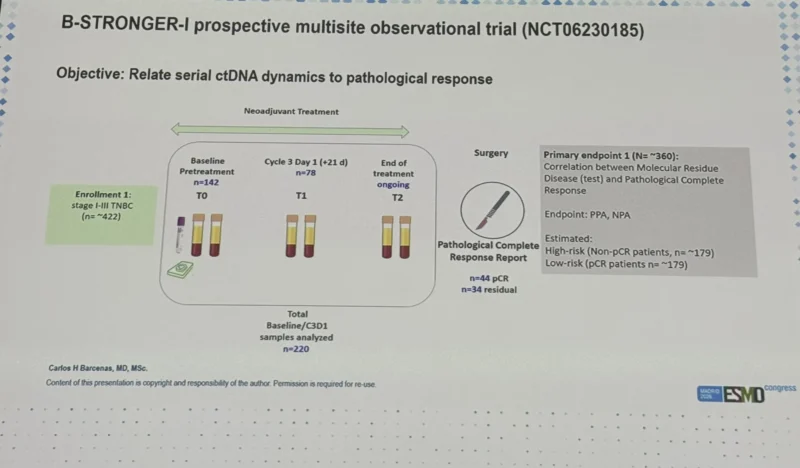
“BSTRONGER: 95.1% of patients with stage I–III TNBC had ctDNA at baseline!!! Wow.
By C3, >80% of patients had cleared ctDNA in response to chemotherapy.
Molecular response was associated with tumor burden:
Stage I: 100% cleared
Stage II: 85% cleared
Stage III: 44% cleared”
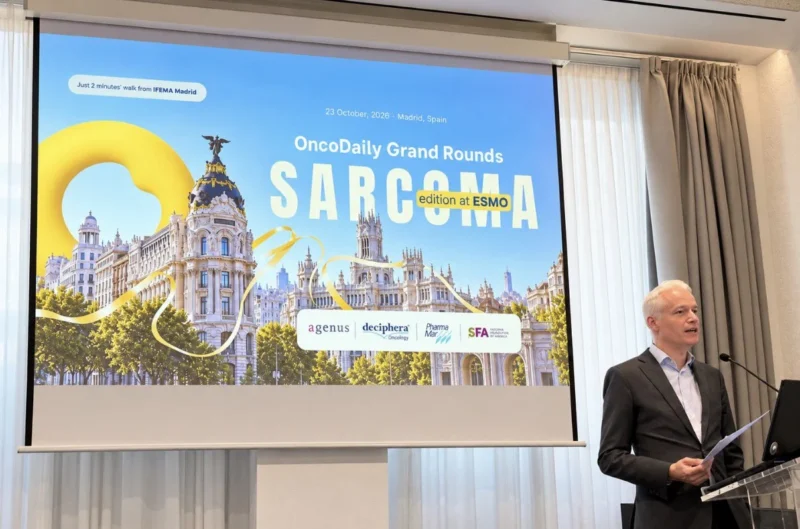
“LIVE NOW at ESMO26: OncoDaily spotlights sarcoma and launches OncoDaily Sarcoma.
Prof. Robin Jones mandates faster progress and ‘clever designs’ to expand options. Points to iNKT–myeloid crosstalk. MiNK iNKT may broaden activity?”
Discover more articles like this on OncoDaily.