The Hellenic Cancer Federation – ELLOK organized its 10th Annual Conference on 2, 3 and 4 February 2026, entitled “People at the Center – Building Bridges of Care”, at the Wyndham Grand Athens hotel, with the participation of leading representatives of the State, the scientific and academic community, the health industry and patient organisations from Greece and abroad.
The Conference was held in conjunction with World Cancer Day (4 February) and served as a reference point for highlighting key public health and cancer care issues, at a time marked on the one hand by international instability and growing pressure on health systems, and on the other by significant progress made in Greece in cancer prevention, diagnosis and treatment over recent years.
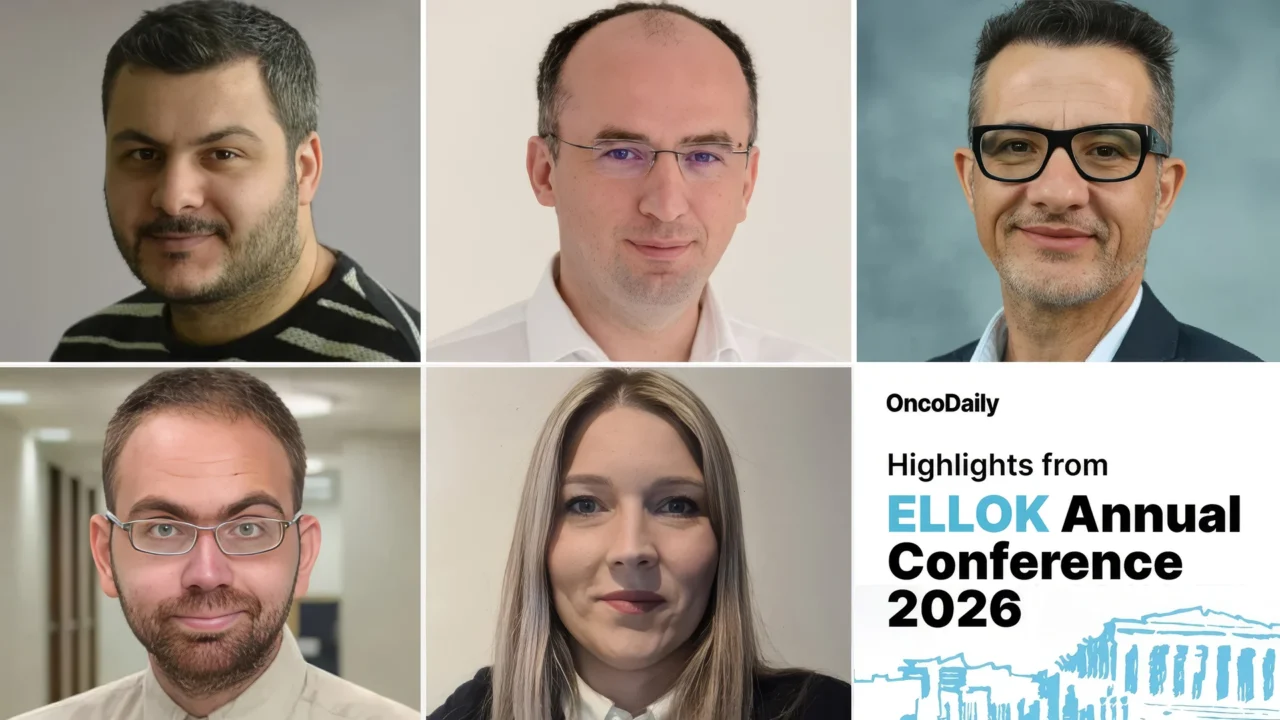
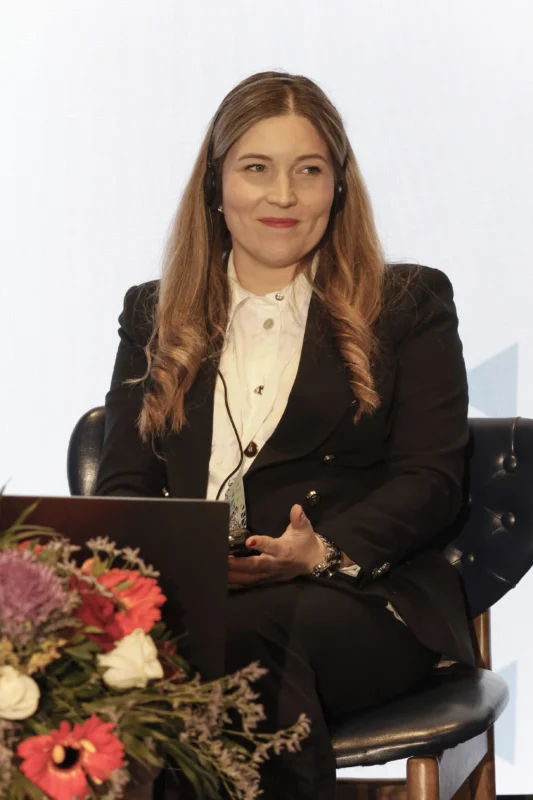
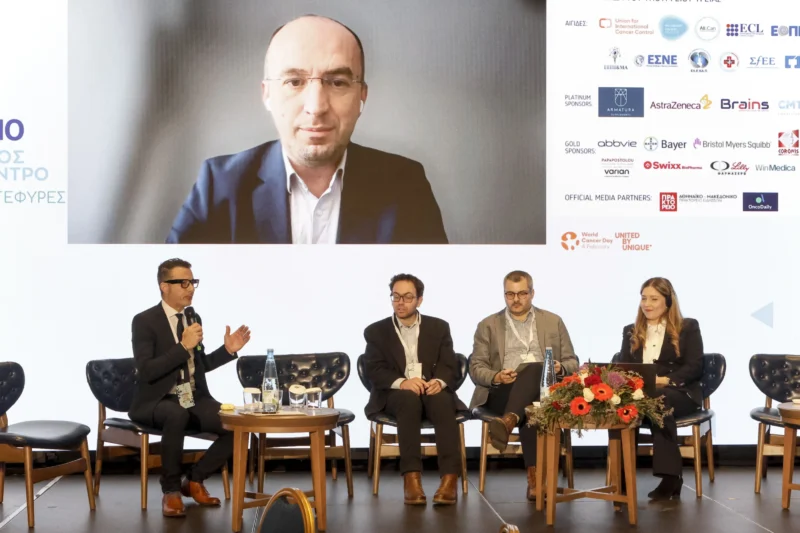
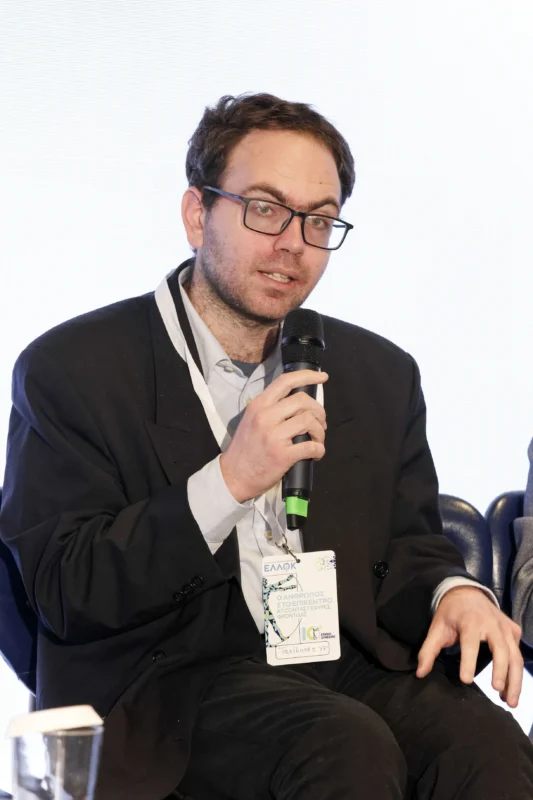
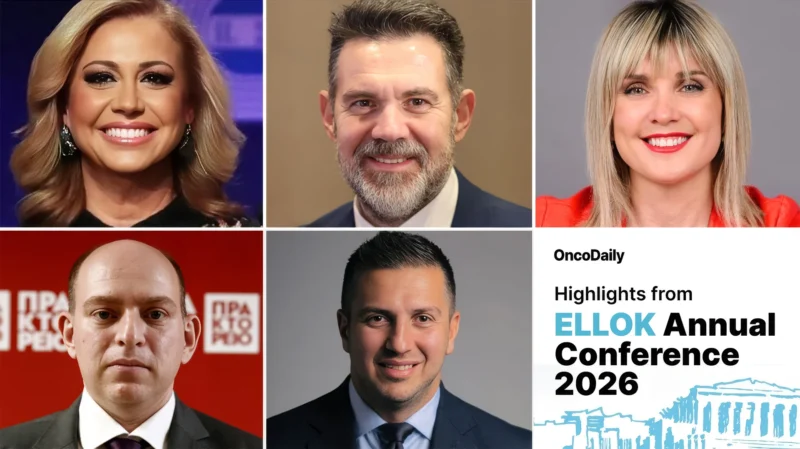
Within this framework, the session “Health Literacy in Focus: Opportunities and Challenges” brought together Antonis Billis, Christos Tsagkaris, Nikolina Dodlek, and Marius Geanta, moderated by Andreas Charalambous, to explore how health literacy can reduce inequalities, strengthen prevention and early detection, and support more informed and person-centered decision-making across the cancer continuum.
Health Literacy as a Driver of Equity in Cancer Care
A central theme throughout the discussion was that health literacy is not limited to individual knowledge or education. It functions as a structural determinant of access and equity, influencing whether people engage in prevention strategies, participate in screening and early detection, and feel able to understand treatment options and follow care pathways.
The session emphasized that limited health literacy can deepen existing disparities, particularly among communities facing socioeconomic barriers, cultural and language obstacles, or reduced access to reliable information channels. In this sense, improving health literacy was presented not only as a communication goal, but as a meaningful route toward more equitable cancer care.
Designing Solutions That Last
Nikolina Dodlek highlighted the importance of building health literacy initiatives that are designed for implementation and sustainability rather than remaining isolated, short-term interventions. She described a structured approach aimed at developing training and educational materials that can be maintained over time, adapted to different user groups, and strengthened through continuous input.
A key point in her contribution was that effective health literacy work should be user-centered, meaning it must actively involve the people it intends to serve. The session stressed the value of real-time feedback and engagement, so that educational resources respond to genuine needs, reflect lived experiences, and remain practical in everyday healthcare settings.
A System-Level Approach to Cancer Literacy and Inequalities
Marius Geanta expanded the conversation by framing health literacy as a system capability, not solely an individual skill. He presented a European-focused approach targeting inequalities in cancer care that are shaped by gaps in understanding and communication across populations.
In his remarks, health literacy was positioned as a bridge between citizens, patients, healthcare professionals, and institutions, with the aim of making prevention, early detection, and treatment pathways more accessible and navigable. Rather than treating cancer literacy as a single intervention, he described it as a coordinated effort that must occur across multiple levels of the healthcare ecosystem.
From Citizens to Institutions
The session underlined that improving cancer literacy begins at the population level, where clear and actionable information can support prevention, awareness, and participation in screening. It then becomes even more critical within clinical care, where patients must understand options, benefits and risks, and the reasoning behind recommendations in order to engage in shared decision-making.
Speakers also drew attention to the responsibility of healthcare professionals to communicate with clarity and empathy, noting that health literacy is shaped by the way information is delivered, not only by the capacity of patients to interpret it. Equally important was the role of organizations and systems, which should be designed in ways that reduce confusion and administrative barriers, creating environments that are easier to navigate, especially for those at higher risk of being left behind.
Digital Transformation and The Emerging Role of AI
A forward-looking element of the discussion addressed the growing influence of digital tools on health literacy. The session acknowledged that digital health resources can expand reach and provide scalable education, but also warned that digital transformation can worsen inequalities if access to technology and digital skills are uneven.
Within this context, the conversation referenced the potential role of AI-driven tools, including large language models, as emerging supports for information access and understanding. At the same time, speakers emphasized that these tools must be approached carefully, with attention to reliability, safety, and fairness, so that innovation reduces rather than reinforces disparities.
Opportunities and Challenges in Moving from Discussion to Action
Across the contributions, the session offered a balanced view of the field. The opportunities were presented as real and actionable, especially when education is structured, training is sustained, and development is guided by collaboration with users. At the same time, the challenges were described as persistent and multi-layered, including unequal access to understandable information, complexity of healthcare systems, communication gaps, information overload, and digital divides that affect vulnerable populations. The overall message was that progress requires coordinated solutions that operate simultaneously at the individual, professional, organizational, and policy levels.
Highlights from ELLOK Annual Conference 2026: The Power of Words in Cancer Communication
Written by Nare Hovhannisyan, MD