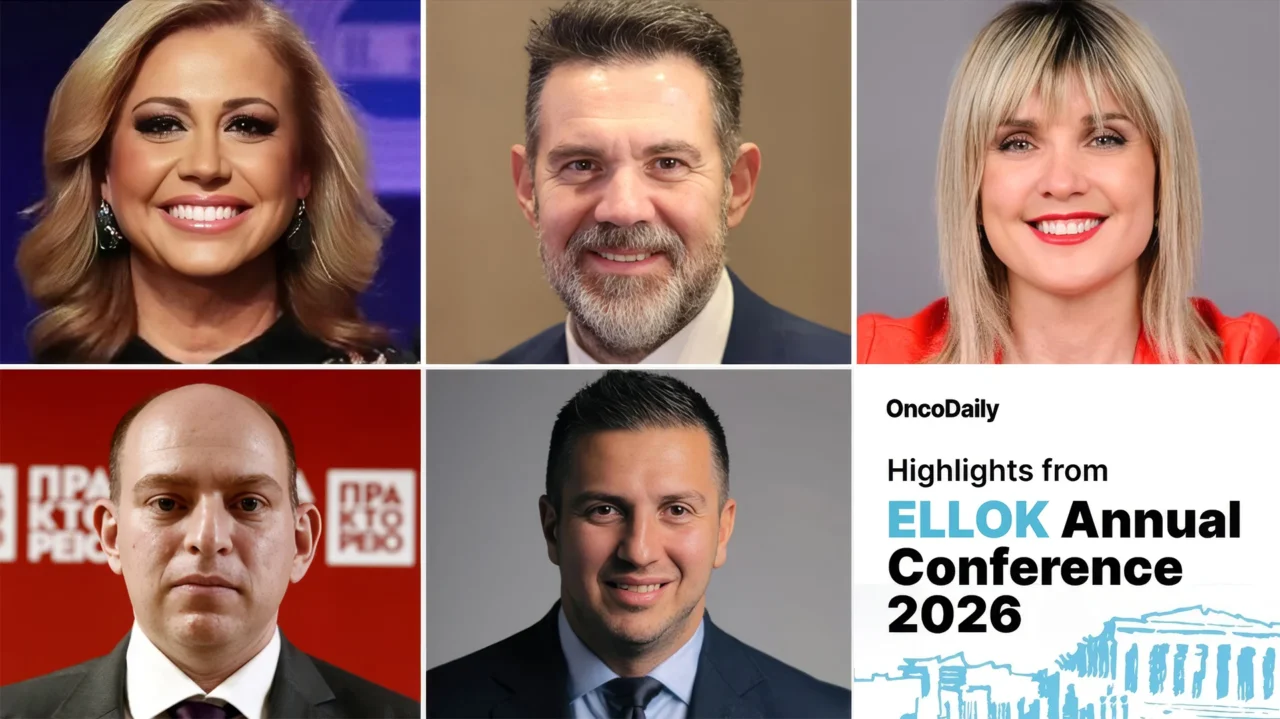
The Hellenic Cancer Federation – ELLOK organized its 10th Annual Conference on 2, 3 and 4 February 2026, entitled “People at the Center – Building Bridges of Care”, at the Wyndham Grand Athens hotel, with the participation of leading representatives of the State, the scientific and academic community, the health industry and patient organisations from Greece and abroad.
The Conference was held in conjunction with World Cancer Day (4 February) and served as a reference point for highlighting key public health and cancer care issues, at a time marked on the one hand by international instability and growing pressure on health systems, and on the other by significant progress made in Greece in cancer prevention, diagnosis and treatment over recent years.
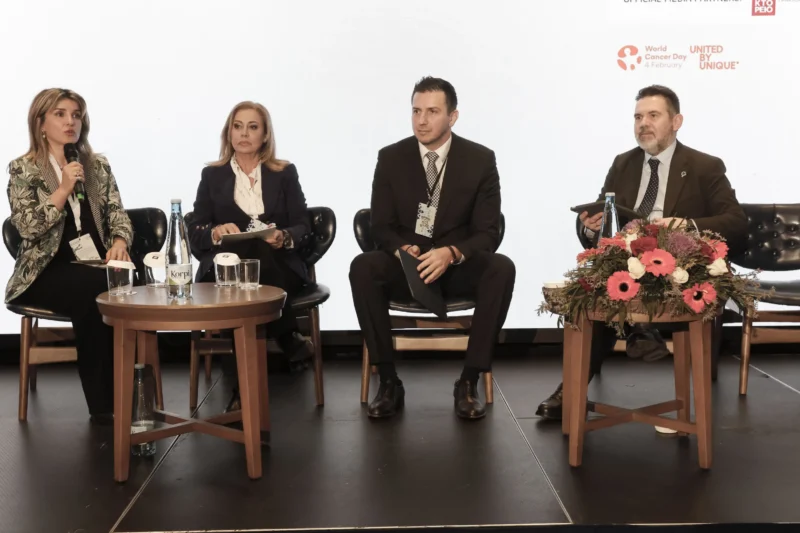
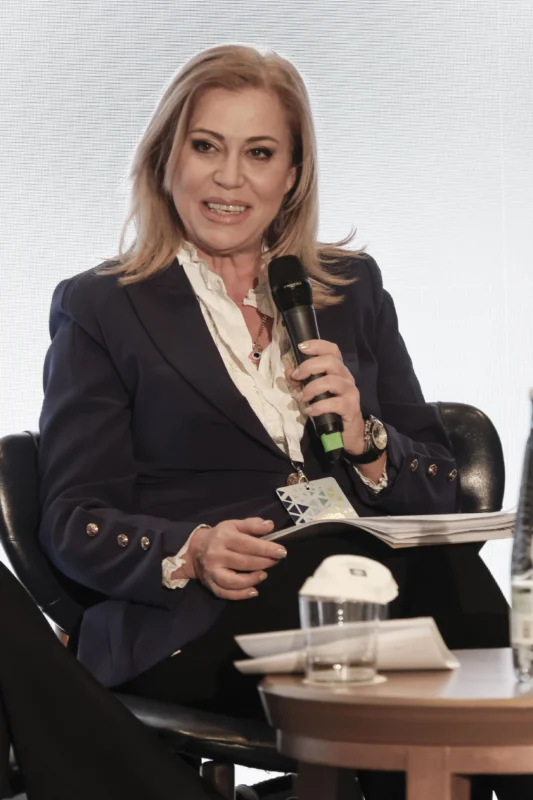
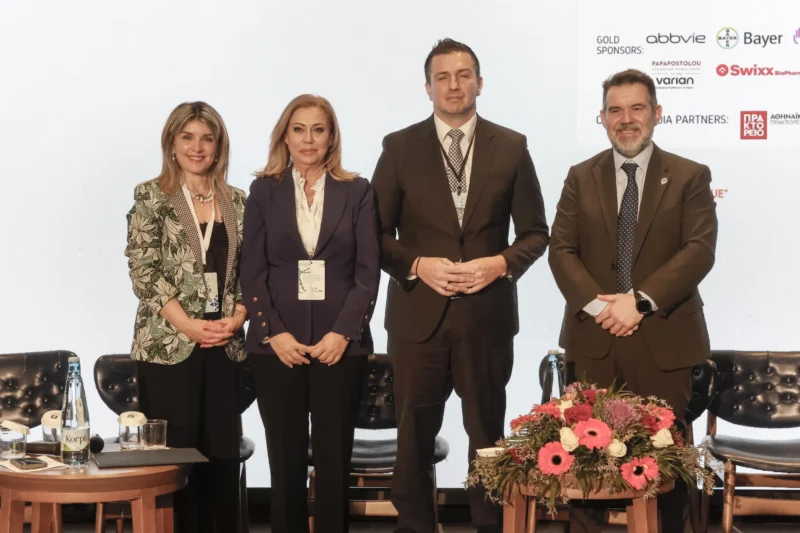
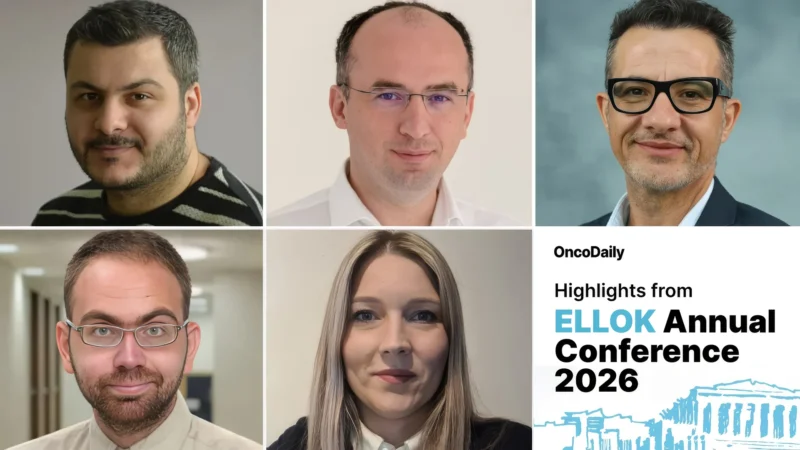
The session “The Power of Words: Speaking About Cancer with Respect – Towards a Code of Conduct” highlighted how language affects people living with cancer and the need for respectful, non-stigmatizing communication in healthcare and the public sphere. Dimitrios Kirmikiroglou, Aria Agatsa, and George Kapetanakis, moderated by Pisti Kristallidou, discussed moving toward a shared code of conduct for patient-centered communication.
Institutional Participation and an Important Message of Commitment
A central moment of the session was the presence and intervention of a speaker participating in a dual capacity, both as Vice Chair of the Confederation of People with Disabilities and as a member of the Board of the Athens News Agency. Their remarks emphasized that this was one of the first times the State appeared so closely aligned with a collective effort initiated by social partners around a shared goal: improving the public discourse surrounding cancer.
Reference was made to previous engagement and commitments expressed since September 2025, including constructive communication from institutional representatives. The speaker underlined that the next step must be to support this momentum with an institutional framework that can sustain progress beyond a single event, ensuring that initiatives develop into formal practices.
Why Words Matter: The Impact of War Metaphors on Patients
A key part of the session focused on research findings regarding the effect of metaphors commonly used in cancer communication. Expressions such as “battle,” “war,” “fight,” “victory,” and “defeat” may be widespread and usually well-intentioned, but speakers stressed that they can unintentionally create stigma, fear, and emotional pressure. Such language often implies that outcomes depend on personal strength or moral effort, which may add an extra burden to patients and families who are already navigating uncertainty and distress.
The discussion highlighted that communication patterns in journalism and public awareness campaigns can contribute to social exclusion and marginalization, even when no harm is intended. This is precisely why cancer communication must be approached as an issue of dignity and rights, not only of messaging.
A New Initiative: Towards an Ethical Code for Cancer-Related Communication
One of the most important announcements of the session was the intention to move forward with a concrete institutional action aimed at eradicating harmful discourse. The proposal centered on the development of a code of ethics, or code of communication, focusing on the language used when referring to patients and the experience of cancer.
It was emphasized that this effort is not meant to remain theoretical. The purpose is to create a framework that can be adopted and applied immediately in everyday journalistic practice, institutional communication, awareness campaigns, and health-related public messaging, shaping a more respectful and accurate narrative from the very next day.
Collaboration With Academia and Media Stakeholders
The initiative is already supported by collaboration with the Journalism and Equality Laboratory of Panteion University, following the signing of a Memorandum of Understanding. Academic expertise was presented as a crucial pillar of the process, ensuring that the recommendations will be evidence-based and methodologically grounded.
Speakers noted that the code should not be designed only by institutions or professionals, but through a broader partnership that includes the academic community, the media sector, patients, and healthcare stakeholders. This inclusive approach was presented as essential for legitimacy, applicability, and lasting impact.
Journalism’s Responsibility in Shaping Public Perception
Throughout the discussion, the role of journalism was repeatedly highlighted as decisive. The Athens News Agency, in particular, was described as a key actor because of its institutional position and influence on the broader media environment. The session stressed that journalists do not simply report events; they also shape how society understands illness, health, survival, and vulnerability.
It was made clear that cancer is no longer automatically associated with a fatal outcome, as scientific progress has transformed many cancers into conditions that are treatable, manageable, and in some cases curable. However, outdated narratives and dramatic language still persist in public discourse, reinforcing stereotypes and fear. Speakers argued that responsible reporting should reflect today’s medical realities while protecting the dignity of those affected.
From Disability Rights to Cancer Advocacy: The Shared Challenge of Language
The session also drew parallels between cancer-related terminology and the language historically used to describe people with disabilities. It was noted that even seemingly positive portrayals can be harmful when they reduce individuals to symbolic roles, such as portraying them as “heroes,” “fighters,” or “lions.” The speaker offered a message that captured the essence of the discussion: people are not defined by metaphors, and they should not be expected to perform strength for public consumption. They are individuals with rights, needs, and identities that go beyond illness or disability.
Personal Testimony and The Importance of Empathy
The discussion included personal reflections that reinforced the emotional weight language can carry. One speaker referred to their experience of losing both parents to cancer and recalled how certain expressions, even when intended as encouragement, can feel isolating or painful. This testimony reminded the audience that communication affects not only patients but also caregivers and families, who often carry fear, grief, and uncertainty for long periods.
It was also noted that stigma can be so deeply rooted that some families avoid even naming cancer directly, treating the word itself as forbidden. The session argued that changing public language is a necessary step toward dissolving this fear and building a culture where people can speak openly and seek support without shame.
Principles for Ethical Communication and The Role of Training
The session proposed that an ethical approach to cancer communication should rest on dignity, reliability, and responsibility. Dignity means that every person must be treated with respect, without stigmatizing labels or prejudiced assumptions. Reliability means that health information must be accurate, evidence-based, and aligned with scientific knowledge rather than unverified claims. Responsibility means that journalism and public communication must avoid narratives that create stereotypes or increase psychological pressure on patients and their families.
Speakers emphasized that training and education are essential to making this shift real. Many harmful expressions are used automatically, without awareness of their impact. Improving communication does not necessarily require significant resources, but it does require commitment, professional guidance, and collaboration between institutions, academia, and the media.
From Powerful Words to Powerful Actions
The session concluded with a broader reminder that while technology, artificial intelligence, and fact-checking tools are valuable, the core of every health policy and communication effort must remain people-centered. Cancer affects not only patients but entire families, and public discourse should acknowledge and support that wider reality.
The panel’s overall message was clear: changing words can change the way society sees people, reduce fear, and create an environment of trust and solidarity. With the State, journalists, academic partners, and patient communities aligning around concrete steps, the session marked an important moment of momentum. The hope expressed by all speakers was that this initiative will move beyond discussion and translate into institutional action that improves public understanding and strengthens respect for every person living with cancer.
Highlights from ELLOK Annual Conference 2026: Health Literacy in Focus: Opportunities and Challenges
Written by Nare Hovhannisyan, MD