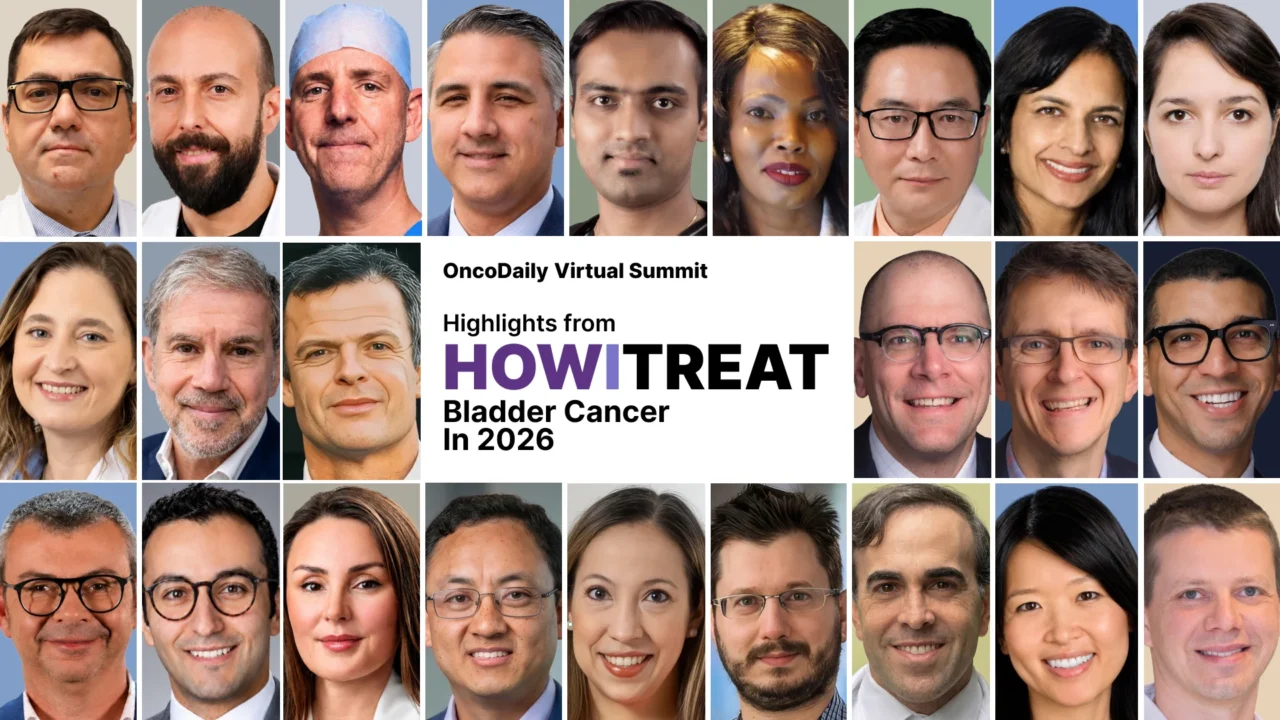
The How I Treat Bladder Cancer in 2026: OncoDaily Virtual Summit brought together leading international experts for a dedicated program on bladder cancer during Bladder Cancer Awareness Month. The virtual congress focused on the full clinical spectrum of bladder cancer, from early diagnosis and non-muscle-invasive disease to muscle-invasive, metastatic, variant histology, bladder preservation, radiotherapy, biomarkers, and emerging systemic therapies.
Chaired by Dr. Maite Bourlon and Dr. Petros Grivas, the summit created a global forum for practical, experience-based discussion on how bladder cancer care is changing in 2026. Across the program, speakers addressed current standards of care, multidisciplinary decision-making, precision oncology, immunotherapy, antibody-drug conjugates, radiotherapy, ctDNA, urine biomarkers, and patient-centered care.
A Global Program Focused on Practical Bladder Cancer Care
The summit opened with a strong emphasis on the growing complexity of bladder cancer management. While many patients are diagnosed with non-muscle-invasive tumors, muscle-invasive and metastatic bladder cancer continue to carry a major risk of recurrence, progression, and cancer-related mortality.
At the same time, the treatment landscape is changing quickly, with immunotherapy, antibody-drug conjugates, molecularly guided strategies, and bladder-preserving approaches increasingly shaping clinical practice.
The scientific program reflected this evolution, bringing together medical oncologists, urologists, radiation oncologists, pathologists, researchers, and patient advocates to discuss how evidence can be translated into real-world treatment decisions.
Francesco Massari: Immunotherapy in Perioperative and Adjuvant MIBC
Professor Francesco Massari opened the scientific agenda with a session on muscle-invasive bladder cancer and the role of immunotherapy in the perioperative or adjuvant setting. His talk addressed one of the most important questions in contemporary MIBC care: how to integrate immunotherapy around surgery to improve outcomes for patients at high risk of recurrence.
The session helped frame the broader discussion around treatment intensification, patient selection, and how evolving trial data are influencing perioperative strategies in bladder cancer.
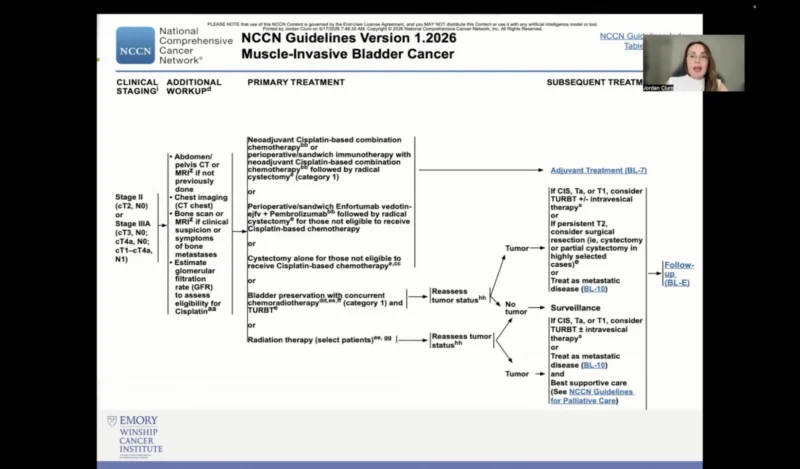
Jordan Ciuro: Neoadjuvant Strategies and EV Plus Pembrolizumab Updates
Dr. Jordan Ciuro focused on neoadjuvant strategies in muscle-invasive bladder cancer, including updates related to enfortumab vedotin plus pembrolizumab. Her session highlighted the increasing interest in moving effective systemic therapies earlier in the disease course, particularly for patients with MIBC who may benefit from improved pathologic responses before definitive local treatment.
The discussion also reflected a larger shift in urothelial cancer care: the movement from traditional chemotherapy-based approaches toward more personalized, biomarker-aware, and novel-agent-based strategies.
Helena Kremer: Personalizing Treatment for Elderly and Frail Patients
Dr. Helena Kremer addressed one of the most clinically relevant challenges in bladder cancer care: the management of elderly and frail patients. Her session emphasized that treatment decisions in bladder cancer cannot rely only on disease stage or tumor biology. Functional status, comorbidities, frailty, quality of life, and patient goals all play a central role.
This part of the summit reinforced the need for individualized care, especially because bladder cancer often affects older adults who may not tolerate standard aggressive treatment approaches.
Omar Alhalabi: Small Cell Bladder Cancer
Dr. Omar Alhalabi discussed advances in research and management of small cell bladder cancer, a rare and aggressive variant that requires specialized clinical attention. His session brought focus to the genomic and molecular drivers of bladder cancer, including the therapeutic vulnerabilities that may guide future treatment strategies.
By including small cell bladder cancer in the program, the summit highlighted the importance of addressing rare and variant histologies, where evidence is often limited and multidisciplinary expertise is especially important.
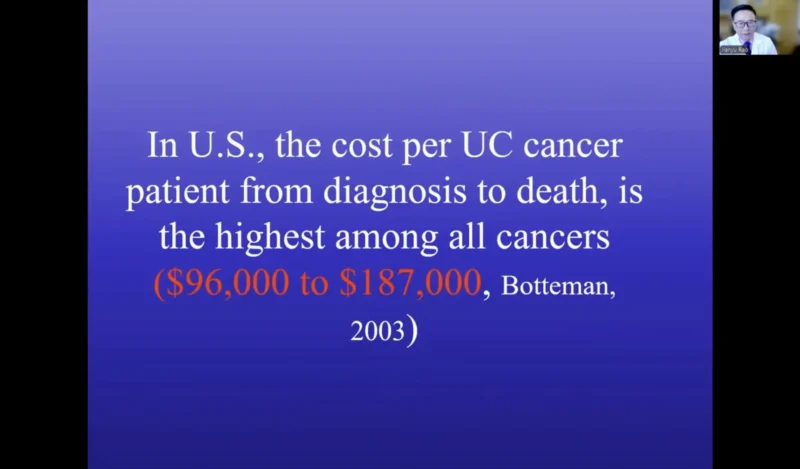
Jianyu Rao: Urine Biomarkers for Diagnosis and Management
Dr. Jianyu Rao presented on urine biomarkers for bladder cancer diagnosis and management. His session explored how biomarker development, liquid biopsy, digital pathology, and AI-driven diagnostic tools may support earlier detection, surveillance, and treatment monitoring.
This topic is particularly important in bladder cancer because patients often require long-term follow-up, repeated evaluations, and risk-adapted management. Urine-based biomarkers may help refine clinical decisions and reduce unnecessary procedures in selected settings.
Bridget Sein: A Survivor’s Perspective on Symptoms, Diagnosis, and Advocacy
Bridget Sein brought a powerful patient-centered perspective with her session, “From Symptoms to Survival: A Bladder Cancer Survivor’s Journey.” As a long-term cancer survivor and advocate, she highlighted the human side of bladder cancer care, including early warning signs, timely diagnosis, survivorship, and the importance of listening to patient experiences.
Her contribution reminded the audience that progress in bladder cancer is not only measured by new drugs or clinical trials, but also by awareness, communication, early recognition of symptoms, and patient advocacy.
Imène Hadji: Adapting Global Evidence to Regional Practice in Algeria
Dr. Imène Hadji discussed national bladder cancer guidelines in Algeria, focusing on how global evidence can be adapted to regional practice. Her session addressed an important challenge in oncology: clinical guidelines must be scientifically strong, but they also need to be realistic within local healthcare systems.
This discussion brought attention to access, implementation, and regional differences in cancer care. It also emphasized the importance of adapting international standards to local resources while maintaining evidence-based decision-making.
James W. Catto: Muscle-Invasive Bladder Cancer in 2026
Professor James W. Catto provided a broad overview of muscle-invasive bladder cancer in 2026. His session helped place current treatment strategies into context, covering the evolving role of surgery, systemic therapy, biomarkers, clinical trials, and multidisciplinary decision-making.
As MIBC remains one of the most challenging areas in bladder cancer, this session served as an important anchor for the program, connecting new scientific developments with daily clinical practice.
John Sfakianos: The Use of ctDNA in Bladder Cancer
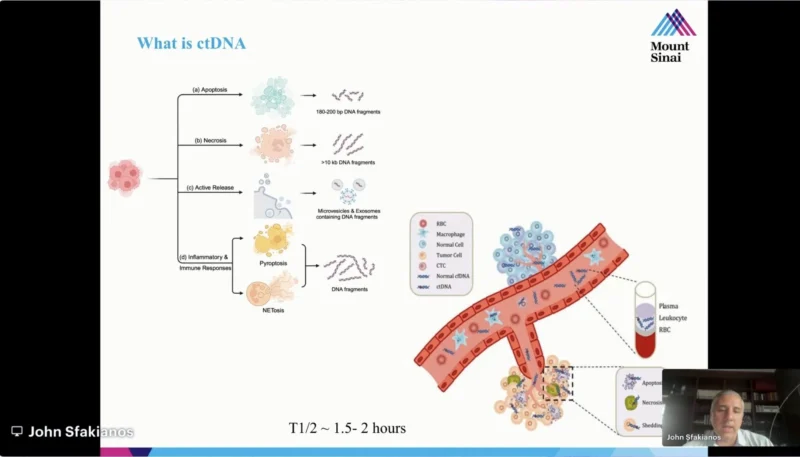
Dr. John Sfakianos focused on circulating tumor DNA in bladder cancer, a rapidly developing area with potential implications for surveillance, risk stratification, treatment selection, and early detection of molecular relapse.
His session reflected the growing role of minimal residual disease and molecular monitoring in urothelial carcinoma. As ctDNA continues to move from research into clinical practice, questions remain about timing, interpretation, standardization, and how best to act on positive or negative results.
Uddiptya Goswami: Metastatic Bladder Cancer in the Precision Oncology Era
Dr. Uddiptya Goswami addressed current treatment strategies for metastatic bladder cancer in the era of precision oncology. His session focused on how advanced urothelial cancer management is changing with the introduction of new systemic therapies, sequencing strategies, and molecularly informed approaches.
The talk highlighted the need to consider patient fitness, prior therapies, treatment goals, access to novel agents, and evolving evidence when managing metastatic disease.
Bradley McGregor: ADCs Beyond Enfortumab Vedotin
Dr. Bradley McGregor presented on antibody-drug conjugates in bladder cancer, emphasizing that the field is moving beyond enfortumab vedotin alone. His session explored ADCs as an expanding therapeutic class in urothelial cancer, with implications for sequencing, resistance, toxicity management, and future combinations.
This topic was one of the key forward-looking parts of the summit, reflecting the growing importance of ADCs in advanced bladder cancer and their potential role across different disease settings.
Timur Mitin: Neoadjuvant Systemic Therapy Before Bladder Preservation
Dr. Timur Mitin discussed the role of neoadjuvant systemic therapy prior to bladder preservation treatment in MIBC. His session focused on the intersection between systemic treatment and organ-preserving approaches, an area of increasing interest for selected patients with muscle-invasive disease.
The discussion highlighted how bladder preservation requires careful patient selection, strong multidisciplinary coordination, and integration of systemic therapy, radiation, and urologic expertise.
Bicky Thapa: Upper Tract Urothelial and Urethral Tumors
Dr. Bicky Thapa presented on the contemporary management of upper tract urothelial and urethral tumors. His session expanded the program beyond bladder-confined urothelial cancer, addressing less common but clinically important urothelial malignancies.
The session underscored the need for precision medicine, genomics-driven strategies, and individualized care in rare genitourinary tumors, where treatment decisions often require careful interpretation of limited evidence.
Alexandre Zlotta: Bladder Preservation Versus Radical Cystectomy
Dr. Alexandre Zlotta addressed the important question: “Bladder Preservation vs Radical Cystectomy: Who Truly Benefits?” His session focused on one of the most debated areas in MIBC care, balancing oncologic control with quality of life, patient preference, surgical fitness, and treatment feasibility.
This discussion reinforced that bladder preservation is not a one-size-fits-all approach. The best candidates require thoughtful selection, multidisciplinary evaluation, and clear communication about benefits, limitations, and long-term follow-up.
Gert De Meerleer: Modern Radiotherapy in MIBC
Dr. Gert De Meerleer discussed the place of modern radiotherapy in the treatment of muscle-invasive bladder cancer. His session highlighted how advances in radiation techniques are reshaping the role of radiotherapy in GU oncology, particularly in organ preservation and multidisciplinary care.
Modern radiotherapy is increasingly relevant in bladder cancer, especially for patients who are not ideal surgical candidates or who prioritize bladder-sparing treatment when clinically appropriate.
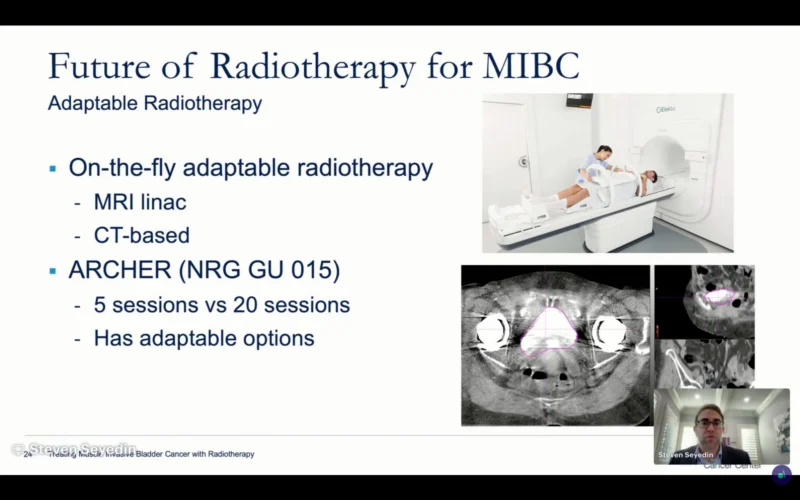
Steven Seyedin: Patient-Tailored Radiotherapy for MIBC
Dr. Steven Seyedin continued the radiotherapy discussion with a session on treating muscle-invasive bladder cancer with a patient-tailored approach. His talk emphasized personalization, including how radiation strategies can be adapted based on patient factors, tumor characteristics, systemic therapy plans, and treatment goals.
Together with the preceding radiation oncology sessions, this part of the summit showed how bladder cancer care increasingly depends on close collaboration between medical oncology, urology, and radiation oncology.
Fed Ghali: BCG-Unresponsive Non-Muscle-Invasive Bladder Cancer
Dr. Fed Ghali focused on BCG-unresponsive non-muscle-invasive bladder cancer, a major clinical challenge in urology and oncology. His session addressed how clinicians approach patients who no longer respond adequately to BCG, including the need to balance disease control, bladder preservation, recurrence risk, and progression risk.
This topic is especially important because BCG-unresponsive disease sits at the crossroads of local therapy, systemic innovation, surveillance, and surgical decision-making.

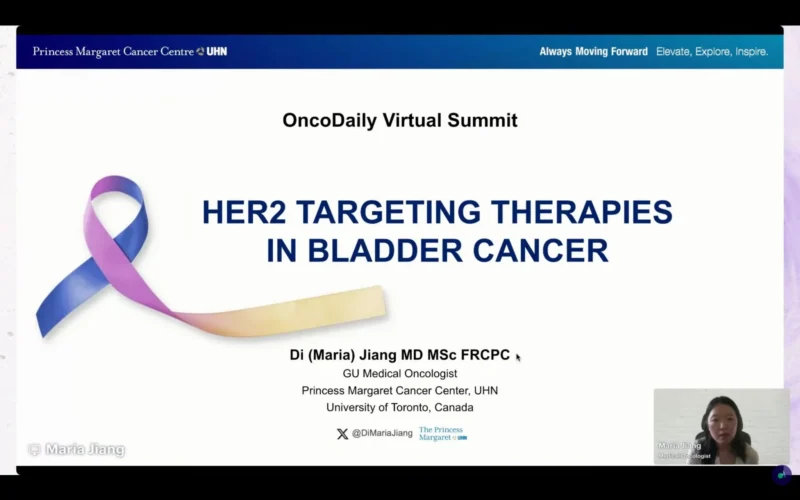
Maria Jiang: HER2-Targeted Therapies in Bladder Cancer
Dr. Maria Jiang presented on HER2-targeting therapies in bladder cancer. Her session reflected the growing interest in molecularly defined treatment strategies for urothelial carcinoma and the potential role of targeted therapies in selected patients.
As biomarker testing becomes more relevant in bladder cancer, HER2-directed approaches may become an increasingly important part of the conversation, particularly in advanced disease and clinical trial development.
Óscar Rodríguez Faba: Non-Muscle-Invasive Bladder Cancer
Dr. Óscar Rodríguez Faba discussed non-muscle-invasive bladder cancer, a disease setting that affects many patients and requires long-term surveillance, risk stratification, and careful management. His session highlighted the importance of accurate diagnosis, recurrence prevention, and individualized treatment planning.
Because NMIBC can range from low-risk disease to high-risk tumors with progression potential, this session reinforced the importance of structured clinical decision-making and risk-adapted care.
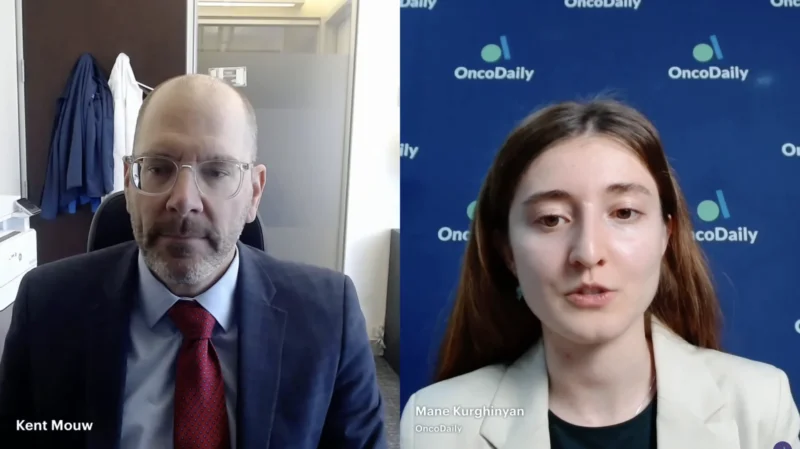
Kent W. Mouw: Advances in Radiation for MIBC
Dr. Kent W. Mouw presented on advances in radiation for muscle-invasive bladder cancer. His session connected bladder cancer biology, DNA repair, translational research, and radiation oncology, showing how scientific understanding may help refine radiotherapy-based strategies.
The inclusion of several radiation-focused sessions demonstrated the growing importance of radiation oncology in modern bladder cancer management, particularly as bladder preservation becomes a more prominent option for selected patients.
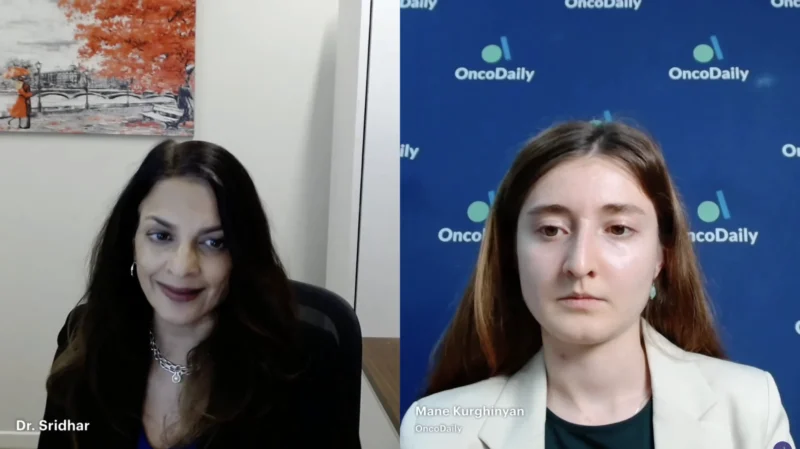
Srikala Sridhar: Managing Metastatic Disease
Dr. Srikala Sridhar closed the scientific program with a session on managing metastatic bladder cancer. Her talk brought together many of the key themes of the summit: new drug development, sequencing of therapies, patient selection, clinical trial evidence, and the need for individualized care in advanced urothelial cancer.
Metastatic bladder cancer remains a difficult disease, but the treatment landscape is changing rapidly. This final session emphasized how clinicians must interpret new evidence while keeping patient goals, treatment access, toxicity, and quality of life at the center of care.
Closing Panel Discussion: Innovations, Challenges, and Global Perspectives
The summit concluded with a closing panel discussion featuring the summit faculty, bringing together perspectives from across medical oncology, urology, radiation oncology, pathology, research, and patient advocacy. The discussion focused on the innovations, challenges, and global realities shaping the future of bladder cancer care.
Faculty members reflected on how the field is moving toward more personalized and multidisciplinary treatment, with increasing attention to immunotherapy, antibody-drug conjugates, HER2-targeted therapies, ctDNA, urine biomarkers, bladder preservation, and modern radiotherapy.
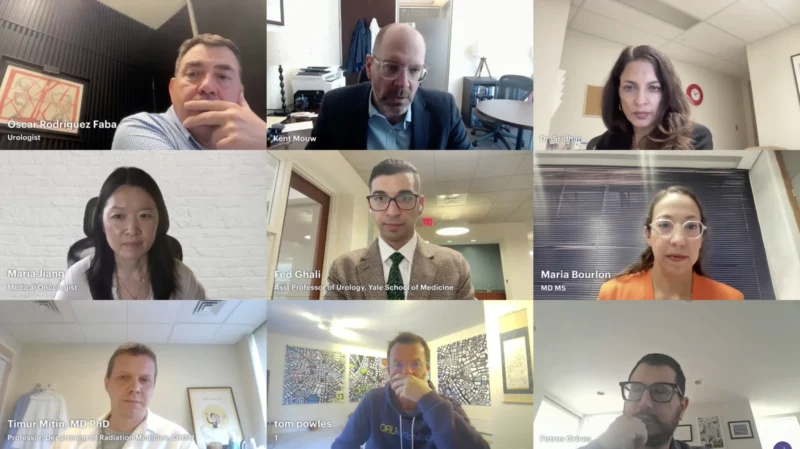
At the same time, the panel emphasized that major challenges remain, including access to novel therapies, regional differences in guideline implementation, care for elderly and frail patients, early diagnosis, survivorship, and equitable delivery of high-quality bladder cancer care worldwide.
The closing discussion reinforced one of the central messages of the summit: progress in bladder cancer depends not only on scientific innovation, but also on collaboration, education, patient-centered care, and the ability to translate evidence into practical treatment strategies across different healthcare settings.
Stay informed with more articles like this on OncoDaily
Written by Nare Hovhannisyan, MD