ASCO 2026 brought together the global oncology community for several days of practice-changing research, clinical discussions, and scientific updates across cancer care. Breast cancer once again had a strong presence, with important data and expert reflections covering early and metastatic breast cancer, HER2-positive disease, hormone receptor-positive breast cancer, triple-negative breast cancer, antibody-drug conjugates, immunotherapy, targeted therapies, perioperative treatment, and emerging biomarkers.
To capture some of the most interesting conversations from the meeting, we selected 15 breast cancer posts from ASCO 2026 not to miss. These posts highlight key studies, expert insights, and meaningful moments shared by oncology professionals during one of the most important cancer meetings of the year.
15 Posts Not To Miss From ASCO 2026
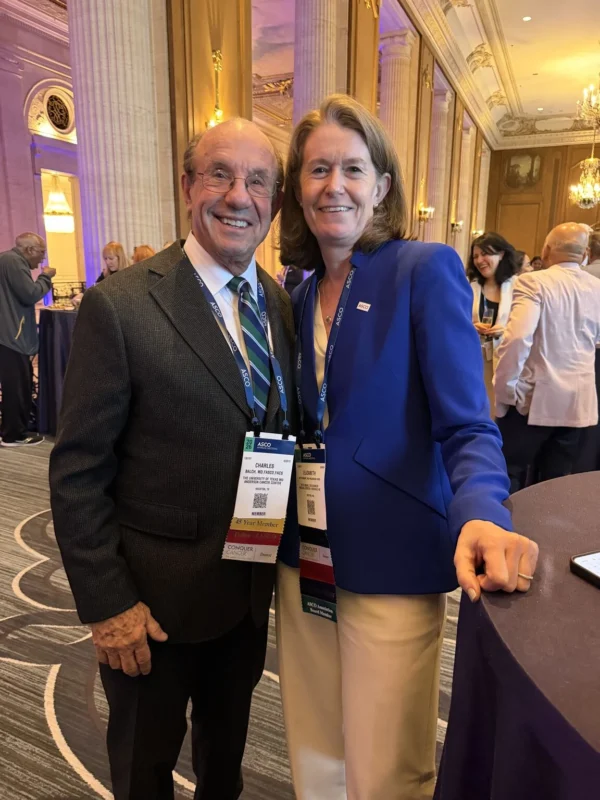
“Congratulations to Dr. Elizabeth Mittendorf on becoming the ASCO President, making her the second surgeon in ASCO’s history to hold this position, following Dr. Bernard Fischer. We take great pride in Beth as a graduate of the UTMDACC Surgical Oncology Fellowship program.
Since 1985, the primary educational objective of the UTMDACC training program has been to select talented individuals who aspire to become leaders in academic surgical oncology. Elizabeth Mittendorf exemplifies this leadership as a premier academic breast surgical oncologist at the Harvard Dana-Farber Cancer Center and as a leader in one of the finest professional oncology societies in the world.
Congratulations, Beth! We are proud of your achievements.”
“Major Advance in Metastatic Triple-Negative Breast Cancer (TNBC)
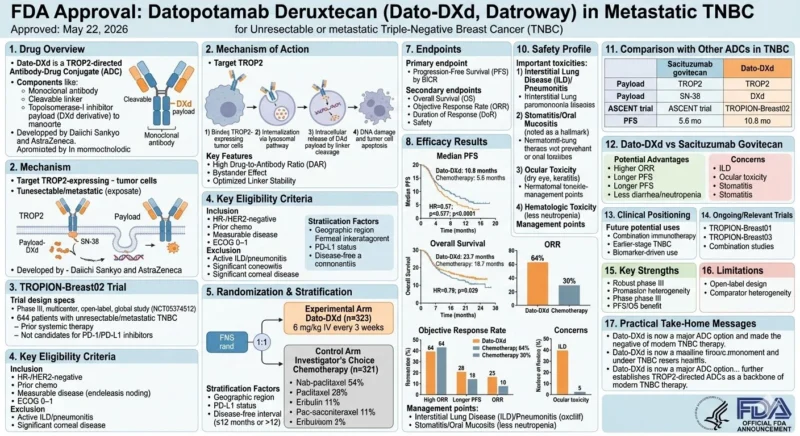
The FDA has approved datopotamab deruxtecan (Dato-DXd, Datroway) for patients with unresectable or metastatic TNBC who are not candidates for PD-1/PD-L1 inhibitor therapy.
This approval is based on the pivotal TROPION-Breast02 trial, and the results are impressive.
Mechanism of Action: Dato-DXd is a TROP2-directed antibody-drug conjugate (ADC), consisting of an anti-TROP2 monoclonal antibody, a cleavable linker, and a topoisomerase-I inhibitor payload (DXd).
After binding to TROP2-expressing tumor cells, the payload is internalized and released intracellularly, causing DNA damage and apoptosis.
TROPION-Breast02 Trial Highlights: The trial included 644 patients with unresectable or metastatic TNBC who were randomized 1:1 to receive Dato-DXd or investigator’s choice chemotherapy, including paclitaxel, nab-paclitaxel, eribulin, capecitabine, or carboplatin.
Primary Endpoint: PFS
Median PFS: 10.8 months vs 5.6 months
HR 0.57
43% reduction in the risk of progression or death
Overall Survival: 23.7 months vs 18.7 months
HR 0.79
ORR: 64% vs 30%
These data position Dato-DXd as a potentially practice-changing ADC in metastatic TNBC.
Key Toxicities: ILD/pneumonitis, stomatitis/oral mucositis, and ocular toxicity.
Early recognition and proactive management remain critical.
Important Takeaways: Dato-DXd showed significant PFS and OS benefit, a remarkable response rate improvement, and further expands the growing role of TROP2 ADCs in breast cancer. It also represents another step toward chemotherapy replacement strategies in TNBC.
The ADC era in breast oncology continues to evolve rapidly.”
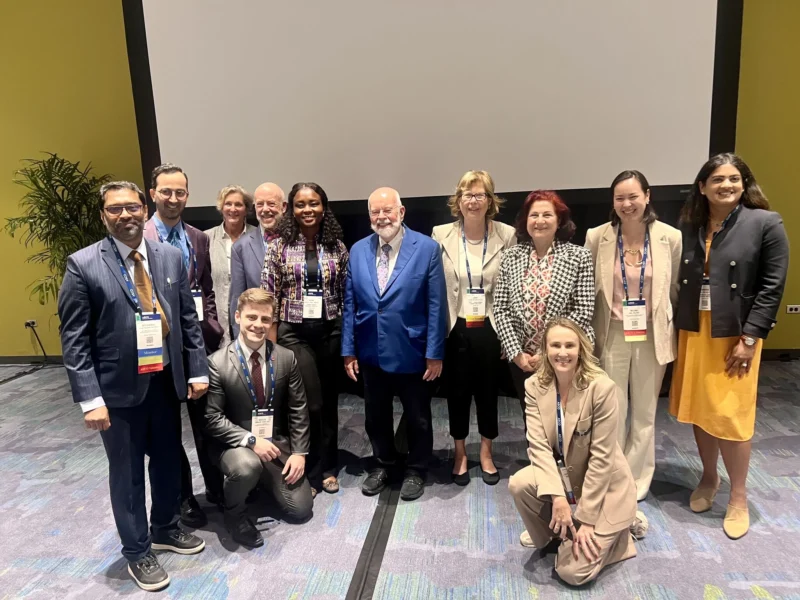
“It has been an honor to serve as faculty and help develop future ASCO leaders worldwide.”
“ASCO 2026 is officially over, and once again, the sheer scale of our collective battle against cancer was on full display. Humanity is fighting this disease on hundreds of different fronts, moving the needle inch by inch.
For me, this meeting was also deeply personal.
My official journey as Global Medical Leader in Breast Cancer at Roche began during ASCO last year. Marking my first-year anniversary this week has made me incredibly grateful for the brilliant, passionate team I have around me.
Alongside the celebration of new data and innovation in cancer care, I left Chicago with a critical reflection.
As a medical oncologist, the vow to “first do no harm” is close to my heart. I think of the many patients I know by name, whose stories I know by heart. And I believe the scientific community needs a fundamental pivot: we must prioritize a patient-centric approach over an “efficacy at all costs” mentality.
During the congress, I watched many presentations highlight impressive efficacy data, only to quickly brush past the toxicity slides. We have to remember that patients do not get a fast-forward button for side effects; they endure those toxicities every single day.
True innovation builds on the work of others, embraces the back-and-forth of scientific debate, and heavily weighs the patient experience. By keeping our science grounded in empathy and quality of life, I know we will eventually reach our ultimate horizon: a world where no one dies from breast cancer.”
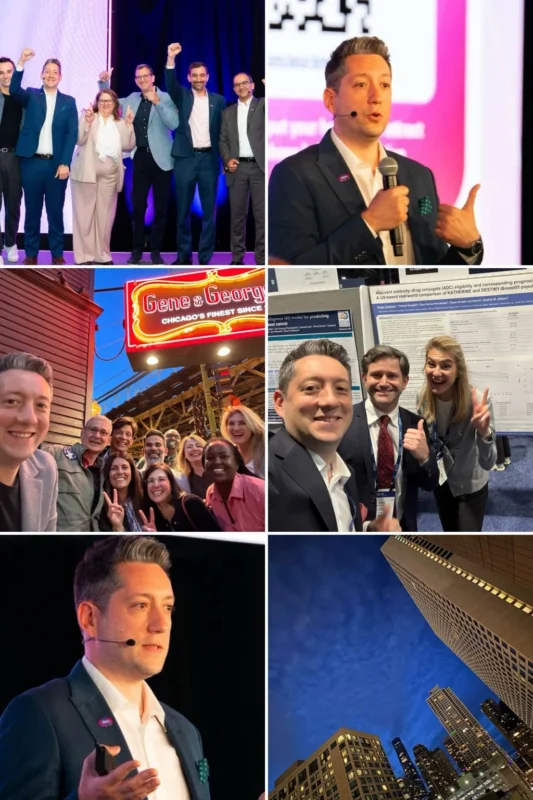
“Day 5 of ASCO 2026, getting ready to head back to San Antonio and reflecting on some of the breast cancer highlights from ASCO 2026.
SERENA-6: ctDNA-detected ESR1 mutations now guide early switch to camizestrant before radiographic progression in HR+/HER2− metastatic breast cancer.
DESTINY-Breast09: T-DXd continues to challenge taxane-based regimens in frontline HER2-positive metastatic breast cancer.
ASCENT-04: Sacituzumab govitecan plus pembrolizumab positions itself as a new first-line standard for PD-L1-positive metastatic triple-negative breast cancer.
TROPION-Breast02: Dato-DXd further defines its role in the TROP2-ADC landscape.
OPTIMA and de-escalation trials: Expanding the use of genomic risk stratification to safely reduce chemotherapy exposure in select patients with early-stage HR+/HER2− disease.”

“Reflecting on an inspiring and thought-provoking ASCO.
For me, the strongest message from this year’s congress was how rapidly the breast cancer treatment landscape continues to evolve, and how important it is that we translate this progress into meaningful value for patients in everyday clinical practice.
Beyond the data, what stayed with me most were the discussions around better understanding patient needs, improving treatment pathways, supporting shared decision-making, and ensuring that innovation reaches the right patients at the right time.
Breast cancer care is becoming increasingly personalized and complex. This makes collaboration across disciplines more important than ever. Oncologists, pathologists, nurses, researchers, patient advocates, and medical teams all play a role in turning scientific progress into better care.
I leave ASCO feeling grateful for the opportunity to learn, connect, and reflect, and motivated to continue contributing to high-quality scientific dialogue in breast cancer.”
“Hot pathology takes from ASCO 2026.
What better way to enjoy a congress than being with like-minded colleagues.
Meet the two ESP alumni who attended ASCO 2026 in Chicago just a few days ago.
João Lobo and Alessandro Gambella were European Society of Pathology ambassadors, both past awardees of the ESP Academy. Under the supervision of Catarina Eloy, they will be preparing the “Highlights from ASCO 2026” session at the ESP Congress.
We will have much to discuss, including huge news about RAS inhibitors for pancreatic cancer, a true game-changer; PARP inhibitors for prostate cancer; promising news for triple-negative breast cancer; new options for squamous cell carcinomas of the lung and head and neck; opportunities for H&E to shine with the help of AI; and commentaries from pathology and oncology key opinion leaders who will be sharing their own insights.
If you are a healthcare professional working in pathology and cancer, you are more than welcome to join us in Stockholm for the “Highlights from ASCO 2026” session.”
“400 Reasons to Celebrate: A Major Milestone in Breast and Endocrine Cancer Care.
I am incredibly proud to share that our Breast and Endocrine Multidisciplinary Team recently discussed our 400th case.
Since our establishment in August 2023, this platform has stood as a testament to the unwavering commitment, resilience, and collaborative spirit of our team members, all working tirelessly to elevate breast cancer care to meet international standards.
Beyond patient care, this multidisciplinary team has evolved into a vital training ground, shaping and inspiring the next generation of cancer caregivers.
During our celebration ceremony, we were honored to have Dr. Muluken Tesfaye, SPHMMC Provost, and Dr. Lemi Belay Tolu, Medical Service and Academic Corporate Director, in attendance. They expressed their deep gratitude and appreciation for the team’s remarkable achievements and reaffirmed their continued support for our mission.
A special thank you to ONCO Pathology Diagnostic Center for sponsoring the session and for their ongoing partnership.
On a personal note, it has been an absolute privilege to lead, contribute to, and continuously learn from this exceptional team over the last few years.
What is next for us? We are currently working on publishing our data to share our experiences, insights, and unique clinical findings with the wider scientific community. Our hope is that this will pave the way for further research and continue to improve patient outcomes.
Thank you to everyone who has been part of this journey.”

“Big week for breast cancer at ASCO 2026. A few highlights from the meeting:
Metastatic
TROPION-Breast02 and ASCENT-03: Two practice-changing TROP2 antibody-drug conjugate options for first-line PD-L1-ineligible triple-negative breast cancer. Subsequent analyses confirm benefit. Two good options.
VIKTORIA-1: Gedatolisib plus fulvestrant beat alpelisib in PIK3CA-mutated second-line HR-positive metastatic breast cancer, with a much cleaner toxicity profile. The triplet did not add anything with palbociclib. Less hyperglycemia and less diarrhea, although stomatitis remains a challenge. This will be a nice doublet option if approved. It is an intravenous drug.
SERENA-6: Switching to camizestrant when an ESR1 mutation is detected on ctDNA, before progression, yielded 51% ctDNA clearance versus 1.9%. Compelling biology. Let’s see what the FDA does.
persevERA: Giredestrant plus palbociclib did not beat letrozole plus palbociclib in first-line HR-positive metastatic breast cancer, with 33.1 versus 28.2 months, p=0.15. The first-line SERD moment has not arrived yet. Metastatic SERD benefit remains in ESR1-mutant disease only.
Early Stage
lidERA: First new adjuvant endocrine therapy in decades. Giredestrant cuts recurrence risk by about 30% across premenopausal and postmenopausal patient subgroup analyses. Premenopausal patients need ovarian function suppression. FDA submission is underway.
KEYNOTE-522 at 7 years: EFS was 78.3% versus 69.8%, and OS was 85.1% versus 77.2%. The benefit is durable and real. However, real-world immune-related adverse event rates can reach up to 54%. We need a biomarker to identify who can safely skip immunotherapy.
OPTIMA: Chemotherapy omission was non-inferior in low genomic-risk, node-positive patients, including N2 disease, using Prosigna. This is practice-changing for postmenopausal patients. For premenopausal patients, the key insight is that chemotherapy benefit in low genomic-risk patients is largely driven by ovarian suppression, not cytotoxicity. More premenopausal N2 data are still needed. Enroll to OFSET.
OASIS-4: Elizanetant improves hot flashes and sleep across tamoxifen, aromatase inhibitor, and GnRH agonist therapy. It is non-hormonal and safe for HR-positive patients. This is an adherence tool we have really needed.
REDUSE: Denosumab every 12 weeks after induction is non-inferior to every 4 weeks for skeletal-related events, with less hypocalcemia, less osteonecrosis of the jaw, and more than 50% reduction in drug costs. Smarter de-escalation with no efficacy tradeoff.
GLP-1 receptor agonists: Real-world data showed a 43% reduction in metastatic progression and a 30% mortality reduction in HR-positive/HER2-negative patients on endocrine therapy plus CDK4/6 inhibitor. This remains observational, but the tumor GLP-1 receptor expression data suggest this may be more than just a metabolic effect. Prospective studies are needed.
Grateful for the science.”
“Final day here at ASCO 2026, with very busy traffic at our EP0062 poster, featuring a first-in-class selective androgen receptor modulator for patients with ER-positive/AR-positive breast cancer.
The amazing Ellipses Pharma team managed two advisory boards, two posters, and multiple meetings with our investigators, collaborators, and partners. It was a very productive ASCO.”
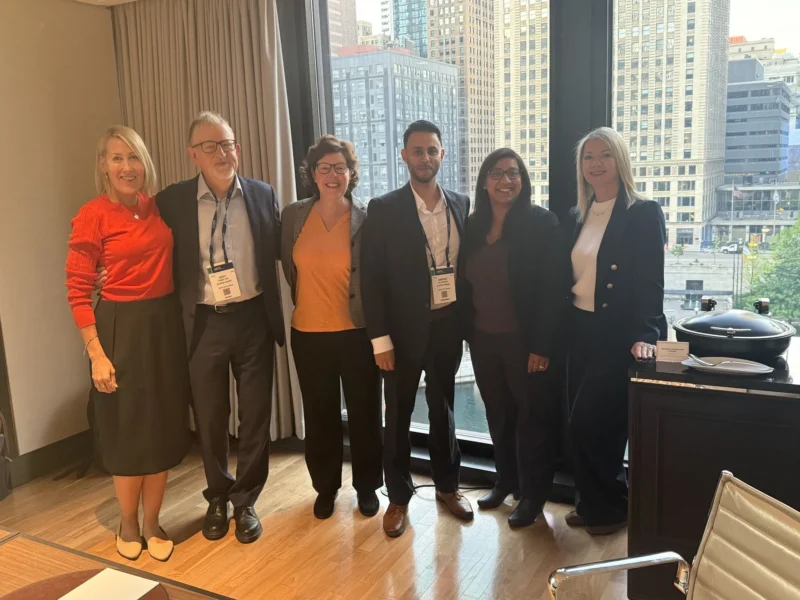
“ASCO is always a reminder of the incredible people behind the science. Feeling lucky to spend time with colleagues whose intelligence, passion, and commitment to patients inspire me every day.
Breast cancer patient advocacy is essential to advancing care and ensuring patients’ voices remain central to everything we do.
So grateful for this amazing group.”
Here is the clean formatted version:
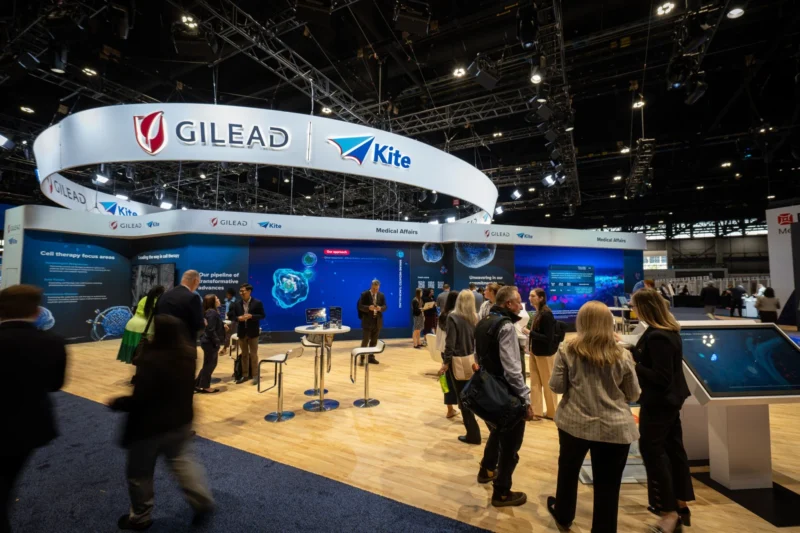
“This year at ASCO 2026, the conversation was not just about the science advancing oncology; it was also about how we design trials to better support the patients who participate in them. One example was our metastatic triple-negative breast cancer data showing longer progression-free survival after next-line treatment, or PFS2, featured in the ASCO press program.
For patients living with metastatic triple-negative breast cancer, where progression can be rapid, these choices matter. In our work at Gilead Sciences, incorporating crossover into trial design was not the easiest path from a data standpoint, but it reflected an important priority: giving patients more opportunities within the study itself.
It was encouraging to hear continued focus on designing studies that mirror the realities patients face and help expand potential treatment opportunities whenever possible.
Thank you to the researchers, clinicians, and advocates whose work and insights continue advancing the data and innovation needed to help bring new treatment options to patients earlier in their care journey.”
Written by Nare Hovhannisyan,MD