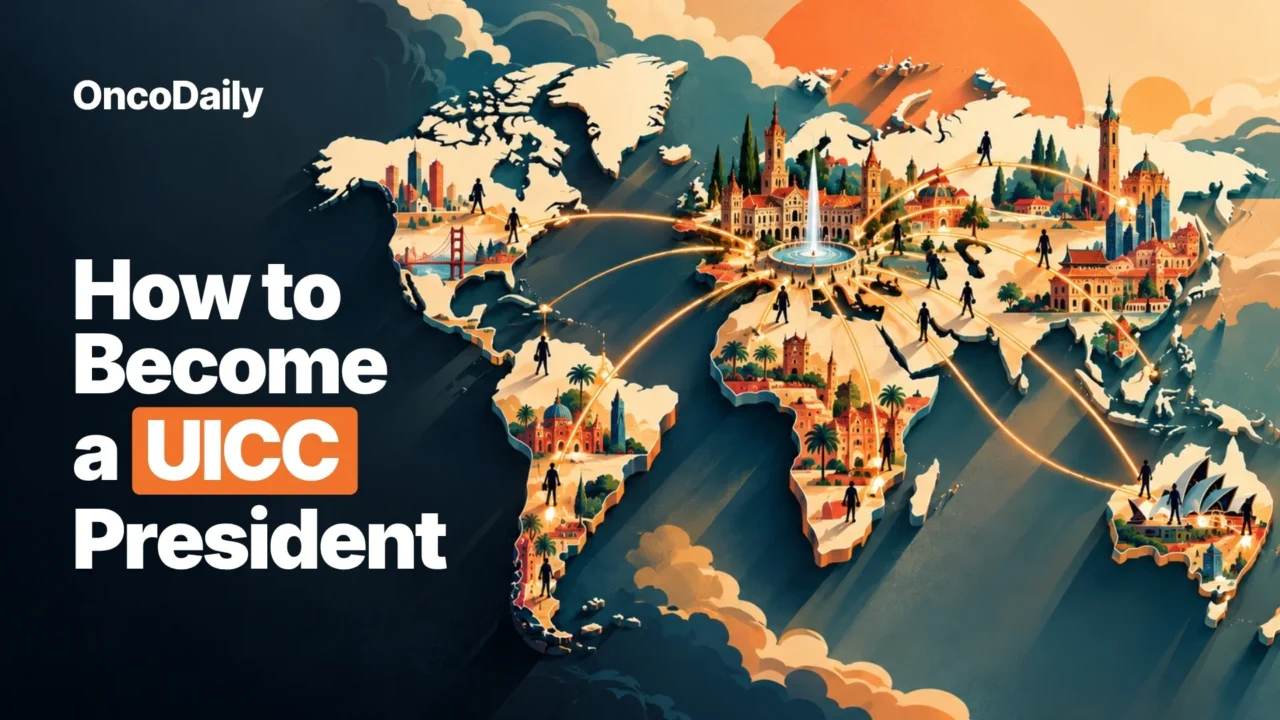
At its General Assembly on 20 October 2026, the Union for International Cancer Control welcomed Zainab Shinkafi-Bagudu as its new President and elected C S Pramesh as President-elect for 2026–2028.
With UICC’s new leadership in place, we decided to return to BIGR’s How to Become series.
This time, we are asking:
How do you become President of the world’s oldest and largest international cancer organization that unites more than 1,100 members across over 170 countries and territories?
Elected by full member organizations, the President-elect serves for two years before beginning a two-year term as President, representing the network and chairing its Board.
There is an official election, of course. But is there a certain path to the job?
There are some tempting theories. Let us see how well they hold up.
First, should you move to Australia?
One would think the president-producing factory of UICC would be Geneva.
Not really.
If nationality were the secret qualification, Australia seems to have cracked the code. Four of UICC’s 24 presidents have been Australian: Nigel Gray, David Hill, Sanchia Aranda and Jeff Dunn. Maybe aspiring candidates should begin with a flight to Melbourne?
To be fair, nationality probably is not their real connection. All four Australians came through the Cancer Council system. Nigel Gray and David Hill led Cancer Council Victoria, Sanchia Aranda became CEO of Cancer Council Australia, and Jeff Dunn led Cancer Council Queensland for almost 15 years.
Well, they need to be oncologists, right?
Missed again.
They were not all oncologists. They were not even all physicians. UICC’s first president, Justin Godart, was a lawyer and politician. Alexander Haddow was an experimental cancer researcher and V. R. Khanolkar, a pathologist.
Later, Sanchia Aranda brought the perspective of an oncology nurse, Jeff Dunn was a behavioural scientist, and Princess Dina Mired, a cancer advocate and former cancer-foundation leader. Ulrika Årehed Kågström came from finance, crisis management and organizational leadership.
And the school theory?
Surely, then, there must be a university that quietly produces UICC presidents.
The university search leads nowhere. Mary Gospodarowicz graduated from the University of Toronto. Jeff Dunn earned his bachelor’s, master’s and doctoral degrees at the University of Queensland. Ulrika Årehed Kågström studied business administration and economics at Luleå University of Technology. Sanchia Aranda began with nursing education in New Zealand and later travelled to London for specialist cancer-nursing training at the Royal Marsden.
There is no presidential alma mater hiding in the list.
Wait for eight decades.
It took 77 years for UICC to elect its first woman president, Mary Gospodarowicz, in 2012. Sanchia Aranda, Princess Dina Mired and Ulrika Årehed Kågström followed, making Ulrika only the fourth woman to hold the office. Zainab Shinkafi-Bagudu took office on 20 October 2026 and became the current president.
So the all-male pattern has finally been broken.
These patterns give us individual dots, not the whole picture. To understand why each president emerged at a particular moment, we need to connect them:
Who are they?
What had they already accomplished?
And what did cancer control need when they arrived?
The birth of UICC
In 1933, cancer work was scattered across national leagues, hospitals and research institutes. Researchers lacked fast ways to exchange findings, cancer statistics could not be compared reliably because diagnostic standards were different across countries, tumor terminology was not unified and effective treatments were limited.
At the International Medical Congress in Madrid, Jacques Bandaline proposed creating “an international organization to promote the fight against cancer.” The motion was approved unanimously.
“Through education and the dissemination of research findings, advance medical and scientific knowledge throughout the world.”
– The goal set out in UICC’s founding motion at the 1933 International Cancer Congress in Madrid.
Two years later, 67 national cancer organizations from 43 countries met in Paris and elected Justin Godart as UICC’s first president.
The first president was not a doctor. That was the point.
Godart was not a clinician. He was a French lawyer, politician and former minister. The connection to medicine became personal through service. In 1914, Godart worked as a nurse at the front. The following year, he entered France’s military health service. There, he encountered the plight of soldiers with cancer.
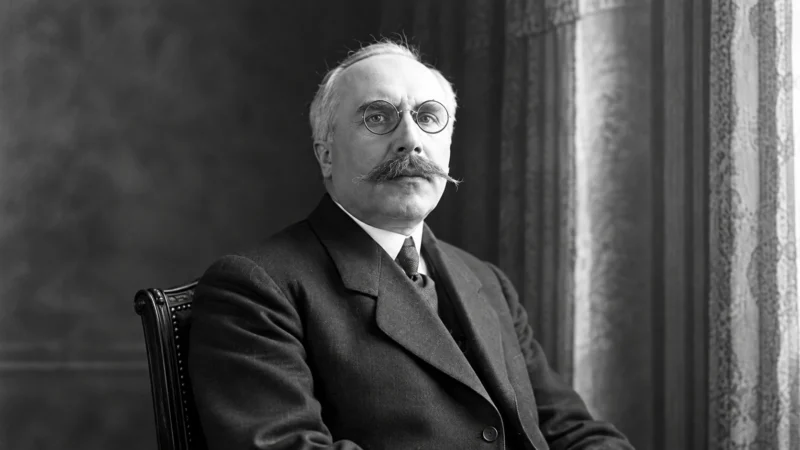
“Because it is a social ill, society must combat it.”
– Justin Godart, Ligue contre le cancer.
UICC’s first great problem was organizational: someone had to convince institutions and countries to cooperate.
War soon tested that ambition. UICC suspended its activities after its 1939 Congress. When the Second World War ended, Godart contacted the surviving members of its Executive Committee and turned to American colleagues for help rebuilding the network. Their support allowed UICC to reconvene in St. Louis in 1947.
Godart remained president from 1935 until 1953. Eighteen years is exceptional, by today’s two-year standard, less a presidential term but rather a dynasty.
Was he elected to solve the political rupture of his age? Maybe. Maybe not.
But he knew law, politics, negotiation, and how to give cancer science a structure capable of surviving geopolitical collapse.
The staging language for cancer: Legacy of and Mary Gospodarowicz
Pierre Denoix began this work in 1943, not in an international conference room but in wartime France. The young breast surgeon and member of the French Resistance was asked to study cancer incidence and how advanced tumors were when patients reached treatment centres. The records collected across France did not follow one common system. Denoix created one.
UICC formed its TNM committee in 1953. Denoix became Director of Gustave Roussy in 1956 and UICC President in 1973: 30 years after receiving the assignment that started it all.
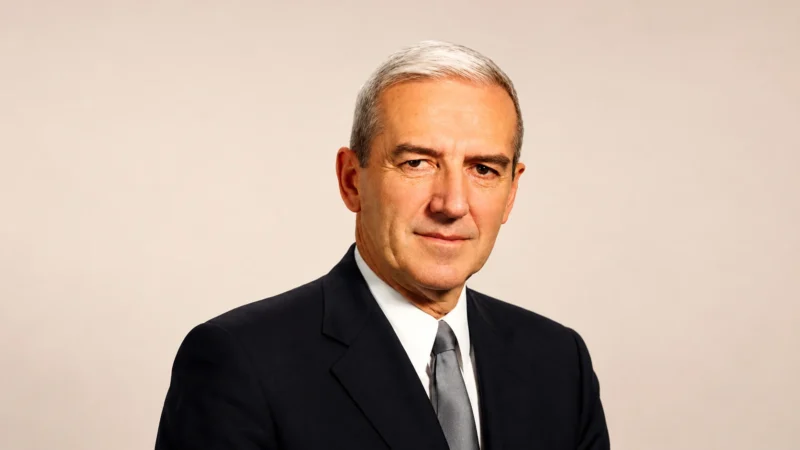
“Only a coordinated approach to all the problems … can lead to real progress.”
– Denoix, reflecting on UICC’s purpose in its 50th-anniversary publication in 1983.
Decades later, Mary Gospodarowicz encountered the problem from the other direction. Born in Poland and educated partly in Toronto, she entered cancer staging through the Canadian Committee on Cancer Staging in the late 1980s and joined UICC’s TNM project in the early 1990s.
She discovered several competing staging systems, some used only by the institutions that created them, and, while trying to preserve anatomical staging, she also incorporated a prognostic staging system.
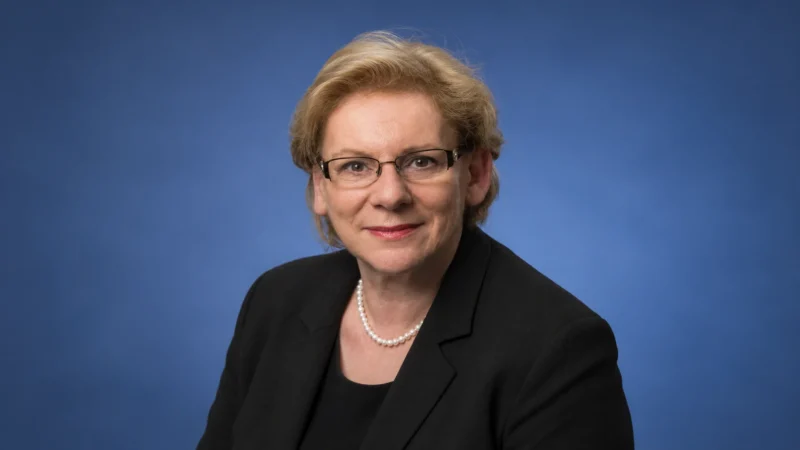
“I naively thought there was an international organization responsible for such medical standards.”
– Gospodarowicz recalled in a Cancerworld interview published in 2012.
She later became the co-chair of UICC’s TNM project, worked to broaden its international reach and was elected UICC President in 2012.
Umberto Veronesi: Challenge the tradition
Umberto Veronesi was not satisfied with performing the operation surgeons had inherited. In 1973, he began a trial asking whether women with small breast tumors could avoid losing the entire breast without reducing their chances of survival.
He became the Scientific Director of Milan’s National Cancer Institute in 1976 and, two years later, the UICC President, while the trial was still running. Its results, published in 1981, showed comparable survival after quadrantectomy and radiotherapy or radical mastectomy.
Veronesi’s career was built around a stubborn idea: treatments should become less destructive when evidence allowed it. His presidency carried that logic beyond surgery – research mattered only if countries could understand one another and act on the same evidence.
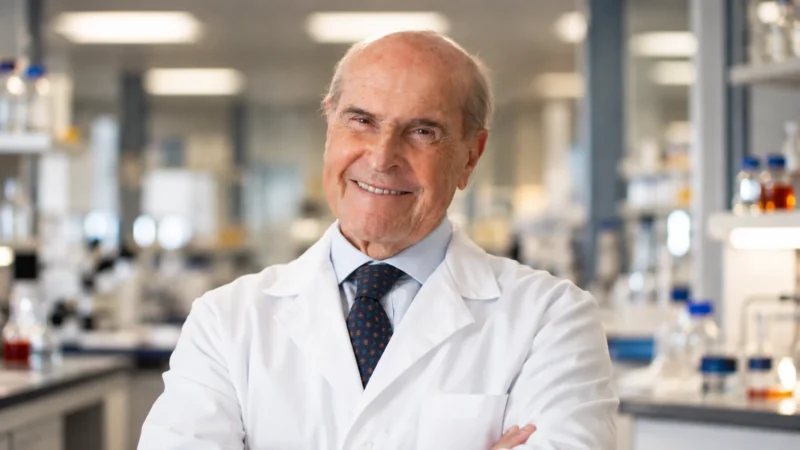
“A common scientific currency would be desirable, perhaps UICC can provide it.”
– Veronesi, writing in the prologue to UICC’s 50th-anniversary publication in 1983.
Sanchia Aranda: Take the wrong turn and keep going
Sanchia Aranda did not plan to enter oncology. After training as a nurse in New Zealand, she moved to Australia intending to work in burns. Instead, she was placed in a medical unit that included an oncology section.
It was 1979, when chemotherapy was still new in Australia, and the accidental assignment became a career. Aranda found herself caring for people with leukaemia, lymphoma and an increasing number of solid tumors. The relationships she developed with patients convinced her that cancer would become the focus of her career.
She pursued specialist cancer-nursing education at the Royal Marsden, moved from the ward into research and attended her first UICC World Cancer Congress in Budapest in 1986.
She became President in 2016: 30 years after that first Congress.
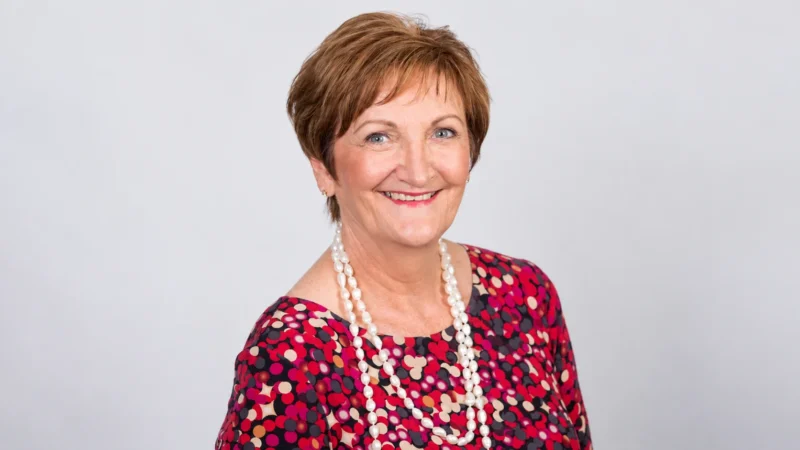
“I believe that is also a trait that has characterised my career:
always looking for new platforms where I could have a bigger impact.”
Nigel Gray: Make the Advertisement They Refuse to Air
Nigel Gray began his career as a paediatrician. In 1968, he left hospital medicine to lead what became Cancer Council Victoria and chose tobacco as the fight that could prevent the greatest number of cancers.
In 1971, Gray and advertising executive Fred Parslow created a parody of the Marlboro Man. Australian television stations refused to broadcast it while accepting money from tobacco advertising. Gray did not abandon the campaign. He turned to behavioural research, health warnings, legislation and the evidence needed to confront the industry on its own ground.
In 1987, Victoria passed legislation restricting tobacco advertising and created VicHealth, which replaced tobacco sponsorship in sport and the arts. By then, Gray had also taken his campaign into UICC: he began working through its tobacco-control structures in 1975 and became President in 1994.
His approach was measured, evidence-driven – and uncompromising once the evidence was clear.
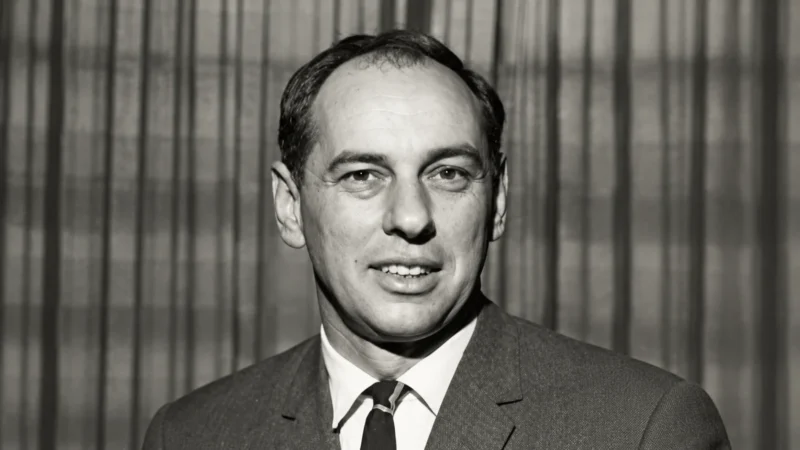
“I think they should be regulated every which way.”
– Gray, writing about tobacco products in a Tobacco Control editorial in 2006.
HRH Princess Dina Mired: Return for those who could not leave
“I didn’t choose cancer. It was never on my radar. But cancer chose our family.”
In 1997, Princess Dina Mired’s son was diagnosed with leukaemia before his second birthday. Her family had the means to travel from Jordan to the United Kingdom and later the United States for treatment. He survived, but their ability to leave Jordan exposed an inequality she could no longer ignore.
When Dina returned to Jordan, she became Director-General of the King Hussein Cancer
Foundation. The cancer centre already existed, but the advocacy and fundraising operation needed to sustain and expand it, did not. She built that work, mobilising donors and the public while developing the foundation into an internationally recognised cancer organization.
Her son’s treatment also changed how she understood global cancer inequality. The same childhood cancer could be highly curable in one health system and fatal in another.
“There are children in Africa dying of leukemia that my son had.”
In 2018, Dina became UICC’s first Arab and first non-medical President. During her years as President-elect and President, she travelled extensively to meet political leaders, cancer organizations, volunteers, patients and healthcare professionals. She advocated for cancer’s inclusion in universal health coverage, supported the City Cancer Challenge and promoted international commitments on cervical and childhood cancer.

Her presidency ended in 2020 as COVID-19 disrupted cancer care and forced UICC to move its programmes online. Looking back, she rejected the idea that its achievements belonged to a single leader:
“UICC’s achievements represent the sum of our parts, members and partners alike.”
Jeff Dunn: The president who became the patient
By the time Jeff Dunn was elected UICC President, he had spent decades studying cancer control, psychosocial care and survivorship. He had also served on UICC’s Board for ten years.
Then, in August 2022, two months before he was due to become president, Dunn was diagnosed with advanced mantle cell lymphoma. Without treatment, he was told that his survival could be measured in weeks.
He could not travel to the World Cancer Congress in Geneva. Instead, he took office from Australia while undergoing treatment. Chemotherapy and an autologous stem-cell transplant brought the lymphoma into remission, but treatment severely weakened his immune system. He later developed an infection caused by bacteria resistant to multiple antibiotics.
“I never expected to be diagnosed with cancer during my tenure as UICC President, nor to complete an autologous stem cell transplant while serving in the role!”
– Dunn wrote in UICC’s 2023 Annual Report, published in May 2024.
The diagnosis put Dunn inside the systems he spent his career examining.
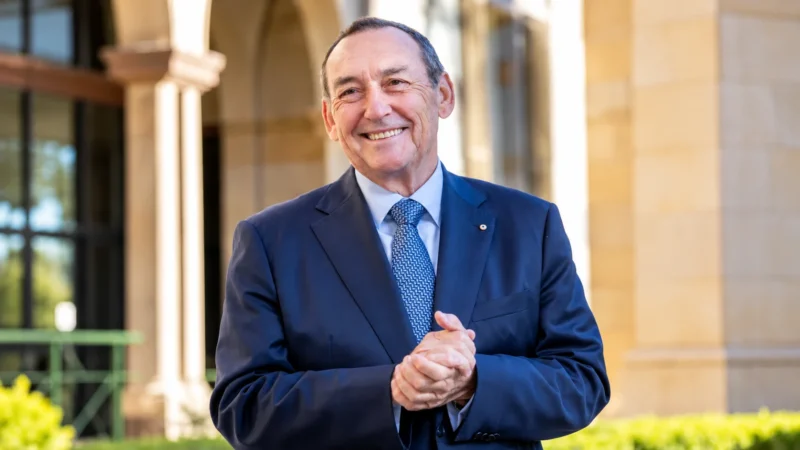
“This diagnosis brought a new perspective to my work in cancer control. I experienced firsthand the importance of access to world-class treatment and the critical role of research in developing new therapies. ”
– he reflected in a UICC blog published on 23 September 2024, as his two-year presidency approached its end.
HE Zainab Shinkafi-Bagudu: Bring the view from the other side of the world
HE Zainab Shinkafi-Bagudu’s path did not remain inside pediatrics. She established Abuja’s first comprehensive diagnostic centre and later founded the Medicaid Cancer Foundation to address the barriers preventing Nigerians from finding and affording cancer care.
Her route to UICC passed through almost every layer of cancer control: clinical medicine, diagnostics, civil society and government. By the time she stood for President-elect in 2024, she had practised medicine for 30 years, led a diagnostic centre for 18, run a cancer foundation for 15 and served six years on UICC’s Board.
On 20 October 2026, she became UICC’s first African woman president. Her central question is the defining one for cancer control today: how can scientific progress reach people whose geography, income or health system still places it beyond their reach?
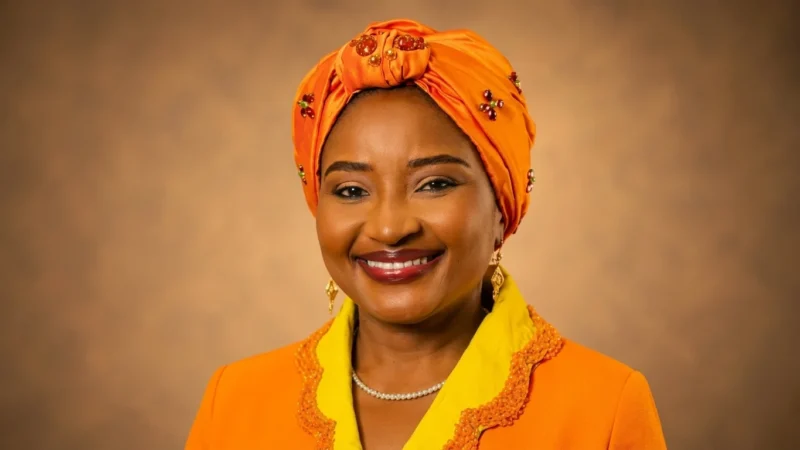
“I will be an interactive leader who will lean on your experiences, insights, and energies to guide the UICC in the years to come.”
– Shinkafi-Bagudu, accepting her election as President-elect at UICC’s General Assembly on 8 October 2024.
So, how do you become UICC President?
First, build something before asking to lead it.
Build a staging system, a prevention policy, a research program, a cancer institution, a diagnostic service, or an advocacy movement. UICC has repeatedly chosen people who had already turned an idea into something others could use.
Second, become bilingual, not necessarily in languages, but in worlds.
Learn to move between evidence and policy, clinicians and patients, national organizations and global institutions, and high-resource ambitions and low-resource constraints.
UICC’s problems rarely remain purely scientific.
Third, stay.
Attend the congresses. Join the technical projects. Serve on committees and the Board. Learn how the organization works and build trust before seeking its highest position. For many presidents, this process took decades.
Finally, bring the problem your era cannot avoid: diplomacy during political rupture, standardization as oncology expanded, tobacco control, equity, pandemic leadership, the patient perspective, crisis management, or the experience of building cancer services where resources remain limited.
There is no presidential zodiac sign, shared university, or required medical degree. The strongest pattern is usefulness sustained over time: build something, learn to translate across worlds, and remain long enough to earn trust.
And if all else fails, Australia still seems worth a try.
About BIGR
This study was conducted by the Boston Institute for Global Rankings (BIGR) – an academic initiative dedicated to transparent, data-driven evaluation of excellence in universities, medical centers, and healthcare professionals worldwide. With a focus on performance, impact, and innovation, BIGR aims to create meaningful global benchmarks for the future.
Think BIGR
Article by Mariam Harutyunyan,
Deputy Managing Editor, OncoDaily,
Associate Editor, OncoDaily Magazine
Data by Aren Petrosyan,
Rankings and Analytics Lead of BIGR
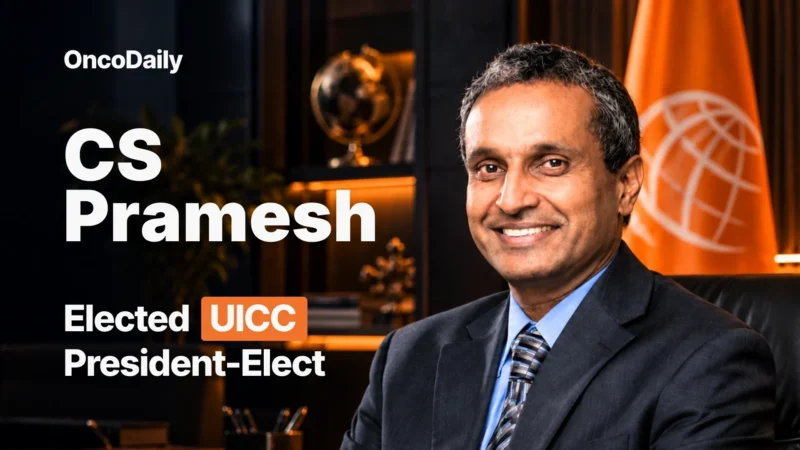
You can also read “C. S. Pramesh Has Been Elected UICC President-Elect for the 2026-2028 Term”
Read in the OncoDaily Magazine October Issue:
“The Cancer Center of the Future Will Be Virtual First”