





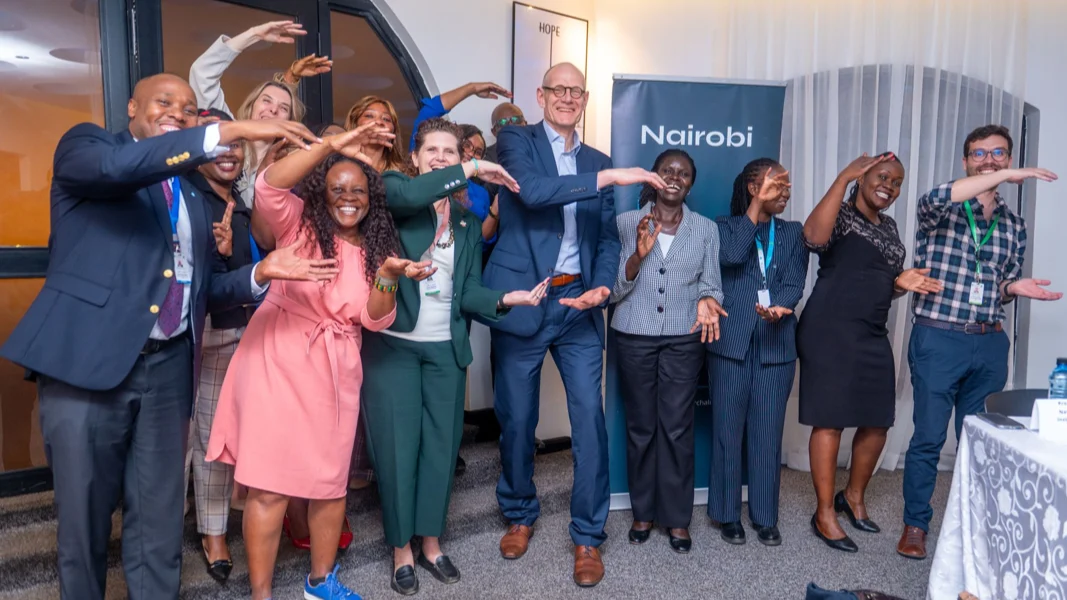
City Cancer Challenge (C/Can) hosted a roundtable discussion, bringing together senior Oncology leaders from Kenya, representatives from KENCO, and key C/Can partners on 28th April 2026
REPORT OF THE C/CAN NAIROBI BI-ANNUAL MEETING
Nairobi Cycle 1 City Programme Review Meeting
1. Introduction
Nairobi’s cancer care landscape continues to evolve as one of the most important oncology ecosystems in East Africa, serving not only residents of the city but also patients referred from across Kenya and neighboring countries. As the country’s principal hub for specialized diagnostics, radiotherapy, systemic therapy, surgical oncology, pediatric oncology, and palliative care, Nairobi plays a central role in shaping national cancer outcomes.
However, the growing cancer burden, rising demand for specialized services, late-stage presentation of patients, workforce shortages, fragmented referral systems, high out-of-pocket costs, and uneven access to quality care continue to place significant pressure on the health system. Despite these challenges, ongoing reforms, multi-sectoral partnerships, investments in digital health and oncology infrastructure, and collaborative initiatives such as the City Cancer Challenge Foundation programme are creating important opportunities to strengthen coordination, improve quality of care, and build a more equitable, patient-centred, and resilient cancer care ecosystem for Nairobi and the wider region.
The Nairobi Bi-Annual Meeting for the Cycle 1 City Programme of City Cancer Challenge Foundation (C/Can) was convened to review progress across the eleven thematic projects under implementation, assess key achievements and challenges, provide strategic guidance for implementation, and align stakeholders on the next phase of the city programme, including preparation for the mid-cycle assessment. The meeting brought together representatives from the Nairobi City County Government, Ministry of Health, healthcare institutions, project coordinators, technical experts, academia, civil society organizations, development partners, and the C/Can global and regional teams. The engagement provided a platform for reflection on implementation progress, strengthening coordination among stakeholders, and identifying priority actions required to accelerate improvements in cancer care delivery within Nairobi.
The discussions were informed by the draft Nairobi Situation Analysis Report (SAR), which consolidated findings from the city-wide needs assessment and outlined the major governance, diagnostic, treatment, workforce, financing, palliative care, and health information system challenges affecting cancer care services in Nairobi.
2. Background on City Cancer Challenge (C/Can)
City Cancer Challenge Foundation (C/Can) is a global foundation established in 2017 with the mission of improving access to equitable, quality cancer care in cities across low- and middle-income countries. The initiative recognizes that urban centers serve as critical hubs for cancer diagnosis, treatment, referral, workforce development, and health system innovation, particularly in rapidly urbanizing regions where the burden of cancer continues to increase. C/Can works through a city-led and multi-stakeholder model that supports local governments, healthcare institutions, civil society organizations, academia, and technical partners to jointly identify cancer system gaps and co-develop sustainable solutions tailored to local contexts. Rather than implementing vertical disease programmes, the organization focuses on strengthening the broader cancer care ecosystem across the continuum of care, including governance, diagnostics, treatment services, palliative care, health information systems, financing, and workforce capacity.
The C/Can engagement framework follows a structured implementation process that includes:
- City engagement and stakeholder mobilization
- Needs assessment and situational analysis
- Prioritization of interventions
- Development and implementation of city projects
- Monitoring, evaluation, and learning
- Sustainability and local ownership mechanisms
Nairobi joined the C/Can network as part of the UICC global effort to strengthen urban cancer systems and improve access to quality oncology care. The Nairobi programme is organized around eleven strategic projects designed to address key system bottlenecks across cancer prevention, diagnosis, treatment, palliative care, financing, digital health systems, and community engagement. The primary aim of the City Cancer Challenge Foundation (C/Can) programme in Nairobi is to strengthen the city’s cancer care ecosystem by improving access to equitable, quality, timely, and patient-centred cancer services across the entire continuum of care.
The programme seeks to support Nairobi in developing a coordinated and sustainable urban cancer care model through a multi-stakeholder approach involving government institutions, healthcare providers, academia, civil society organizations, technical experts, and development partners.
Specifically, the Nairobi C/Can programme aims to:
- Strengthen governance and coordination of cancer services across public and private sectors
- Improve access to quality diagnostics, treatment, radiotherapy, surgery, pathology, and palliative care services
- Enhance workforce capacity through specialized oncology training and professional development
- Improve health information systems, cancer registries, and digital interoperability
- Reduce financial and systemic barriers that contribute to delayed diagnosis and treatment abandonment
- Promote multidisciplinary and patient-centred approaches to cancer management
- Strengthen referral systems and continuity of care across institutions and levels of service delivery
- Support evidence-based planning and policy development for cancer control
- Build sustainable local capacity for long-term cancer systems strengthening
In Nairobi specifically, the programme recognizes the city’s strategic role as Kenya’s principal oncology referral and training hub. As such, the initiative is designed not only to improve cancer care services within Nairobi City County but also to strengthen systems that influence cancer outcomes nationally and regionally.
The broader vision is to help Nairobi develop an integrated, resilient, and equitable cancer care system capable of delivering high-quality oncology services while serving as a model for urban cancer systems strengthening in Africa.
The programme is implemented through a collaborative governance structure involving:
- City Executive Committee (CEC)
- City Technical Committee (CTC)
- Project Coordinators and thematic teams
- C/Can technical and global support teams
- International and local technical partners
The overarching goal is to strengthen Nairobi’s cancer care ecosystem through sustainable, evidence-driven, and patient-centred interventions aligned with Kenya’s Universal Health Coverage agenda and National Cancer Control Strategy.
3. Meeting Objectives
The meeting held on 29th April sought to achieve the following objectives:
- Review progress across all projects under the C/Can Cycle 1 City Programme, including:
Key achievements
Current implementation challenges
Critical support needs required to advance implementation - Provide strategic guidance and make decisions where necessary to ensure effective project execution and coordination.
- Align stakeholders on the next steps for the city programme, including preparation for the upcoming mid-cycle assessment.
4. Overview of the Nairobi Cycle 1 City Programme
The Nairobi City Programme consists of eleven thematic projects aimed at improving the accessibility and quality of cancer care services:
- Health Management and Information Systems
- Quality of Care
- Cancer Care Financing
- Diagnostic Imaging
- Pathology and Clinical Laboratory
- Cancer Surgery
- Systemic Therapy
- Radiotherapy
- Paediatric Oncology
- Palliative Care
- Community & Patient Access
The projects collectively address system-wide challenges related to governance, diagnostics, treatment services, workforce development, financing, quality assurance, digital health integration, and patient-centred care.
5. Summary of Discussions and Progress Across Projects
5.1 Health Management and Information Systems
The project reported progress in assessing digital health systems and interoperability across cancer care institutions. Discussions emphasized the importance of harmonized cancer registration systems and standardized oncology data reporting to improve decision-making and disease surveillance.
Challenges highlighted included:
- Fragmented electronic medical record systems
- Limited interoperability across facilities
- Weak cancer data governance structures
Stakeholders recommended development of a city-wide digital harmonization roadmap and establishment of a minimum oncology data set.
5.2 Quality of Care
The Quality of Care project focused on streamlining multidisciplinary team (MDT) operations across public and private facilities.
Key progress areas included:
- Development of MDT operational guidelines
- Discussions on standardized referral pathways for breast and prostate cancer
Challenges identified included:
- Inconsistent MDT participation
- Limited formal institutionalization of MDT processes
- Weak referral coordination between facilities
The meeting emphasized the need for harmonized MDT operational procedures and structured referral systems.
5.3 Cancer Care Financing
The financing project focused on assessing out-of-pocket expenditure incurred by cancer patients and generating evidence to inform financing reforms.
Key concerns raised included:
- High patient financial burden
- Inadequate insurance coverage for specialized oncology services
- Treatment abandonment associated with economic hardship
Stakeholders underscored the importance of generating evidence to support reforms under the Social Health Authority (SHA) financing framework.
5.4 Diagnostic Imaging
The Diagnostic Imaging project reported progress in:
- Capacity development for imaging professionals
- Standardization of oncology imaging protocols
Challenges discussed included:
- Frequent equipment downtime
- Limited maintenance support
- Shortage of specialized radiology personnel
- Weak integration of radiology systems into broader oncology workflows
Recommendations included expanding training programmes and strengthening quality assurance systems.
5.5 Pathology and Clinical Laboratory Services
Discussions highlighted persistent challenges in pathology and laboratory services, including:
- Delays in pathology reporting
- Equipment breakdowns
- Reagent shortages
- Weak laboratory information systems
- Limited molecular diagnostic capacity
The meeting emphasized strengthening pathology workflow systems, quality assurance mechanisms, and specialized workforce development.
5.6 Cancer Surgery
The Cancer Surgery project focused on developing standardized quality assurance frameworks for oncology surgery.
Challenges highlighted included:
- Limited specialized surgical oncology expertise
- Delays in referral and surgical intervention
- Weak perioperative coordination systems
Stakeholders recommended strengthening multidisciplinary surgical pathways and expanding specialized oncology surgical training.
5.7 Systemic Therapy
The Systemic Therapy project reported progress in strengthening oncology workforce skills and improving treatment administration practices.
However, major concerns remained around:
- Oncology medicine stock-outs
- Inadequate chemotherapy preparation infrastructure
- Limited oncology nursing capacity
- Financial barriers affecting treatment continuity
The meeting emphasized strengthening medicine supply systems and improving patient financial protection.
5.8 Radiotherapy
The Radiotherapy project focused on technical training and capacity strengthening for radiotherapy personnel.
Challenges identified included:
- Frequent LINAC downtime
- Shortages of medical physicists and radiation technologists
- Long waiting times for radiotherapy services
Recommendations included improving maintenance systems, strengthening technical workforce pipelines, and expanding quality assurance mechanisms.
5.9 Paediatric Oncology
The Paediatric Oncology project emphasized strengthening childhood cancer care and early referral systems.
Challenges highlighted included:
- Delayed diagnosis
- Limited specialized paediatric oncology personnel
- Financial and logistical barriers affecting treatment completion
The meeting recommended expanding early warning and referral systems and strengthening family support mechanisms.
5.10 Palliative Care
The Palliative Care project focused on improving integrated palliative care services.
Key challenges discussed included:
- Limited access to specialized palliative care services
- Weak integration between oncology and palliative care
- Limited workforce recognition and training pathways
Stakeholders emphasized the need for stronger integration of palliative care across the cancer continuum.
5.11 Community and Patient Access
The Community & Patient Access project focused on strengthening the role of Civil Society Organizations (CSOs) and patient support groups.
Key progress areas included:
- Community awareness initiatives
- Development of patient educational materials
- Capacity building for CSOs
Challenges included:
- Limited patient navigation systems
- Treatment abandonment
- Low public awareness on cancer services
The meeting emphasized the need to strengthen patient-centred support systems and community engagement.
6. Key Cross-Cutting Challenges Identified
Several recurring challenges emerged across the projects:
- Fragmented coordination systems
- Workforce shortages
- Weak referral pathways
- Equipment downtime and maintenance gaps
- Fragmented health information systems
- Financial toxicity and high out-of-pocket expenditure
- Limited interoperability of digital systems
- Inadequate integration of multidisciplinary care
- Delays in diagnosis and treatment initiation
7. Strategic Guidance and Decisions
- The meeting provided strategic guidance in several areas, including:
- Strengthening implementation coordination mechanisms
- Enhancing monitoring and reporting systems
- Accelerating development of standardized protocols and guidelines
- Improving alignment between thematic projects
- Strengthening evidence generation for policy advocacy
- Enhancing stakeholder engagement and accountability
A major outcome was the recognition of the need for additional implementation support capacity at city level to strengthen programme coordination and resource mobilization.
8. Mid-Cycle Assessment Preparation
Stakeholders agreed on the need to strengthen preparedness for the upcoming mid-cycle assessment through:
- Consolidation of implementation evidence
- Improved project reporting
- Clear tracking of outputs and indicators
- Strengthened documentation of achievements and lessons learned
- Better coordination between project teams
The Situation Analysis Report (SAR) was recognized as a foundational document that will guide future prioritization and programme evaluation.
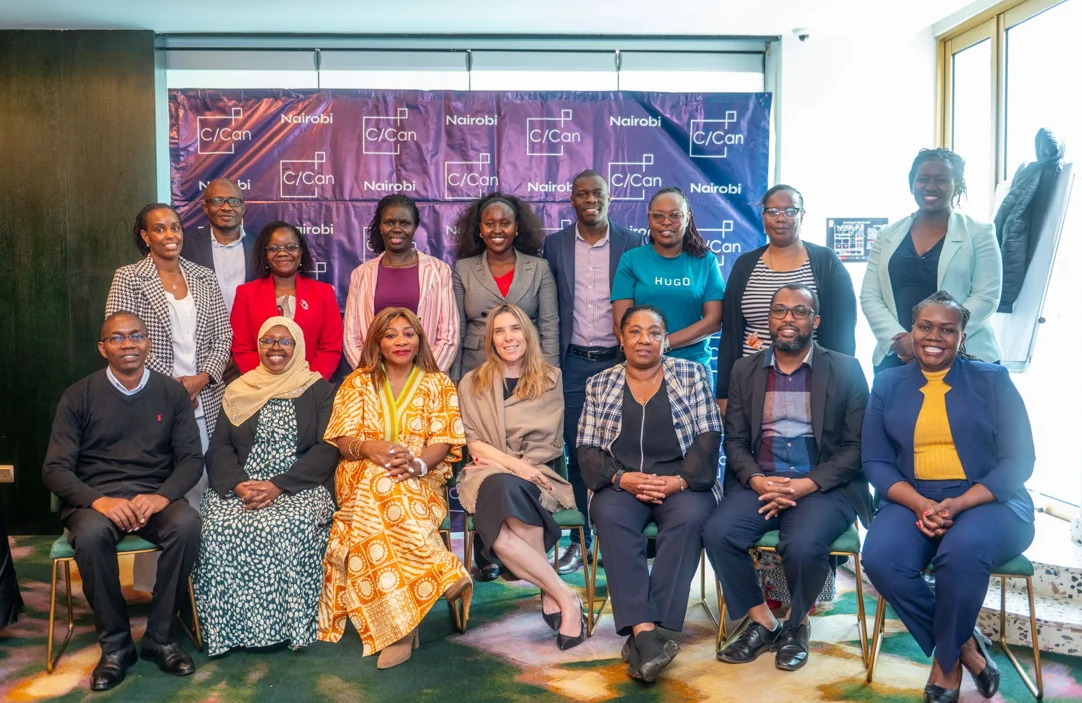
C/Can Global Leadership with 11 local Nairobi project leads. KENCO leads community and patient access component
9. Conclusion
The Nairobi C/Can Bi-Annual Meeting provided an important opportunity for stakeholders to review progress, reflect on implementation challenges, and align strategic priorities for the next phase of the city programme. The discussions reaffirmed the strong commitment of participating institutions toward strengthening equitable and quality cancer care services within Nairobi.
While notable progress has been made across multiple thematic areas, significant system-level challenges remain, particularly in coordination, financing, workforce capacity, diagnostics, digital health integration, and treatment continuity. Addressing these gaps will require sustained collaboration among government institutions, healthcare providers, technical experts, academia, civil society organizations, and development partners.
The meeting further reinforced the importance of strengthening city-level implementation capacity, improving accountability structures, and advancing evidence-driven cancer systems strengthening interventions that are sustainable, patient-centered, and aligned with Kenya’s broader health sector priorities.
More post about City Cancer Challenge.