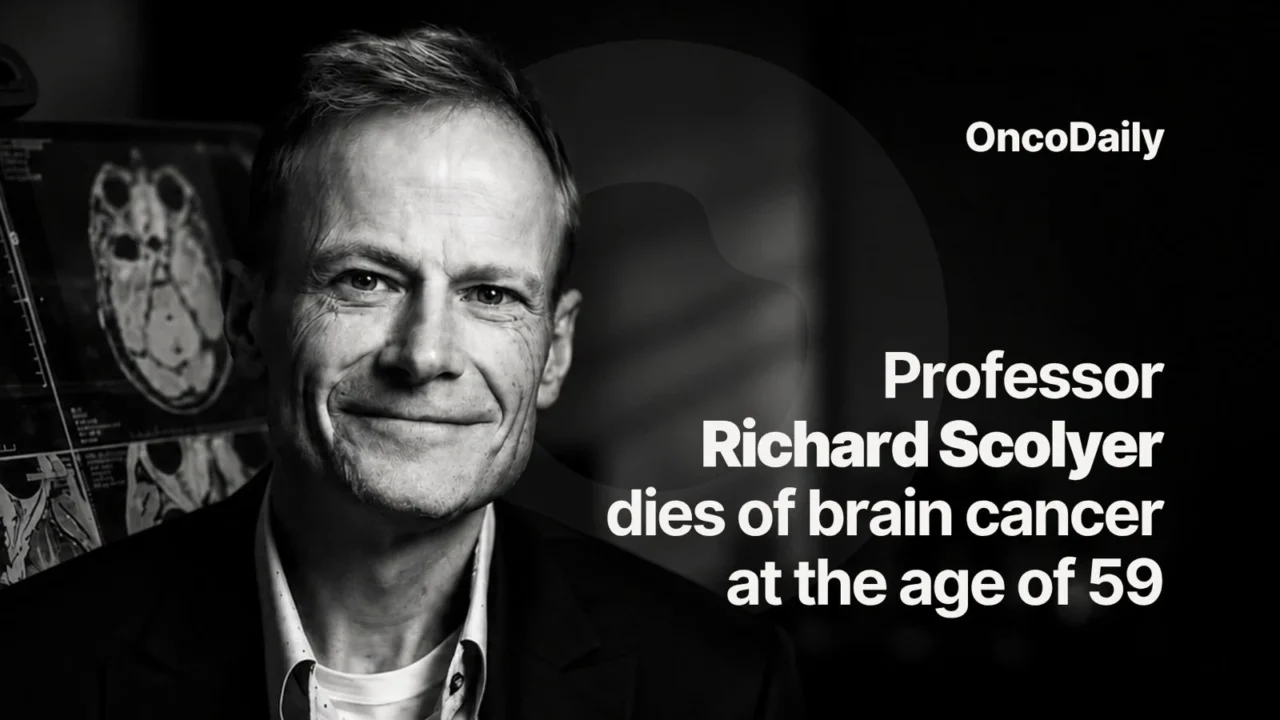
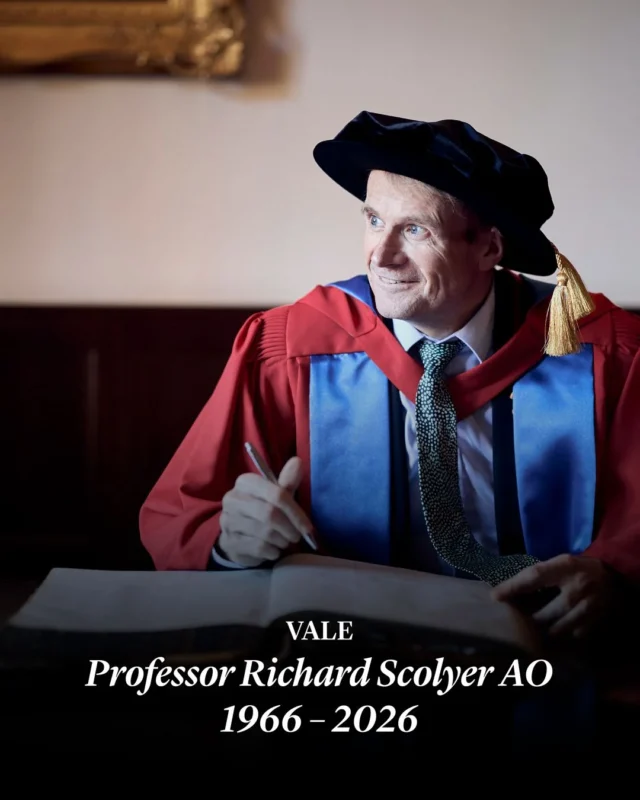
Professor Richard Scolyer AO, one of the world’s leading melanoma pathologists and the joint 2024 Australian of the Year, has died aged 59 after living with glioblastoma, one of the most aggressive forms of brain cancer.
His death marks the loss of a scientist, clinician, mentor and advocate whose career changed the way melanoma is understood and treated. It also closes a deeply personal chapter in cancer research: after being diagnosed with glioblastoma in 2023, Professor Scolyer became “patient zero” for an experimental treatment approach inspired by the same melanoma immunotherapy science he helped advance.
Professor Richard Scolyer was a surgical pathologist and melanoma researcher who served as Co-Medical Director of Melanoma Institute Australia, Professor at the University of Sydney, and senior pathologist at Royal Prince Alfred Hospital. Over decades, his work helped shape melanoma diagnosis, classification, staging and translational research. His contributions were recognized nationally and internationally, including his appointment as an Officer of the Order of Australia.
For many, however, his final years became a powerful symbol of what it means to combine scientific courage with human openness.
From Melanoma Research to Brain Cancer Innovatio
In June 2023, Professor Richard Scolyer was diagnosed with IDH-wildtype glioblastoma, an aggressive brain tumor with limited treatment advances over the past two decades. Standard treatment usually involves maximal safe surgery, radiotherapy and temozolomide, but outcomes remain poor for many patients.
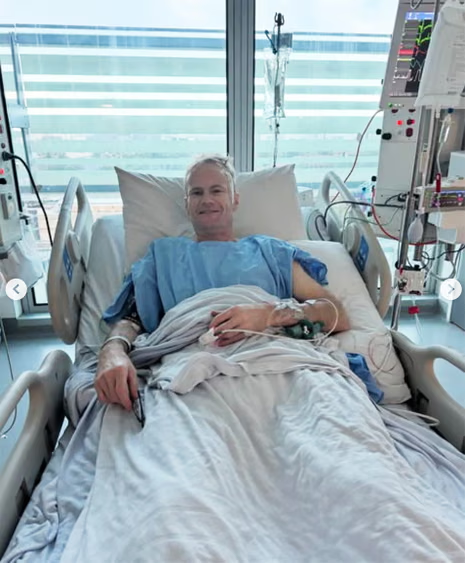
Rather than accepting the prognosis passively, Professor Richard Scolyer and his colleague Professor Georgina Long AO explored whether lessons from melanoma immunotherapy could be applied to glioblastoma. Their approach was bold: use combination immunotherapy before surgery, while the tumor was still present, to try to stimulate an immune response against the cancer.
Professor Richard Scolyer became the first brain cancer patient to receive pre-surgery combination immunotherapy in this setting. He also received a personalized vaccine designed around the molecular features of his tumor.
The aim was not only to extend his life, but also to learn. His case generated important data showing immune activation within the tumor environment and helped support further investigation of neoadjuvant immunotherapy in glioblastoma. In 2025, the findings were published in Nature Medicine, and the approach later helped inform the GIANT clinical trial evaluating immunotherapy strategies for newly diagnosed glioblastoma.
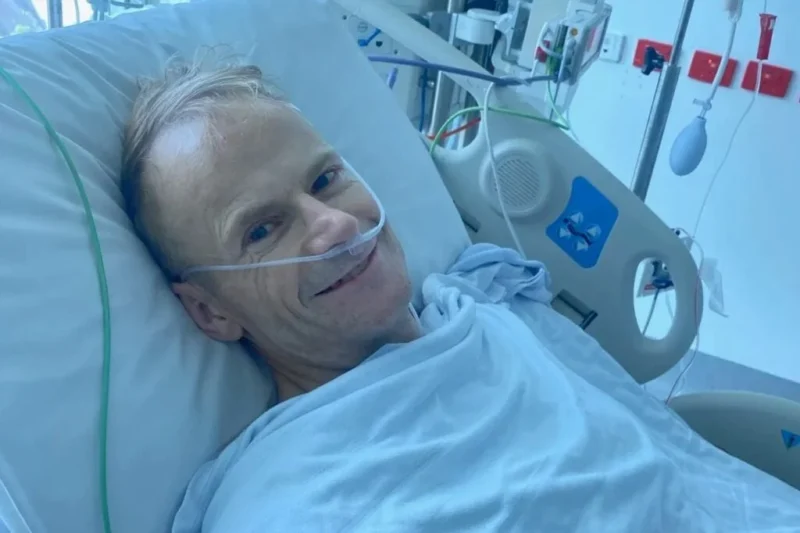
The treatment kept his cancer at bay for 22 months before recurrence was detected in March 2025. While the clinical benefit of the approach still needs to be proven in trials, Professor Scolyer’s case created a scientific foundation for asking new questions in one of oncology’s most difficult diseases.
A Scientist Who Became His Own Research Question
Professor Richard Scolyer’s story resonated globally because he did something rare: he allowed the world to see both the science and the person behind it.
He publicly documented his journey with glioblastoma, sharing the uncertainty, hope, fear, treatment decisions and physical impact of the disease. His openness brought attention to brain cancer research, but it also gave patients and families a more honest view of what living with cancer can mean.
“I hope this has the power to transform how we treat all cancers, to think big and be courageous,” Professor Scolyer said.
That sentence became a reflection of his broader philosophy. For him, science was not only a profession. It was a responsibility.
His decision to undergo an experimental treatment was never presented as a guaranteed breakthrough. Instead, he framed it as an opportunity to generate knowledge that could help future patients. That distinction became central to his legacy: hope grounded in evidence, and courage grounded in purpose.
A Lasting Impact on Oncology
Before his own diagnosis, Professor Richard Scolyer had already helped transform cancer care through his work in melanoma. Alongside Professor Georgina Long and colleagues at Melanoma Institute Australia, he contributed to advances that changed the outlook for patients with advanced melanoma, a disease once associated with very limited survival.
His expertise in pathology was central to this progress. Accurate tissue diagnosis, molecular understanding and translational research are the foundations on which modern precision oncology is built. Professor Scolyer’s career showed how pathology can move far beyond the microscope and directly influence treatment strategies, clinical trials and patient outcomes.
He also mentored generations of pathologists and researchers, helping build a culture of scientific curiosity and clinical precision. His work contributed to international melanoma classification and staging standards, and his publication record made him one of the most influential melanoma pathology experts in the world.
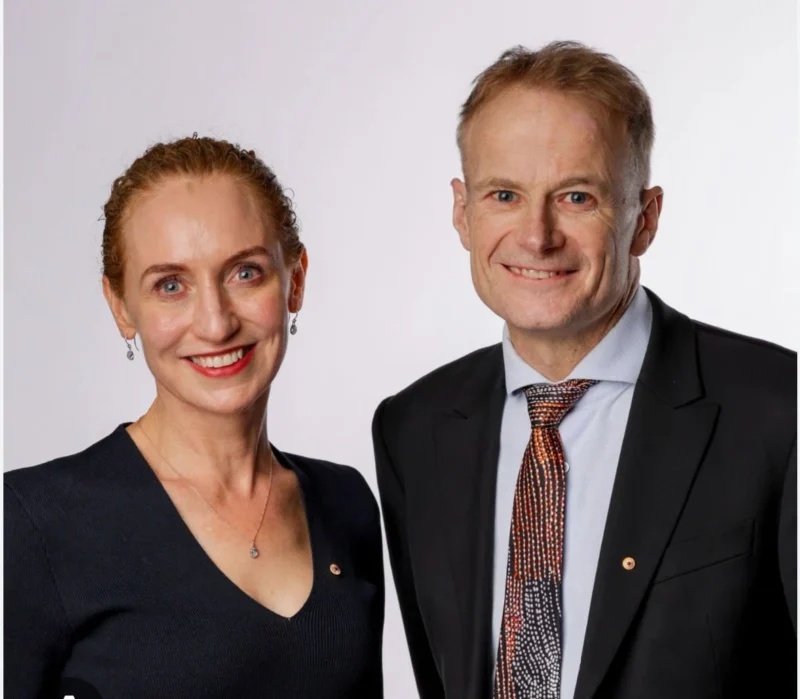
In 2024, Professor Richard Scolyer and Professor Long were jointly named Australians of the Year for their contributions to melanoma research and their advocacy for cancer prevention and treatment innovation.
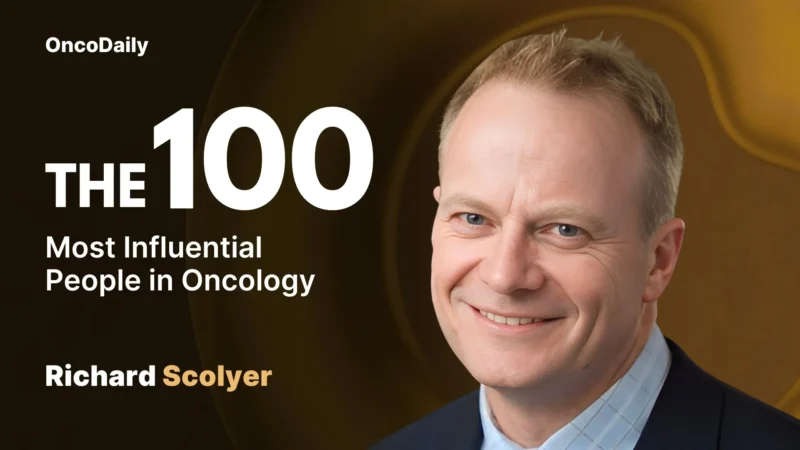
OncoDaily also recognized Professor Scolyer among The 100 Most Influential People in Oncology in 2025, honoring his impact on translational oncology, personalized treatment strategies and the cross-disease application of immunotherapy concepts.
Remembering Richard Scolyer
Professor Richard Scolyer’s life and work carried a message that extended beyond melanoma and glioblastoma. He showed that progress in oncology often comes from crossing boundaries: between diseases, between laboratory and clinic, between doctor and patient, and between knowledge and action.
His story also reminds the oncology community that innovation requires both caution and courage. Experimental approaches must be tested rigorously, but they often begin with people willing to ask difficult questions.
Professor Richard Scolyer leaves behind a legacy of scientific excellence, patient-centered courage and a lasting challenge to the cancer field: to think bigger, move faster and keep working toward better outcomes for patients who still have too few options.
After the passing of Professor Richard Scolyer, many people shared posts and tributes on social media.
A sad day for cancer research, but also a reminder of the extraordinary legacy Prof Richard Scolyer AO leaves behind.
Richard will be remembered for many things, particularly his pioneering work in melanoma and his role in helping harness the immune system to fight cancer.
His final wish, encouraging patients to consider clinical trials and that he “gave it a crack”, epitomised the qualities that defined him: courage, generosity, selflessness, and an unwavering commitment to helping others, even in the face of his own diagnosis.
Vale Richard. His impact will be felt for generations.
My deepest condolences to his wife Katie, his children, family, friends, colleagues, and to Professor Georgina Long AO, whose partnership with Richard changed the lives of countless cancer patients around the world.
Sending all my love to those who have faced cancer and for whom today may be confronting, as it is for me.
Let’s work together and beat brain cancer.
“I was saddened this morning to hear of the passing of Professor Richard Scolyer. Richard was a tireless advocate for brain cancer research and a brilliant pathologist.
It is critical that we continue and accelerate brain cancer research, which is his legacy.
My thoughts are with Katie and his family today, but Richard will never be forgotten.”
“It is with great sadness that we record the passing of Professor Richard Scolyer AO, whose loss will be deeply felt across our community.
He will be forever remembered as one of our most remarkable researchers and alumni.”
” Today Australia lost an extraordinary clinician, scientist, mentor and human being. Richard Scolyer changed the lives of countless patients through his pioneering work in melanoma research and continued to contribute to science even while confronting his own diagnosis with remarkable courage, honesty and grace. His legacy will endure not only through the discoveries he helped create, but through the many clinicians, researchers and patients he inspired. My deepest condolences to Katie, Emily, Matthew, Lucy and the entire Scolyer family. Vale Richard”
“Today is a very sad day as we say goodbye to an incredible human being, Professor Richard Scolyer.
I am privileged to have known Rich and to call him a friend.
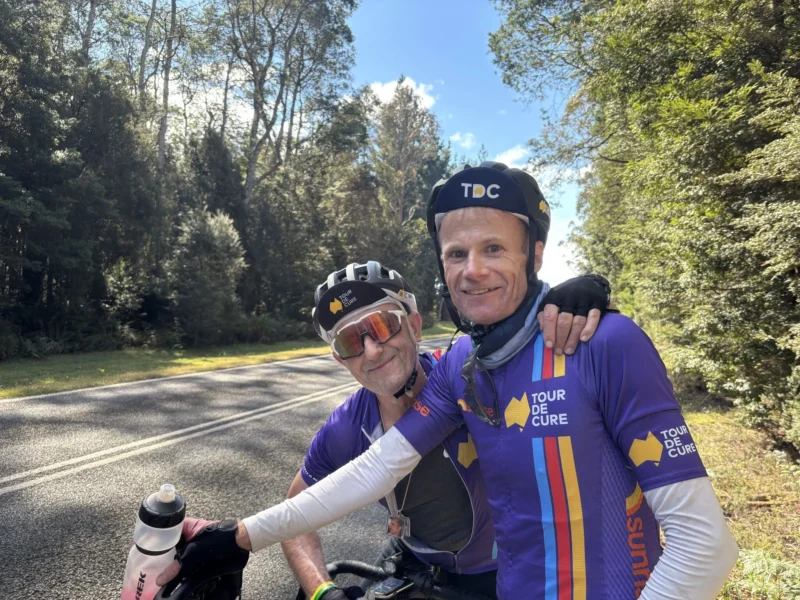
In honor of Rich, I went for a ride today and reflected on the incredible contributions he made to humanity.
He was one of the most humble, brilliant, and caring people I have ever met.
It was an honor to know you, my friend.
Rest in peace, Rich.”
Written by Nare Hovhannisyan, MD