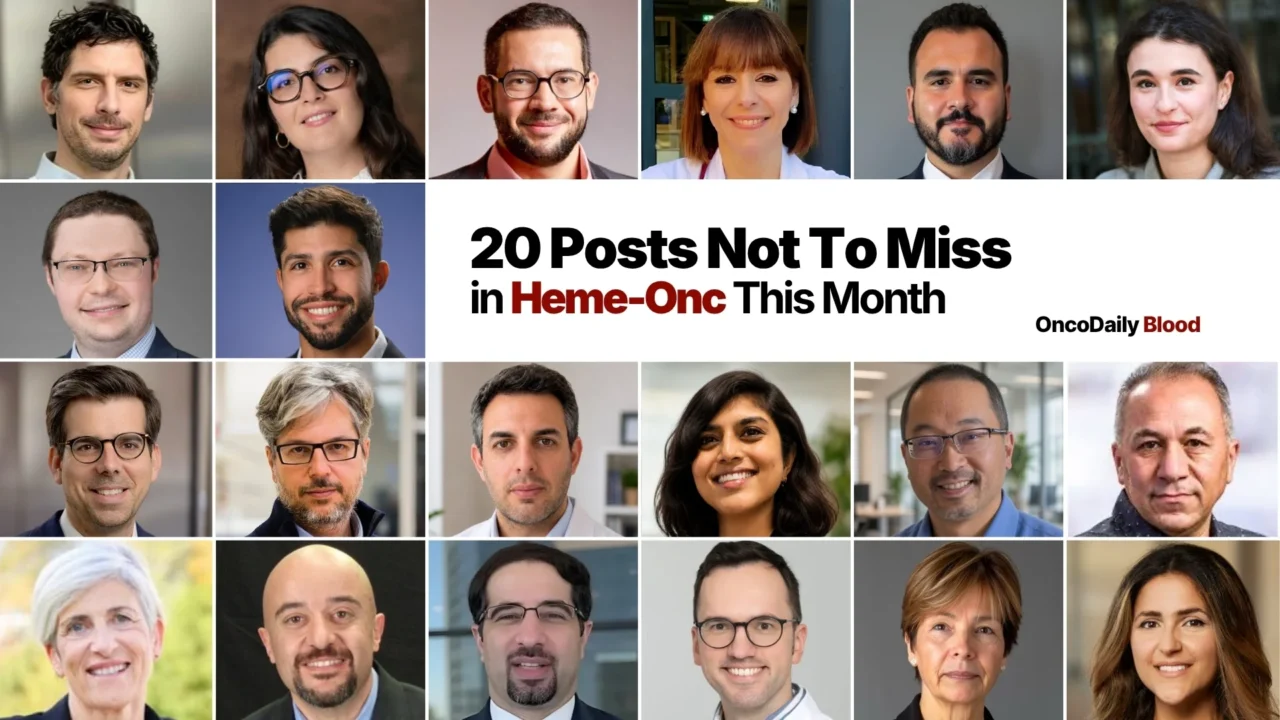
The past month brought practice-relevant updates across leukemia, lymphoma, multiple myeloma, myelodysplastic and myeloproliferative neoplasms. Chemotherapy-free regimens and cellular immunotherapy advanced further, alongside research into immune resistance and the biology of long-term remission. Common threads included: how to make treatment more effective with less toxicity, and who is most likely to benefit from emerging therapies.
Another major theme was the growing role of molecular and clinical biomarkers in personalizing treatment, from measurable residual disease and cytogenetic risk to mutation dynamics and immune cell characteristics. At the same time, developments in transplantation, updated clinical guidelines, and treatment sequencing. Several posts take up the challenges of hematologic cancer care: unequal access to molecular diagnostics, disparities in patient outcomes, and the role of patient advocacy.
Here are 20 heme-onc posts not to miss from October.
Soheil Meshinchi MD., Ph.D. – Professor, Department of Pediatrics, Division of Hematology/Oncology, University of Washington; Professor, Translational Science and Therapeutics, Fred Hutchinson Cancer Center, Seattle, USA
“An exciting milestone for AML immunotherapy: we have received FDA clearance to proceed with our CLEC2A-directed CAR T-cell clinical trial which will be enrolling adult and pediatric patients at Fred Hutch Cancer Center, Seattle Children’s Hospital and Children’s Hospital of LA. CLEC2A is the second of three AML-restricted CAR T-cell therapies we are bringing into clinical implementation. Our FOLR1 CAR T-cell trial is advancing into phase II trial after safely treating eight patients with significant efficacy. Our mesothelin CAR T-cell trial is anticipated to activate in early 2027.
Together, these programs advance our goal of effectively targeting AML-restricted antigens while preserving normal hematopoiesis. This first-in-human CLEC2A study will mark the first clinical effort to target this novel antigen, identified through our TpAML-supported proteo-genomic discovery program. Our initial focus is KMT2A-rearranged and monosomy 7 AML—subsets with a pressing need for more effective therapies. As an AML-restricted target, that is silent in normal hematopoiesis, CLEC2A offers the potential to eradicate leukemia without hematopoietic toxicity. The trial will test whether the potent antileukemic activity observed in our preclinical models translates into effective therapy without on-target hematopoietic toxicity.
A special acknowledgment goes to Danielle Kirkey, the engineer behind this effort and principal investigator of the clinical study. Her scientific leadership and dedication have been instrumental in bringing this therapy from discovery to clinical readiness. In 4 years!! We also thank Dr. Wei Li at the University of Pittsburgh for developing the fully human antibody that forms the foundation of our CLEC2A CAR.
Our collaboration with Professor Franco Locatelli and his team at Ospedale Pediatrico Bambino Gesù (OPBG) in Rome is central to this work. Together, we are advancing all three AML-restricted CAR T-cell programs along parallel clinical development paths at Fred Hutch and OPBG, supporting trial activation in the United States and Europe. For CLEC2A, the Rome team is advancing a retroviral construct using the same antibody binder, with anticipated trial activation in early 2027. Joint protocol development and shared scientific expertise connect these efforts across both centers. We are grateful to our collaborators and the TpAML community whose support has helped turn target discovery into new therapeutic possibilities for patients with AML. “
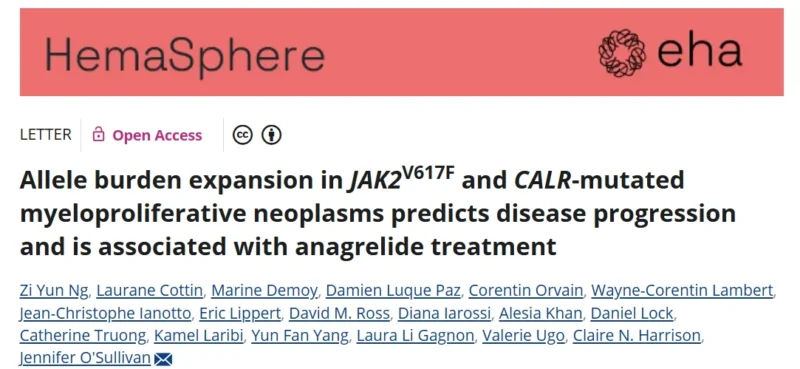
Claire Harrison – Professor of Haematology and Director of Analytics, Guy’s and St Thomas’ NHS Foundation Trust, London, UK
“A topic of the moment in MPN biology what do the dynamic of driver VAF tell us! Great to see this article published fantastic collaborative effort.
We will need more information to use dynamics of VAF I management but the pieces are falling into place and this article is one of them!”
Joseph Chen – Director, Preclinical Strategy and Program Lead, Legend Biotech.
“Amazing news from an amazing team. Today the FDA cleared the IND for LB2501, Legend’s in vivo CAR-T program. What makes this one special is what it could mean for patients: a single infusion designed to generate CAR-T cells inside the body, avoiding leukocyte collection, the manufacturing wait, and lymphodepleting chemo. Still early days, but this could be a very different experience for someone fighting lymphoma.
Congrats to my Legend family: preclinical scientists who poured their heart and soul into the package, regulatory colleagues who edited every word until the story was right, a clinical team already on the ground, and a CMC group that refused to let anything slide. I’m humbled to have played a small part in Legend’s story. Link to the announcement below.”
Pat Garcia-Gonzalez – Chief Executive Officer at The Max Foundation
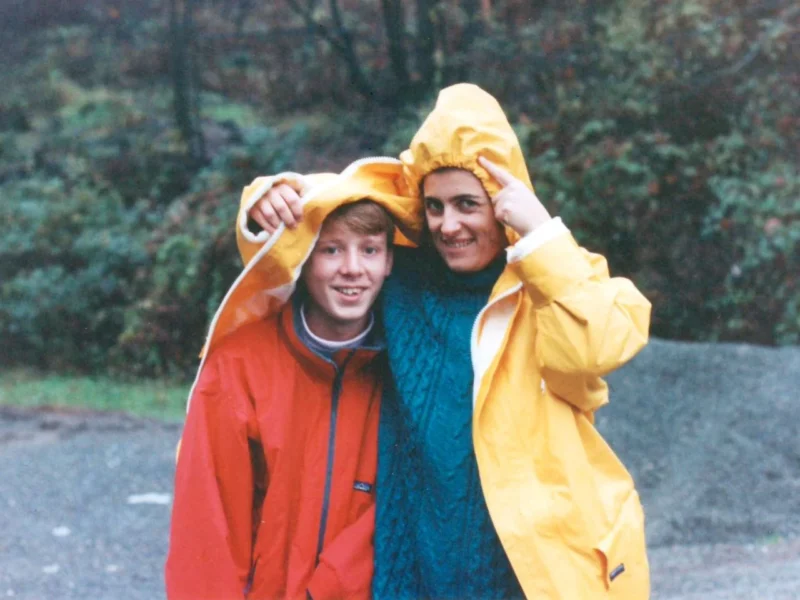
“Max’s Day is a reminder of all that is good in the world”. We established The Max Foundation almost 30 years ago, in the memory of Max, and October 19th is the anniversary of Max’s birthday, a day I am honored to call Max’s Day. This is a day when we celebrate not only Max’s life, but the lives of thousands of people around the world who were touched by cancer and who stand up to help others despite the challenges in their own lives. When I look at our work and impact, what I am most proud of is that, from day one, The Max Foundation has been a global network of people helping people; it’s a network that grows every year and has become a powerful reminder of what is good in the world.
For me, celebrating life on this day is a choice. Making this choice feels like a small but powerful way to defeat the wrath of cancer. Cancer takes away so much: our dignity, our dreams, many times our lives, and—immediately—our agency. I have been reflecting lately on the importance of having agency – meaning the ability to make our own choices and take action to influence what happens in our lives. As cancer advocates, I want to make sure we do not contribute to taking it away from those we aim to support. For example, my team lovingly refers to patients as our patients, and in loving them, sometimes to protect them, we may find ourselves making decisions for them.
Every day I talk to people about patients, what they need, what they want, how to protect them, and how to help them. Social media, and media in general, is full of perspectives of those who care for patients, members of the global oncology community; but the voice we seldom hear is the voice of the individual, the person living with a cancer diagnosis, especially of those who urgently need help today.
As someone who receives daily messages from people who need help, I can share that there is nothing as powerful as the voice of those who need us to see them and help them today. Their humanity and their goodness shine through their words. In fact, it is so powerful that perhaps it can be uncomfortable, thus some might feel the world is not prepared to hear this voice. But what if we let each person decide if they want the world to hear them? What if they decide what they want to tell us? And what if we build a megaphone for patients to speak to the world and, in so doing, we restore some agency back to them?
On this day of celebration of life, I invite us to honor the lives of those in all corners of the world who are shouting for help, hoping we will embrace their humanity. I urge us to have the courage to hear their voices, and in so doing restore a small piece of their agency.
Happy birthday, Max. Forever in our hearts.”
Henrique Nunes Pêcego, MD – Hematologist and Bone Marrow Transplantation Coordinator, State Institute of Hematology, Rio de Janeiro, Brazil
“GIMEMA ALL2820, in NEJM on October 15, is the first randomized phase 3 to test whether chemotherapy can be dropped from frontline Ph-positive ALL. It can, and the details matter for a transplant program.
The trial: 236 adults with newly diagnosed Ph-positive ALL, median age 55 (28% over 65), randomized 2:1 to ponatinib + blinatumomab with no chemotherapy (n=158) or imatinib + chemotherapy (n=78). Transplant was assigned by biology (MRD-positive after consolidation, or IKZF1-plus with detectable MRD). Academic trial (AIRC); Incyte and Amgen donated the drugs, no other role. Median follow-up 23.7 months.
▪️ 24-month EFS (primary): 86% (95% CI 80 to 92) vs 67% (56 to 79), P<0.001
▪️ Hematologic response: 94% vs 79%; induction deaths 3% vs 9%
▪️ Molecular response after consolidation: 71% vs 49%
▪️ Cumulative incidence of relapse: 5% (1 to 8) vs 13% (3 to 22)
▪️ Overall survival: 90% (85 to 95) vs 85% (78 to 94)
▪️ Transplant in first remission: 19% vs 26%. Of 5 deaths in remission in the ponatinib arm, 4 were transplant-related
▪️ Severe adverse events: 34% vs 47%; cardiovascular events only at the 45 mg dose, mostly over 65
My critical reading:
The EFS difference is large, the trial was powered for a 20-point gap, and I believe it. The comparator is the weak point: imatinib with chemotherapy was the only approved frontline TKI when the trial was designed, but it is the standard of 2005. The trial proves ponatinib + blinatumomab beats the old standard, not that it beats ponatinib + chemotherapy or dasatinib + blinatumomab.
Overall survival is close, partly because 31 MRD-positive controls crossed over and 65% became MRD-negative. Two years is short, secondary endpoints had no multiplicity adjustment, and the trial was open label; the authors say so. Two patients developed T315I on ponatinib; 4 of 9 relapses in that arm came after stopping for toxicity. CNS relapse was rare, but with 15 intrathecal doses: drop systemic chemotherapy and you add lumbar punctures.
Four in five patients reached two years without transplant or chemotherapy, and in that arm the transplant, not the leukemia, was the main killer in remission. Allogeneic transplant in first remission becomes a decision for MRD-positive patients, not a default for everyone under 60.
In Brazil’s public system, ponatinib and blinatumomab are not available for this indication. Our patients get imatinib with chemotherapy, the control arm of this trial, then a transplant. The gap between what we can prescribe and what the evidence supports just got wider.”
Pierre SESQUES, MD, M. Sc. – Hospital Practitioner, Hospices Civils de Lyon, Lyon, France
“Just published in Haematologica
What’s left for patients with large B-cell lymphoma relapsing after CAR-T cells, when bispecific antibodies have failed or aren’t an option? In the multicenter real-world REALI-T study, we looked at ibrutinib + lenalidomide in 27 consecutive patients from 10 French centers:
- Overall metabolic response 52%, complete metabolic response 37%
- Median duration of response 11.6 months, 2 patients bridged to transplant
- Strong signal in non-GCB LBCL: 82% response vs 29% in GCB
- Manageable toxicity (mainly cytopenias and infections), no treatment-related deaths
A small retrospective series, but an all-oral option worth testing prospectively, especially in non-GCB disease. Congratulations to Carl Rudebeck, and many thanks to all co-authors and participating centers .”
Nico Gagelmann – Research Fellow, Dana-Farber Cancer Institute, Boston, USA; Physician, University Medical Center Hamburg-Eppendorf (UKE), Hamburg, Germany
“Does germline DDX41 status influence outcomes after allogeneic transplantation in MDS?
Despite the favorable disease biology associated with DDX41, its independent impact on post-transplant relapse, the role of conditioning intensity, and the potential for increased GVHD and non-relapse mortality have remained uncertain, with conflicting evidence from previous studies.
In our study, now published in Blood Journals Portfolio , we analyzed 1,514 patients from the CIBMTR transplanted before routine DDX41 testing, providing a unique opportunity to assess outcomes without genotype-informed treatment selection.
Findings:
– Pathogenic germline DDX41 variants were independently associated with
**Lower 2-year relapse incidence (17% vs 34%), particulariy in reduced-intensity or nonmyeloablative conditioning.
**Improved disease-free survival, even after accounting for baseline molecular risk.
**No significant increase in GVHD or non-relapse mortality, addressing concerns raised by earlier reports.
These findings suggest that favorable transplant outcomes in DDX41-associated MDS may reflect intrinsic disease biology, irrespective of transplant platform, and support incorporating germline status into transplant planning.“
Al-Ola A Abdallah – Director of Plasma Cell Disorders Care at The University of Kansas Health System and Chair of USMIRC
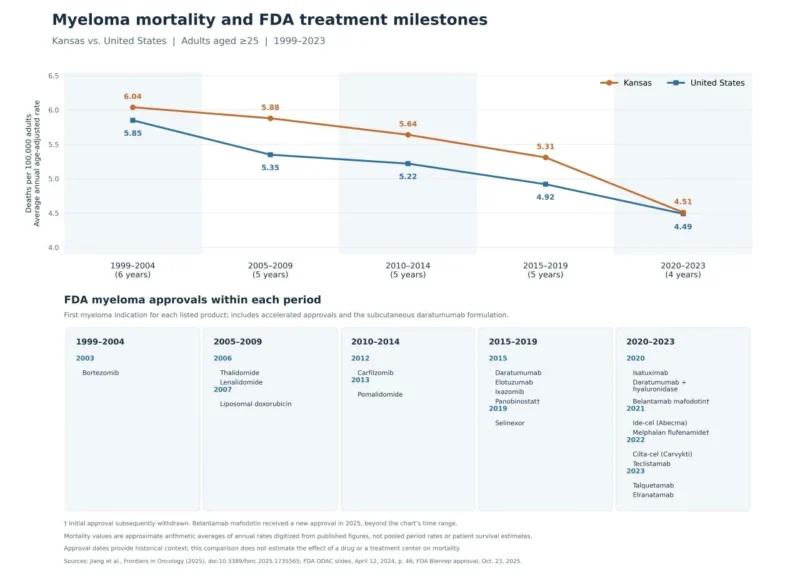
“Honestly, no paper, citation, conference talk, or clinical trial could give me the feeling I have today.
Kansas has finally closed the gap with the national myeloma mortality rate. After years of hard work, being part of this milestone means more to me than anything on my CV. I think about the patients we’ve cared for, the families we’ve come to know, and everyone who kept showing up and believed we could do better.
I’m just grateful I got to be part of it. We did it TEAM!”
Luca Gattinoni – Director – Division of Functional Immune Cell Modulation – Leibniz Institute for Immunotherapy
“Congratulations to Davide Bedognetti and the Kite Pharma team on this outstanding study in Nature Medicine.
Across two independent cohorts totaling 783 patients with non-Hodgkin lymphoma, CCR7⁺CD45RA⁺ T cells emerged as the strongest product-level predictor of durable CAR T-cell responses, independent of tumor burden and inflammation, without added toxicity. Their CD95⁺CXCR3⁺ phenotype points to Tscm rather than naïve T cells.
When we first described human Tscm in 2011, we proposed that the least differentiated memory T cells could drive durable responses. Our recent Cell study showed that donor-derived CAR Tscm cells expand and persist better than standard CAR T cells, achieving complete responses at low doses without lymphodepletion. Seeing this principle, first shown in a small first-in-human study, reinforced in nearly 800 patients is deeply rewarding. Product composition matters. Preserving Tscm cells during manufacturing should be a priority.”
Elena Torre – Senior Clinical Research Fellow in Haematology, Guy’s and St Thomas’ NHS Foundation Trust, London, UK
“A new chapter in polycythaemia vera treatment!
Delighted to share our recently published editorial in JCO, where we discuss the findings of the phase III VERIFY trial by Andrew Kuykendall et al and the questions that remain as we move towards a more patient-centred approach to PV management. A real pleasure to have contributed to this with my mentor Prof Claire Harrison.”
Ruxandra Irimia – Hematology Specialist, PhD, MPH, Johns Hopkins Bloomberg School of Public Health
“Very happy to finally see the results of two years of hard work published in JCO Oncology Practice.
Together with the Multiple Myeloma team at The Johns Hopkins Hospital, we explored racial disparities in skeletal-related events (SREs) and the use of bone-modifying agents (BMAs) in patients with multiple myeloma.
Our findings show that racial disparities in BMA treatment exposure persist. Yet, lower BMA exposure did not translate into a higher overall incidence of SREs in the African American population, revealing a paradoxical relationship between treatment intensity and skeletal outcomes across racial groups. Our findings raise important questions regarding the optimal BMA dosing strategy in various racial myeloma populations.”
Maximilian Merz – Associate Professor, Weill Cornell Medicine; Associate Attending Physician, Memorial Sloan Kettering Cancer Center, New York, USA
“Please check out our new article in Journal of Hematology & Oncology
CAR T cells vs. bispecific antibodies in early relapsed myeloma
One of the most debated questions in myeloma right now is whether CAR T cells or bispecific antibodies should be used at early relapse. With CAR T-cells and bispecifics now being tested in newly diagnosed and high-risk smoldering disease, this question will soon move into the frontline. Placing hazard ratios, response rates and adverse-event frequencies side by side across trials does not give the full picture. Each trial enrolled a different population, and the shared control arm shows this clearly.
Median PFS with a DPd-type control was:
APOLLO (lenalidomide-refractory subgroup): 9.9 mo
CARTITUDE-4: 11.8 mo
MajesTEC-3: 18.1 mo
MonumenTAL-3: 24.4 mo
That is a 2.5-fold range for essentially the same regimen.
We performed a systematic review and anchored Bayesian network meta-analysis of 4 randomized phase 3 trials (n = 2,174), covering #cilta-cel, #Tec-Dara and #Tal-Dara ± Pom. We reconstructed pseudo-individual patient data and reported fixed- and random-effects models side by side. We re-estimated the network in a frequentist framework and analyzed OS as restricted mean survival time (RMST).
Key findings
– PFS point estimates favored Tec-Dara under fixed effects. Once between-trial heterogeneity was accounted for, every contrast crossed unity.
– OS was concordant across regimens.
– Toxicity profiles differ by modality (CAR T-specific delayed neurotoxicity vs. infections with continuous BCMA engagement vs. GPRC5D on-target effects). However, their overall burden cannot be reliably compared across trials.
Financial toxicity matters too. Using US list prices, cilta-cel is a one-time cost. The continuously dosed regimens exceed it within the first year. Cost per progression-free month was $18,300 for cilta-cel vs. $43,452 for Tec-Dara, $34,976 for Tal-Dara and $58,629 for Tal-Dara-Pom. Fixed-duration bispecific strategies could close this gap.
Bottom line: Randomized evidence shows no significant efficacy differences between these regimens in early relapse. It also does not demonstrate equivalence. Until head-to-head data exist, treatment selection should integrate patient- and disease-related factors, toxicity, sequencing, access and cost.”
Jayr Schmidt Filho – Head of Hematology, Hemotherapy and Cell Therapy Department, A.C.Camargo Cancer Center, São Paulo, Brazil
“Pleased to share our latest publication in Neurological Sciences, reflecting the collaborative translational research efforts of our multidisciplinary team at A.C.Camargo Cancer Center.
In this study, we explored neurological complications of SARS-CoV-2 infection in a patient with multiple myeloma, highlighting the challenges of managing infections in immunocompromised patients. By integrating clinical findings with cerebrospinal fluid proteomics, we identified 184 differentially expressed proteins associated with neuroinflammation, blood–brain barrier dysfunction, and neuronal pathways.
This work underscores the importance of translational research in multiple myeloma beyond disease control, expanding our understanding of infection-related complications and their underlying biological mechanisms. Grateful to all co-authors and collaborators for this multidisciplinary effort.”
Francesco Maura – Assistant Member at Memorial Sloan Kettering Cancer Center
“New pre print from the lab out today on bioRxiv & medRxiv !!
Why does #CD19 #CART produce durable remission in only about a third of patients with relapsed large B-cell lymphoma, when most relapsed tumors still carry CD19?
To answer this question we expand out great collaboration with Frederick Locke #Alexander_RA_Anderson Jonathan Schatz interrogating WGS snd RNAseq from 54 #LBCL patients before infusion and at progression. One of the most significant predictors of outcome was biallelic loss of MHC-I or CD58 (Bachisio Ziccheddu)
That is a paradox, because CAR-T killing does not require MHC-I. The resolution is that the CAR-T cells are not working alone. Across a mathematical model (Chandler Gatenbee ), B2m-knockout and CD8-knockout mouse models (Venu Venkatarame Gowda), 328,000 single cells (Abdessamad YOUSSFI ALAOUI, Phd), and IFN-gamma ELISPOT in patients (Constanza Savid-Frontera), durable eradication required the patient’s own endogenous CD8 T cells. Mice cured by CAR-T went on to control CD19-negative rechallenge (Constanza Savid-Frontera).
Overall, these data suggest that CD19 CAR-T is not only a cytotoxic therapy, but a catalyst for the host antitumor immunity required to sustain remission and achieve cure. Thanks again to all our collaborators, patients and funders. Link”
Rami Komrokji – Vice Chair- Malignant Hematology Department, Professor of Oncologic Sciences , H Lee Moffitt Cancer Center
“Our recent manuscript providing comprehensive review of TP53 MN”
Read the full article: “At the heart of unmet need: TP53 myeloid neoplasms”
Maya Abdallah – Assistant Professor, Section of Hematology and Medical Oncology, Boston University Chobanian & Avedisian School of Medicine, Boston, USA.
“Excited to share the publication of the 2026 ASH Guidelines for the Management of Myelofibrosis in Adults in Blood Advances!
Grateful to have been part of this wonderful panel and to contribute an implementation science perspective. Bridging the gap between evidence and practice starts with considering implementation early in guideline development. Read the full recommendations in Blood Journals Portfolio”
Francesca Palandri – Hematologist, MD, PhD – IRCCS AOU Bologna, University of Bologna
“Should access to accurate diagnosis depend on where a patient lives?
Precision medicine has changed how we diagnose myeloproliferative neoplasms, but its benefits are still unevenly shared across the world. Together with Filippo Branzanti I wrote a commentary for Blood Journals Portfolio Blood Global Hematology on the valuable work by Coelho-Silva et al. They show that molecular testing for MPNs can be built into a public health system in Brazil, and remind us that global equity in hematology is possible when it is built step by step.
New technologies are the first step: making them available to every patient is the real challenge. Some ways to close the gap:
- International collaborations and harmonised diagnostic protocols
- Affordable NGS platforms, to broaden molecular testing
- Telepathology and AI-assisted digital pathology
Globalising precision medicine means adapting it to local realities, so no patient is left behind. Read the commentary“
Yan Leyfman – Medical Correspondent at OncLive, Co-Founder and Executive Director of MedNews Week
“MRD negativity is powerful in multiple myeloma – but is its prognostic meaning the same for every patient?
Measurable residual disease (MRD) after autologous stem cell transplantation (ASCT) is strongly associated with outcomes in multiple myeloma. But the biology behind MRD persistence – and the risk it carries – may be just as important as the result itself. In a study of 814 patients who achieved at least a very good partial response after ASCT, 48% achieved MRD negativity by next – generation flow cytometry.
Several findings stand out:
- t(11;14) predicted MRD positivity. Patients with this cytogenetic abnormality had approximately twice the odds of remaining MRD positive after ASCT.
- MRD status mattered overall. MRD – positive patients had nearly twice the risk of progression or death and a higher risk of death compared with MRD – negative patients.
- But t(11;14) challenged the broader pattern. Despite lower MRD – negative rates, patients with t(11;14) who remained MRD positive had a 5 – year PFS of 58% – not statistically different from the 63% observed in MRD – negative patients.
- High – risk cytogenetics sharpened the picture. Among MRD – positive patients, 5 – year PFS was 53% without two or more high – risk cytogenetic abnormalities (HRCAs), compared with just 17% with two or more. Even among MRD – negative patients, multiple HRCAs remained associated with inferior PFS.
- Higher residual clonal plasma cell burden among MRD – positive patients was also associated with worse outcomes.
The key insight: MRD is not a standalone risk category. Its prognostic significance depends on the underlying disease biology, cytogenetic risk, and potentially the magnitude of residual disease.
These findings do not establish that MRD positivity is harmless in t(11;14) myeloma – or that treatment decisions should change based on this subgroup alone. But they highlight why MRD assessment and cytogenetic risk need to be interpreted together. As myeloma care moves toward increasingly individualized treatment strategies, the question may be not only whether residual disease remains, but which disease is left behind.”
Priya Sriskandarajah – Consultant Haematologist in MPN and General Haematology, Guy’s and St Thomas’ NHS Foundation Trust, London, UK
“Do check out our paper just published in OncoTargets and Therapy which covers the ongoing Hema-MED trial combining JAK inhibitors with the PI3K inhibitor Rogilinosib in MF patients. Delighted to be running this study at Guy’s and St Thomas’ NHS Foundation Trust “
Tommy Alfaro Moya – Hematologist and Allogeneic Stem Cell Transplant Physician at Princess Margaret Cancer Centre
“Excited to share our latest publication exploring the impact of frailty on non-relapse mortality (NRM) following allogeneic hematopoietic cell transplantation (alloHCT), with a particular focus on differences across underlying diagnoses.
This work is the result of a wonderful international collaboration with our colleagues in Spain! 🇨🇦🇪🇸 Proud of what we’ve accomplished together!”