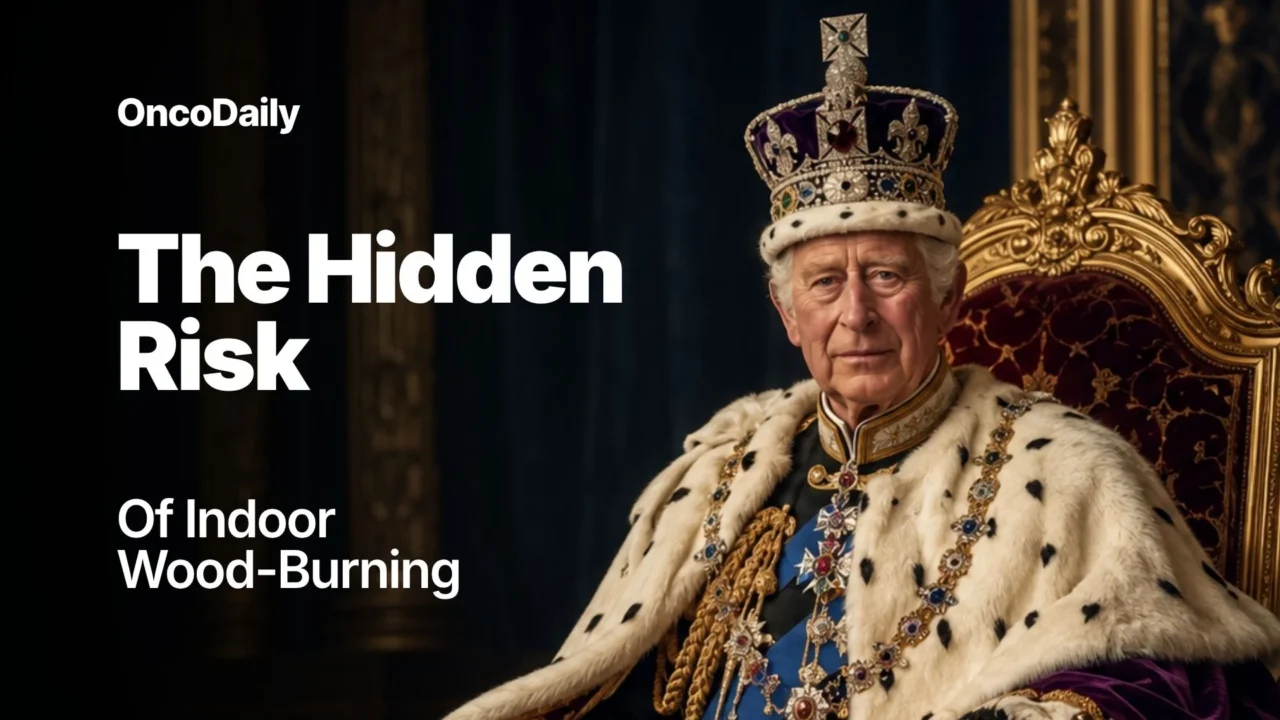
King Charles has been named among millions of people in the United Kingdom being warned about a common household practice that may carry serious health risks: indoor wood-burning fires.
The concern comes as Global Action Plan, a UK-based charity focused on a sustainable future, calls for stronger action against domestic wood-burning inside homes. The organization argues that while fireplaces and log burners remain a traditional feature in many households, including royal residences, their impact on air quality should no longer be overlooked.
Open fireplaces are still common in several royal properties. Although current UK rules allow wood-burning under specific regulations, campaigners are now pushing for a wider ban because of the potential harm linked to fine particulate pollution.
Why PM2.5 Matters
At the center of the warning is PM2.5, a fine air pollutant made up of tiny particles that can be inhaled deeply into the lungs. These particles are considered among the most harmful forms of air pollution because of their ability to enter the respiratory system and contribute to long-term disease risk.
According to Global Action Plan, domestic burning is a major contributor to outdoor air pollution in the UK and accounts for 27% of PM2.5 pollution. The charity also warns that the problem is not limited to outdoor air. Homes with a log burner may have, on average, three times higher PM2.5 levels than homes without one.
This has placed indoor wood-burning under growing medical and environmental attention, especially as the health effects of air pollution become more widely recognized.
A Link to Serious Diseases
Exposure to PM2.5 and fumes from domestic burning has been linked to respiratory disease, cardiovascular disease, and cancer.
For oncology and public health communities, the warning highlights an important issue: cancer prevention is not limited to screening, genetics, or lifestyle factors alone. Environmental exposures, including polluted indoor and outdoor air, are also part of the broader cancer risk conversation.
While the report does not suggest that King Charles has received a new cancer diagnosis or a change in his treatment, it places him among millions of people potentially exposed to a household practice now being questioned by health and environmental campaigners.
King Charles Shares Cancer Treatment Progress on Stand Up To Cancer Broadcast

From Tradition to Prevention
Wood-burning fireplaces have long been associated with heritage, warmth, and domestic tradition. In royal residences, they are also part of the historic character of the buildings.
But public health advocates argue that tradition should be weighed against evidence of harm. As climate and health concerns grow, domestic wood-burning is increasingly being viewed not only as an environmental issue but also as a preventable health exposure.
The warning comes at a time when King Charles continues to be closely followed by the public because of his cancer treatment. However, the broader message extends beyond the royal household: reducing exposure to indoor air pollutants may be an important step in protecting respiratory, cardiovascular, and long-term health.
A Public Health Message Beyond the Palace
The discussion around wood-burning fires reflects a larger shift in how everyday exposures are understood. Practices once considered harmless or purely personal are now being examined through the lens of population health.
For patients, families, and clinicians, the message is clear: air quality matters. Whether in homes, workplaces, cities, or public spaces, reducing exposure to harmful pollutants is part of a wider prevention strategy.
As campaigners continue to call for stricter measures on indoor wood-burning, the debate is likely to grow. What began as a warning reaching the royal household is, in reality, a public health reminder for millions.
Written by Nare Hovhannisyan, MD