
FOLFOX chemotherapy is one of the most widely used treatment regimens for colorectal cancer, particularly in patients with stage III colon cancer and advanced or metastatic disease. It combines three medications fluorouracil (5-FU), leucovorin, and oxaliplatin to inhibit cancer cell growth, reduce recurrence risk, and improve treatment outcomes.
Although FOLFOX is an established chemotherapy option, its effectiveness, treatment duration, and side effects vary depending on cancer stage and individual patient characteristics. Oxaliplatin-related peripheral neuropathy and the risk of severe fluorouracil toxicity in patients with DPYD gene variants are important considerations before and during treatment.
This article explains how FOLFOX chemotherapy works, its success rates, treatment cycles, common and long-term side effects, the importance of DPYD testing, and how FOLFOX compares with CAPOX and FOLFIRI in colorectal cancer treatment.
What Is FOLFOX Chemotherapy and How Does It Work?
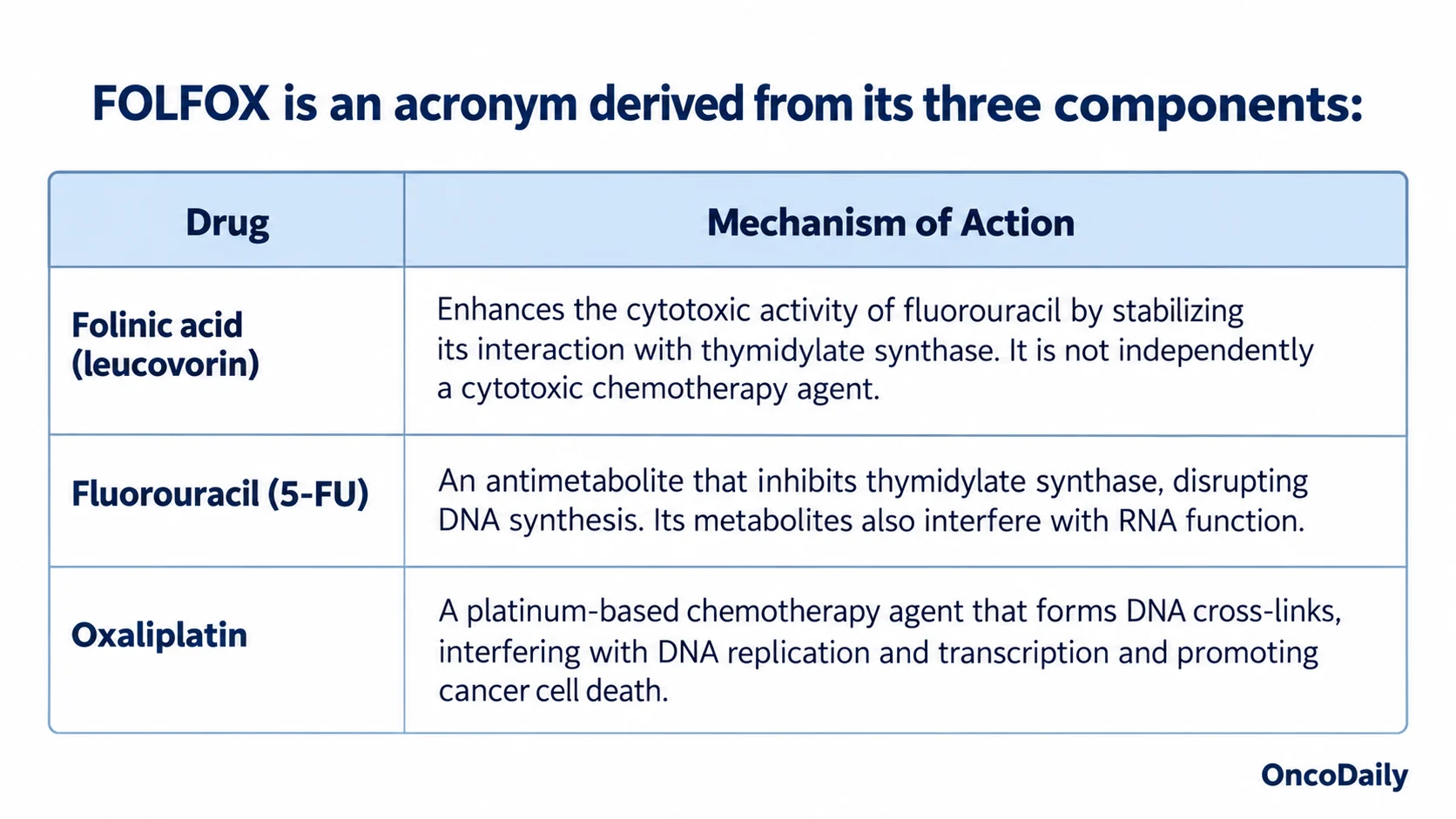
FOLFOX is a combination chemotherapy regimen primarily used in the treatment of colorectal cancer, including colon and rectal cancers. It consists of three medications: folinic acid (leucovorin), fluorouracil (5-FU), and oxaliplatin. Depending on the disease stage, FOLFOX can be administered as adjuvant therapy following surgery or as systemic treatment for advanced or metastatic disease (National Cancer Institute, 2023; Hannemann, 2025).
How Does FOLFOX Work Against Cancer Cells?
FOLFOX combines agents with complementary mechanisms of action to inhibit tumor cell proliferation.
Fluorouracil inhibits thymidylate synthase, reducing the synthesis of thymidine required for DNA replication. Leucovorin enhances this effect by stabilizing the inhibitory complex formed between a fluorouracil metabolite and thymidylate synthase.
Oxaliplatin acts through a different mechanism, forming platinum-DNA adducts and cross-links that interfere with DNA replication and transcription. Together, these mechanisms disrupt essential cellular processes and promote cancer cell death (Cancer Research UK, 2023; Hannemann, 2025).
Is FOLFOX Chemotherapy or Immunotherapy?
FOLFOX is a cytotoxic chemotherapy regimen, not immunotherapy. Its antitumor activity primarily involves inhibition of DNA synthesis and induction of DNA damage.
In contrast, immune checkpoint inhibitors act on regulatory pathways that influence antitumor immune responses, allowing immune cells to recognize and attack cancer cells.
In colorectal cancer, immunotherapy is particularly relevant for tumors with deficient mismatch repair (dMMR) or high microsatellite instability (MSI-H), while FOLFOX remains an established chemotherapy option in appropriately selected patients (National Cancer Institute, 2023).

What Cancers and Stages Are Treated With FOLFOX?
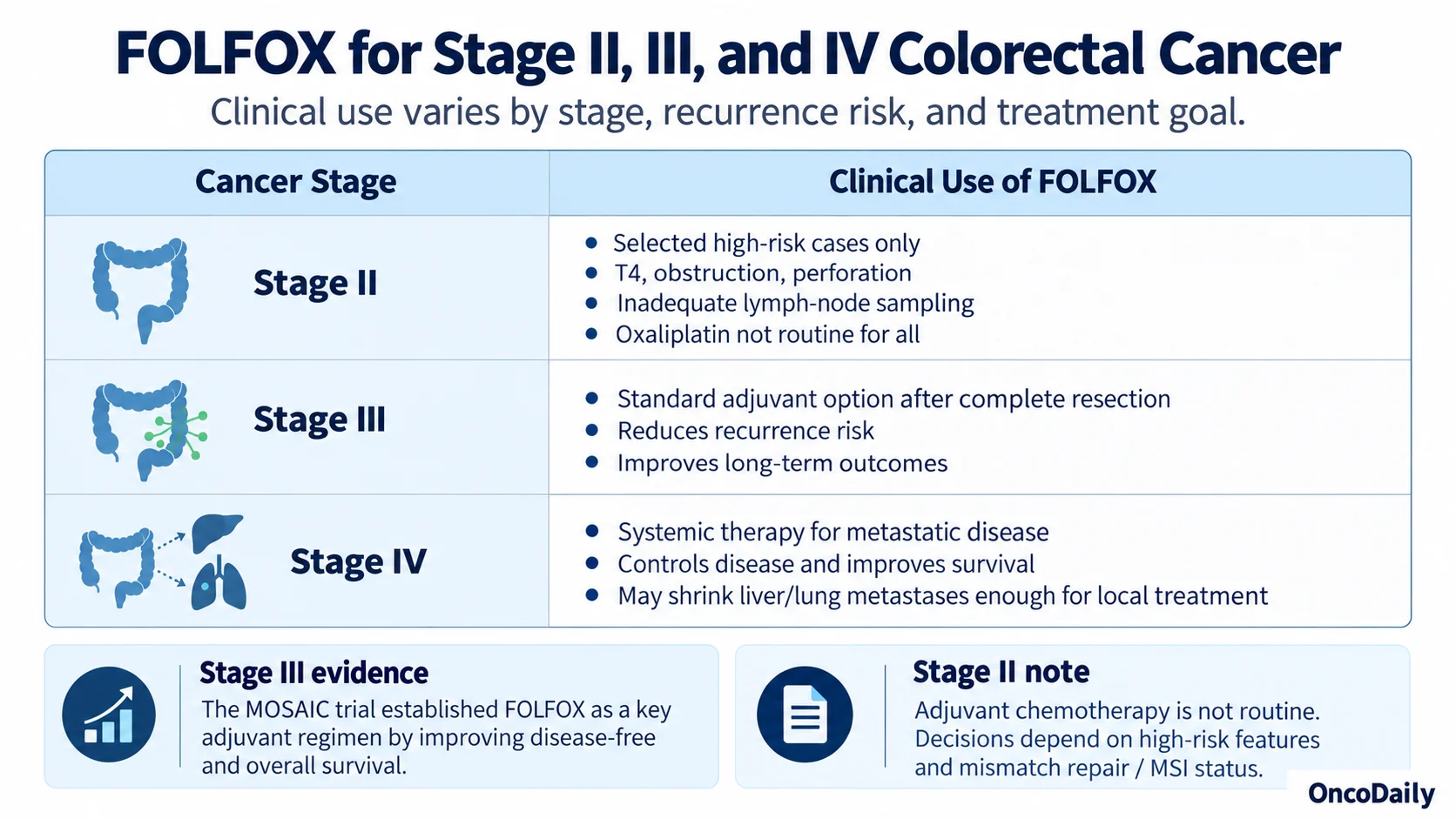
FOLFOX is primarily used in colorectal cancer, particularly as adjuvant treatment for stage III colon cancer and systemic therapy for metastatic disease. It can also be considered in selected high-risk stage II colon cancers and certain other gastrointestinal malignancies. Treatment selection depends on disease stage, molecular characteristics, previous therapies, and the overall treatment objective (Hoehn and Smith, 2019; HSE National Cancer Control Programme, 2015).
Adjuvant and Metastatic Treatment
In the adjuvant setting, FOLFOX is administered after surgery to eliminate residual microscopic disease and reduce the risk of recurrence. Treatment commonly lasts up to six months, although shorter durations are considered in selected patients depending on risk and toxicity.
In metastatic colorectal cancer, FOLFOX is an established systemic treatment backbone. It can be combined with targeted therapies such as bevacizumab or, in molecularly appropriate tumors, anti-EGFR antibodies. Treatment selection also depends on RAS/BRAF status, MSI/MMR status, and primary tumor location.
In selected patients with liver or lung metastases, chemotherapy can reduce tumor burden sufficiently to permit surgical resection or other local treatments (HSE National Cancer Control Programme, 2015).
FOLFOX for Other Gastrointestinal Cancers
Beyond colorectal cancer, FOLFOX is used in several other gastrointestinal malignancies, including:
- Gastric and gastroesophageal junction cancers: An oxaliplatin-based treatment option for selected patients with advanced or metastatic adenocarcinoma.
- Biliary tract cancer: An established second-line chemotherapy option following progression on prior treatment, supported by the phase III ABC-06 trial.
- Pancreatic cancer: Used in selected patients, although it is not a preferred standard regimen across all treatment settings.
- Small-bowel and appendiceal adenocarcinomas: Considered in selected patients, often based on treatment approaches established for colorectal cancer.
The ABC-06 trial demonstrated a survival benefit with second-line FOLFOX compared with active symptom control alone in patients with advanced biliary tract cancer following progression on cisplatin and gemcitabine (Lamarca et al., 2021).
How Successful Is FOLFOX Chemotherapy?
FOLFOX is an effective chemotherapy regimen for colorectal cancer, although treatment outcomes depend on cancer stage, tumor biology, and treatment objectives. In stage III colon cancer, adjuvant FOLFOX reduces recurrence risk and improves long-term survival following surgery. In metastatic colorectal cancer, it can produce tumor responses, delay disease progression, and prolong survival, although treatment is generally not curative unless metastatic disease can be completely treated.
Survival and Recurrence Rates
The phase III MOSAIC trial established the long-term benefit of adding oxaliplatin to fluorouracil and leucovorin in resected colon cancer.
At 10 years, overall survival among patients with stage III colon cancer was 67.1% with FOLFOX4 compared with 59.0% with fluorouracil/leucovorin alone (HR 0.80; P = 0.016). This confirmed a significant survival advantage with oxaliplatin-based adjuvant chemotherapy (André et al., 2015).
The IDEA collaboration subsequently evaluated three versus six months of adjuvant chemotherapy in 12,835 patients with stage III colon cancer. Among patients receiving FOLFOX, five-year overall survival was:
- 82.6% with three months of treatment.
- 83.8% with six months of treatment.
Three months of FOLFOX did not demonstrate noninferiority to six months. Longer treatment remains particularly relevant for patients with high-risk features, including T4 tumors or N2 lymph-node involvement, although treatment duration must be balanced against cumulative neuropathy (André et al., 2020).
FOLFOX in Metastatic Colorectal Cancer
In stage IV colorectal cancer, treatment effectiveness is primarily assessed through objective response rate (ORR), progression-free survival (PFS), and overall survival (OS).
The phase III CALGB/SWOG 80405 trial evaluated first-line chemotherapy with FOLFOX or FOLFIRI combined with bevacizumab or cetuximab in patients with KRAS wild-type metastatic colorectal cancer.
Median overall survival was 29.0 months with chemotherapy plus bevacizumab and 30.0 months with chemotherapy plus cetuximab, while objective response rates were 55.2% and 59.6%, respectively. These findings reflect outcomes from combined treatment strategies rather than FOLFOX alone (Venook et al., 2017).
In selected patients with initially unresectable liver or lung metastases, tumor reduction following chemotherapy can make surgical resection or other local treatment possible.
Factors Influencing FOLFOX Effectiveness
Several clinical and molecular factors influence treatment outcomes:
- Cancer stage and tumor burden: Patients with completely resected stage III disease generally have better long-term outcomes than those with unresectable metastatic cancer.
- Pathological risk factors: T4 tumors and N2 lymph-node involvement are associated with higher recurrence risk.
- Tumor biomarkers: MSI/MMR status and RAS/BRAF mutations influence prognosis and systemic treatment selection.
- Treatment duration and tolerability: Dose reductions or early discontinuation, particularly due to oxaliplatin-related neuropathy, can affect cumulative treatment exposure.
- Combination therapy: Targeted treatments can improve outcomes in appropriately selected patients with metastatic colorectal cancer.
Overall, FOLFOX provides an established survival benefit in stage III colon cancer and remains an important systemic treatment option for metastatic disease. However, there is no single FOLFOX success rate applicable to all patients, and survival estimates must be interpreted according to disease stage, treatment setting, and patient characteristics.

How Is FOLFOX Given and How Many Cycles Are Needed?
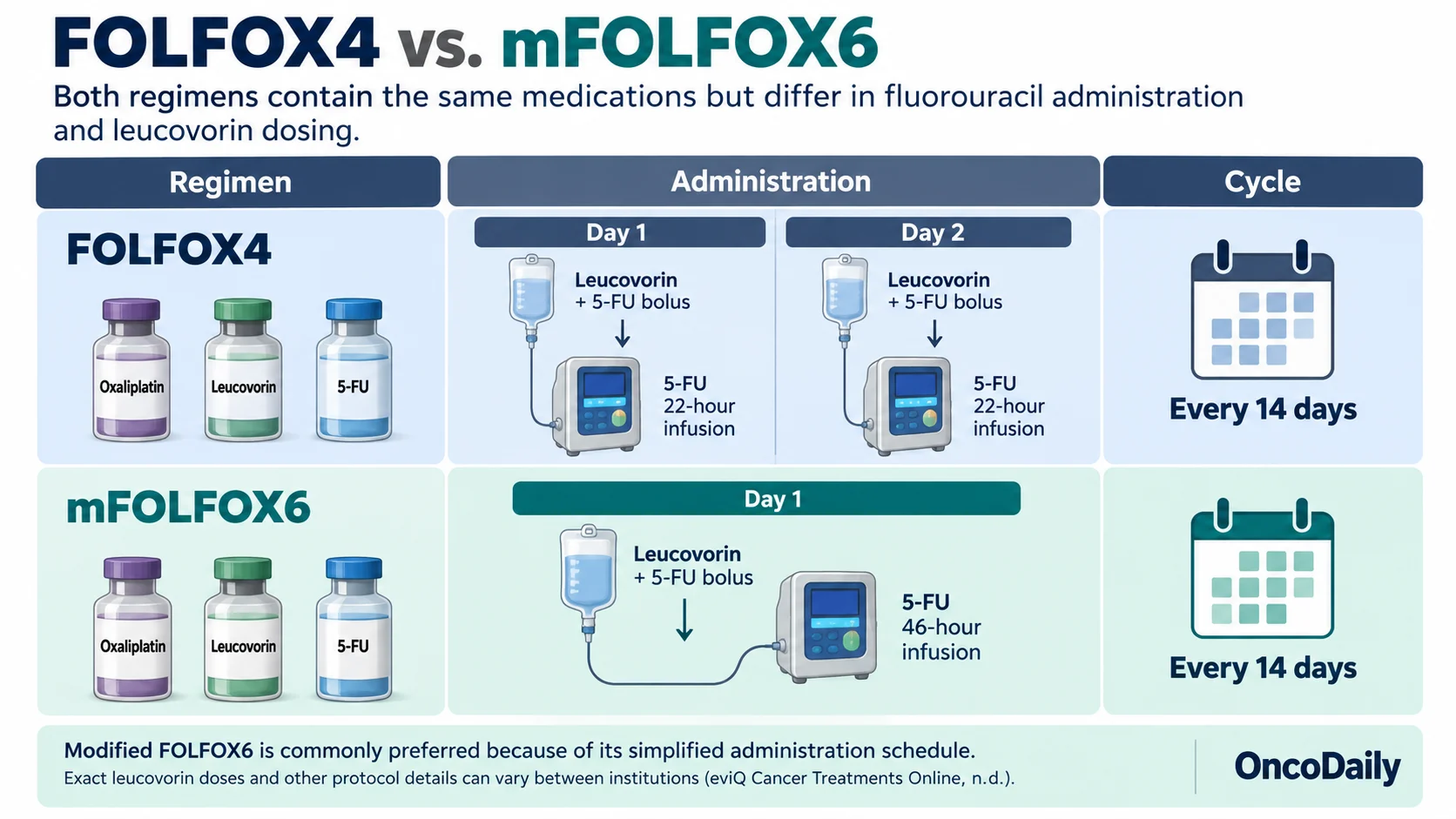
FOLFOX is administered intravenously in 14-day treatment cycles, with the number of cycles determined by cancer stage, treatment intent, and tolerability. The most widely used modification, mFOLFOX6, combines oxaliplatin, leucovorin, and fluorouracil (5-FU), including a continuous 46-hour infusion delivered through a portable pump (Cancer Care Ontario, 2023; eviQ Cancer Treatments Online, n.d.).
How Is FOLFOX Administered?
In the standard mFOLFOX6 regimen, treatment begins on day 1 with oxaliplatin, usually infused over approximately two hours, and leucovorin. This is followed by an intravenous bolus of fluorouracil and a continuous infusion of 5-FU at 2,400 mg/m² over 46 hours.
Patients typically return home with an ambulatory infusion pump and undergo pump disconnection around day 3. Treatment is commonly administered through an implanted port or another central venous access device. The remainder of the 14-day cycle allows time for recovery before the next infusion (Cancer Care Ontario, 2023).
How Many Cycles of FOLFOX Are Needed?
The duration of FOLFOX depends on the treatment setting.
- Adjuvant treatment: Following surgery for stage III colon cancer, treatment commonly consists of 12 cycles over approximately six months. A shorter course may be considered in selected patients, although three months of FOLFOX is not equivalent to six months across all risk groups.
- Metastatic colorectal cancer: Treatment is generally continued according to disease response and tolerability, without a universally fixed number of cycles.
- Dose modifications: Oxaliplatin may be reduced or discontinued because of cumulative peripheral neuropathy, while fluoropyrimidine-based maintenance treatment may continue in selected patients.
The IDEA collaboration demonstrated that adjuvant treatment duration should be individualized according to recurrence risk and chemotherapy regimen, particularly for patients with T4 or N2 stage III colon cancer (André et al., 2020).
Overall, 12 cycles of FOLFOX correspond to approximately 24 weeks of treatment, although interruptions, dose reductions, and early discontinuation may alter the planned duration.
What Are the Common and Long-Term Side Effects of FOLFOX?
FOLFOX chemotherapy commonly causes fatigue, gastrointestinal disturbances, bone marrow suppression, and peripheral neuropathy. The severity of these adverse effects depends on cumulative drug exposure, treatment duration, and individual patient characteristics. Most toxicities are manageable and improve after treatment completion, although some may persist long-term (Loprinzi et al., 2020).
Common Side Effects of FOLFOX
The most frequently reported adverse effects include fatigue, nausea, vomiting, diarrhea, oral mucositis, and reduced appetite. Fluorouracil is primarily responsible for gastrointestinal and mucosal toxicity, while oxaliplatin contributes to neurological complications.
FOLFOX can also cause myelosuppression, resulting in neutropenia, anemia, and thrombocytopenia. These conditions increase the risk of infections, fatigue, and bleeding. Other possible effects include taste changes, skin reactions, and temporary hair thinning, although complete hair loss is uncommon (Cancer Research UK, n.d.).
Oxaliplatin-Induced Peripheral Neuropathy
Peripheral neuropathy is one of the most important dose-limiting toxicities of FOLFOX. Acute neuropathy typically develops shortly after oxaliplatin infusion and is characterized by cold-triggered tingling, numbness, jaw discomfort, or throat sensations.
Chronic neuropathy develops with cumulative exposure and may cause persistent numbness, tingling, or reduced sensation in the hands and feet. Symptoms can interfere with daily activities and may continue for months or years after treatment discontinuation (Loprinzi et al., 2020).
Long-Term Toxicity and Management
Most gastrointestinal and hematologic toxicities resolve after chemotherapy, but peripheral neuropathy may persist and affect long-term quality of life. Treatment modifications, including oxaliplatin dose reduction or discontinuation, may be necessary for clinically significant symptoms.
According to ASCO guidelines, duloxetine is the only medication with sufficient evidence supporting its use for established painful chemotherapy-induced peripheral neuropathy, although its benefit is limited (Loprinzi et al., 2020).
Rare but serious complications include fluorouracil-associated cardiotoxicity. Fever, severe diarrhea, chest pain, or breathing difficulties require urgent medical evaluation.
What Is DPYD Testing and Why Is It Important Before FOLFOX?
DPYD testing is a pharmacogenetic test used to identify patients at increased risk of severe fluorouracil (5-FU) toxicity.The DPYD gene encodes dihydropyrimidine dehydrogenase (DPD), an enzyme responsible for metabolizing more than 80% of administered fluorouracil. Reduced DPD activity can lead to excessive drug exposure and potentially life-threatening toxicity (Ho et al., 2025).
DPYD Gene and DPD Deficiency
Inherited DPYD variants can cause partial or complete DPD deficiency, impairing the body’s ability to metabolize fluorouracil. Patients with reduced DPD activity are at increased risk of severe, early-onset adverse reactions, including diarrhea, mucositis, profound neutropenia, infections, and neurotoxicity.
Complete DPD deficiency carries a particularly high risk of fatal toxicity following standard-dose fluoropyrimidine treatment (U.S. Food and Drug Administration, n.d.).
Why Is DPYD Testing Recommended Before FOLFOX?
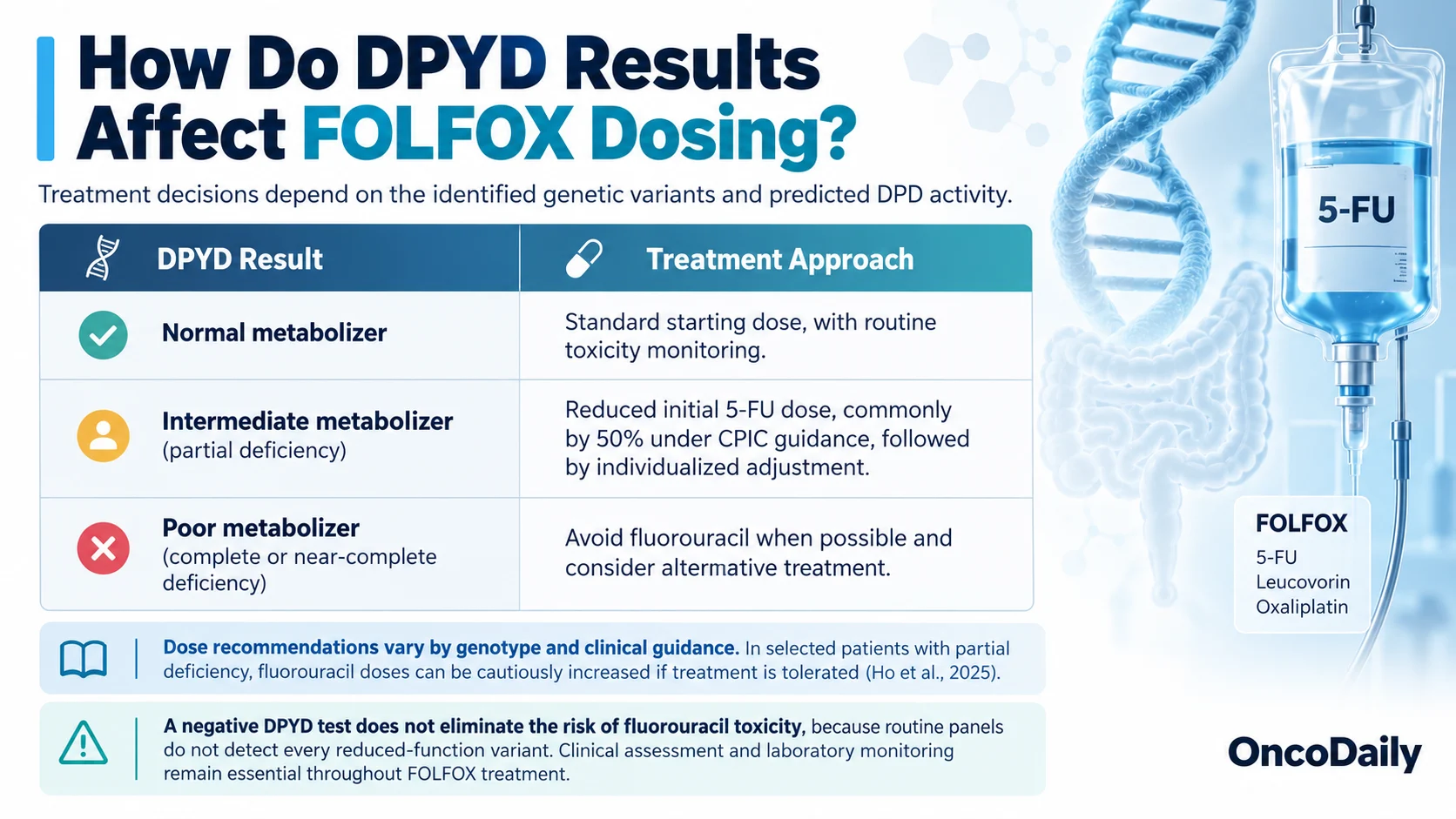
Because FOLFOX contains fluorouracil, pretreatment DPYD genotyping helps identify patients who may require dose reductions or alternative treatment.
The FDA advises testing for DPYD variants before initiating fluorouracil or capecitabine unless immediate treatment is necessary. European and UK recommendations also support pretreatment assessment for DPD deficiency.
Testing enables individualized fluorouracil dosing according to predicted enzyme activity, reducing the risk of severe treatment-related toxicity (Ho et al., 2025).
FOLFOX vs CAPOX vs FOLFIRI: What Are the Differences?
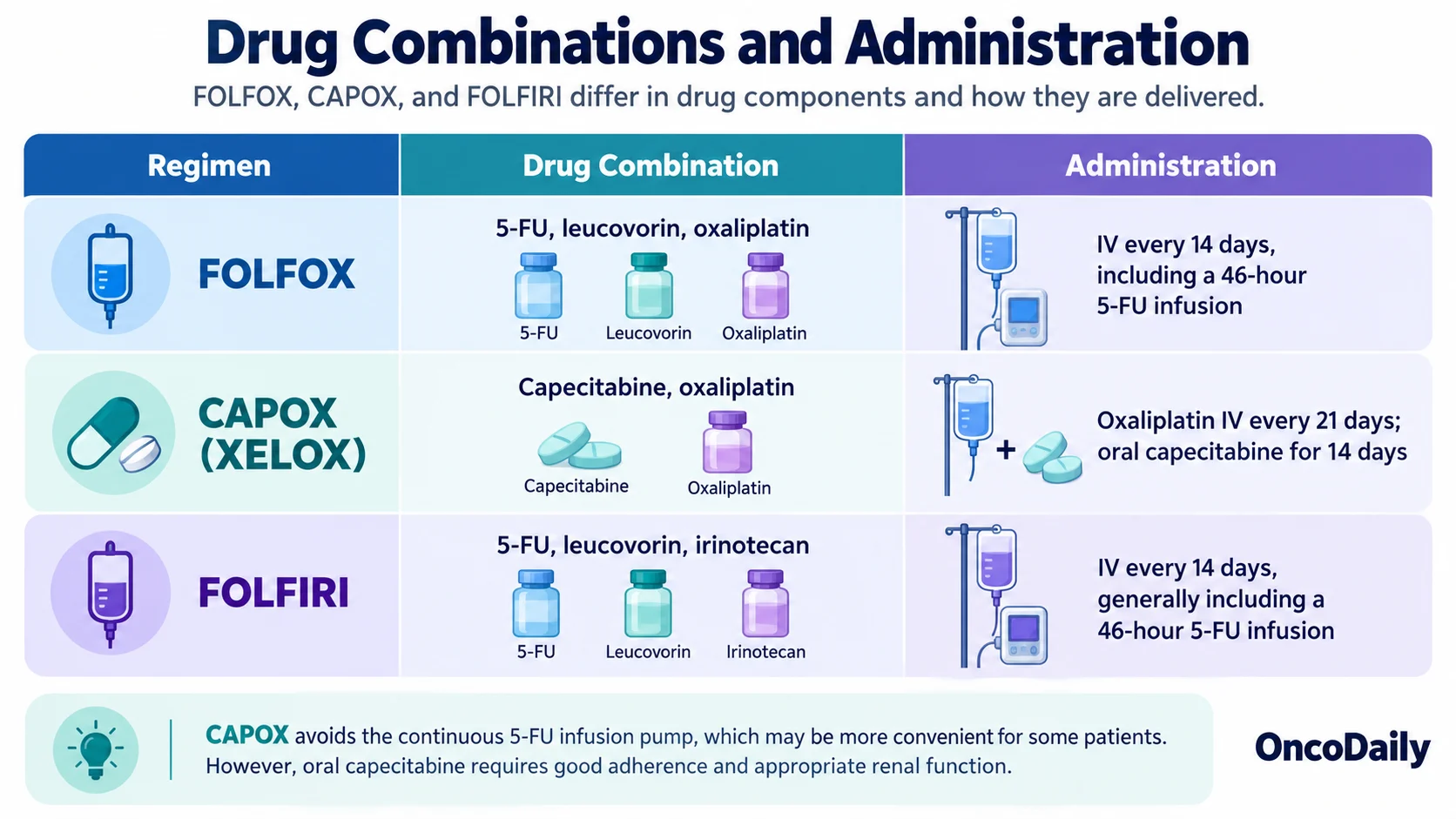
FOLFOX, CAPOX, and FOLFIRI are combination chemotherapy regimens commonly used in colorectal cancer.Although they have demonstrated comparable efficacy in several treatment settings, they differ in drug composition, administration schedules, and toxicity profiles. Treatment selection depends on disease stage, previous therapy, tumor biology, and individual patient characteristics (Ikoma et al., 2017).
Effectiveness and Clinical Use
Randomized trials have demonstrated broadly comparable efficacy between FOLFOX and FOLFIRI in metastatic colorectal cancer, with no consistent significant difference in overall survival. CAPOX has also demonstrated comparable outcomes to FOLFOX in several clinical settings (Ikoma et al., 2017).
FOLFOX and CAPOX are established adjuvant treatment options for stage III colon cancer and are frequently used in metastatic disease. FOLFIRI is primarily used in advanced or metastatic colorectal cancer, either as first-line treatment or following progression on oxaliplatin-based chemotherapy.
In metastatic disease, these regimens can be combined with targeted agents such as bevacizumab or, in appropriately selected patients, cetuximab or panitumumab. Treatment selection also depends on molecular biomarkers, including RAS/BRAF mutations and MSI/MMR status.
Differences in Side Effects
The major distinction between these regimens is their toxicity profile. FOLFOX and CAPOX are associated with oxaliplatin-induced peripheral neuropathy and cold sensitivity, which can become persistent with cumulative exposure.
CAPOX is more frequently associated with hand-foot syndrome and capecitabine-related gastrointestinal toxicity. In contrast, FOLFIRI is associated with irinotecan-related diarrhea, neutropenia, alopecia, and acute cholinergic symptoms, including abdominal cramping and sweating (Ikoma et al., 2017).
How Is the Treatment Selected?
Treatment decisions consider prior chemotherapy exposure, existing toxicities, comorbidities, and patient preferences. CAPOX may be preferred when avoiding an ambulatory infusion pump is important, while FOLFIRI can be considered for patients with significant pre-existing neuropathy or progression following oxaliplatin-based therapy.
Overall, none of these regimens is universally superior. Their effectiveness and tolerability depend on the clinical setting, making individualized treatment selection essential (National Cancer Institut).
FAQ
Is FOLFOX Chemotherapy or Immunotherapy?
FOLFOX is a combination chemotherapy regimen, not immunotherapy. It contains fluorouracil (5-FU), leucovorin, and oxaliplatin, which interfere with DNA synthesis and replication. FOLFOX is primarily used for colorectal cancer, including adjuvant treatment after surgery and systemic therapy for metastatic disease.
What Is the Success Rate of FOLFOX Chemotherapy?
FOLFOX effectiveness depends on cancer stage, tumor characteristics, and treatment goals. In the MOSAIC trial, 10-year overall survival among patients with stage III colon cancer was 67.1% with FOLFOX4 compared with 59.0% with fluorouracil/leucovorin alone. Outcomes in metastatic disease vary considerably, and no single success rate applies to all patients.
How Many Cycles of FOLFOX Are Usually Given?
FOLFOX is generally administered every 14 days. For adjuvant treatment of stage III colon cancer, patients commonly receive up to 12 cycles over approximately six months, although shorter treatment durations may be appropriate in selected cases. In metastatic colorectal cancer, treatment duration depends on disease response, toxicity, and the overall treatment strategy.
Can FOLFOX Cause Permanent Neuropathy?
Yes. Oxaliplatin can cause peripheral neuropathy, characterized by numbness, tingling, and reduced sensation in the hands and feet. Acute cold sensitivity is usually temporary, but cumulative neuropathy may persist for months or years after treatment. Dose reduction or discontinuation of oxaliplatin may be necessary to limit long-term neurological complications.
Why Is DPYD Testing Important Before FOLFOX?
DPYD testing identifies inherited genetic variants associated with reduced dihydropyrimidine dehydrogenase (DPD) activity, which can increase the risk of severe fluorouracil toxicity. Patients with partial DPD deficiency may require reduced starting doses, while those with complete deficiency generally need an alternative to fluorouracil. Testing before treatment helps individualize dosing and reduce potentially life-threatening complications.