Daraxonrasib is a new cancer medicine currently being studied for cancers that are driven by changes (mutations) in a gene called RAS. These mutations are very common in cancers such as pancreatic cancer, colorectal cancer, and some lung cancers.
Daraxonrasib is still an investigational drug and is not yet approved. However, early clinical studies have shown encouraging results, especially in pancreatic cancer, where treatment options are often limited. Because of these results, a large international study is now underway to determine whether Daraxonrasib can help patients live longer and keep their cancer under control more effectively than current standard treatments.
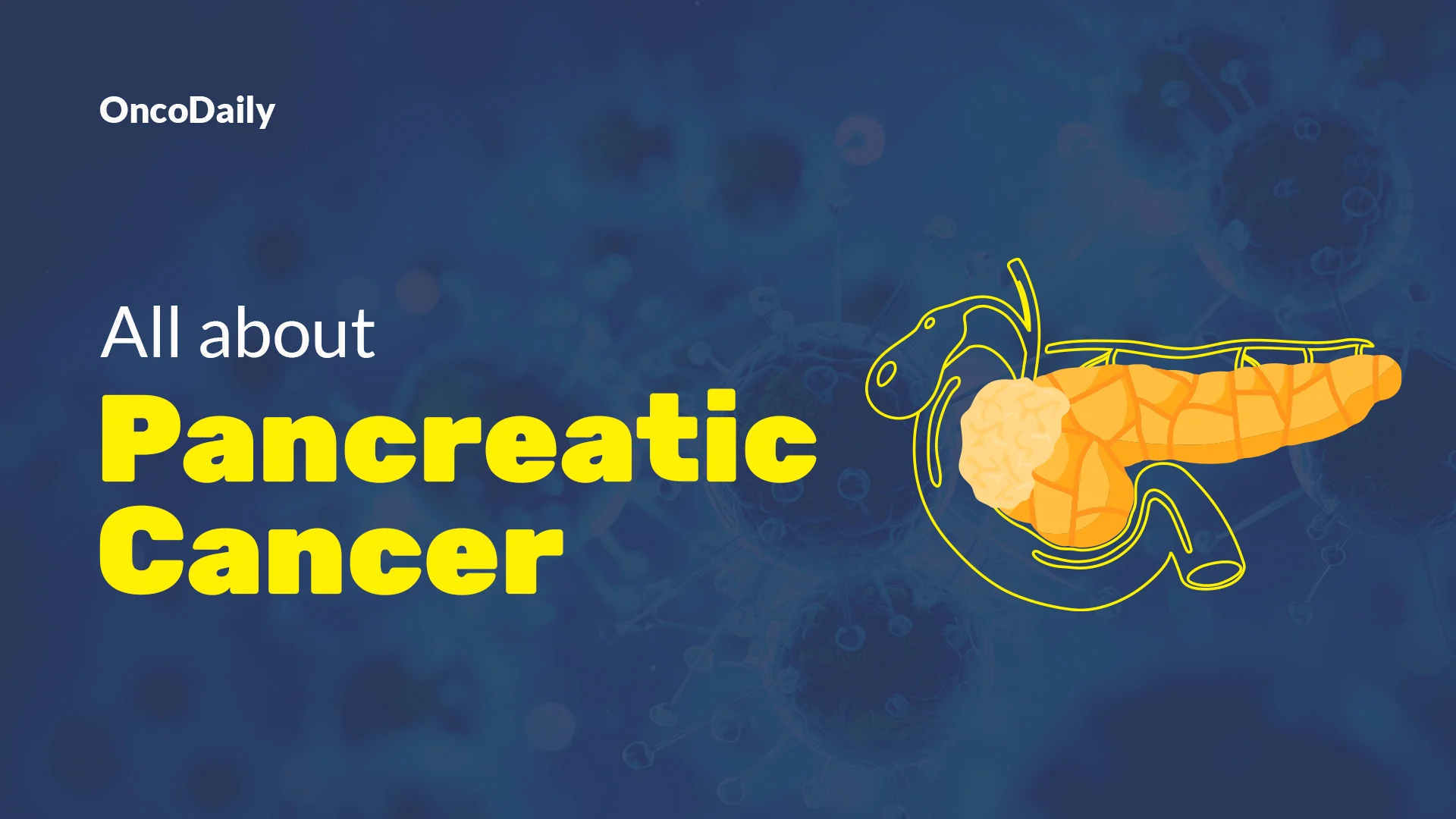
Read About Pancreatic Cancer on OncoDaily
Why RAS Is Important in Cancer
RAS is a gene that plays a key role in controlling how cells grow and divide. In healthy cells, this process is tightly regulated. In many cancers, however, RAS becomes permanently switched “on,” continuously telling cancer cells to grow and survive.
This problem is especially common in pancreatic ductal adenocarcinoma (PDAC), where more than 90% of tumors have a RAS mutation. For many years, doctors did not have medicines that could directly block RAS, which is one reason pancreatic cancer has been so difficult to treat. Daraxonrasib was developed specifically to address this long-standing challenge.
How Daraxonrasib Works, Explained Simply
Daraxonrasib belongs to a new class of medicines called RAS(ON) inhibitors. Cancer cells with RAS mutations depend on RAS being active all the time. Daraxonrasib works by attaching to RAS when it is in this active “on” state and blocking its signals.
By interfering with these signals, Daraxonrasib may slow down or stop cancer cell growth. Unlike some earlier RAS-targeted drugs that only work for one very specific mutation, Daraxonrasib is designed to work across many different RAS mutations. This broader activity is why it is being studied in several cancer types.
What Have Studies Shown So Far?
In early clinical studies, Daraxonrasib was given to patients with advanced pancreatic cancer who had already received other treatments. In this difficult-to-treat group, many patients experienced meaningful benefit. About one-third of patients had visible tumor shrinkage, and the large majority saw their cancer stop growing for a period of time. Several patients were able to stay on treatment for many months, suggesting that the benefit could be durable.
Researchers also studied Daraxonrasib in people with newly diagnosed metastatic pancreatic cancer who had not yet started treatment. When used on its own, nearly half of patients saw their tumors shrink. When Daraxonrasib was combined with standard chemotherapy, response rates were even higher. Importantly, many patients were able to continue treatment, indicating that side effects were generally manageable. These early findings provided the scientific basis for launching a large, global phase 3 study.
What Is the RASolute 303 Study?
RASolute 303 is an international clinical trial now studying Daraxonrasib in people with newly diagnosed metastatic pancreatic cancer. Participants have not received prior treatment for metastatic disease and are well enough to carry out most daily activities.
Patients in the study are randomly assigned to receive Daraxonrasib alone, Daraxonrasib together with standard chemotherapy, or standard chemotherapy alone. Researchers are comparing how long patients live, how long their cancer remains controlled, how tumors respond to treatment, and how patients feel during therapy. The study is ongoing, and final results are not yet available.

Read About RASolut 303 Trial on OncoDaily
Side Effects and Tolerability
In clinical studies so far, most patients experienced some side effects while taking Daraxonrasib, but these were usually manageable. The most commonly reported issues included skin rash, mouth sores, diarrhea, and fatigue. Doctors were often able to manage these symptoms by adjusting the dose or providing supportive care.
Importantly, very few patients had to stop treatment because of side effects. This is encouraging, particularly for pancreatic cancer, where maintaining quality of life during treatment is a major concern.
What This Means for Patients
Daraxonrasib represents a new approach to treating cancers that depend on RAS signaling, especially pancreatic cancer, where new options are urgently needed. While the drug is still being studied, the results so far suggest that directly targeting RAS may be possible and may lead to meaningful tumor control with tolerable side effects. If the ongoing phase 3 study confirms these early findings, Daraxonrasib could become an important new treatment option in the future.
Key Takeaway
Daraxonrasib is an investigational targeted therapy designed to block a major cancer-driving pathway called RAS. Early studies have shown promising activity in pancreatic cancer, both alone and in combination with chemotherapy. A large international trial is now underway to determine whether it can improve survival and quality of life for patients.
Patients who are interested in Daraxonrasib should talk with their oncology team about clinical trials and whether participation might be appropriate.
Read Professional Version Here