Key takeaways
- No family should have to cross a border for essential cancer testing
- Small parent organizations can drive national change, helping turn the needs of children with cancer into healthcare priorities and policy commitments.
- Parents bring expertise that healthcare systems cannot afford to overlook, because their lived experiences reveal problems that may be invisible to policymakers.
- Giving parents a seat at the decision-making table can change cancer care, ensuring that policies reflect the real needs of children and families.
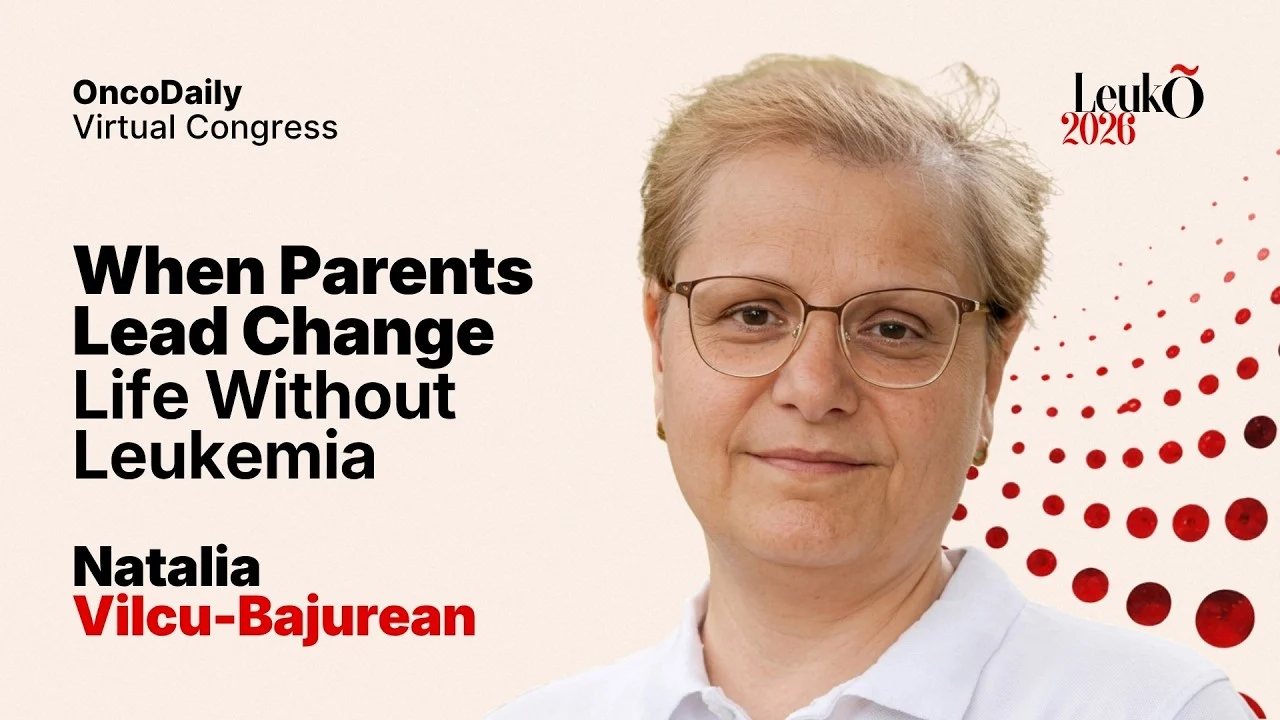
At LeukO 2026: Global Virtual Congress on Leukemias, organized by OncoDaily, Natalia Vilcu-Bajurean, President of Life Without Leukemia in Moldova, shared a deeply personal story of loss, determination, and the power of parents to change childhood cancer care.
In 2018, her son Gheorghe was diagnosed with leukemia. After months of treatment, a brief remission, and a devastating relapse, he passed away just two days before Christmas in 2019. At the same time, she was undergoing cancer treatment herself.
What followed was a commitment that would shape the rest of her life: to improve the conditions and treatment available to children with cancer in Moldova, so that other families could have opportunities hers had struggled to find.
Her presentation traced that journey, from a mother’s experience inside a pediatric oncology ward to an organization helping shape national health policies, improve diagnostics, and expand access to essential medicines.
The Story Behind Her Mission of Hope
Before her son’s diagnosis, she knew very little about childhood cancer. Despite having two university degrees and working in a prominent state institution, she believed cancer in children was almost always fatal.
It was a subject she feared so much that she avoided speaking about it.
Then, in 2018, her son Gheorghe was diagnosed with leukemia.
He underwent a year of treatment and entered remission, giving the family reason to believe that the worst might finally be behind them. But after approximately six months, the leukemia returned, this time aggressively.
The family had to leave Moldova to seek treatment abroad. During the same period, she received her own cancer diagnosis.
On December 23, 2019, Gheorghe passed away.
While grieving the loss of her son and facing the uncertainty of her own illness, she began thinking about the families who would come after hers. She knew the difficulties of finding medicines, obtaining diagnostic tests, seeking treatment abroad, and navigating a healthcare system with limited resources.
She made a promise:
“I will devote the rest of my life, as long as it may last – one year, 10 years or 40 years – to achieve better conditions and better treatment for children with cancer in Moldova.”
That promise became the driving force behind her work with Life Without Leukemia, an organization created by parents who understood the difficulties of childhood cancer because they had experienced them themselves.
A Country With One Pediatric Cancer Center
Moldova is a small country of approximately 2.5 million people, where around 100 children are diagnosed with cancer each year.
Yet the entire country relies on a single specialized pediatric oncology service, located within the Institute of Oncology in Chișinău.
The pediatric hematology-oncology and solid tumor wards together have just 34 beds, seven doctors, 22 nurses, and 14 auxiliary staff members.
For families facing a childhood cancer diagnosis, access to specialized treatment can therefore involve substantial travel, financial pressure, and separation from their homes.
Although treatment follows European and international protocols, significant limitations remain.
Among the most persistent challenges are:
- Essential medicines: According to the figures presented, only 48% of medicines on the pediatric essential medicines list were registered in Moldova, with procurement and regulatory procedures creating additional barriers.
- Specialized diagnostics: Access to immunophenotyping and measurable residual disease (MRD) testing remains limited, with some testing supported by the foundation.
- Pediatric oncology surgery: The relatively small number of patients makes it difficult to develop and maintain specialized surgical expertise.
- Palliative care: Services remain concentrated in the capital, with no dedicated pediatric hospice available in the country.
These limitations have serious consequences for families. Those with sufficient financial resources may be able to travel abroad for additional diagnostics or treatment, while economically vulnerable families often have little choice but to rely entirely on what is available locally.
Improving childhood cancer care in Moldova therefore requires strengthening the services families can access at home.
When Helping Families Was No Longer Enough
Life Without Leukemia was founded in 2006, when a group of parents came together to support a young girl diagnosed with leukemia.
The girl successfully completed treatment, but the organization continued.
For years, its activities were relatively modest. Volunteers organized fairs, sold handmade items, and raised small amounts of money to support children and their families.
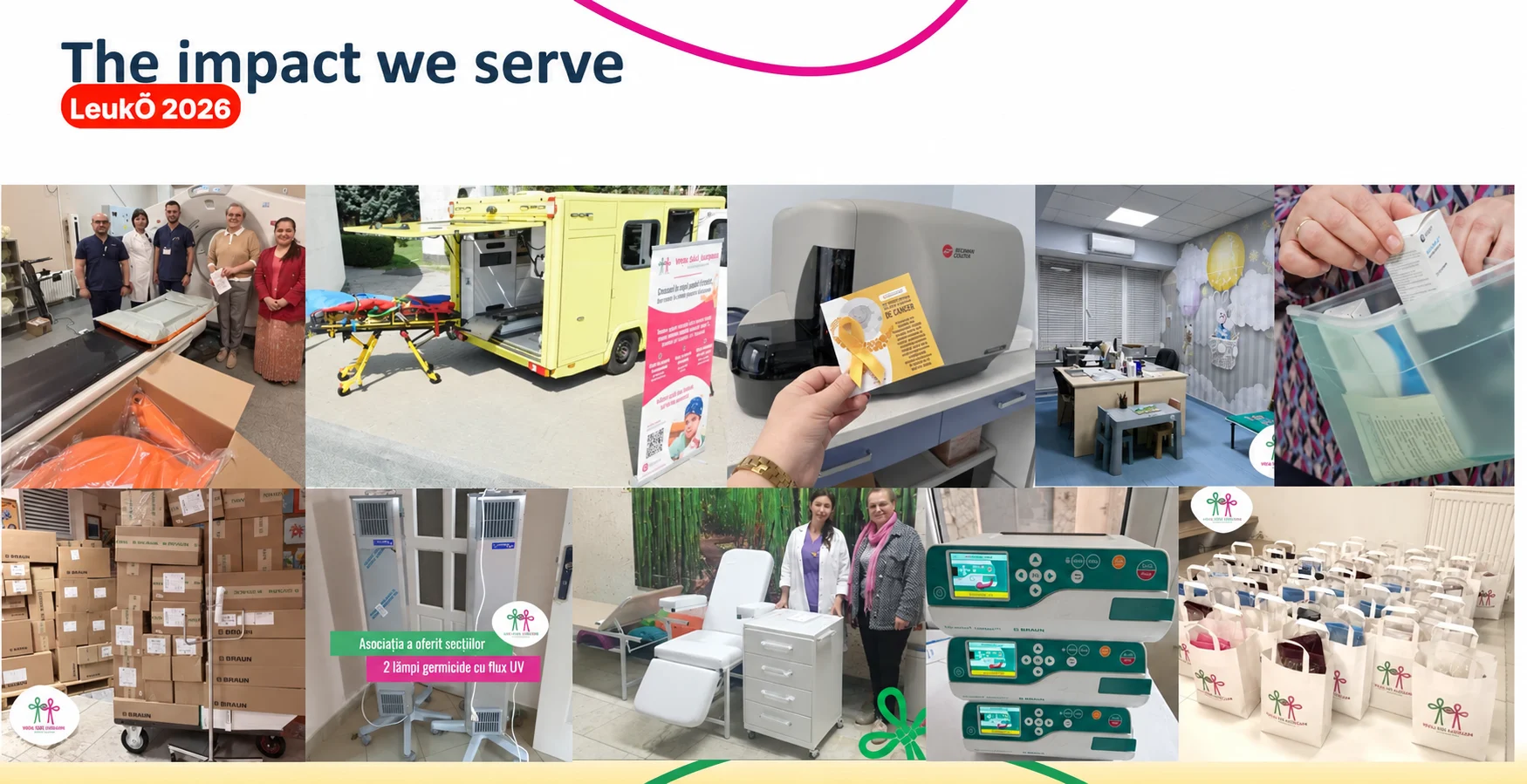
Over time, the organization expanded its work, providing financial assistance, medicines, transportation, emotional support, and help for socially vulnerable families.
Today, the foundation supports children with all types of cancer, despite its original name.
An important part of its work begins with something simple: listening to parents.
In a survey conducted by the organization, 69% of parents reported that they had never heard about childhood cancer before their child’s diagnosis, while another 14% had deliberately avoided information about the disease because it caused anxiety.
She recognized herself in those findings.
Before Gheorghe became ill, she too had avoided the subject, unable to imagine that childhood cancer could become part of her family’s life.
The foundation now holds weekly meetings with parents, listening to their concerns and using those conversations to guide its support programs.
It also works closely with the hospital’s medical staff, supporting professional training, conference participation, English-language education, and psychological and burnout-prevention initiatives for doctors and nurses.
But as the organization became more involved in the hospital, its members began to recognize that helping individual families, while essential, could not resolve every problem.
Some changes required decisions at the institutional and national levels.
An important shift followed in how the organization approached its work:
“You need more than lived experience. You need lived expertise.”
Parents understood what was happening inside the wards, but they also needed to learn how to present evidence, develop proposals, communicate with authorities, and participate effectively in healthcare planning.
This marked the beginning of the foundation’s advocacy work.
The First Victory: Bringing Diagnostics to Moldova
The foundation’s first major advocacy campaign grew out of a problem she had experienced firsthand during Gheorghe’s treatment.
During his treatment, the family had to transport bone marrow samples outside Moldova because the necessary diagnostic testing was not available locally.
She recalled traveling with samples to neighboring countries, including Romania, to obtain analyses that should ideally have been accessible within Moldova’s healthcare system.
The experience exposed a serious gap in pediatric leukemia diagnostics.
In February 2021, on International Childhood Cancer Day, Life Without Leukemia launched its first major advocacy campaign:
“I Want to Be Treated at Home in Moldova.”
The campaign focused on improving diagnostic services, particularly the need for a flow cytometer that could support leukemia immunophenotyping and help clinicians establish accurate diagnoses.
The organization began fundraising, although purchasing the equipment was far beyond its financial capacity.
Instead of abandoning the effort, the foundation continued raising awareness and engaging with public authorities.
Within months, public funding was allocated for the purchase of a flow cytometer. By the autumn of 2021, the laboratory had begun operating.
The foundation contributed funds toward laboratory equipment and continued supporting the training of medical professionals.
It was a major achievement for a relatively small parent organization.
Families who previously had to seek certain tests abroad could now access an important diagnostic service within Moldova, although further improvements in testing availability were still needed.
The experience demonstrated what parent advocacy could accomplish when combined with cooperation from healthcare professionals and public institutions.
From a Local Victory to Nationwide Change
The success of the diagnostic campaign encouraged Life Without Leukemia to become more involved in national healthcare planning.
With support from international partners, including the World Health Organization (WHO) and St. Jude Children’s Research Hospital, the foundation began working with medical professionals and government authorities to identify the country’s pediatric oncology priorities.
In 2022, the organization helped bring together healthcare professionals, hospital administrators, international experts, and government representatives for a national roundtable dedicated to childhood cancer.
At the time, pediatric oncology had received little attention in national policy discussions, and the existing cancer control plan did not adequately address its specific needs.
The foundation also participated in a nine-month assessment of pediatric cancer services using tools developed through St. Jude’s global childhood cancer initiatives.
The process examined gaps in diagnosis, treatment, supportive care, workforce capacity, and healthcare infrastructure, producing recommendations that could inform national planning.
Further progress followed in 2024, when a national pediatric cancer workshop brought together Moldovan and international experts.
The discussions produced 54 recommendations, several of which began to be translated into practical measures, including stronger cooperation between the pediatric oncology wards and specialized pediatric intensive care services.
One of the most important developments concerned access to medicines.
Moldova joined the Global Platform for Access to Childhood Cancer Medicines, an initiative established by WHO and St. Jude to improve the availability of quality-assured medicines in low- and middle-income countries.
In 2026, Moldova received its first shipment of childhood cancer medicines through the platform.
Life Without Leukemia participates in the country’s working group, contributing the patient and family perspective to discussions about medicine access, implementation, and monitoring.
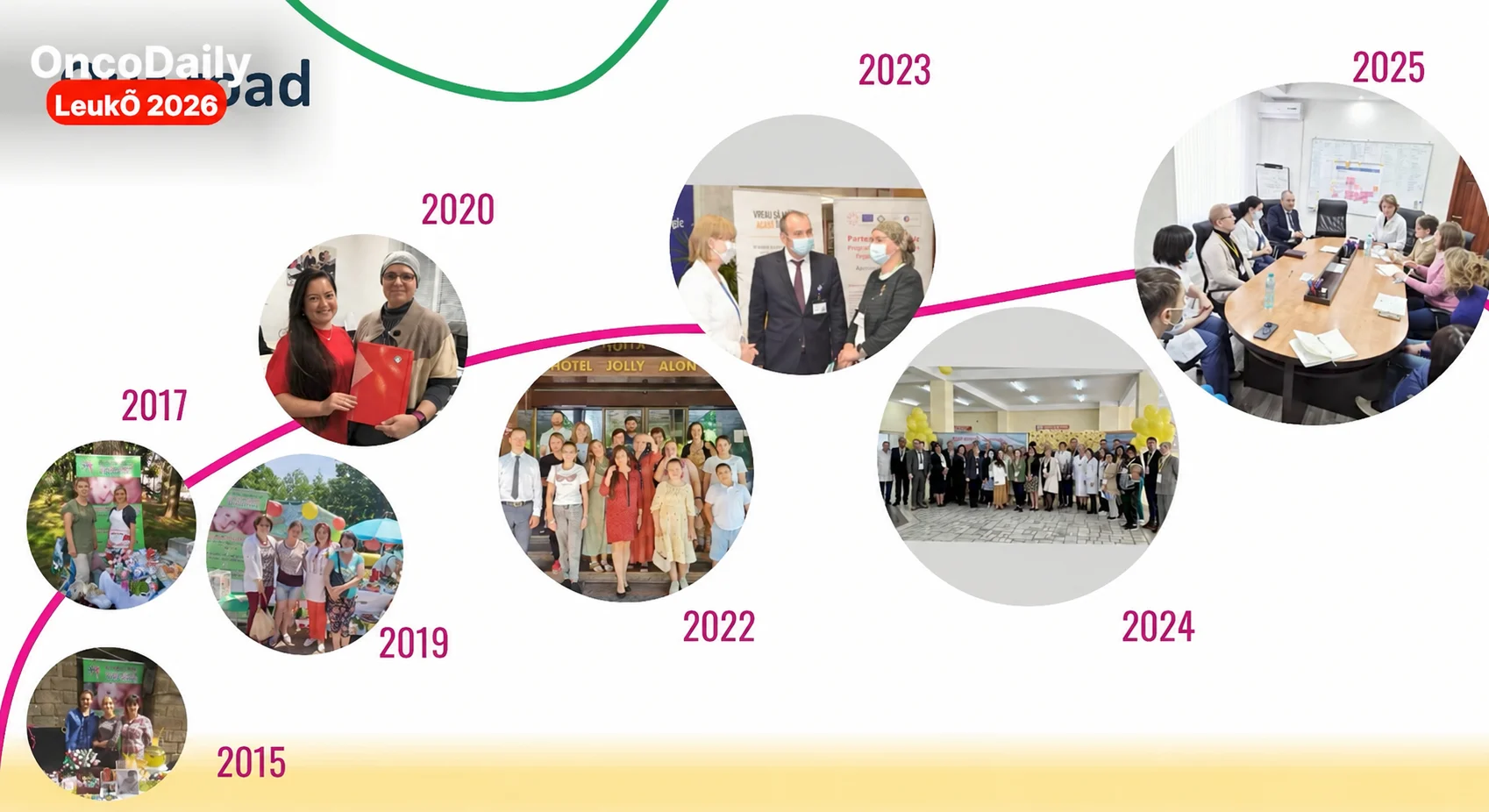
The progress is also reflected in Moldova’s National Cancer Control Programme for 2026-2030, which includes more than 35 activities specifically addressing pediatric cancer, with implementation costs identified.
For an organization that once relied on small fundraising fairs to help individual children, participation in these national discussions represents a significant change.
Parents who had experienced the limitations of the healthcare system firsthand are now helping inform decisions about how that system should improve.
Keeping Families at the Heart of Change
Despite these achievements, the foundation’s work remains closely connected to the families receiving treatment today.
Life Without Leukemia continues to provide practical and emotional support inside the hospital, helping parents access information, understand the treatment process, and connect with others facing similar experiences.
The foundation has also begun developing childhood cancer survivor groups in Moldova.
For children still undergoing treatment, meeting someone who has survived cancer can offer something particularly meaningful: the opportunity to see what life after treatment might look like.
For survivors, these groups create opportunities to rebuild confidence, share experiences, and find support as they return to education and everyday life.
The organization also recognizes the importance of supporting medical professionals, whose work takes place under considerable pressure and with limited resources.
These activities remain essential even as the foundation becomes more involved in national policy.
The families inside the hospital are still the reason for its work, and their experiences continue to shape its priorities.
That is why patient organizations should have a place in healthcare decision-making.
Policies may be developed by experienced professionals, but parents can reveal problems that are less visible from outside the hospital: what happens when a medicine is unavailable, when a diagnostic result requires traveling abroad, or when a family has nowhere to turn for support.
Their perspective can help ensure that improvements respond to the realities of daily patient care.
Her final message to healthcare leaders was simple, but it carried the weight of everything she had experienced:
“Have one parent on your board. This will completely change the perspective of what you are doing.”
That seat at the table means giving families a voice in decisions that can determine whether their children receive the care they need, close to home.
Written by Eliz Baloyan, MD, Features Writer and Editor at OncoDaily and CancerWorld