Key takeaways
- Where a child is born still influences their chances of receiving life-saving treatment, with the greatest disease burden often concentrated in regions with the fewest healthcare resources.
- Medical innovation is advancing faster than access, leaving many children without medicines that have been standard treatments for decades.
- A medicine being available does not guarantee that it is safe or effective, making quality assurance and reliable supply chains essential to childhood cancer care.
- Delivering medicines alone is not enough, as successful treatment also depends on accurate diagnostics, trained professionals, monitoring, and family support.
- ACT for Children has already helped more than 5,000 children access otherwise unavailable medicines, demonstrating what coordinated partnerships can achieve.
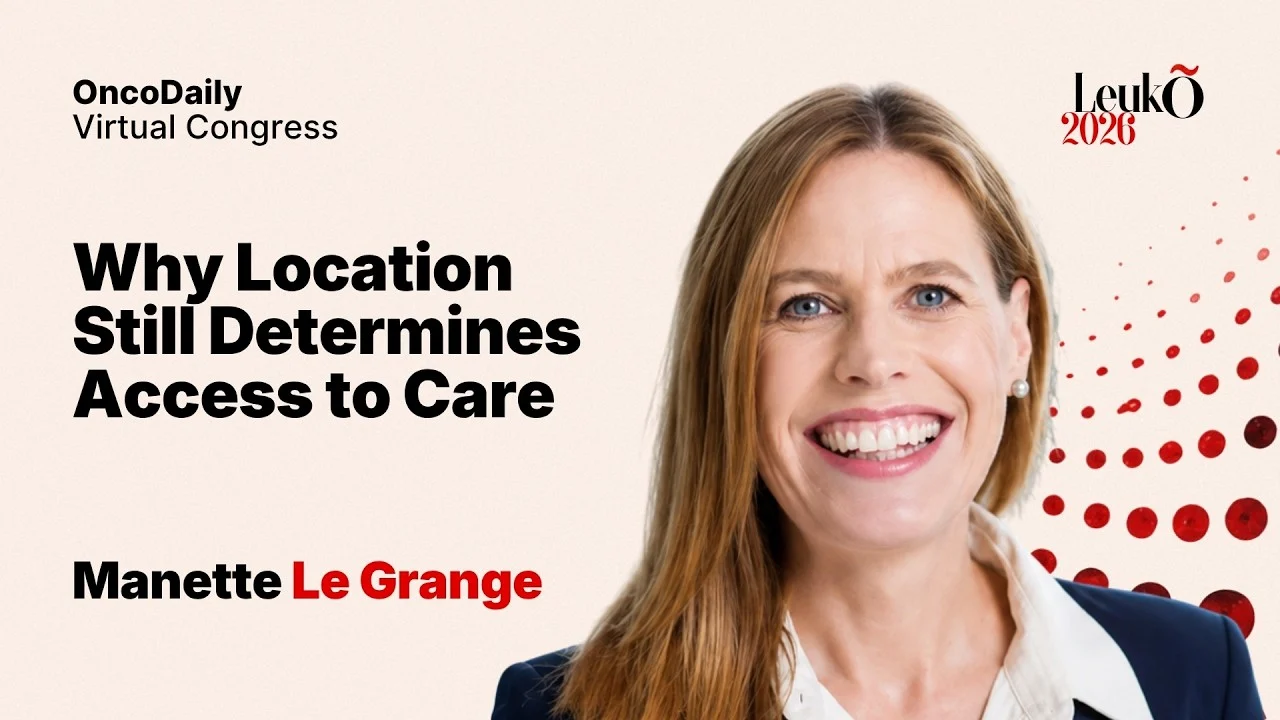
At LeukO 2026: Global Virtual Congress on Leukemias, organized by OncoDaily, Manette le Grange, Executive Director of ACT for Children, addressed one of the greatest contradictions in modern pediatric oncology: the growing number of effective cancer treatments and the millions of children who still struggle to access appropriate care.
While scientific advances continue to expand treatment possibilities, many children in low- and middle-income countries cannot reliably obtain medicines that have been used for decades. Even when those medicines are available, shortages of diagnostic services, trained professionals, and supportive care can prevent children from benefiting fully.
Through ACT for Children, a global initiative connecting pharmaceutical companies, healthcare professionals, governments, and patient organizations, le Grange is working to address these gaps.
Her presentation challenged a fundamental assumption about medical progress: developing an effective treatment does not mean that every child who needs it will have the opportunity to receive it.
The Unequal Geography of Childhood Cancer Care
A child’s chances of receiving effective cancer treatment remain heavily influenced by where they live.
The majority of children affected by serious diseases, including childhood cancers and blood disorders, live in low- and middle-income countries. Yet many of these countries have the fewest healthcare resources available to diagnose, treat, and monitor complex conditions.
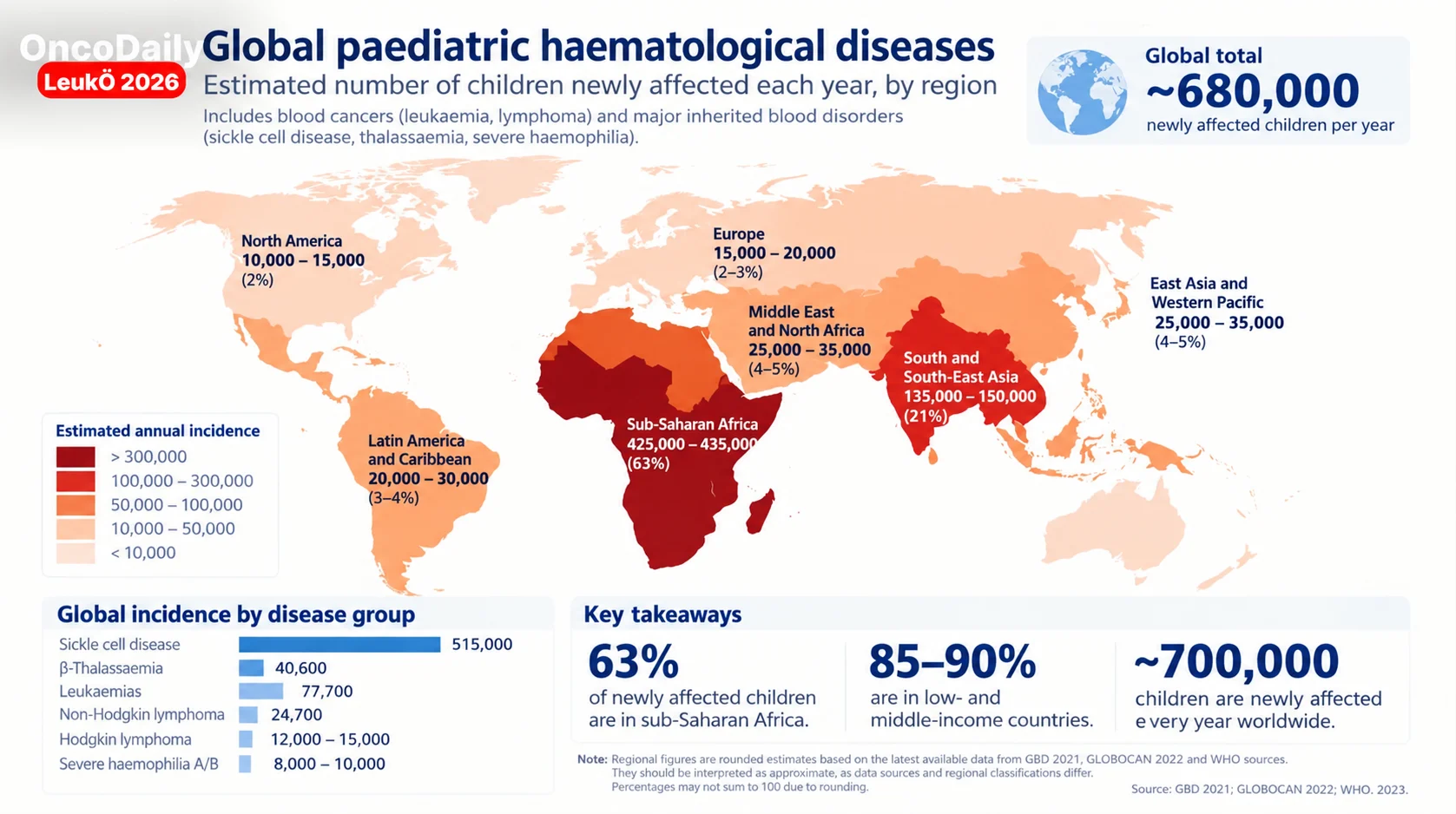
The geographic imbalance becomes even more striking when disease burden is compared with healthcare spending. Regions caring for large numbers of affected children often have far fewer financial resources to provide the specialized services they need.
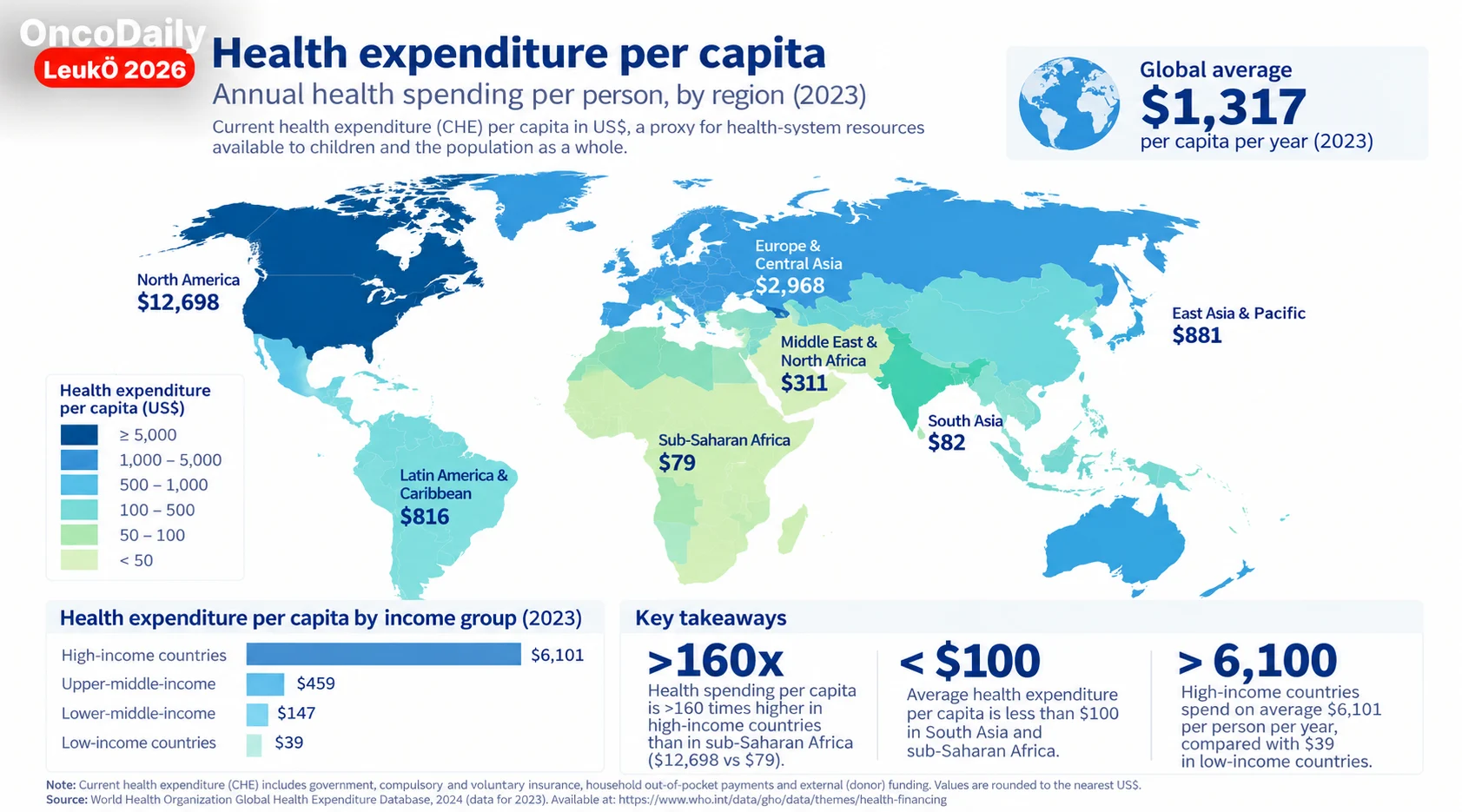
The consequences of this disparity are felt throughout the treatment journey. Caring for a child with leukemia requires far more than chemotherapy. It involves timely diagnosis, trained pediatric oncology teams, laboratory services, infection management, reliable medicines, and continuous monitoring.
In settings where healthcare spending is severely constrained, these services may be unavailable, unaffordable, or concentrated in a few specialized centers.
At the same time, cancer drug development continues to advance rapidly.
Dozens of new oncology medicines have received regulatory approval in recent years, expanding treatment opportunities for patients in well-resourced healthcare systems.
Yet children elsewhere may still lack consistent access to medicines that have been standard components of cancer treatment for years.
“When we talk about pediatric innovation, we have to ask a fundamental question: Are we developing solutions for the children who happen to live in markets that can support them, or for the global population of children who actually need them?”
When a Medicine Is Available but Cannot Be Trusted
One of the most overlooked challenges in global medicine access is quality.
Expanding the supply of cancer medicines is essential, but availability alone offers little protection if the medicines themselves do not meet appropriate quality standards.
The World Health Organization (WHO) estimates that approximately one in ten medical products in low- and middle-income countries is substandard or falsified.
These products may contain incorrect quantities of active ingredients, fail to meet manufacturing standards, or have been compromised through improper storage and distribution.
For children undergoing cancer treatment, unreliable medicine quality can undermine therapy and expose patients to additional risks.
A medicine may be affordable and physically available, but if its potency, identity, or storage conditions cannot be verified, its presence does not guarantee effective treatment.
Le Grange emphasized that meaningful access requires quality-assured medicines, delivered at the right time, within a healthcare system capable of using them safely.
This means considering the entire treatment pathway:
- Can the child receive an accurate diagnosis?
- Is the prescribed medicine registered, available, and quality-assured?
- Does the healthcare team have the expertise to administer and monitor treatment?
- Are laboratory services, supportive care, and pharmacovigilance systems functioning?
- Can the family overcome the practical and financial barriers to completing treatment?
- Failure at any one of these stages can compromise the benefits of otherwise effective therapy.
The challenge is therefore to connect these services into a functioning system of care.
ACT for Children: Building the Care Around the Medicine
ACT for Children was established to address precisely this problem.
Rather than operating as a conventional medicine donation program, the initiative brings together organizations with complementary expertise to create sustainable treatment pathways for children who would otherwise lack access.
Its model is built on three interconnected pillars:
1. Drug Access
Establishing reliable pathways for quality-assured medicines to reach children, including treatments that may not be commercially available or affordable in their countries.
2. Medical Excellence
Ensuring that healthcare professionals have the education, clinical guidance, expert consultation, and locally appropriate treatment protocols needed to use those medicines safely and effectively.
3. Patient Support
Addressing the practical barriers that can prevent children from completing treatment, including transportation, accommodation, nutrition, psychosocial difficulties, and the need for ongoing family assistance.
These pillars are designed to operate together.
Providing a hospital with a new cancer medicine may be of limited benefit if its healthcare team lacks the training required to administer it. Likewise, a child may have access to appropriate therapy but remain at risk of treatment interruption because their family cannot afford transportation or accommodation.
ACT for Children addresses these challenges through a public-private partnership model that connects pharmaceutical manufacturers, scientific organizations, clinical experts, governments, nonprofit organizations, and patient advocates.
Each partner contributes a different part of the solution.
Industry brings knowledge of medicine development and quality requirements. Clinicians and scientific organizations contribute disease-specific expertise. Governments and local organizations understand the healthcare system, while patient groups provide insight into the barriers experienced by children and families.
The goal is to make these contributions work together rather than function as separate initiatives.
As le Grange explained:
“The network is not a collection of logos or partnerships. It is an operating model.”
Importantly, ACT for Children does not aim to replace services or partnerships that already exist.
A hospital may already have access to a diagnostic laboratory, an established international clinical partnership, or support from a local nonprofit organization. The initiative first identifies these existing resources, then determines what is missing.
The solution is developed around the needs of the individual hospital and its patients.
This approach avoids imposing the same model on healthcare systems with different resources, regulatory environments, and clinical capabilities.
From Partnerships to Patients: What Has ACT Achieved?
Although ACT for Children has been operating for only approximately two years, its network has already begun to demonstrate what coordinated access initiatives can achieve.
According to the results presented at LeukO 2026, over the preceding 24 months:
- More than 5,000 children received medicines they otherwise would not have been able to access.
- More than 500 healthcare professionals received training, supported by ongoing virtual education and patient case consultations.
- The network expanded to 16 centers across eight countries and four continents.
- A free, expert-led education platform was established to support continuous professional learning.
These figures demonstrate the initiative’s early reach, although longer-term clinical outcome data will be needed to evaluate its effects on treatment completion and survival.
The work reflects a shift toward linking medicine supply with healthcare workforce development, clinical support, and sustainable delivery systems.
Participating centers benefit from access to quality-assured treatments alongside educational programs and opportunities for expert consultation.
The model also creates opportunities for local healthcare teams to build expertise and strengthen their ability to manage complex childhood cancers.
Among all the figures, one stood out to le Grange: more than 5,000 children had gained access to medicines that would otherwise have remained unavailable to them.
Each represents a child whose treatment options had been constrained by circumstances beyond their control.
The larger objective is to ensure that these improvements can continue as programs expand, partnerships evolve, and local healthcare systems develop greater capacity.
Will Innovation Close the Gap or Make It Wider?
The next challenge is ensuring that new medical advances do not further increase disparities between children who can access them and those who cannot.
Innovative treatments can improve survival and offer new possibilities for children with difficult-to-treat cancers. But introducing increasingly sophisticated therapies into healthcare systems that already have extensive resources, while other countries struggle to provide established medicines, risks widening existing inequalities.
“We are living through an extraordinary period of innovation in medicine. The question is whether innovation will widen the gap between children who can access it and those who cannot, or whether we can use it as an opportunity to close that gap.”
This requires long-term collaboration between pharmaceutical companies, governments, healthcare professionals, scientific organizations, and patient-support groups.
It also requires recognizing that access involves a shared responsibility extending from medicine development and regulation to clinical delivery and family support.
ACT for Children’s experience offers an emerging model for putting that responsibility into practice: identifying gaps in local care, connecting organizations with relevant expertise, and ensuring that medicines reach patients through systems equipped to use them appropriately.
The initiative is still young, and its long-term impact will depend on the sustainability of these partnerships and improvements in patient outcomes.
But its early work demonstrates how much can be achieved when access to medicine, clinical expertise, and patient support are developed together.
Le Grange closed her presentation with a reminder of why these efforts matter:
“Where a child lives may influence the challenges we need to overcome. It should never determine the care they are able to receive.”
Written by Eliz Baloyan, MD, Features Writer and Editor at OncoDaily and CancerWorld