
Key takeaways
- A decade of research is providing valuable insight into acute leukemia care in Armenia, helping clinicians understand patient outcomes and identify opportunities for improvement.
- Recent findings offer encouraging signs of progress, with a lower observed case fatality rate in the newer cohort, although longer follow-up is needed to confirm improvements in survival.
- Diagnostic capabilities and healthcare data collection are evolving, creating opportunities for more accurate leukemia classification, better patient monitoring, and stronger clinical research.
- Armenia's growing body of leukemia research can help shape future healthcare policies, turning real-world evidence into more accessible and effective care for patients.
- Stronger supportive care and more comprehensive electronic health records are essential to reducing preventable deaths and improving leukemia care in Armenia.
At LeukO 2026: Global Virtual Congress on Leukemias, organized by OncoDaily, Lusine Harutyunyan, hematologist at Yeolyan Hematology and Oncology Center and researcher at the Immune Oncology Research Institute in Armenia, presented a decade of real-world data examining mortality from acute leukemia and the challenges affecting treatment outcomes in the country.
Acute leukemia is among the most aggressive hematologic malignancies, but advances in chemotherapy, molecular diagnostics, targeted therapies, and supportive care have substantially improved survival in many countries. In Armenia, however, patients have historically faced barriers that go beyond the disease itself.
Some died before receiving chemotherapy. Others achieved remission but did not survive treatment-related complications. For many, access to essential diagnostic tests and treatment options depended on what they could afford.
Drawing on two consecutive five-year studies, Dr. Harutyunyan examined how these challenges influenced outcomes between 2016 and 2025, what has changed over the past decade, and where further improvements are still needed.
22% Five-Year Survival: The Reality Behind Armenia’s Leukemia Data
The first study, Understanding the Causes of High Mortality Among Adult Acute Leukaemia Patients in Armenia, was published in ecancer in July 2025.
The retrospective analysis examined patients diagnosed with acute leukemia at Armenia’s national hematology center between January 2016 and December 2020.
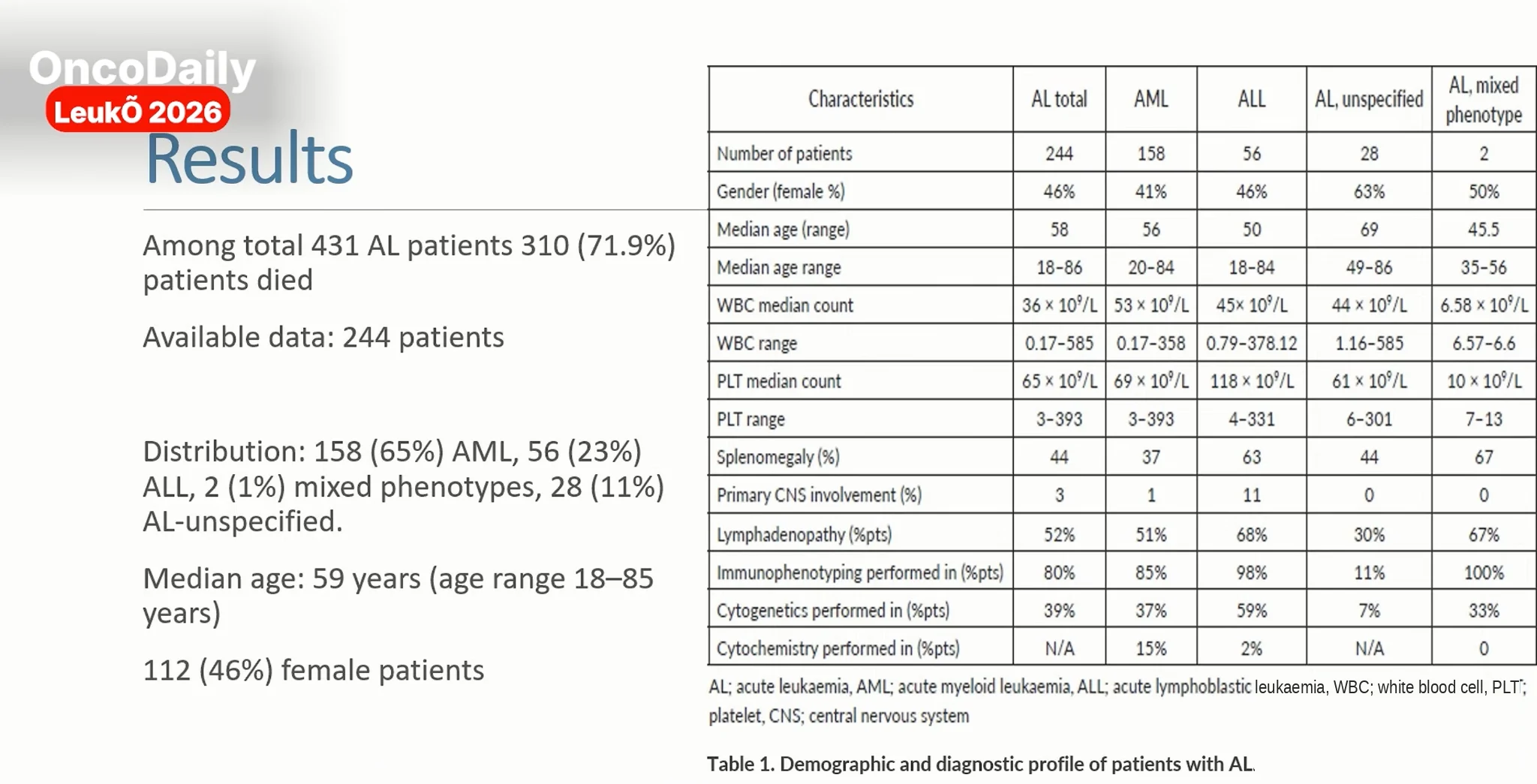
During that period, 431 adults were diagnosed with acute leukemia, of whom 310 died during the available follow-up. Detailed clinical records were available for 244 patients, including:
- 158 patients with acute myeloid leukemia (AML)
- 56 patients with acute lymphoblastic leukemia (ALL)
- 2 patients with mixed-phenotype acute leukemia
- 28 patients whose acute leukemia subtype was unspecified
- The median age was 59 years.
The survival results revealed the extent of the challenge.
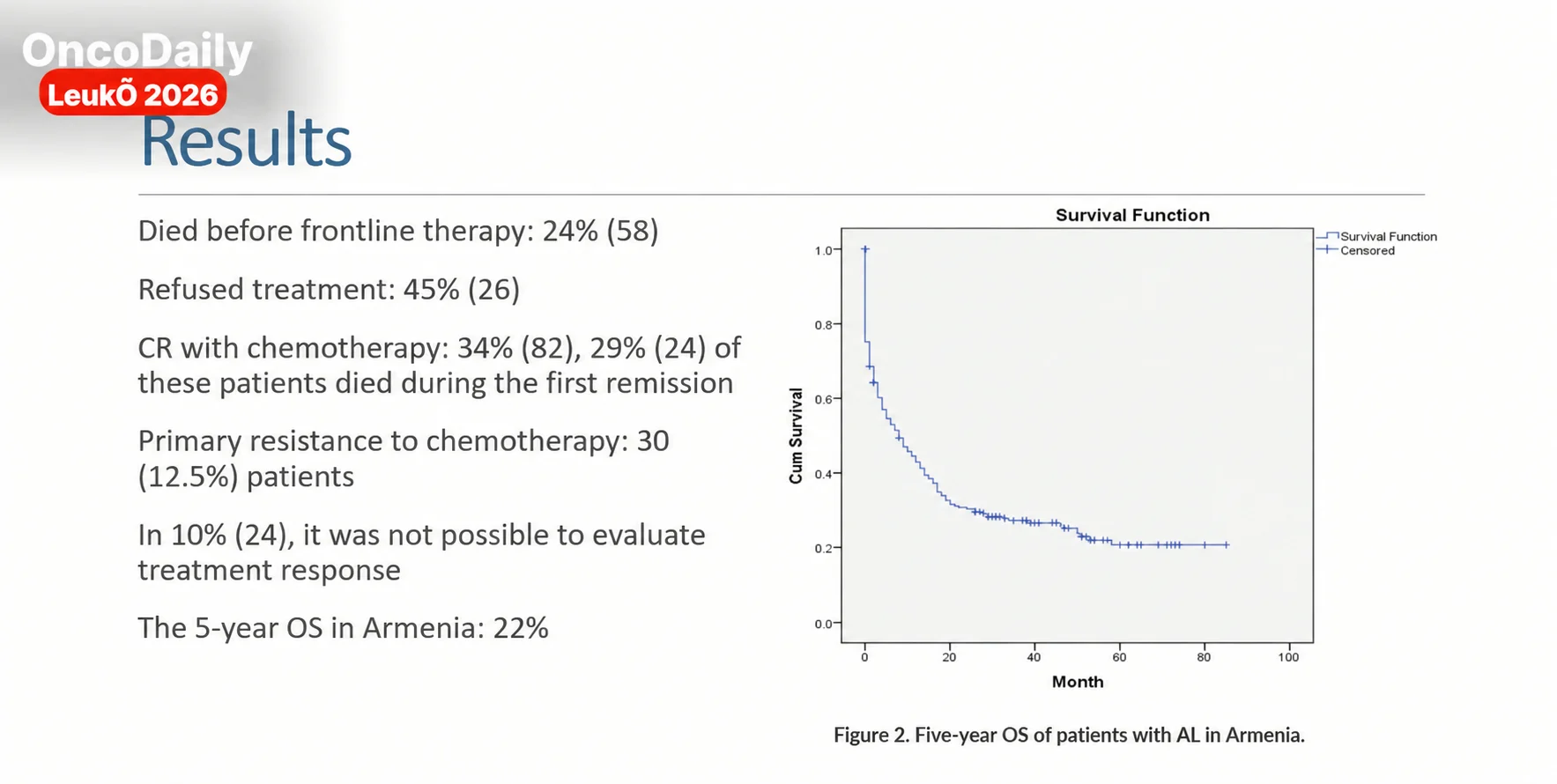
Five-year overall survival was 22% across the studied acute leukemia population, including 21% for AML and 26% for ALL.
 These outcomes were considerably lower than those reported in many high-income countries, where improvements in risk-adapted treatment, molecular diagnostics, and access to newer therapies have increased the chances of long-term survival.
But the mortality figures were only part of the story.
Among the 244 patients with detailed records, 58 died before starting frontline chemotherapy. Of these, 26 had declined treatment, while others experienced serious complications or progression of their leukemia before therapy could begin.
Another 50 patients died during induction chemotherapy.
Even achieving remission did not guarantee survival. Of the 82 patients who entered complete remission, 24 died while still in their first remission, with causes including infections, cardiovascular complications, and respiratory failure.
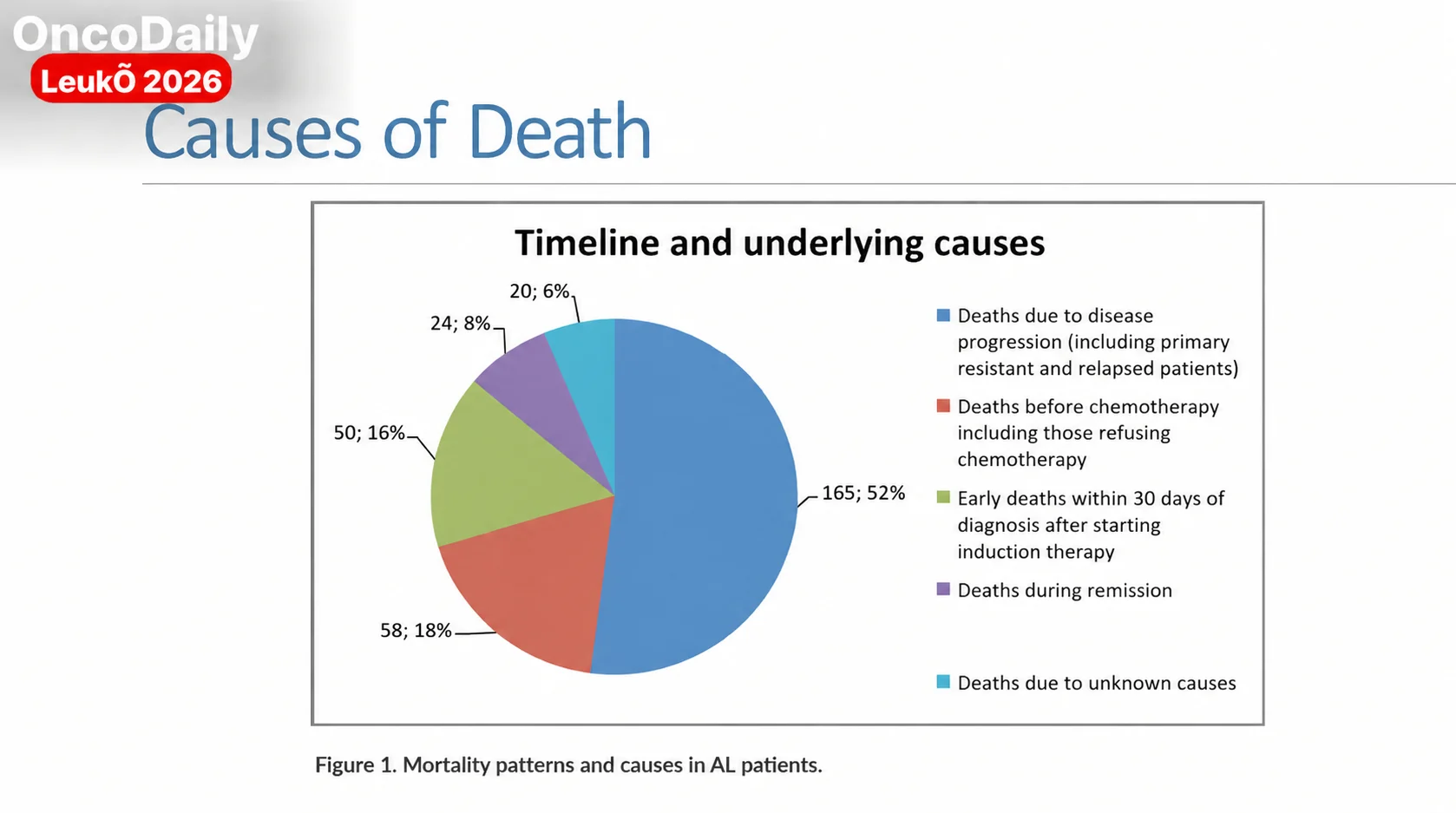
Disease progression remained the principal cause of death, but treatment-related complications and barriers to receiving therapy also contributed substantially.
The findings highlighted several points along the treatment pathway where patients were particularly vulnerable, beginning with diagnosis and continuing through induction, consolidation, and relapse management.
The Price of an Accurate Diagnosis
Modern leukemia treatment depends heavily on identifying the biological characteristics of the disease.
Immunophenotyping, cytogenetic analysis, and molecular testing help distinguish leukemia subtypes, determine prognosis, and identify patients who may benefit from targeted treatment.
During the earlier study period, however, access to these investigations in Armenia was constrained by cost and limited laboratory capacity.
Before 2010, acute leukemia diagnosis relied heavily on bone marrow morphology and cytochemistry. The introduction of multiparameter flow cytometry improved diagnostic capabilities, but immunophenotyping was not routinely covered by state funding.
In the 2016-2020 cohort, 135 of 158 patients with AML underwent immunophenotyping, with patients responsible for the cost of testing.
The situation was even more difficult for cytogenetic and molecular investigations.
Only 37% of AML patients underwent cytogenetic testing, largely because of financial barriers. Testing for clinically relevant mutations, including FLT3 and IDH alterations, often required samples to be sent abroad.
The consequences extended directly into treatment planning.
Without appropriate genetic testing, clinicians may be unable to identify certain high-risk features or determine eligibility for mutation-directed therapies.
For patients with ALL, similar limitations existed. Although immunophenotyping was performed in nearly all cases, fluorescence in situ hybridization (FISH) testing for Philadelphia chromosome positivity was carried out in only 59% of patients.
These diagnostic gaps were particularly important as leukemia treatment became increasingly dependent on molecular classification.
The challenge was therefore not simply whether a laboratory technique existed. It was whether every patient who needed the test could receive it in time to influence treatment.
When Treatment Decisions Depend on Finances
Access to chemotherapy presented another major challenge.
For AML, conventional induction with cytarabine and an anthracycline, commonly known as the 7+3 regimen, remained the principal treatment approach.
Among 77 patients receiving this induction regimen in the earlier cohort, 42 achieved complete remission, although 32 subsequently relapsed.
Consolidation treatment frequently involved high-dose cytarabine (HiDAC), but not every patient could afford the recommended treatment strategy.
Chemotherapy was only partially covered by the state, with financial limits beyond which patients were responsible for additional medication costs.
As a result, the choice between consolidation regimens could depend on a patient’s financial circumstances, with some receiving less expensive alternatives.
Treatment after relapse was even more difficult. Among patients with relapsed AML who received salvage therapy, second remissions were uncommon.
The situation in ALL followed a similar pattern.
Patients were treated using protocols such as GMALL, BFM, and CALGB, with remission rates varying according to the regimen. However, relapse remained a major problem.
Approximately 59% of patients with ALL experienced relapse, and only half received subsequent treatment. None of the relapsed ALL patients in the analyzed group achieved a second remission.
The affordability of medicines also affected the completeness of treatment protocols.
Agents such as peg-asparaginase, rituximab, and nelarabine were financially inaccessible for many patients, leaving some unable to receive all the recommended components of therapy.
For Philadelphia chromosome-positive ALL, tyrosine kinase inhibitors provided through The Max Foundation helped reduce the financial burden.
However, newer treatment options, including blinatumomab, inotuzumab ozogamicin, and CAR-T-cell therapy, were unavailable during the study period.
These findings demonstrated how differences in access could affect care at every stage, from the choice of initial regimen to the availability of effective treatment after relapse.
When Affordability Determines the Treatment Plan
Another important finding concerned patients who died despite responding to treatment.
In acute leukemia, chemotherapy-induced cytopenias, infections, bleeding, and organ complications can become life-threatening, making supportive care an essential component of successful treatment.
Access to antimicrobial treatment, antifungal prophylaxis, transfusion support, and other supportive interventions is particularly important during intensive chemotherapy.
In Armenia, several of these services and medicines were not consistently available or fully covered.
For example, patients could face significant out-of-pocket expenses for medications such as posaconazole or granulocyte colony-stimulating factors.
These limitations affected the management of treatment-related complications and added to the financial pressure already associated with cancer care.
The mortality findings reflected this problem. Patients died from septic shock, pulmonary infections, cardiovascular events, and respiratory failure, including some whose leukemia had entered remission.
The experience reinforced an important clinical distinction: achieving remission is not the same as safely completing treatment.
Improving survival therefore requires investment in infection prevention, early recognition of complications, appropriate supportive medicines, and the hospital resources needed to manage critically ill patients.
Remission Is Not the End of the Risk
Following the publication of the first study, the research team continued investigating acute leukemia outcomes in Armenia.
The next analysis, Five-Year Retrospective Analysis of Acute Leukemia Mortality in Armenia, was presented at the European Hematology Association (EHA) Congress in 2026.
It examined 480 adults diagnosed with acute leukemia between January 2021 and December 2025 at the same national center, allowing the investigators to assess more recent mortality patterns.
The median age was 64 years, compared with 59 years in the previous cohort.
Among the 480 patients, 224 deaths had been recorded, corresponding to an observed case fatality rate of 46.7%, compared with approximately 72% in the previous five-year cohort.
The difference was encouraging and suggested improvement in the country’s acute leukemia outcomes.
However, the investigators emphasized an important limitation: the newer cohort had substantially shorter follow-up, making it impossible to calculate a comparable five-year overall survival rate.
Consequently, the lower observed case fatality rate should not be interpreted as proof of an equivalent improvement in long-term survival.
The newer data also showed that serious challenges persisted.
Among the 224 patients who died:
- 61 died before receiving initial treatment, because of critical illness or treatment refusal, with financial and psychological factors contributing to some refusals.
- 55 deaths occurred within 30 days of diagnosis.
- 95 deaths occurred within 90 days of diagnosis.
- The median interval between diagnosis and death among deceased patients was 118 days.
Disease progression continued to be the leading recorded cause of death. Infections, sepsis, pneumonia, septic shock, and acute respiratory failure also contributed substantially to mortality.
These findings showed that while the overall picture had become more encouraging, many patients were still dying early in their disease course, sometimes before treatment could begin.
For those who received therapy, controlling the leukemia and preventing serious complications remained central challenges.
Better Data, Better Treatment, and the Next Steps for Armenia
The two studies also revealed how limitations in medical records can affect the understanding of national cancer outcomes.
During the 2016-2020 period, much of the information was recorded on paper. Although the national registry included 431 patients, sufficiently detailed records were available for only 244, limiting the completeness of the analysis.
The researchers also recognized that some patients with acute leukemia may never have reached the specialized center or received a confirmed diagnosis, meaning national estimates could underestimate the disease burden.
Since then, Armenia has made progress toward electronic healthcare records and more accessible clinical data.
This development is expected to improve future research by allowing investigators to follow patients more consistently, evaluate treatment outcomes, and identify gaps in care with greater accuracy.
The next priorities are equally important: expanding affordable access to cytogenetic and molecular diagnostics, strengthening availability of essential and targeted medicines, and ensuring that patients can receive the supportive care required to complete treatment safely.
The findings from the two cohorts provide a foundation for those improvements. They document where patients have historically been lost along the treatment pathway and offer a way to measure whether changes in healthcare delivery translate into better outcomes.
At LeukO 2026, Dr. Harutyunyan presented a cautious but encouraging picture of progress. The more recent data suggest that fewer diagnosed patients are dying within the currently observed follow-up period, although longer monitoring will be necessary to establish how much survival has improved.
Meanwhile, the challenges identified in the original study remain highly relevant: patients still need timely diagnosis, affordable treatment, effective management of complications, and access to care regardless of their financial circumstances.
The next measure of progress in Armenia will be whether more patients can begin the treatment they need, complete it safely, and remain alive long after remission is achieved.
Written by Eliz Baloyan, MD, Features Writer and Editor at OncoDaily and CancerWorld