Key takeaways
- CAR-T cell therapy has significantly improved outcomes in relapsed/refractory B-ALL. The ZUMA-3 and FELIX trials demonstrate meaningful survival benefits and the potential for durable remission in heavily pretreated patients.
- Disease burden before CAR-T influences treatment outcomes. Patients with lower leukemia burden generally achieve better outcomes, highlighting the importance of appropriate bridging therapy and disease assessment before infusion.
- MRD negativity and CAR-T cell persistence may help predict long-term remission. Monitoring these factors could improve relapse risk assessment and guide personalized decisions about further treatment.
- Not every patient may require transplantation after CAR-T. Selected patients with deep, sustained responses may be able to avoid immediate allogeneic transplantation, although prospective evidence is still needed to establish which patients can safely do so.
- New CAR-T strategies are expanding treatment possibilities. Tumor burden-guided dosing, earlier use as consolidation, off-the-shelf products, and in vivo CAR-T technologies may improve safety, accessibility, and long-term outcomes.
At LeukO 2026: Global Virtual Congress on Leukemias, organized by OncoDaily, Khaoula Mazouzi, from the Department of Stem Cell Transplantation and Cellular Therapy at The University of Texas MD Anderson Cancer Center, explored the evolving role of chimeric antigen receptor (CAR) T-cell therapy in relapsed or refractory B-cell acute lymphoblastic leukemia (B-ALL).
Her presentation examined the clinical evidence behind CAR-T therapy, including results from the ZUMA-3 and FELIX trials, the importance of disease burden and measurable residual disease (MRD), and an increasingly important treatment decision: which patients should proceed to allogeneic stem cell transplantation after CAR-T?
As cellular therapies continue to improve outcomes for patients with heavily pretreated B-ALL, clinicians are reconsidering treatment strategies that once relied predominantly on chemotherapy and transplantation. However, the possibility of achieving durable remission without additional treatment must be balanced against the risk of relapse, treatment-related toxicity, and the limitations of the available evidence.
From Chemotherapy to a New Era of B-ALL Treatment
For decades, the treatment of B-ALL depended largely on intensive chemotherapy, followed by additional treatment and, for selected patients, allogeneic stem cell transplantation.
Although this approach achieved long-term survival in some patients, outcomes after relapse were particularly poor. Many patients were unable to undergo transplantation because of comorbidities, donor availability, or complications associated with previous treatment.
Mazouzi reviewed historical studies showing that survival declined substantially with successive lines of salvage chemotherapy, with median overall survival often measured in only a few months for patients with multiply relapsed disease.
These limitations encouraged the development of treatments capable of recognizing leukemia cells more selectively.
One of the earlier advances was the addition of rituximab, an anti-CD20 monoclonal antibody, to chemotherapy for patients with CD20-positive B-ALL.
In the randomized GRAALL-2005 study, the four-year cumulative incidence of relapse decreased from 41% with chemotherapy alone to 25% with rituximab-containing treatment. Four-year overall survival was numerically higher, at 61% versus 50%, although that survival difference did not reach statistical significance.
The next major development involved inotuzumab ozogamicin, an antibody-drug conjugate targeting CD22.
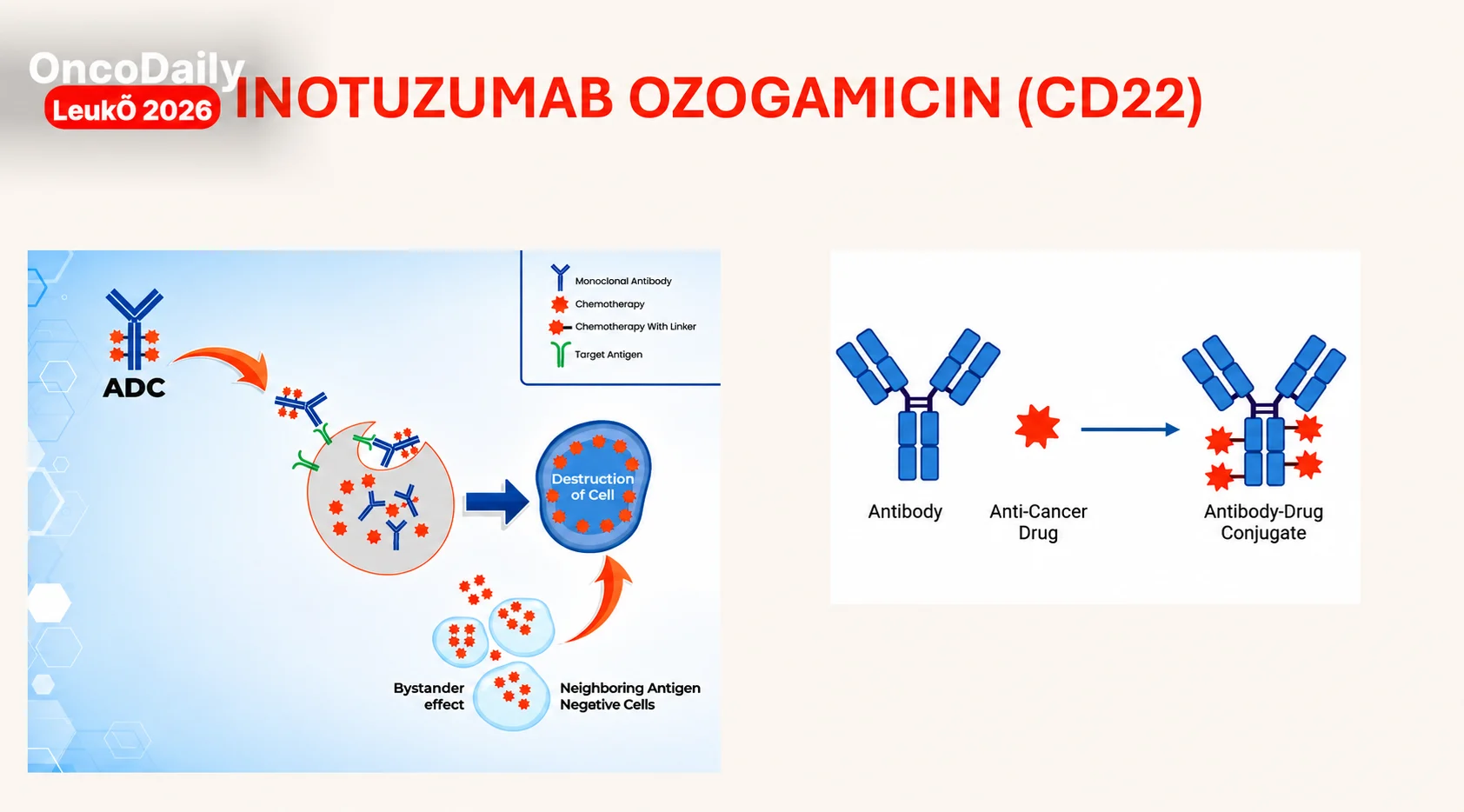
By combining an antibody with a cytotoxic payload, the treatment delivers chemotherapy more selectively to CD22-expressing leukemia cells.
In the phase III INO-VATE trial, the three-year overall survival rate was 20.3% with inotuzumab ozogamicin compared with 6.5% with standard chemotherapy, demonstrating an important improvement in a population with limited treatment options.
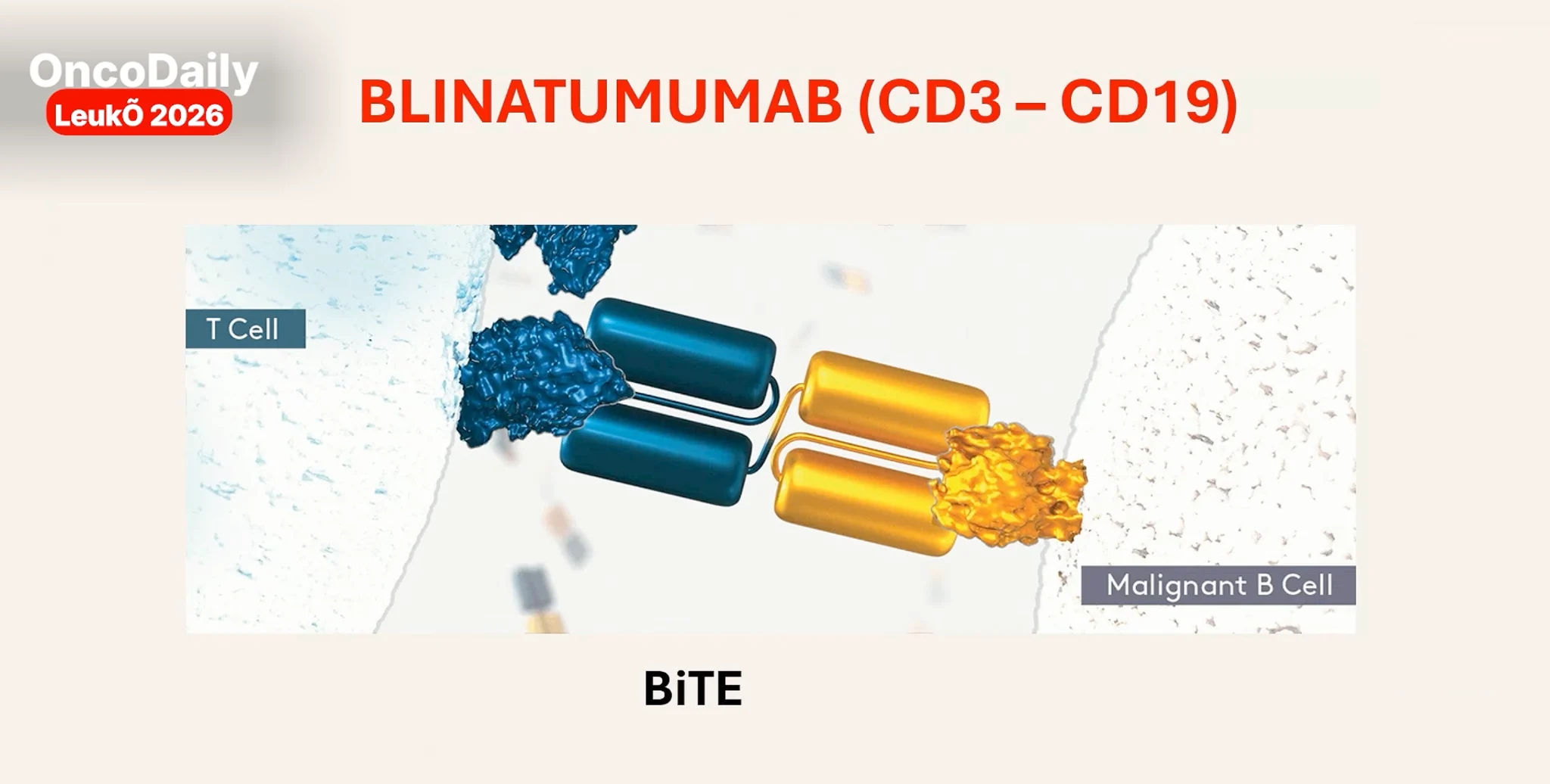
Mazouzi then discussed blinatumomab, a bispecific T-cell engager that connects CD19-expressing leukemia cells with CD3-positive T cells, allowing the immune system to recognize and eliminate malignant cells.
In the phase III TOWER trial, blinatumomab improved median overall survival from 4.0 months with chemotherapy to 7.7 months.
Unlike conventional chemotherapy, blinatumomab works by redirecting immune activity against leukemia cells. Nevertheless, it carries its own risks, including cytokine release syndrome and neurotoxicity.
Together, these developments established the clinical value of immune-directed treatment and helped create the foundation for CAR-T cell therapy.
How CAR-T Cell Therapy Works
CAR-T therapy takes immune targeting a step further by genetically modifying the patient’s own T cells to recognize leukemia cells.
The process begins with apheresis, during which T cells are collected from the patient’s blood.
These cells are then genetically modified to express a chimeric antigen receptor, commonly designed to recognize CD19 on malignant B cells.
After modification, the T cells are expanded in a laboratory to generate a sufficient number for treatment.
Before infusion, the patient receives lymphodepleting chemotherapy to create an environment that supports the expansion and activity of the engineered cells.
The CAR-T cells are subsequently infused into the bloodstream, where they can recognize and attack CD19-expressing leukemia cells.
Mazouzi explained that the development of CAR-T represented a fundamental change in cancer treatment.
Rather than repeatedly administering cytotoxic drugs, clinicians could provide a cellular therapy capable of expanding and remaining active after infusion.
However, CAR-T treatment is not free from complications. Its effectiveness depends on factors including disease burden, antigen expression, T-cell function, and persistence, while immune activation can produce serious inflammatory and neurological toxicities.
The first CAR-T therapy approved for B-ALL was tisagenlecleucel (Kymriah) in 2017, initially for patients aged 25 years or younger.
Subsequent approvals expanded cellular therapy options for adults, including brexucabtagene autoleucel (Tecartus) in 2021 and obecabtagene autoleucel (Aucatzyl) in November 2024.
Mazouzi focused on the clinical evidence behind the latter two treatments and their implications for patients with relapsed/refractory disease.
ZUMA-3: Improving Survival in Heavily Pretreated B-ALL
The ZUMA-3 trial evaluated brexucabtagene autoleucel, also known as brexu-cel, in adults with relapsed or refractory B-ALL.
The phase I/II study enrolled patients who had previously received different treatment approaches, including chemotherapy, targeted immunotherapies, and, in some cases, stem cell transplantation.
Patients received bridging treatment when needed, followed by lymphodepleting chemotherapy and a single infusion of brexu-cel.
The trial demonstrated substantial antileukemic activity in a population with historically poor outcomes.
In the pooled phase I/II population of 78 patients treated at the pivotal dose, approximately 73% achieved complete remission or complete remission with incomplete hematologic recovery (CR/CRi).
Complete remission with incomplete hematologic recovery indicates that leukemia blasts have been cleared according to the response criteria, although blood counts have not fully recovered.
With longer follow-up, median overall survival reached 25.6 months, substantially exceeding the survival historically reported in many multiply relapsed B-ALL cohorts.
The five-year ZUMA-3 follow-up also reported a five-year overall survival rate of approximately 40% in the pooled population.
These findings provide evidence that a proportion of patients can achieve prolonged survival after a single course of CAR-T therapy.
However, comparisons with historical chemotherapy outcomes should not be interpreted as head-to-head randomized evidence, because the populations and treatment settings differ.
Understanding the Toxicity of CAR-T Therapy
Although ZUMA-3 demonstrated encouraging efficacy, treatment-related toxicity remained a significant concern.
Mazouzi discussed two of the most important complications: cytokine release syndrome (CRS) and immune effector cell-associated neurotoxicity syndrome (ICANS).
CRS results from widespread immune activation and may cause fever, hypotension, respiratory complications, and organ dysfunction.
ICANS can produce neurological symptoms ranging from confusion and language disturbances to seizures or severe encephalopathy.
In the pivotal ZUMA-3 experience, approximately 24% of patients developed grade 3 or higher CRS, while around 25% experienced grade 3 or higher neurological toxicity.
Other clinically important adverse events included cytopenias, infections, and complications associated with lymphodepleting chemotherapy.
Mazouzi emphasized that CAR-T treatment requires specialized monitoring and the ability to recognize and manage these adverse events promptly.
As cellular therapy has evolved, approaches to toxicity prevention, grading, and management have become more standardized, allowing clinicians to better anticipate and address complications.
Does Every Patient Need a Transplant After CAR-T?
One of the most clinically significant questions in Mazouzi’s presentation concerned the role of allogeneic transplantation after successful CAR-T therapy.
Historically, many clinicians regarded CAR-T as a bridge to transplantation rather than a potentially definitive treatment.
The concern was that leukemia might return once CAR-T cells declined or lost their effectiveness.
However, long-term follow-up from ZUMA-3 has raised questions about whether transplantation is necessary for every patient who responds.
In one nonrandomized analysis, median overall survival was 60.4 months among responders who did not undergo subsequent allogeneic transplantation, compared with 36.3 months among those who did.
These results are intriguing, particularly because transplantation carries risks of treatment-related mortality, infections, graft-versus-host disease, and prolonged complications.
However, the comparison does not establish that avoiding transplantation improves survival.
Patients who proceeded to transplantation were not randomly selected, and differences in disease risk, response quality, clinical condition, and other factors may have influenced outcomes.
Mazouzi used these findings to introduce an important change in clinical thinking.
Rather than automatically proceeding to transplantation after every CAR-T response, clinicians increasingly need to determine which patients are likely to maintain remission and which remain at substantial risk of relapse.
This question becomes particularly relevant when considering newer CAR-T products designed to improve persistence and reduce treatment-related toxicity.
FELIX: A Different Approach to CAR-T Cell Therapy
The phase Ib/II FELIX trial evaluated obecabtagene autoleucel (obe-cel), a CD19-directed CAR-T product developed with a distinctive receptor design and administration strategy.
Unlike conventional high-affinity CAR constructs, obe-cel uses an intermediate-affinity CD19-binding domain.
This allows the engineered T cells to recognize malignant cells while potentially reducing prolonged receptor engagement and excessive immune activation.
Mazouzi explained that the approach was intended to maintain antileukemic activity while limiting inflammatory toxicities.
Another important feature was the use of tumor burden-guided split dosing.
Rather than delivering the entire target dose in a single infusion, treatment was divided between two administrations, with the initial dose adjusted according to the patient’s bone marrow leukemia burden.
For patients with 20% or fewer bone marrow blasts, the protocol began with 100 million CAR-positive T cells, followed by a planned 310 million cells.
For those with more than 20% blasts, the initial dose was reduced to 10 million cells, followed by a planned 400 million cells.
Both approaches targeted a total of 410 million CAR-positive T cells, with the second dose scheduled according to the protocol and the patient’s clinical condition.
The objective was to reduce the risk of severe inflammatory toxicity, particularly in patients with substantial leukemia burden.
Encouraging Efficacy With Lower Rates of Severe Toxicity
In the published FELIX study, 127 adults received at least one infusion of obe-cel.
At a median follow-up of 21.5 months, the study reported:
- Median event-free survival: 11.9 months.
- Median overall survival: 15.6 months.
- Grade 3 or higher CRS: 2.4%.
- Grade 3 or higher ICANS: 7.1%.
These toxicity rates were lower than those reported in the earlier ZUMA-3 experience.
However, FELIX and ZUMA-3 were separate, nonrandomized studies with differences in eligibility, disease burden, follow-up, and treatment design. Their results cannot establish that one CAR-T product is superior to the other.
Mazouzi emphasized that the FELIX findings nonetheless represent important progress in understanding how receptor design and administration strategies may influence the balance between treatment efficacy and toxicity.
An additional finding was the relationship between leukemia burden and outcomes.
Patients with lower levels of bone marrow disease before CAR-T generally experienced more favorable event-free and overall survival than those with higher disease burden.
This observation provided a foundation for one of the presentation’s central clinical considerations: the condition of the leukemia before CAR-T infusion can influence what happens afterward.
Disease Burden, MRD, and CAR-T Cell Persistence
Mazouzi examined two factors that may help identify patients with a greater likelihood of maintaining remission: measurable residual disease negativity and CAR-T cell persistence.
MRD testing detects leukemia cells that remain below the threshold of conventional morphological assessment.
A patient may appear to be in complete remission while still having measurable disease detectable through sensitive molecular or flow cytometric methods.
Following CAR-T therapy, persistent MRD negativity is generally associated with more favorable outcomes.
Mazouzi also discussed research evaluating the persistence of CAR-T cells in the bloodstream after treatment.
If engineered cells remain detectable months after infusion, they may continue providing immune surveillance against CD19-expressing leukemia cells.
Follow-up analyses from FELIX have shown an association between CAR-T cell persistence at three months and improved event-free survival.
A 2026 analysis found that loss of obe-cel persistence was associated with a higher risk of subsequent events, reinforcing the clinical interest in monitoring engineered cells after infusion.
However, the relationship between cell persistence, MRD status, and long-term remission is complex.
CAR-T cells may remain detectable without guaranteeing protection from relapse, while some patients maintain prolonged remission even after circulating CAR-T cells become undetectable.
Leukemia may also escape CD19-directed treatment through loss of the target antigen.
These findings suggest that combining MRD assessment with CAR-T persistence monitoring could improve risk stratification, but neither measurement currently provides a universal rule for deciding whether further treatment is necessary.
Who Should Receive CAR-T? The 2026 Expert Recommendations
Mazouzi then moved from trial results to clinical practice, reviewing a 2026 expert consensus published in Blood on CAR-T administration in adults with acute lymphoblastic leukemia.
The recommendations addressed patient selection, disease assessment, bridging therapy, toxicity prevention, monitoring, and consolidation after treatment.
One important principle is that patients should be considered for CAR-T evaluation based on their disease characteristics and clinical circumstances, rather than being excluded solely because of previous treatment exposure.
Prior chemotherapy, immunotherapy, or stem cell transplantation does not automatically eliminate the possibility of CAR-T therapy.
However, eligibility remains dependent on the approved product indication, patient fitness, clinical risks, and specialized treatment assessment.
Mazouzi emphasized several practical considerations.
- Confirming CD19 expression: Because the approved CAR-T products discussed target CD19, leukemia antigen expression should be assessed before treatment, preferably through flow cytometry when an appropriate sample is available.
- Evaluating disease burden: Bone marrow examination and MRD testing help establish disease status, while CNS and other extramedullary sites require assessment when clinically relevant.
- Planning bridging treatment: Manufacturing autologous CAR-T cells takes time. During this interval, leukemia may progress, making temporary disease-control treatment necessary.
- Restaging before infusion: Disease burden can change during manufacturing. Reassessment helps clinicians select appropriate treatment strategies, confirm readiness, and plan monitoring.
The 2026 expert consensus strongly recommends bridging treatment for patients with at least 5% bone marrow blasts or extramedullary disease at the preapheresis assessment.
Mazouzi also discussed the importance of addressing unresolved infections or significant treatment-related complications before lymphodepletion and CAR-T infusion. The objective is to deliver cellular therapy under conditions that maximize the likelihood of response while reducing avoidable toxicity.
Careful monitoring remains essential after infusion, both to assess treatment response and to identify complications. She emphasized the importance of monitoring blood counts, immune recovery, immunoglobulin levels, and CD4-positive T-cell counts.
Depending on the patient’s condition, supportive care may include antimicrobial prophylaxis, intravenous immunoglobulin, growth factors, and neurological monitoring. The frequency and type of intervention depend on institutional protocols and individual clinical circumstances.
The 2026 expert consensus also recommends structured response assessments, including MRD monitoring, during the first year after CAR-T therapy. Longer-term follow-up remains important because relapse, immune deficiency, and other complications may develop months or even years after infusion.
When Is Transplantation Still Necessary?
Returning to the question of consolidation after CAR-T, Mazouzi emphasized that transplantation decisions must be individualized.
Important considerations include the patient’s age and fitness, previous transplant history, leukemia genetics, response depth, MRD status, and evidence of ongoing CAR-T activity.
For a patient who has never undergone transplantation and remains at high risk of relapse, allogeneic transplantation may offer an opportunity for additional disease control.
Transplantation may also be considered in selected patients who develop recurrent MRD positivity or other signs suggesting that remission may not be durable, provided disease control can be achieved and the patient is eligible.
Conversely, a patient who remains MRD-negative with evidence of sustained CAR-T persistence may be considered for continued surveillance rather than immediate transplantation after multidisciplinary assessment.
Mazouzi discussed the possibility that some patients who remain deeply MRD-negative for a prolonged period after CAR-T may achieve durable remission without further consolidation.
However, the available evidence does not establish that all MRD-negative patients with persistent CAR-T cells can safely avoid transplantation.
The 2026 adult consensus recommends transplant evaluation for patients who have not previously undergone allogeneic transplantation, even when transplantation is ultimately deferred.
Separately, the 2026 American Society of Hematology guidelines for adolescents and young adults conditionally suggest allogeneic transplantation after CAR-T-induced remission for certain transplant-naive patients, while acknowledging the very low certainty of the evidence.
These recommendations reflect a field in which clinical practice is evolving faster than definitive randomized evidence.
The central question is no longer simply whether CAR-T can achieve remission, but how to determine which remissions are sufficiently durable to avoid further intensive treatment.
Could CAR-T Move Earlier in B-ALL Treatment?
Mazouzi concluded by discussing strategies that may expand the role of cellular therapy beyond established relapsed/refractory indications.
One possibility is using CAR-T as consolidation after initial disease reduction, rather than waiting until patients experience multiple relapses.
She described ongoing research at MD Anderson evaluating brexucabtagene autoleucel as consolidation after treatment incorporating mini-hyper-CVD or hyper-CVAD, inotuzumab ozogamicin, and blinatumomab.
The approach aims to investigate whether CAR-T can improve disease control when administered after an effective cytoreductive regimen.
However, these strategies remain investigational, and their impact on relapse, survival, and the need for subsequent transplantation has not yet been established.
Mazouzi also discussed developments that could address some of the logistical barriers associated with autologous CAR-T therapy.
Off-the-shelf CAR-T products, manufactured from donor-derived cells rather than individually from each patient, could reduce waiting times and make cellular therapy more accessible.
Another emerging strategy is in vivo CAR-T generation, in which genetic material is delivered directly to the patient to modify T cells within the body.
If successful, these approaches could reduce the complexity of cell collection, manufacturing, and individualized production.
However, both remain under clinical development for B-ALL, with important questions concerning efficacy, safety, persistence, and long-term outcomes.
The Future of CAR-T in B-ALL
The development of CAR-T therapy has expanded treatment options for patients with relapsed/refractory B-ALL who previously faced a very poor prognosis.
Long-term ZUMA-3 findings demonstrate that some heavily pretreated adults can maintain survival for several years after brexu-cel, while FELIX has provided evidence that alternative CAR design and dosing strategies can achieve meaningful responses with relatively low rates of severe CRS and ICANS.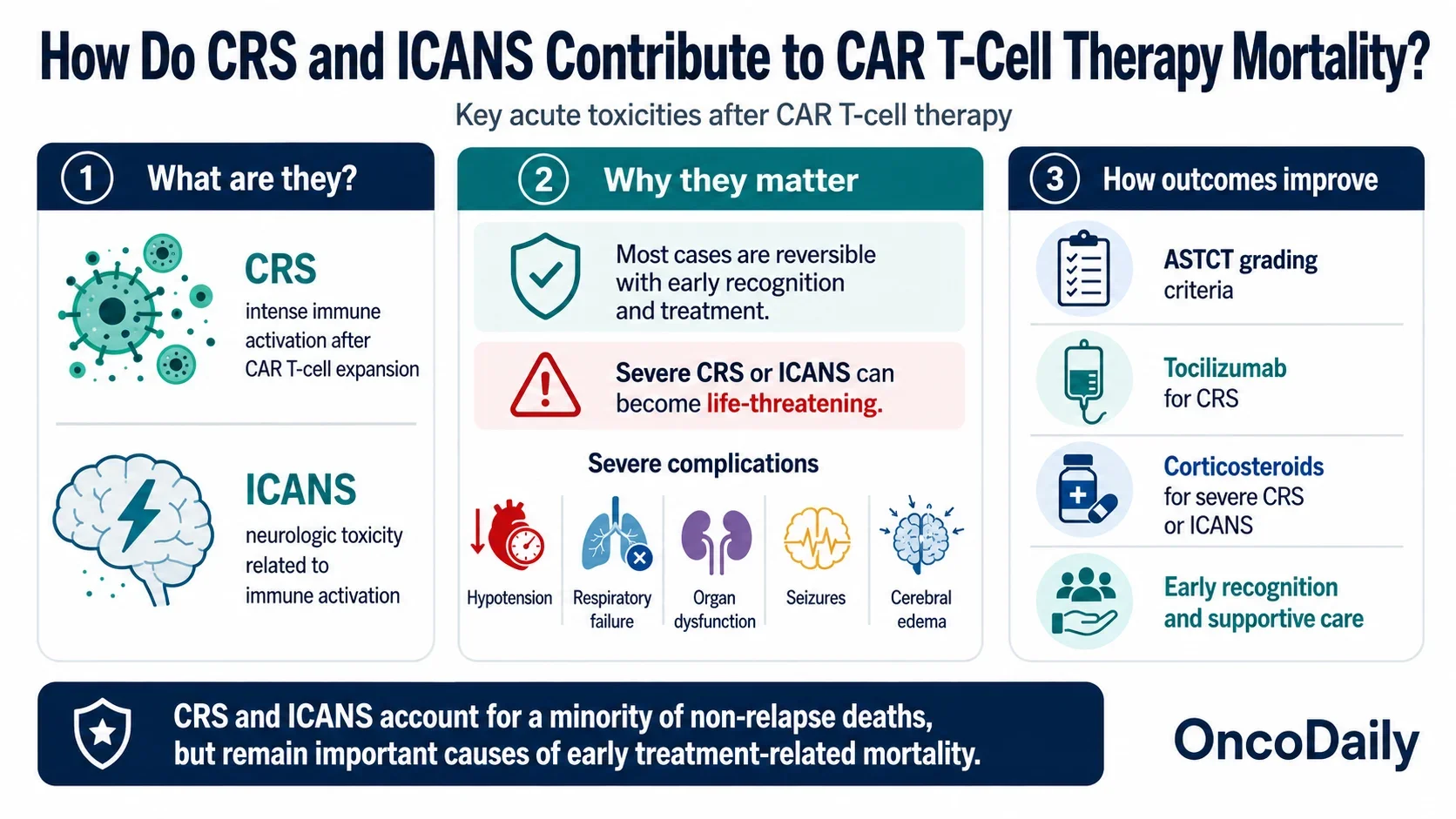
At the same time, these advances have introduced new clinical questions.
Disease burden before infusion, MRD negativity after treatment, and CAR-T persistence may help identify patients at greater risk of relapse. Yet their role in selecting patients for subsequent transplantation remains an active area of investigation.
For Mazouzi, the goal is to improve the use of CAR-T throughout the treatment pathway, from selecting appropriate candidates and controlling disease before infusion to monitoring remission and deciding whether further consolidation is needed.
As CAR-T therapy becomes more established in B-ALL, the next challenge is determining how to make responses more durable, treatment safer, and post-CAR-T decisions more personalized, particularly when considering whether transplantation can be avoided.
Written by Eliz Baloyan, MD, Features Writer and Editor at OncoDaily and CancerWorld