Key takeaways
- Pediatric AML is not simply adult AML in younger patients. Its distinct genetic landscape demands treatment strategies designed specifically for children.
- Replacing etoposide with homoharringtonine made a measurable difference. The CCLG-AML 2015 trial demonstrated improved remission rates and survival with homoharringtonine-based induction.
- 95% remission in high-risk pediatric AML. A single-center study found that venetoclax-based VAH induction achieved a 95% remission rate in high-risk patients, compared with 70.6% using DAH.
- The first induction cycle can change the treatment plan. Genetic profiling and early MRD assessment now help identify which children may need more intensive therapy or stem cell transplantation.
At the Global Virtual Congress on Leukemias (LeukO 2026), organized by OncoDaily, Huyong Zheng, Professor of Pediatrics at Beijing Children’s Hospital, Capital Medical University, and the National Center for Children’s Health, presented the progress of pediatric acute myeloid leukemia (AML) treatment in China, tracing the evolution of national treatment protocols and the growing role of molecular risk stratification, targeted therapies, and multicenter clinical trials.
While survival rates for childhood acute lymphoblastic leukemia (ALL) and acute promyelocytic leukemia (APL) have improved considerably, pediatric AML has remained more difficult to treat, with historically higher relapse rates and overall survival often below 70%.
Over the past two decades, China has moved from hospital-based treatment protocols to large collaborative studies involving thousands of children. These efforts have introduced new induction regimens, more precise risk assessment, and treatments intended to improve survival while reducing long-term toxicity.
Zheng’s presentation followed that evolution, from the first pediatric AML protocols at Beijing Children’s Hospital to the ongoing CCLG-AML 2024 study.
Why Pediatric AML Requires a Different Approach
Pediatric AML differs biologically from adult AML, making age-specific research and treatment strategies particularly important.
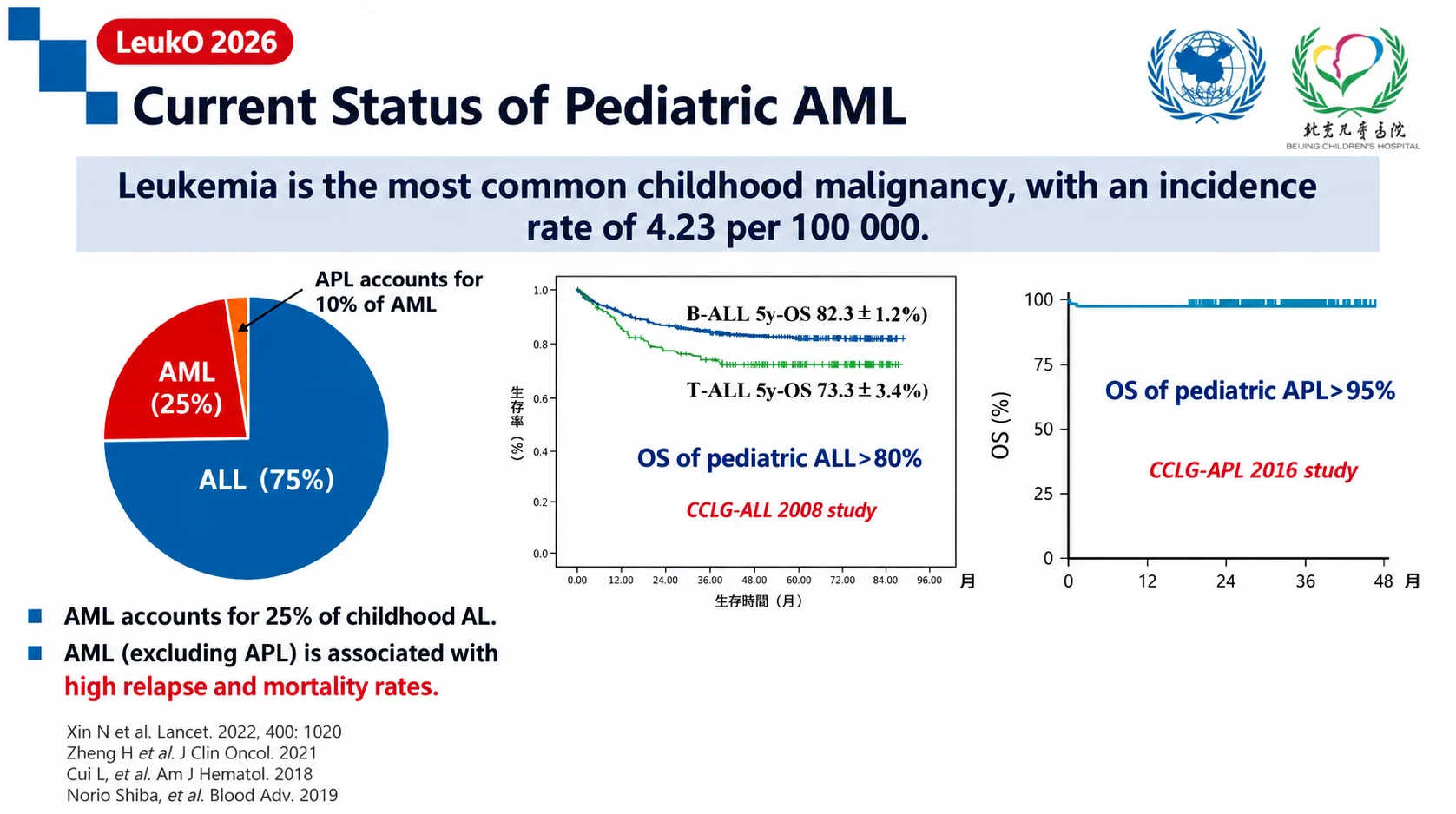
Chromosomal abnormalities are more common in childhood AML, with normal karyotypes accounting for approximately 20-26% of cases. Children also tend to have fewer somatic mutations than adults.
Certain molecular alterations are particularly relevant in pediatric disease, including KMT2A rearrangements and mutations involving RAS, KIT, and WT1. In contrast, mutations involving DNMT3A, TP53, IDH1, and IDH2 are more characteristic of adult AML. FLT3 mutations occur across age groups.
These differences influence disease classification, prognosis, and treatment selection. They also help explain why therapeutic strategies developed for adults cannot always be applied directly to children.
In China, addressing these challenges has required decades of clinical development, beginning with conventional chemotherapy and gradually incorporating molecular diagnostics, measurable residual disease (MRD) assessment, and individualized treatment.
From Early Protocols to Nationwide Collaboration
China’s experience with pediatric AML treatment dates to the 1970s, when conventional chemotherapy approaches, including the 7+3 regimen, formed the foundation of treatment. Diagnosis relied primarily on the French-American-British (FAB) morphological classification.
By the 1990s, national treatment protocols were emerging, although overall survival remained around 30%. Diagnostic approaches expanded to incorporate morphology, immunophenotyping, and cytogenetics, while infection management and supportive care became increasingly important.
A major step followed in 2005, when Beijing Children’s Hospital introduced a formal pediatric AML treatment protocol. Although implemented primarily at the hospital and selected collaborating centers, it achieved a three-year overall survival rate of approximately 58%.
The next major development was multicenter collaboration.
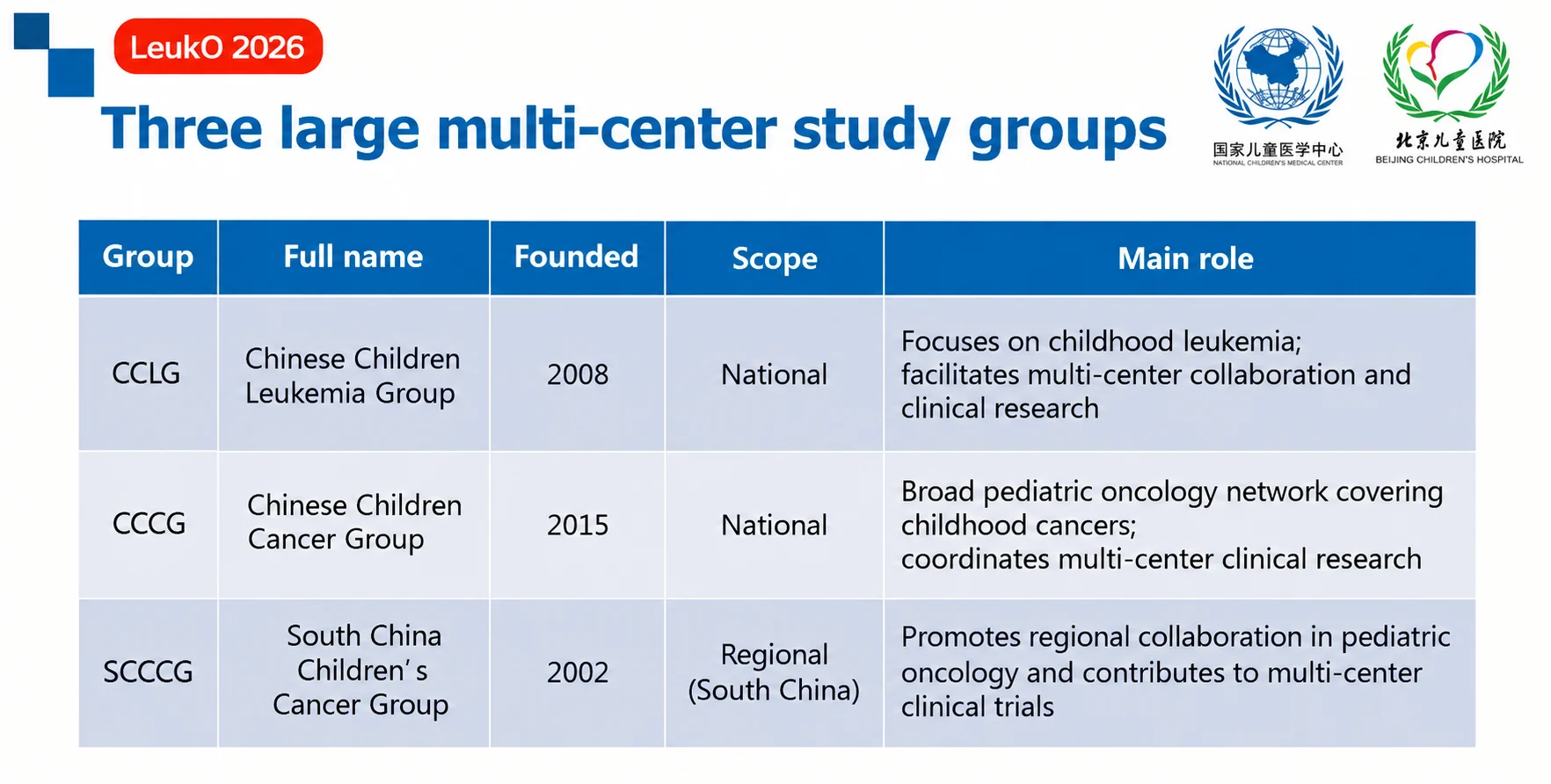
The Chinese Children’s Leukemia Group (CCLG) began nationwide clinical research in 2008, initially focusing on pediatric ALL. Its early ALL studies enrolled more than 2,000 patients and helped establish the infrastructure for larger collaborative trials.
Alongside the Chinese Children’s Cancer Group (CCCG) and the South China Children’s Cancer Group (SCCCG), CCLG became part of a growing national research network.
In 2015, CCLG launched its first nationwide pediatric AML protocol, involving 35 hospitals and more than 1,200 patients.
The study introduced a three-tier risk classification system, dividing patients into standard-, intermediate-, and high-risk groups according to clinical and biological characteristics. Treatment response, particularly MRD after induction therapy, became an increasingly important consideration.
MRD levels above 5% following the first induction course were identified as an independent adverse prognostic factor for event-free and overall survival.
This development helped establish a more dynamic approach to treatment decisions, in which the response to initial therapy could modify the risk suggested by the disease’s genetic profile.
Under the pediatric protocol, hematopoietic stem cell transplantation (HSCT) was generally recommended for patients classified as high risk, rather than routinely extending transplantation to the intermediate-risk group.
CCLG-AML 2015: Improving Survival With Homoharringtonine
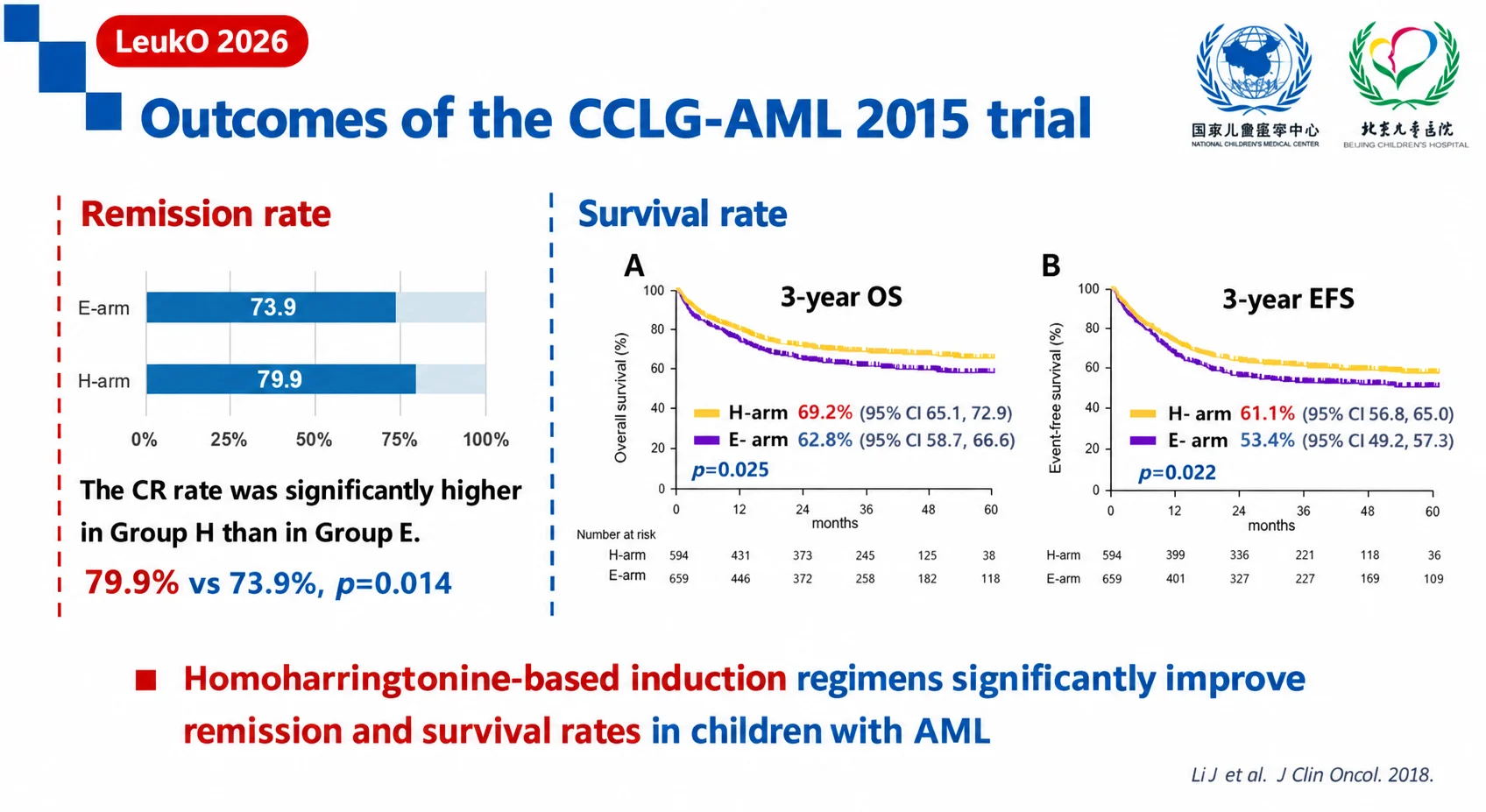
One of the most important questions addressed by the CCLG-AML 2015 study concerned induction chemotherapy.
Conventional treatment included daunorubicin, cytarabine, and etoposide (DAE). However, concerns about the potential long-term effects of etoposide, including therapy-related secondary malignancies, motivated researchers to investigate an alternative.
The study compared conventional DAE induction with a regimen containing daunorubicin, cytarabine, and homoharringtonine (DAH).
Homoharringtonine, an alkaloid derived from Cephalotaxus species, had already been used in AML treatment in China, particularly in adults. The objective was to determine whether replacing etoposide with homoharringtonine could improve outcomes in children.
A second component investigated maintenance therapy, comparing all-trans retinoic acid (ATRA)-based treatment with cytarabine-based maintenance.
The randomized multicenter results were published in the Journal of Clinical Oncology in 2023.
A particularly encouraging finding emerged among children with AML1-ETO (RUNX1::RUNX1T1)-positive AML.
In this subgroup, the combination of homoharringtonine-based induction and ATRA-based maintenance achieved a three-year overall survival rate of 82.4% and event-free survival of 73.6%, compared with 66.4% and 52.8%, respectively, in patients receiving etoposide-based induction and cytarabine maintenance.
The event-free survival improvement was statistically significant, although the overall survival difference did not meet the study’s adjusted significance threshold. Across the broader maintenance population, ATRA-based therapy showed comparable rather than superior outcomes to cytarabine-based maintenance.
These findings became the foundation for the next generation of CCLG pediatric AML protocols.
CCLG-AML 2019: Refining Risk, Expanding Treatment Options
Building on the 2015 results, the CCLG introduced an updated pediatric AML protocol in 2019.
The new study removed etoposide-based induction in favor of homoharringtonine-containing treatment, reflecting the earlier trial’s efficacy findings and the desire to reduce potential long-term toxicity.
It also incorporated more sophisticated diagnostic and response-assessment tools.
MRD monitoring and RNA sequencing were used to refine risk stratification, helping identify patients whose disease biology or early response suggested a greater likelihood of treatment failure.
Targeted agents, including sorafenib, gilteritinib, and venetoclax, were introduced into the therapeutic strategy for selected patients.
The protocol also investigated an oral arsenic-containing preparation, realgar-indigo naturalis formula (RIF), as a maintenance treatment component, seeking alternatives to regimens requiring intravenous administration.
The CCLG-AML 2019 study enrolled 1,059 patients across 27 centers and closed in January 2024.
According to the results presented by Zheng, three-year overall survival for the entire cohort approached 78%.
Among patients who reached the maintenance phase, predominantly those in the standard- and intermediate-risk groups rather than high-risk patients proceeding to transplantation, three-year overall survival exceeded 92%.
These results were presented as evidence of continued progress in the national treatment program, although the maintenance population represented a selected subgroup rather than the entire study cohort.
The 2019 protocol also opened the way for a particularly important development: the use of venetoclax during initial treatment.
Bringing Venetoclax Into First-Line Pediatric AML Treatment
Venetoclax, a selective BCL-2 inhibitor, has become an important component of AML treatment in adults. Its role in pediatric AML, however, has required further investigation, particularly in newly diagnosed patients.
Following its availability in China in 2021, Zheng’s team began incorporating venetoclax-based combinations into induction treatment.
One objective was to explore whether venetoclax could replace daunorubicin in selected regimens, potentially limiting exposure to anthracycline-associated cardiotoxicity.
A single-center study from Beijing Children’s Hospital, published in the Chinese Medical Journal in 2024, compared venetoclax, cytarabine, and homoharringtonine (VAH) with daunorubicin, cytarabine, and homoharringtonine (DAH). The VAH regimen achieved a significantly higher induction remission rate (94.9% vs. 77.1%, P = 0.014), with the most pronounced advantage observed among high-risk patients (95.0% vs. 70.6%, P = 0.027). MRD negativity was also higher with VAH, although this difference was not statistically significant.
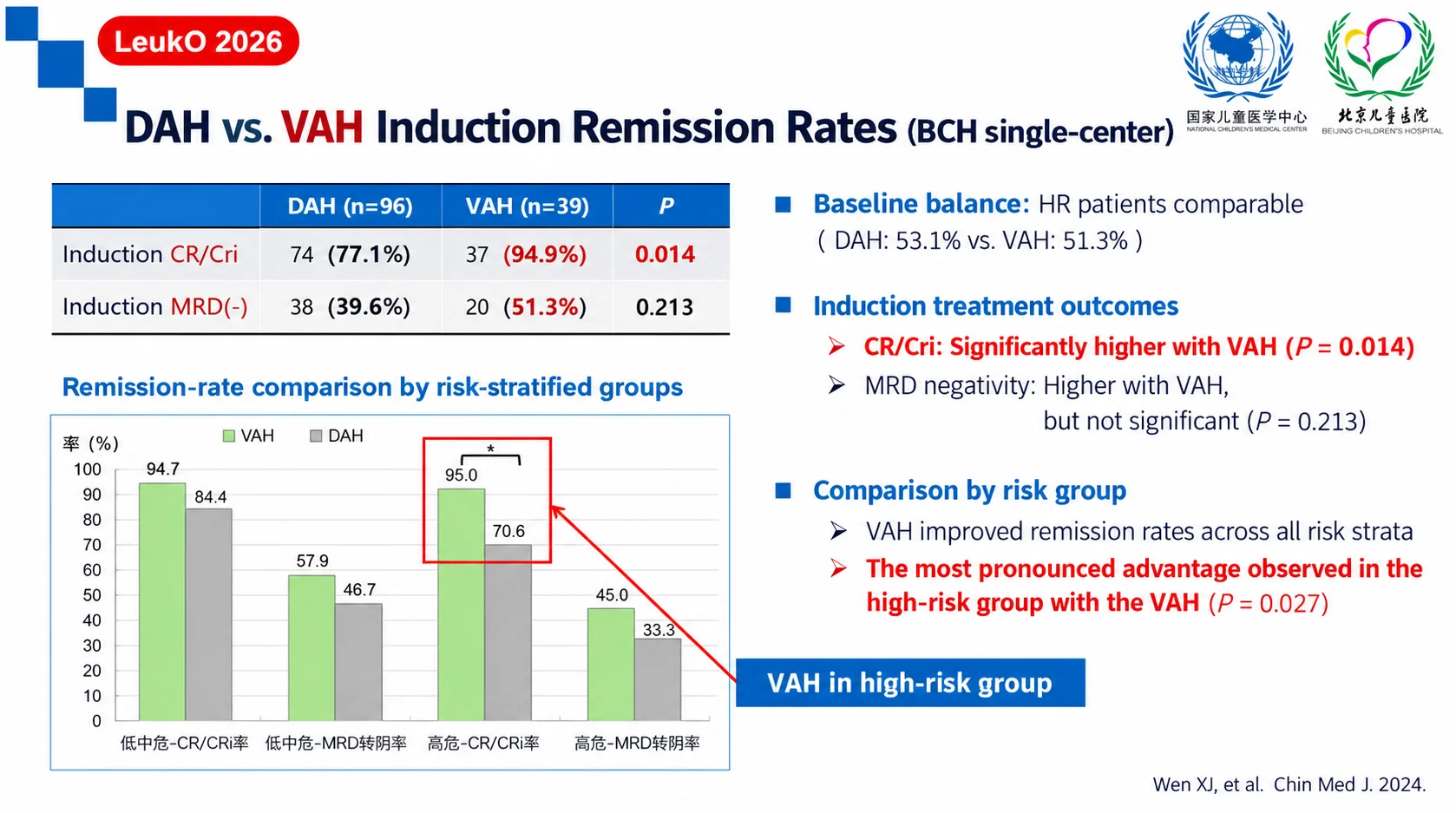
These findings provided early evidence that venetoclax-based induction could improve remission rates in newly diagnosed pediatric AML, including high-risk disease. However, longer follow-up remains necessary to determine whether these improvements translate into better survival outcomes.
The investigators also examined venetoclax pharmacokinetics, an important consideration because pediatric dosing and drug exposure are less well characterized than in adults.
This was particularly relevant for children receiving concomitant azole antifungals, which can substantially affect venetoclax exposure through CYP3A inhibition.
The experience gained from these early studies helped inform the next national AML protocol, in which venetoclax-based induction became a more prominent treatment strategy.
CCLG-AML 2024: Toward Earlier and Deeper Remission
The CCLG-AML 2024 protocol was launched in January 2024, extending the program’s focus on precision risk stratification and improved induction treatment.
The study expanded to 42 participating centers, with approximately 900 patients enrolled by the time of Zheng’s presentation. Enrollment was expected to exceed 1,000 before the planned closure at the end of 2026.
Zheng presented preliminary findings from an interim analysis of 560 patients, focusing particularly on remission and MRD response after the first induction course.
Approximately 47% of patients achieved MRD negativity after a single induction course, suggesting that a substantial proportion could reach a deep early response.
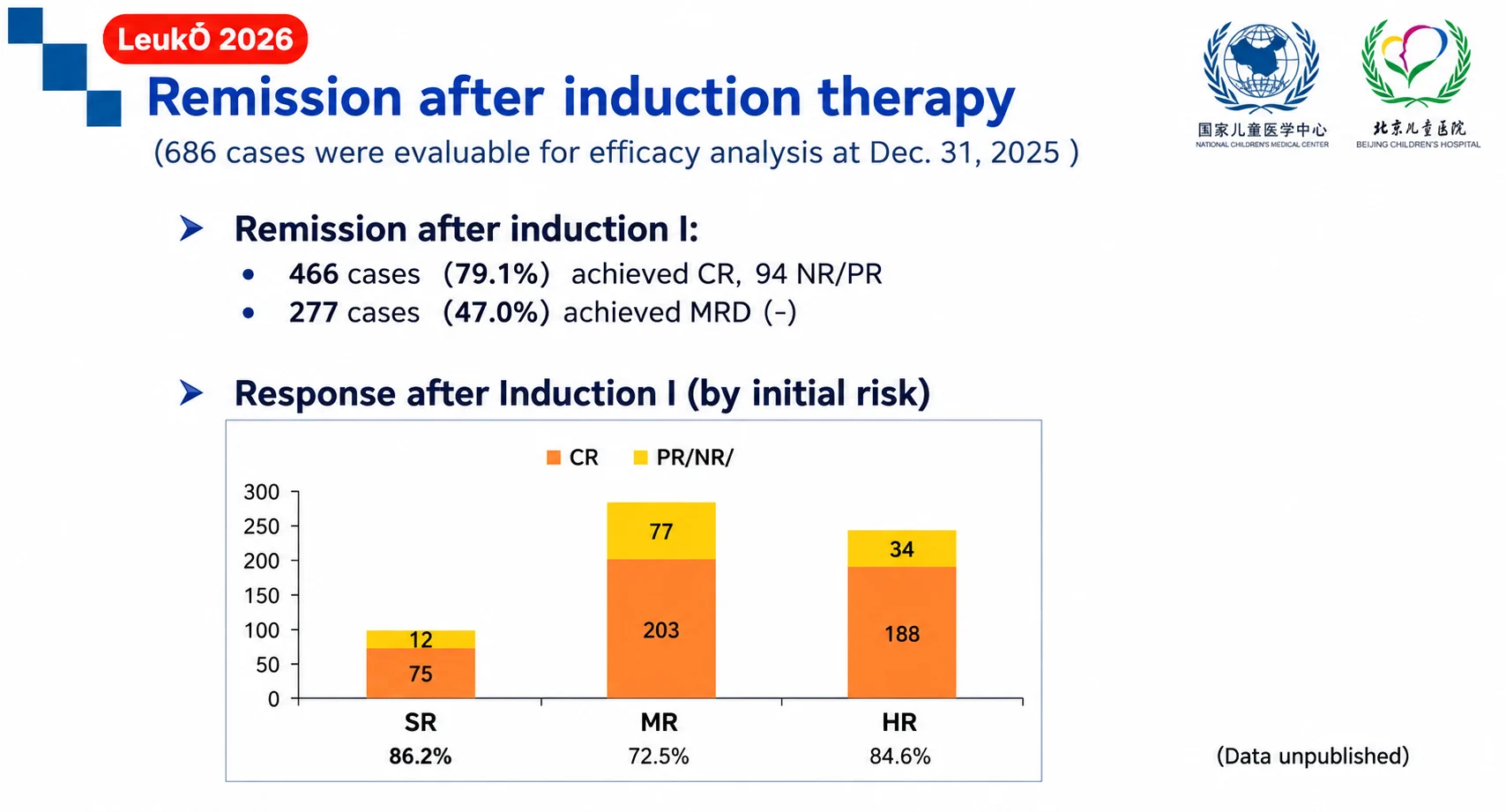
The results were also examined across standard-, intermediate-, and high-risk groups and according to molecular characteristics.
Core-binding factor AML showed encouraging responses to the venetoclax-containing induction approach. Activity was also observed among patients with KMT2A and NUP98 rearrangements, molecular subgroups that can present considerable therapeutic challenges.
For patients with high-risk molecular features, achieving remission after induction is particularly important because it may create an opportunity to proceed to HSCT.
These findings remain preliminary, and longer follow-up will be needed to establish whether improved early responses translate into durable survival benefits.
Nevertheless, the 2024 protocol represents a continuation of the direction established over the preceding decade: combining genetic characterization with treatment-response monitoring to guide more individualized decisions.
From Clinical Trials to National Treatment Guidance
The experience accumulated through CCLG’s successive trials has also contributed to broader clinical guidance.
In 2024, Chinese pediatric hematology and oncology experts published an updated expert consensus on the diagnosis and treatment of pediatric AML, incorporating advances in genetic risk assessment, MRD monitoring, treatment selection, and supportive care.
The consensus addressed an important gap in clinical practice: pediatric AML differs substantially from adult disease, and treatment recommendations must reflect those differences.
Zheng also briefly placed AML progress alongside China’s experience in APL, where national treatment protocols have achieved survival outcomes approaching 100% in recent studies.
For non-APL pediatric AML, the challenge remains greater, particularly among patients with adverse molecular features or inadequate responses to induction treatment.
What began as a treatment protocol at Beijing Children’s Hospital in 2005 has grown into a nationwide research effort, with 42 centers now participating in the CCLG-AML 2024 study. Over the years, each trial has helped answer important questions about treatment selection, risk assessment, and how to improve outcomes for children with AML.
The early results from the latest protocol are encouraging, particularly for children with high-risk disease. Longer follow-up will show whether these improvements in remission rates lead to lasting survival benefits, and whether newer treatment approaches can help more children survive with fewer long-term complications.
Written by Eliz Baloyan, MD, Features Writer and Editor at OncoDaily and CancerWorld