In 2019, the breast cancer picture in Egypt was defined by late diagnosis.
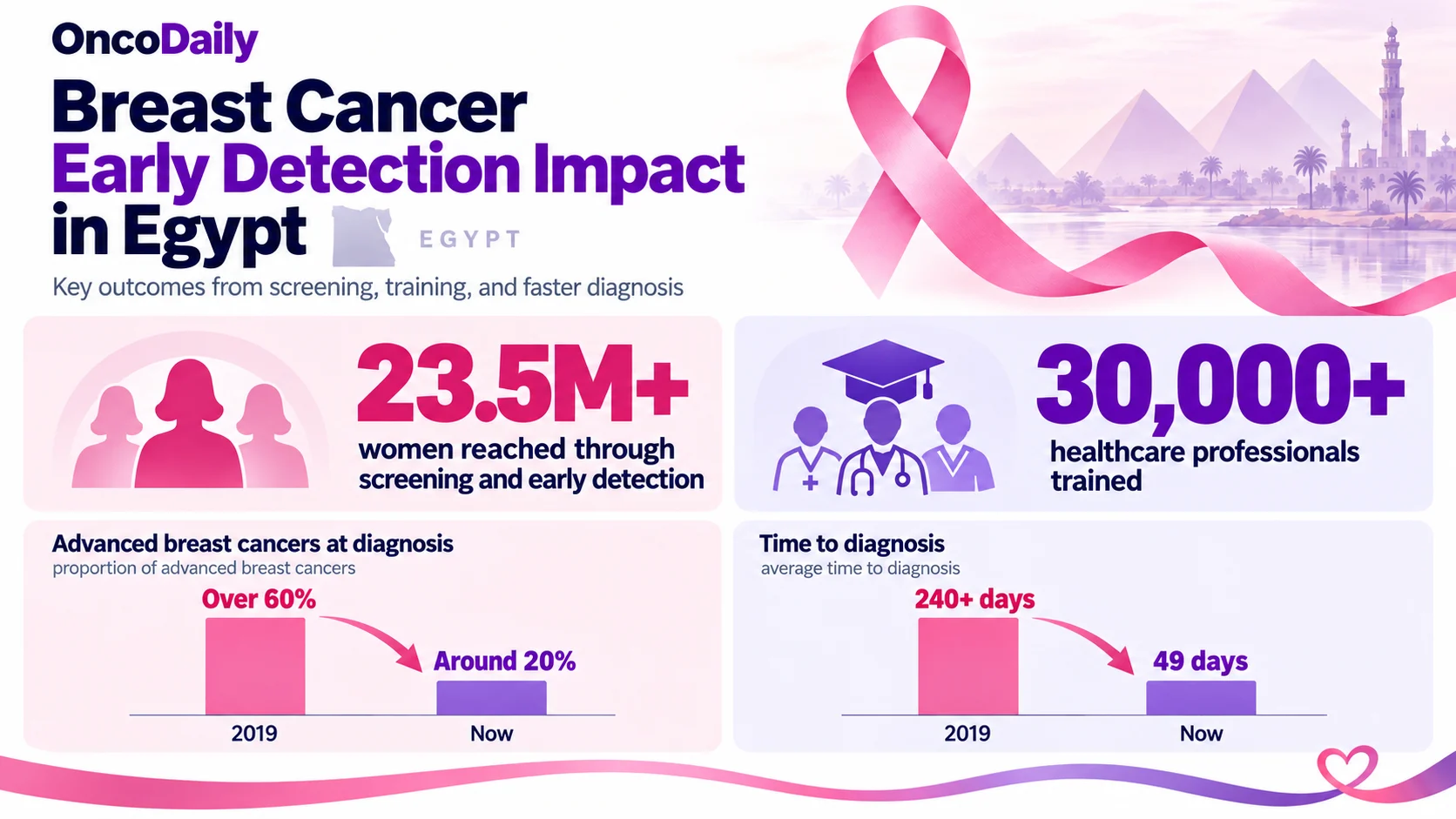
More than 60% of patients were presenting with stage III or IV disease. The time to diagnosis exceeded 240 days. Multidisciplinary tumor-board discussion was not routinely built into the patient pathway. And although mammographic screening efforts had been attempted, the maximum reach had been around 200,000 women in a country with a population well above 100 million.
Several years later, the numbers look very different.
More than 23.5 million women have been reached through screening and early detection. More than 30,000 healthcare professionals have been trained. The proportion of advanced breast cancers has fallen from over 60% to around 20%, and the time to diagnosis has dropped from more than 240 days to 49 days.
Those numbers did not come from doing more of the same. They came from changing almost every part of the pathway: where women were first seen, how suspicious cases moved through the system, how specialists communicated, how treatment was paid for, and how expensive drugs were made accessible.
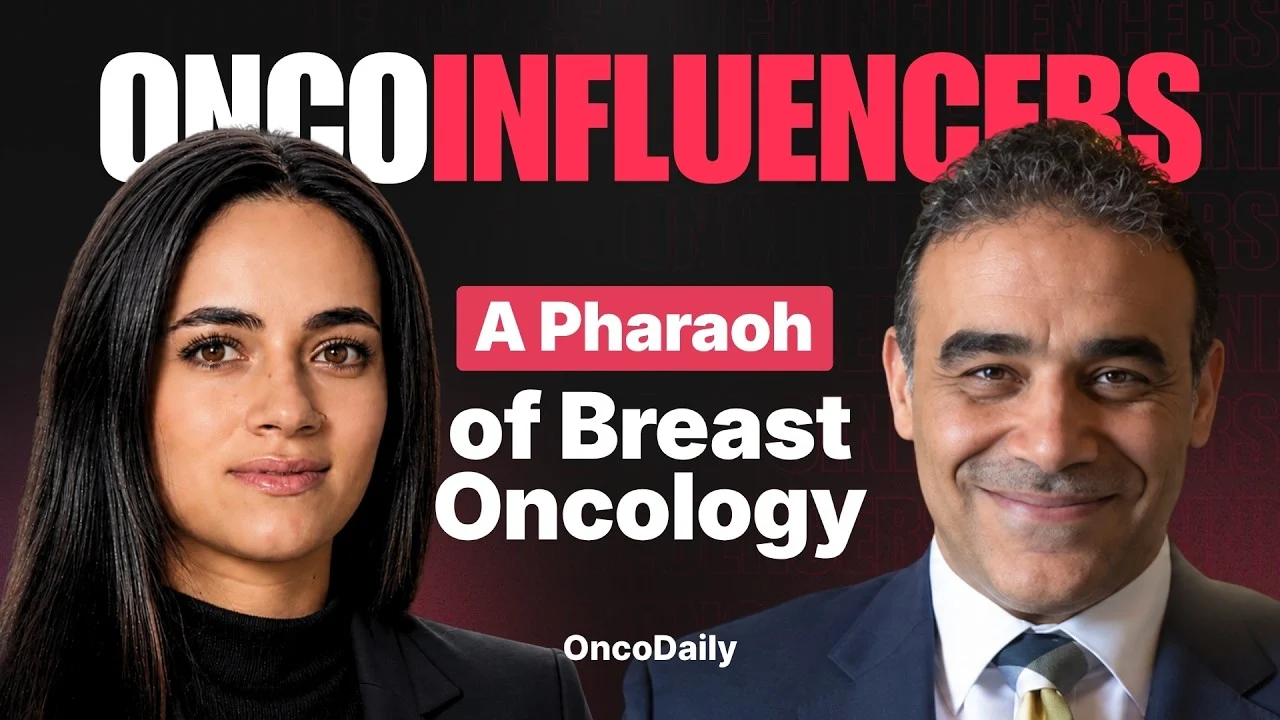
Much of that work has involved Hesham Elghazaly – President of the Egyptian Cancer Society, Chairman of the National Committee for the Presidential Initiative for Women’s Health, Head of the Medical and Scientific Research Institute at Ain Shams University, and Founder and CEO of Alpha Cure Oncology Center.
In this conversation he moves from cancer clinics to national policy, from research infrastructure to drug access, and from leadership to the very practical question underneath all of it: how do you take a good idea and make it work in the real world?
“It is extremely important to try to be one world against cancer.”
The Beginning of a Bigger Story: Nothing Important Is Built Alone
When Hesham Elghazaly chose oncology in 1993, people around him tried to talk him out of it.
“Everyone told me, ‘Hesham, go for a different specialty. It is a very hard specialty. You will not go for success.’”
Treatment options were limited, the field was difficult, and none of that discouraged him very much. If anything, it sounded like the kind of problem he wanted to work on.
“I usually love to challenge myself… not to reinvent the wheel, but try to have something extra, something different, something new.”
What followed at Ain Shams University already showed the kind of oncologist he wanted to become. Rather than keeping oncology within its own walls, he began pulling other specialties into the conversation.
“I believe that I cannot do anything alone. I usually want to work in a team and in a field where we can do something together. I started the integration with other departments – the surgical department, ear, nose and throat, liver, GI, breast. I tried to go for a different environment for oncology. Before, it was very separated, very isolated, and then it became something vibrant.”
His definition of leadership still comes back to the same idea. A team works because people bring different strengths to it – not because everyone is expected to be equally good at everything.
“When you are in a team, you must feel that you are a family. You can support the weak one and you can use the energy of each one. Everyone has a capability. But the leader is the one who can highlight these capabilities. Someone may be very clever in something and the other is very clever in another thing. The team is about how to maximize the use of everything and tell everyone: you deserve to be in the team.”
One moment in particular convinced him that this approach was working. His team had built a research center from “nothing.” Within six years came an accredited biobank, genomic center, clinical research center, and bioinformatics and data center. But the comment he remembers most was not about any of those facilities.
“One of the team told me, ‘Dr. Hesham, you succeeded in making us extract from ourselves the best of ourselves. You highlighted something in ourselves that we didn’t know about.’ This really affected me.”
Even his rules around success and failure are collective.
“If you succeed, you must tell people that it is the success of the team, not one person. We share the success together. And if you fail, you tell them, ‘I am one of you, and we are in this together.’ We learn from our mistakes, and we try again and again and again.”
That same instinct of bringing people into the same room and making expertise less isolated eventually grew beyond Ain Shams.
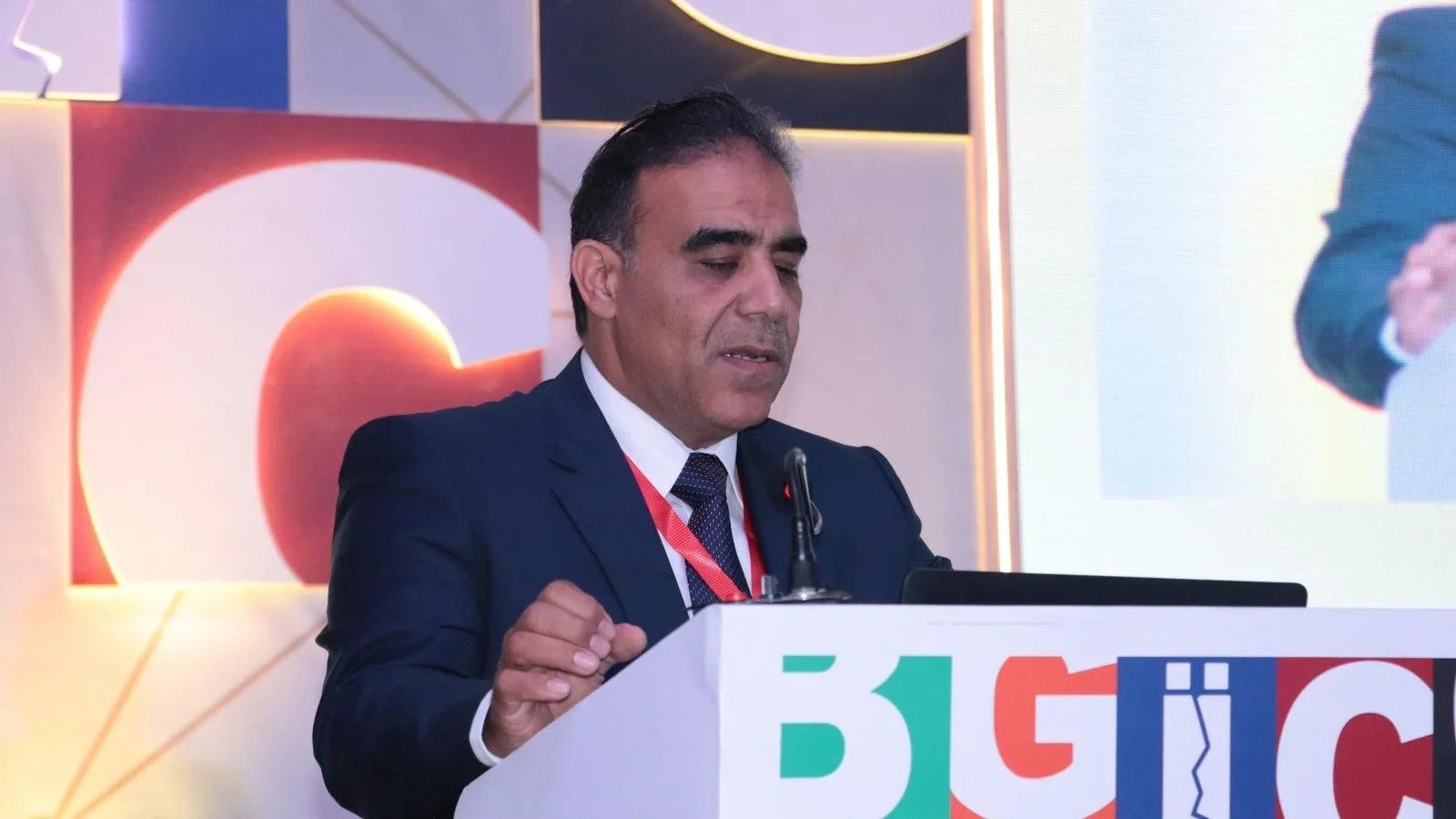
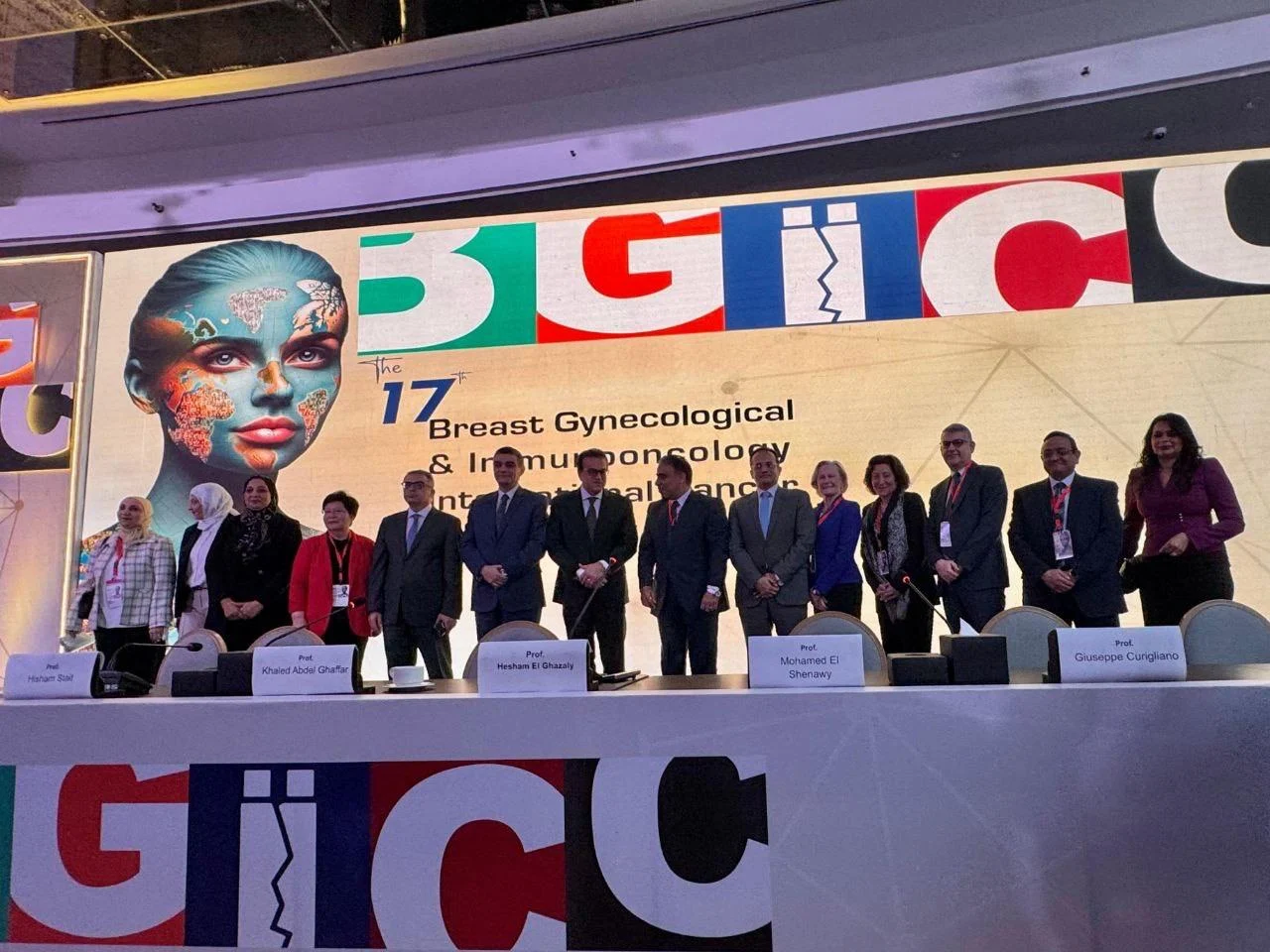
In 2009, Elghazaly helped launch the Breast Gynecological and Immuno-oncology International Cancer Conference (BGICC). It began with roughly 300 attendees and an ambition to connect oncologists in Egypt and the region with a much wider scientific community. By its second meeting, international figures including Martine Piccart were participating. Over the years, attendance grew to more than 5,000, with clinicians coming from across the Middle East and Africa and increasing involvement from Asia and major international oncology organizations.
But when Elghazaly talks about what BGICC came to mean, he does not begin with those numbers.
He remembers visiting a small governorate outside Cairo and sitting in on a multidisciplinary tumor board. The surgeons were discussing a breast cancer case, and what caught his attention was not simply the quality of the discussion, but the fact that they were questioning whether surgery should come first at all. They were considering treatment before operating – exactly the kind of multidisciplinary thinking he had spent years trying to encourage.
He asked where they had learned to approach the case that way.
“They told me, ‘This is what we learned during the BGICC.’ This was really, really impressive for me… to have some changes in the mindset and the capacity of the surgeon and the healthcare professional to have the best outcome for a woman, not in Cairo, but in a very small village outside Cairo.”
The conference had begun as a way to bring knowledge into Egypt. Years later, he was seeing that knowledge travel in the other direction too – away from the major centers and into places that were rarely at the center of the oncology conversation.
That movement would become increasingly important in the work that followed.
How Egypt Moved Breast Cancer Forward
Before the national women’s health initiative, Egypt had already confronted another cancer-related public health challenge at an extraordinary scale.
The country had carried a very high burden of hepatitis C, with the infection contributing to hepatocellular carcinoma and liver cancer mortality. The national response involved expanding treatment for hepatitis C, negotiating access, and developing approaches adapted to Egyptian conditions.
Egypt had already learned, through its national response to hepatitis C, that a successful health strategy cannot simply be imported intact from somewhere else.
A model from another country can offer a map. But the route still has to be redrawn around local realities.
“You personalize the methodology. You do not use the Westernized thing. You must go for your own personalized approach to solve your problem.”
Breast cancer was where that principle had to become practical.
The existing approach was not reaching enough women, and the pathway from suspicion to diagnosis and treatment was too fragmented. Rather than trying to stretch the same model further, the initiative changed where care began.
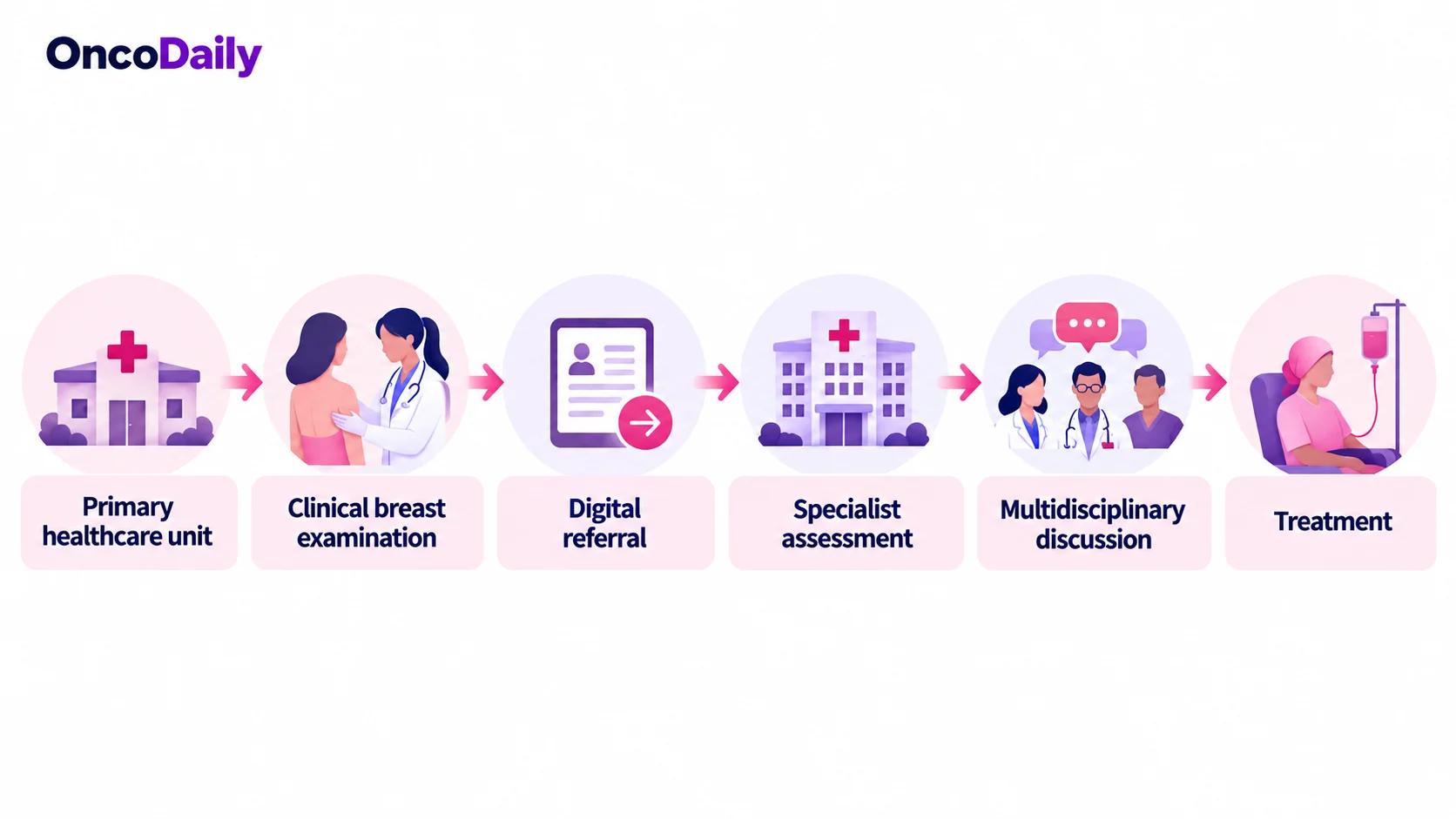
Clinical breast examination was moved into more than 3,600 primary healthcare units across Upper and Lower Egypt, bringing the first point of contact much closer to where women actually lived.
From there, the challenge was to make sure they did not get lost between one step and the next. Digital tablets connected primary care units with the Ministry of Health, suspicious findings could be referred onward, and multidisciplinary review became part of the treatment pathway.
The idea was no longer simply to screen more women. It was to build a route that could carry them from early detection all the way through diagnosis and treatment.
The pathway began to look something like this:
Then came the harder part: making the rest of the system move with them.
Presidential support brought the Ministries of Health, Higher Education, Finance, Solidarity and others under the same initiative.
“It means a lot of support. It means a lot of integration. No one goes and tries to fragment more. It would not be a successful initiative unless it was comprehensive. We would not only go for early detection, but also for complete treatment for those patients, free of charge.”
So the program was built beyond detection: surgery, radiotherapy, medical oncology and multidisciplinary review all had to be part of the pathway.
Drug access had to be solved too. Large-scale diagnosis creates an obvious problem if the medicines patients need remain unaffordable.
“We negotiated bulk deals with pharmaceutical companies and asked them to localize manufacturing in Egypt. We succeeded with trastuzumab, bevacizumab, several hormonal treatments, and some immunotherapy-related production.”
And while the program was finding cancers, it was also learning much more about the women coming through it.
“We did not look only at breast cancer early detection. We also assessed diabetes, hypertension, body mass index and reproductive history. That helped us see that breast cancer in Egypt occurs at a younger age, with a median age of around 53 years.”
The median age seen in Egypt was younger than commonly seen in Western populations. And around four out of five women with breast cancer were overweight or obese.
The program was also beginning to reveal more than where cancers were being found. The women coming through it were younger than many Western breast cancer populations, and around four out of five women with breast cancer were overweight or obese. That raised a new question: could a system built for early detection eventually help identify opportunities for prevention as well?
At the same time, the initiative was investing heavily in the people delivering that care. More than 30,000 healthcare professionals were trained across the country, helping move expertise beyond major centers and into the wider national network.
“One of the most important things is that you are investing in the personnel, you are investing in the team.”
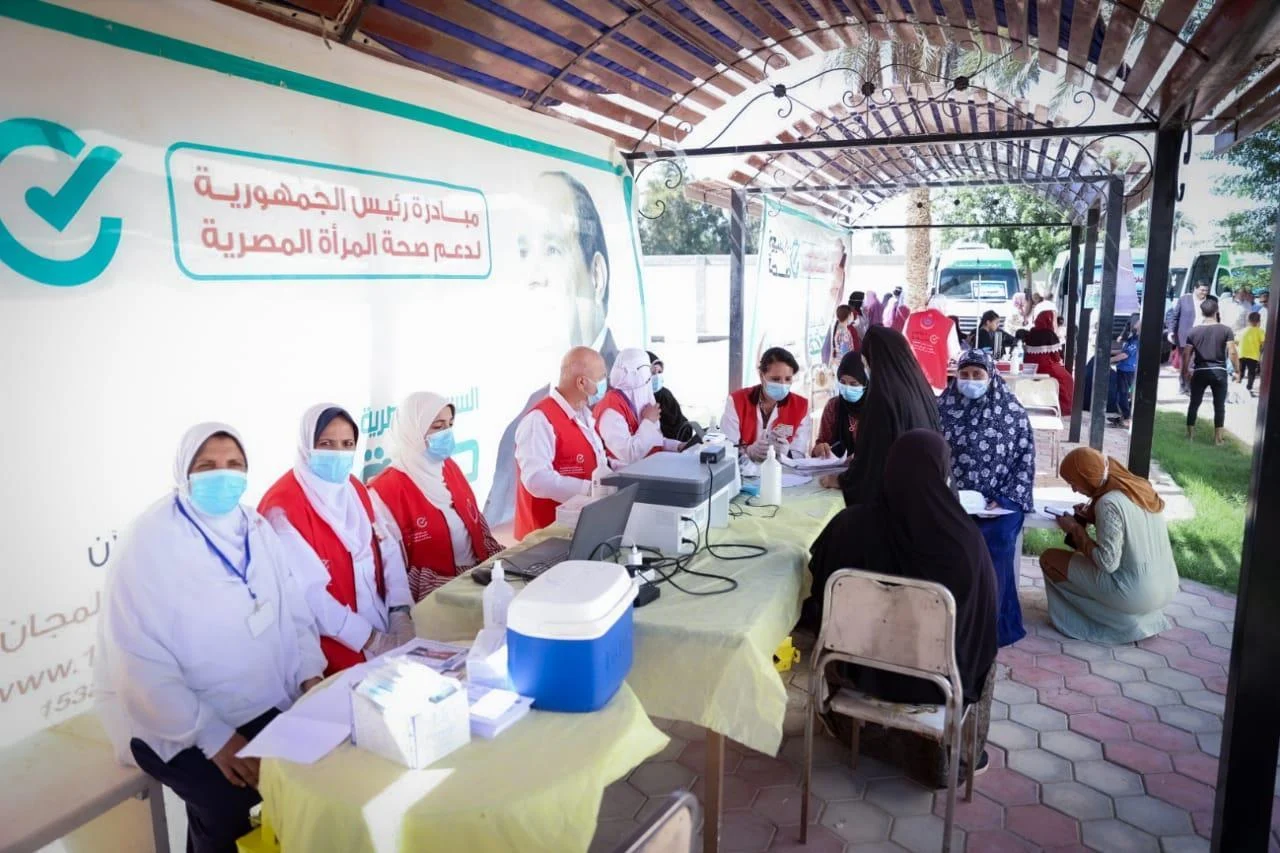
Source: Presidency of the Arab Republic of Egypt / Presidential Initiative to Support Egyptian Women’s Health.
The scale matters. A national cancer program cannot work if expertise remains concentrated in Cairo while the patient pathway is supposed to reach every part of the country.
And after several years, the initiative has produced something Elghazaly did not have when it began: data. A lot of it.
He calls it a “treasure.”
The next idea, Breast Intelligence, is to connect clinical data with pathology, radiology and genomic banks and begin asking a different set of questions:
- Can the program predict risk more accurately?
- Can it identify distinct biological patterns?
- Can treatment and prevention become more tailored to the women actually being treated in Egypt?
The initiative began by trying to shorten the distance between a woman noticing something was wrong and receiving a diagnosis.
“We are really happy with what we achieved, and we are not satisfied yet.”
When Global Oncology Meets the Real World
Years of working on cancer programs at national scale have made Elghazaly wary of solutions that make sense in theory but prove difficult to use in practice.
“Theory is different from reality. It is extremely important to look at the reality and the practicality in doing things. We are talking a lot and going for different theories and different things, but we really must go for successful stories and build on them.”
He calls those successful examples “lighthouses” – experiences in breast cancer, cervical cancer, lung cancer and other diseases that can show other countries what has already been possible.
But learning from another country, in his view, is very different from copying it.
“Not everything is working for others. It is extremely important to tailor and to personalize the approach to be helpful for your own country.”
That principle has shaped much of the work in Egypt, and Elghazaly now sees value in sharing what has been learned more widely. He speaks about discussions with colleagues in Algeria, across sub-Saharan Africa, in Colombia and in parts of Asia. The point is not to reproduce the Egyptian model exactly, but to give others something concrete to build from.
“If we try to decrease the mortality of breast cancer, especially in the low-income countries who have the major burden of the disease, who have more young age in the disease, then together we can do something for humanity.”
Many populations remain underrepresented in cancer trials and studies, which means important differences may still be poorly understood.
“The most difficult thing is to try to involve everyone in the clinical research, because it may be helpful to explore things that we don’t know. It may be genomic differences, it may be epigenetic differences, it may be something that we don’t know.”
He wants to see more international trials and studies designed with that broader participation from the beginning.
“If we succeeded in Africa, the world will win. If we succeeded in Asia, the world will win. So it is a win-win-win-win-win strategy. No one will win if we don’t go together.”
It is perhaps the clearest summary of how Elghazaly sees global oncology: countries will need different solutions, but they should not have to search for them alone.
“It is extremely important to try to be one world against cancer.”
What He Carries Forward
For all the national programs, research centers and international collaborations attached to Hesham Elghazaly’s name, the person he identifies as the most important influence on his life was never an oncologist.
It was his mother.
She passed away around eight years ago, but he still speaks about her in the present tense.
“She is my reference. She was my reference. She passed away like eight years ago, but I feel her in every moment, at every time.”
What stayed with him most was not advice about success, but what she taught him to do when success did not come.
“She was very supportive during my times of failure. If I felt that I failed at a time, she would tell me that this failure is a very strong stimulus for more and more success.”
He still goes back to those words when something does not work. Rather than trying to forget the failure, he says, he looks at it closely: what went wrong, what it exposed, and what the next attempt should look like.
“During my failures at some points, I remember her words and I keep working and trying to find why I failed. And from this, I go for different steps. Usually, it is like doubling or tripling success.”
There was another lesson he picked up along the way, this one much shorter:
“Keep smiling.”
The logic behind it was surprisingly practical.
“This smile is usually very helpful for everyone, very helpful for my patients, very helpful for my team, and very helpful for myself, telling myself that, yes, I will succeed.”
That determination has clearly spilled into family life too, although Elghazaly readily admits that work-life balance is not one of the problems he has solved quite as neatly as cancer programs.
He has four children. Three are already in medical school.
The fourth, still 11, has so far resisted the family trend – he wants to be a football player.
He jokes that his family knows very well how much he loves to work. He tries to protect time for them, particularly during the summer, even if that sometimes means stealing the hours from somewhere else.
“I love to work and to have some impact. At the same time, I love to have this impact also in my family. So I’m trying as much as I can to make some time for the family.”
And when he does step outside oncology, his reading does not take him very far from Egypt.
“I usually go for reading more Arabic books. Naguib Mahfouz is the Nobel Prize winner, an Egyptian writer, so I usually go for his books. And also Osama El-Shazly – he is an orthopedic physician, but he is a very great writer and a very good friend.”
For younger doctors and researchers, however, the message he wants to leave is his own.
Three words:
“Dream, work hard, and persist.”
The first part comes easily enough.
“Dream whatever big dream you want. Go for it.”
The rest is where he puts the emphasis.
“But you must plan and work very hard. And you must know that you will fail. So you must persist. This persistence is the way to go forward.”
Written by Eliz Baloyan, MD, Editor at OncoDaily
Interview by Shushan Hovsepyan, MD, SVP of OncoDaily