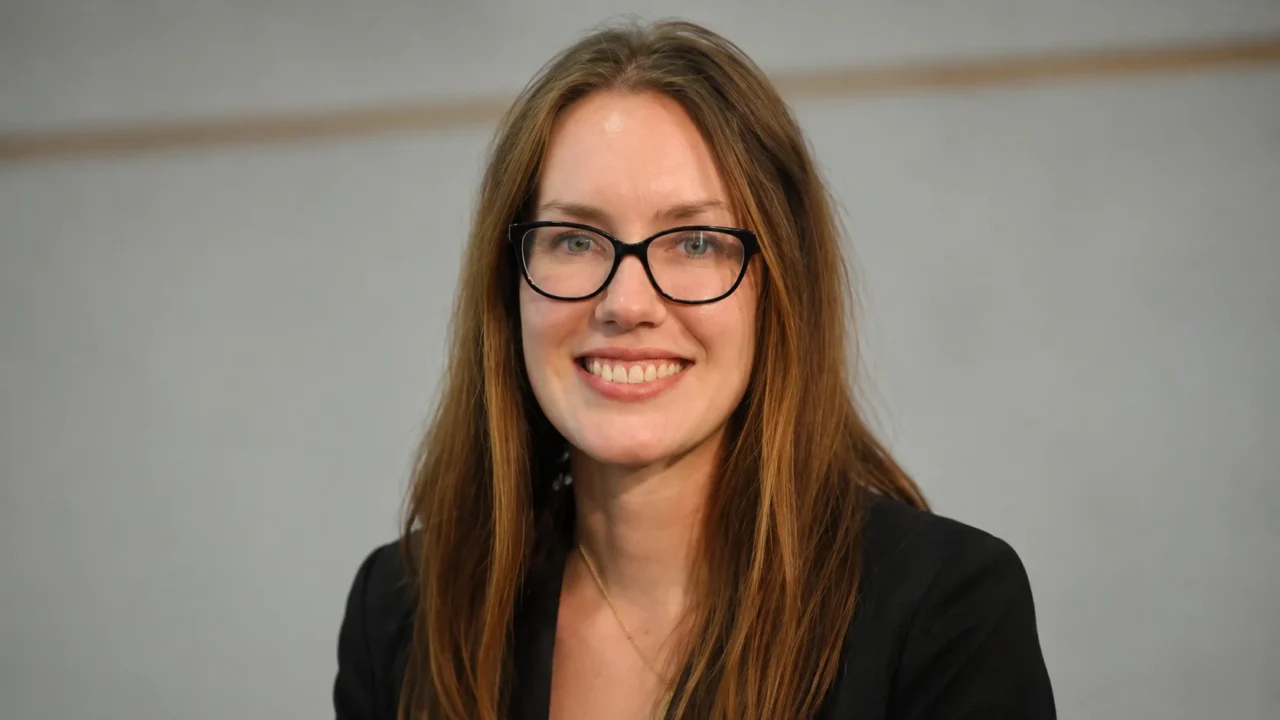
Sarah Stevens, Director of Science Policy at Cancer Research UK (CRUK), shared on LinkedIn:
“Today’s Cancer Research UK (CRUK) Scottish Cancer Conference brought together people affected by cancer, clinicians, researchers, charities and policymakers to explore how we can put lived experience at the heart of prevention, diagnosis, treatment, care and research to improve cancer outcomes.
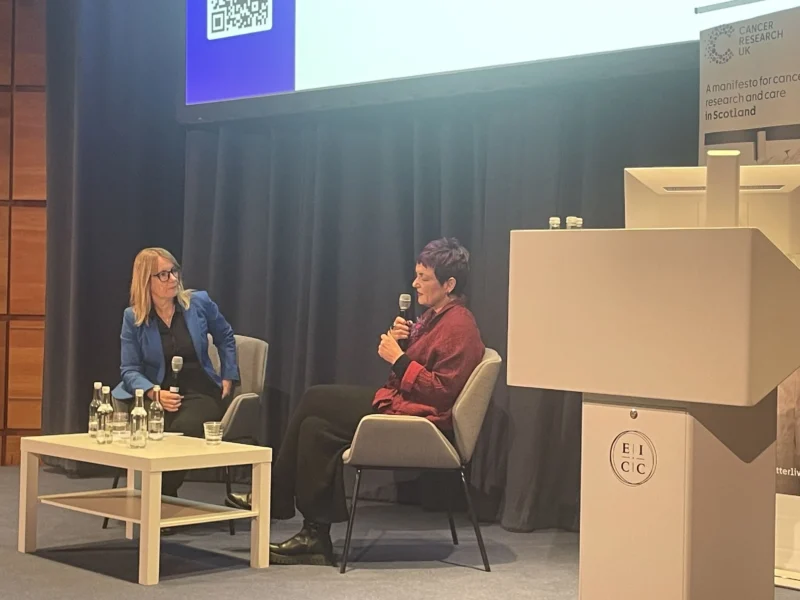
From a thought-provoking keynote from Ally Boyle MBE on how lived experience can challenge professional assumptions, to a conversation between Michelle Mitchell OBE and Cabinet Secretary for Health and Social Care, Angela Constance, about involving the public in policy-making, there was a shared recognition that better outcomes come when people affected by cancer help shape the decisions that affect them.
One area where that urgency is particularly clear is lung cancer. Around two-thirds of lung cancers in Scotland are diagnosed at a late stage, when treatment options are more limited.
Today’s discussions were made all the more powerful by hearing directly from people affected by lung cancer about the realities of diagnosis, treatment and life beyond cancer. Their experiences are a compelling reminder of why earlier diagnosis matters and why progress on targeted lung screening cannot wait.
Well done to the team for organising a brilliant day and to all the contributors for sharing their expertise, experience and personal stories.”
About the Scottish Cancer Conference 2026
The Scottish Cancer Conference 2026 took place on November 23, 2026, at the Edinburgh International Conference Centre (EICC), Scotland.
Organized by Cancer Research UK on behalf of the Scottish Parliament’s Cross-Party Group on Cancer, the conference centered on the theme “Nothing about us without us: putting people at the heart of cancer prevention, diagnosis, treatment, care and research.”
The event brought together people affected by cancer, healthcare professionals, researchers and policymakers to discuss how lived experience can inform cancer services and policy decisions.
The programme included discussions on lung cancer screening, cancer survivorship, patient involvement in research and the importance of addressing inequalities in cancer care.A key focus was ensuring that the experiences of patients, families and caregivers contribute meaningfully to decisions about prevention, early detection, treatment and support.
Read more here.