Community oncologists rarely dominate headlines. They are not always the names attached to major trial results, regulatory approvals, or scientific breakthroughs. Yet they may be among the most powerful forces in modern cancer care. Their superpower is not a single medicine or technology. It is the ability to deliver expert, personal, and continuous oncology care in the communities where patients live.
Photo: Depositphotos
That role is becoming increasingly important. WHO estimates that 20.6 million people are diagnosed with cancer each year, while close to 10 million die from the disease. Annual cancer incidence is projected to approach 35 million cases by 2050, placing even greater pressure on already stretched health systems. Patients need more than a treatment plan. They need someone who can manage toxicities, interpret results, coordinate referrals, oversee survivorship, and remain present through every transition in care. In the United States, ASCO reports that more than half of people with cancer receive care in community-based oncology practices, describing these services as the backbone of cancer care in many rural and underserved areas.
The Power of Community Oncology Close to Home
For many patients, the distance between home and the cancer clinic can shape the entire treatment experience. Long journeys may mean missed work, childcare difficulties, transportation costs, physical exhaustion, and less time with family. For patients receiving repeated infusions, laboratory monitoring, imaging, or follow-up, those burdens can accumulate quickly. Community oncologists reduce that distance.
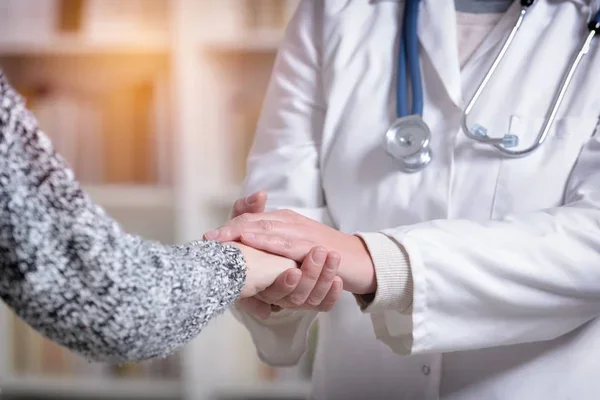
Photo: Depositphotos
By delivering treatment closer to home, they help patients remain connected to their families, routines, and support systems. Proximity is not simply convenient. It can influence whether appointments are kept, whether symptoms are reported early, and whether treatment remains manageable over time. When a patient develops pain, fever, nausea, fatigue, or another treatment-related problem, access to a familiar local oncology team can support faster assessment and earlier intervention. In cancer care, closeness can become a clinical advantage.
Community Oncologists Navigate Cancer Care’s Difficult Middle
Cancer rarely follows a perfectly organized pathway. Patients move between diagnosis, surgery, systemic treatment, radiation therapy, imaging, supportive care, rehabilitation, and long-term follow-up. Along the way, countless problems arise that are too complex for routine primary care but may not require immediate management at a large academic center. This is where community oncologists become indispensable.
They manage the difficult middle ground of cancer care: the laboratory result that changes a treatment schedule, the toxicity requiring a dose adjustment, the symptom that could indicate progression, and the patient who needs to know whether a specialist referral is urgent. They decide when to continue treatment, when to pause, when to investigate, and when to escalate care. That work may appear less dramatic than discovering a new therapy, but it is where much of oncology actually happens.
The Community Oncologist Who Knows the Whole Story
Community oncology is built on continuity. Over time, the oncologist learns more than the patient’s diagnosis. They understand how the individual responds to treatment, which toxicities are hardest to tolerate, what the family can manage, and which personal concerns influence medical decisions. That knowledge matters. A treatment plan may look straightforward on paper, but real patients bring other illnesses, financial pressures, transportation difficulties, family responsibilities, fear, and personal preferences into every decision. Community oncologists work at the point where clinical evidence meets everyday life.
They explain options, monitor progress, manage adverse effects, coordinate specialists, and keep the larger care plan moving. In many practices, they effectively serve as the center of an oncology medical home. ASCO’s patient-centered cancer-care certification pilot included 88 cancer-care sites and nearly 500 oncologists across different practice settings, demonstrating how structured, coordinated oncology medical-home standards can be applied beyond large academic institutions.
Community Oncology Continues After the Last Infusion
The end of active treatment does not mark the end of cancer care. Many patients continue to experience fatigue, neuropathy, cognitive changes, hormonal symptoms, anxiety, sexual-health concerns, or fear of recurrence. Others require years of surveillance, maintenance therapy, or management of late effects.
Community oncologists often remain with patients throughout this period. They monitor for recurrence, interpret follow-up imaging, manage persistent toxicities, and help patients transition from active treatment into survivorship. They also determine when care can be shared with primary-care clinicians and when oncology follow-up must remain central. This work is less visible than chemotherapy or surgery, but it is essential. Survivorship is not an afterthought. It is a continuing phase of cancer care.
Community Oncologists Bridge Discovery and Daily Practice
There is a persistent misconception that innovation belongs only to major academic centers. In reality, community oncologists are often the professionals who turn new evidence into routine care. They determine how emerging treatments fit into local practice, how molecular testing can inform decisions, and how new guidelines apply to patients with multiple illnesses or limited resources. They also connect eligible patients with clinical trials and research opportunities that might otherwise remain inaccessible.
ASCO has emphasized the importance of community-based research through the National Cancer Institute’s clinical-trial networks and Community Oncology Research Program. Together, these programs enrolled more than 50,000 new patients in fiscal year 2023, representing nearly half of clinical-trial enrollment that year.
Yet research participation remains limited overall. ASCO has previously reported that fewer than 5% of patients with cancer participate in clinical research, highlighting the need to bring trial opportunities closer to where most patients receive care. Academic centers may generate many breakthroughs, but community oncologists help ensure those breakthroughs reach patients beyond major cities. They are the bridge between discovery and delivery.
When Community and Academic Oncology Work as One
The strongest cancer systems do not force patients to choose between community care and academic expertise. They connect the two. A patient may receive a specialized consultation, complex surgery, molecular review, or trial evaluation at an academic center while continuing most treatment and follow-up locally. Community oncologists implement recommendations, monitor patients between visits, and recognize when re-referral is necessary.
This partnership allows patients to benefit from highly specialized knowledge without relocating their entire cancer journey. It also creates a practical model in which expertise travels through collaboration while treatment remains close to home whenever possible. This matters globally because access to cancer medicines and specialist services remains deeply unequal. An ESMO-led survey examining medicine availability and affordability across 106 countries found persistent international disparities in access to high-value cancer treatments. Community-based delivery cannot solve every access problem, but it can help bring appropriate treatment, monitoring, and referral pathways closer to underserved populations.
Community Oncology Is the Human Infrastructure of Cancer Care
Cancer care is often described through medicines, technologies, trials, and institutions. Yet none of these works effectively without trusted professionals who can connect them. Community oncologists are part of that human infrastructure. They translate complex science into understandable choices. They help patients navigate multiple specialists. They recognize when fear is affecting decision-making. They notice when a family is struggling. They make advanced oncology feel less distant and more personal. Their value lies in combining several roles at once: clinician, coordinator, interpreter, advocate, and long-term guide. That combination is difficult to measure, but patients experience its impact throughout diagnosis, treatment, recovery, and survivorship. Marilena Melas J Clin Med. 2020 Jul
Community Oncologists See What the System Often Misses
Cancer care is increasingly guided by protocols, pathways, biomarkers, and treatment algorithms. But no guideline can fully capture the patient who is missing appointments because of transport costs, the older adult quietly losing weight at home, or the family struggling to understand a rapidly changing treatment plan. Community oncologists often see these problems first because they work closest to the patient’s everyday reality.
That proximity gives them a form of clinical intelligence that cannot be measured by scans or laboratory values alone. They notice when a patient is becoming too frail for the planned regimen, when toxicity is being underreported, when a caregiver is overwhelmed, or when a seemingly small social barrier is beginning to threaten treatment continuity. They can adapt the plan before those problems become hospital admissions, treatment delays, or complete disengagement from care.
This is one of the least discussed strengths of community oncology: it makes the invisible visible. By understanding the medical, social, and practical context surrounding each patient, community oncologists do more than deliver treatment. They protect the possibility that treatment can actually work in real life.
Why the Community Oncology Superpower Matters Now
Modern oncology offers more treatment options than ever before, but more options also mean more complexity. Patients may move through surgery, radiation, systemic therapy, molecular testing, maintenance treatment, surveillance, palliative care, and survivorship. Without continuity, they can easily become lost between appointments, institutions, and specialties. At the same time, global access remains incomplete. A WHO survey of 115 countries found that only 39% included basic cancer management within publicly financed core health services, while only 28% covered palliative care, including pain relief. Community oncologists provide the thread that helps hold the system together. They keep patients connected to care.
They respond when plans change. They bring treatment closer to home. They help ensure that progress in cancer science becomes something patients can actually receive and sustain.
Their superpower is not dramatic. It is dependable. It is the ability to remain present through diagnosis, treatment, uncertainty, recovery, recurrence, and survivorship. In a cancer system that can feel increasingly fragmented, community oncologists are the steady hands preventing patients from falling through the gaps. That may be the most powerful innovation of all.
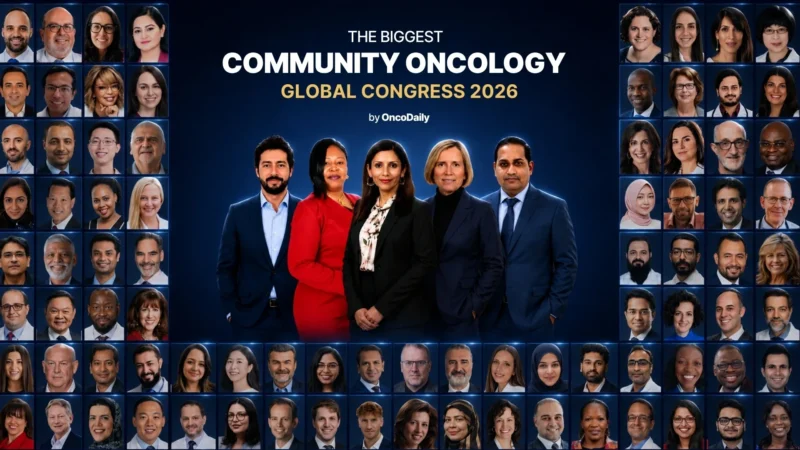
How to navigate these decisions in real-world community practice will be a focus of the Community Oncology Global Congress 2026, taking place virtually 28-30 August 2026. Register now.
Written by Aharon Tsaturyan, MD, Editor at OncoDaily Intelligence Unit
FAQ
What is a community oncologist?
A community oncologist is a cancer specialist who provides diagnosis, treatment, monitoring, and follow-up care in a local or regional practice rather than exclusively at a major academic cancer center.
What is community oncology?
Community oncology refers to cancer care delivered close to where patients live. It may include chemotherapy, immunotherapy, targeted therapy, laboratory monitoring, supportive care, survivorship, and coordination with other specialists.
What is the difference between a community oncologist and an academic oncologist?
Community oncologists usually treat a broad range of cancers and provide ongoing care locally. Academic oncologists often focus on narrower cancer specialties, complex cases, research, and early-phase clinical trials. Many patients benefit from collaboration between both settings.
Is community oncology as good as hospital cancer care?
The quality of care depends on the expertise, resources, multidisciplinary support, and treatment required. Many standard cancer treatments can be delivered safely in community settings, while rare or highly complex cases may require referral to a specialized center.
What services do community oncology practices provide?
Services can include diagnostic assessment, systemic therapy, symptom management, laboratory testing, treatment monitoring, survivorship care, palliative care, and referrals for surgery, radiotherapy, genetic counseling, or specialized consultations.
Can community oncologists offer clinical trials?
Yes. Some practices participate in community-based research networks that bring clinical trials closer to patients. The NCI Community Oncology Research Program supports cancer trials and care-delivery studies in community settings.
Why is community oncology important?
Community oncology reduces travel burden and helps patients receive treatment near their homes, families, and support systems. It also plays an important role in expanding access to research and reducing disparities.
Do community oncologists provide personalized cancer treatment?
Yes. Community oncologists can use pathology, biomarkers, molecular testing, treatment guidelines, medical history, and patient preferences to develop individualized treatment plans.
Can a patient see both a community oncologist and an academic specialist?
Yes. A patient may obtain a second opinion, complex procedure, molecular review, or trial consultation at an academic center while receiving most treatment and follow-up from a community oncologist.
Do community oncologists provide survivorship care?
Yes. They often continue monitoring patients after active treatment, manage long-term side effects, assess possible recurrence, and coordinate care with primary-care clinicians and other specialists.