 Algeria
 The release of Algeria’s 2026 consensus-based therapeutic protocols in medical oncology, coordinated by Adda Bounedjar, marks more than a clinical update – it represents a structural shift in how cancer care is delivered at the national level.

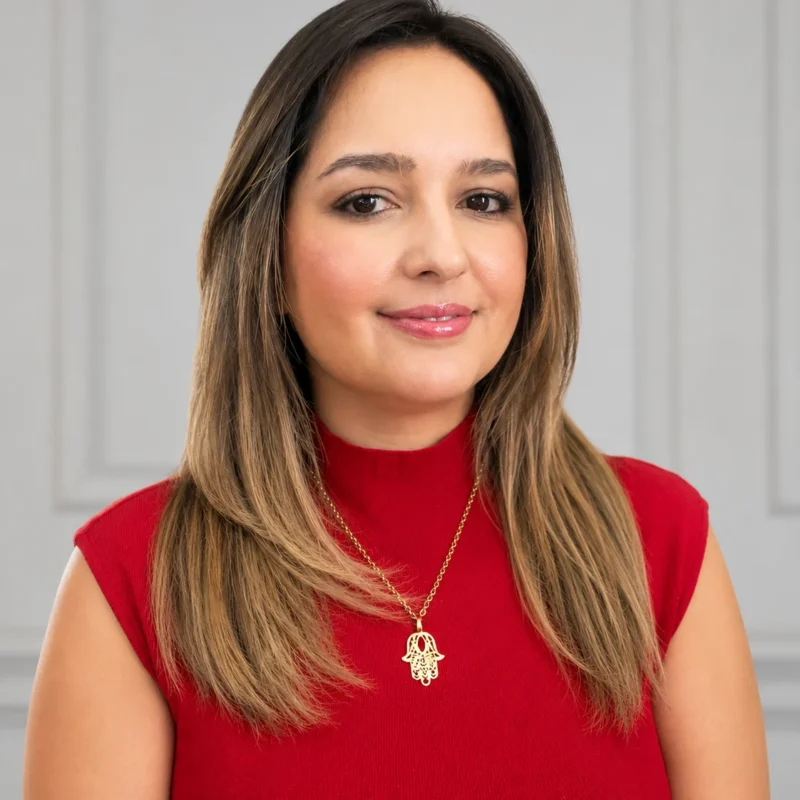
Professor Adda Bounedjar, National Guidelines Coordinator
These protocols, developed through a coordinated effort involving oncology specialists across the country, aim to standardize treatment approaches and reduce variability in clinical practice. Earlier national efforts already established unified protocols to ensure that patients are treated according to a common therapeutic framework across institutions.
But the significance of the 2026 update goes beyond standardization.
Standardization as a System Tool
In many healthcare systems, guidelines are viewed primarily as clinical references. In emerging oncology settings, however, they serve a broader function: they structure the system itself.
In Algeria, where oncology care is delivered across a mix of university hospitals, regional centers, and peripheral institutions, variability in practice can directly impact patient outcomes. Consensus protocols address this by creating a shared language of care, ensuring that treatment decisions are not dependent on geography or individual practice patterns.
This is particularly relevant in a context where more than 55,000 new cancer cases are reported annually, placing increasing pressure on the healthcare system.
Bridging Evidence and Reality
One of the defining strengths of the 2026 protocols is their adaptation to real-world conditions.
While international guidelines from organizations like American Society of Clinical Oncology or European Society for Medical Oncology provide essential scientific frameworks, they are not always directly translatable into every healthcare setting.
National consensus protocols fill this gap by:
- Aligning recommendations with available therapies
- Integrating local clinical experience
- Ensuring feasibility in daily practice
This approach transforms guidelines from theoretical documents into operational tools – something that is critical in systems where resource allocation, access variability, and care pathways remain key challenges.
Beyond Treatment: Organizing the Patient Pathway
The impact of these protocols is not limited to treatment selection. They also contribute to improving the organization of the patient journey.
Algeria’s broader national cancer strategy emphasizes:
- prevention
- early detection
- diagnostic optimization
- structured care pathways
Within this framework, consensus protocols act as a central reference point, linking diagnosis to treatment and ensuring continuity of care.
In practice, this means:
- more consistent multidisciplinary decision-making
- clearer therapeutic sequencing
- improved coordination between institutions
A Collective Effort in Oncology Governance
The development of the 2026 protocols reflects a collaborative national effort, bringing together oncologists, institutions, and health authorities under a unified objective.
This aligns with Algeria’s broader strategy of strengthening oncology governance through coordinated national initiatives and multisectoral engagement.
Such initiatives highlight an important shift:
oncology is no longer managed only at the level of individual institutions, but increasingly at the level of systems and networks.
The Global Oncology Perspective
From a global oncology standpoint, Algeria’s 2026 consensus protocols illustrate a key principle:
Equity in cancer care is not achieved by access alone, but by organization.
Many countries face similar challenges:
- uneven distribution of resources
- variability in clinical practice
- gaps between evidence and implementation
National consensus guidelines represent one of the most effective ways to bridge these gaps – by translating global evidence into context-specific, actionable frameworks.
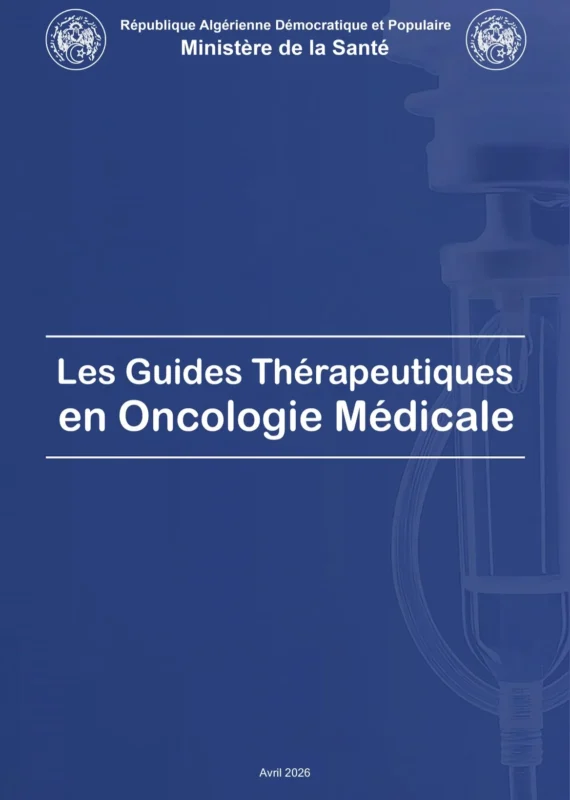
Preface of the National Guidelines Book
Conclusion
The 2026 oncology protocols are not simply an update of therapeutic recommendations.
They are a step toward system-level coherence in cancer care.
In this context, standardization should not be seen as a constraint, but as a foundation – one that enables consistency, efficiency, and ultimately, equity.
As global oncology continues to evolve, initiatives like this demonstrate that progress is not only driven by innovation in treatment, but also by how care is structured, delivered, and shared.