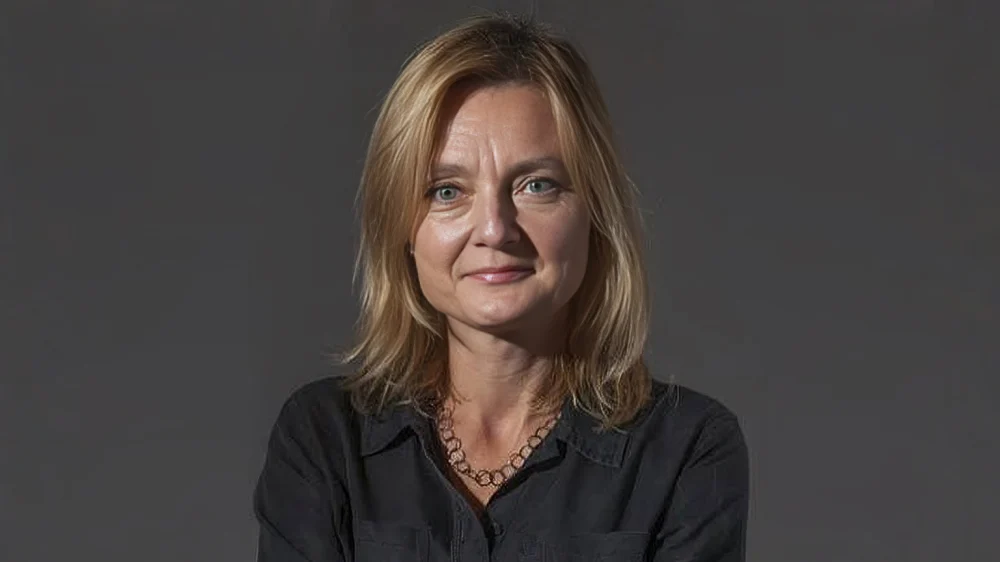
Magdalena Skipper, Editor in Chief at Nature, shared on LinkedIn:
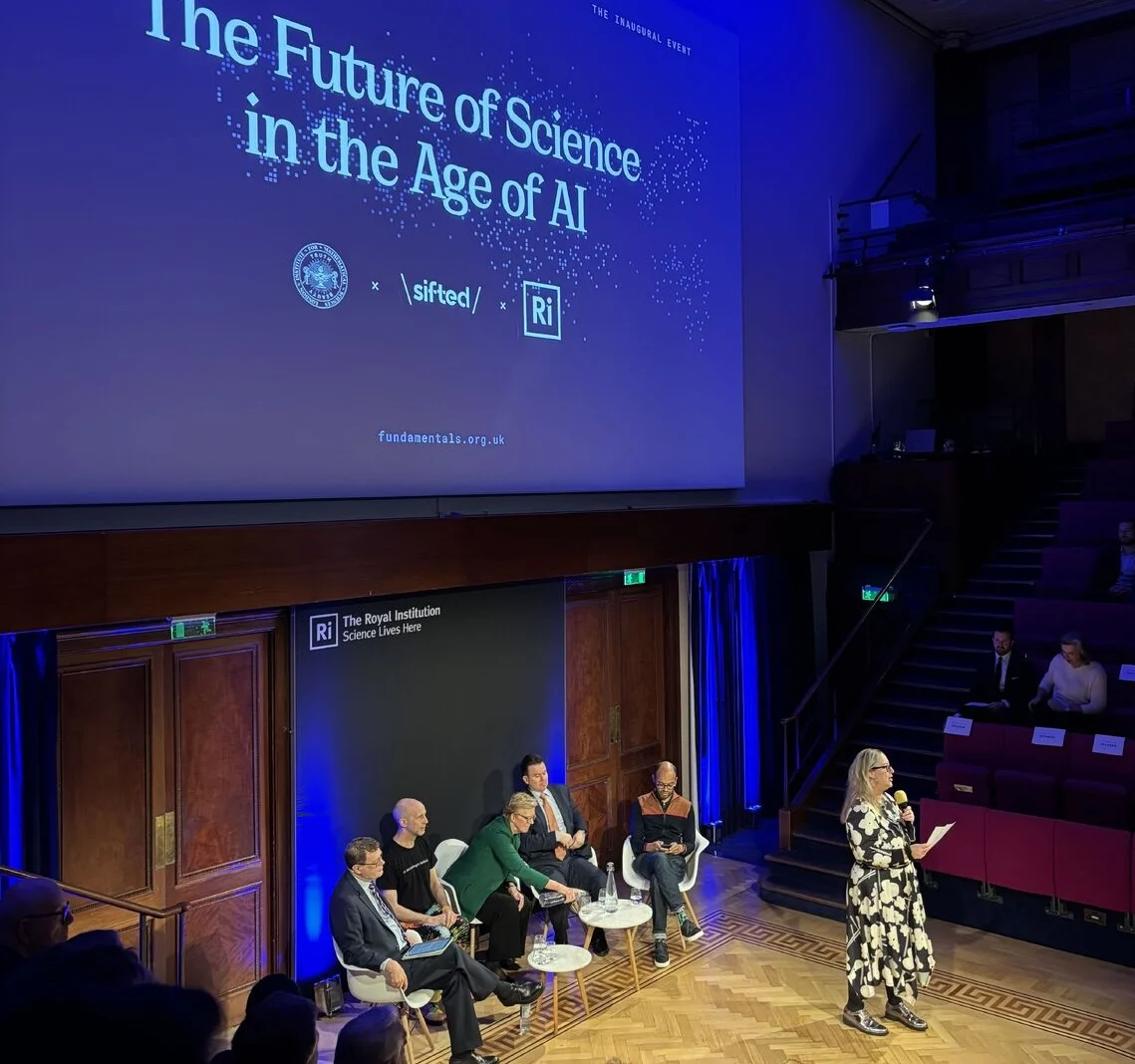
“Last night The Royal Institution held an interesting evening on the future of science in the age of AI and I had the pleasure of being in the audience (thank you Katherine Mathieson for the invitation). Given the recent breathtaking revelations in maths and the fact that the evening was co-organised by London Institute for Mathematical Sciences, the focus was understandably on the future of mathematics, but not only. The panelists included Sherry Coutu, Tom Adeyoola, Kevin Buzzard and Prof. Constantin Coussios all of whom were enthusiastic not just about the future of science but also entrepreneurship.
My key observation was that much of the promise the panellists talked about was centered about the humans and not about the AI per se. Kevin Buzzard’s enthusiasm for the future of maths was contingent on humans adjusting to AI capabilities, admitting that the breakthroughs will come from AI and that the humans need to focus on interpreting and translating them. What I heard was advocacy for a new kind of collaboration. The other panelists focused more on scaling up innovation. Here too I heard that success depends on us, humans, making the right investment decisions, at the right time to either fail fast or to accelerate the scale-up potential when it’s most ready to flourish. AI will dictate the pace.
On the topic of the future of education, Prof. Constantin Coussios said something I firmly believe in too – universities will continue to play a key role in teaching young people critical thinking, something that today is more important than ever.
While I sat listening to this discussion, which only once mentioned the word ‘safety’, Davide Castelvecchi on our news team at Nature was writing a news story about the rumours that the leading AI labs may well have cracked the Internet encryption.
The story is now all over the news and my FT newsletter tells me that the Governor of the Bank of England has sounded alarm over the threat posed to the financial systems from AI.
So the panel discussion was very timely, as was my key takeaway – our future prospects really do rest in our hands. We have the agency and we should exercise it.”
You can also read: AI in Oncology: Do We Have a Vision, or Are We Doomed?