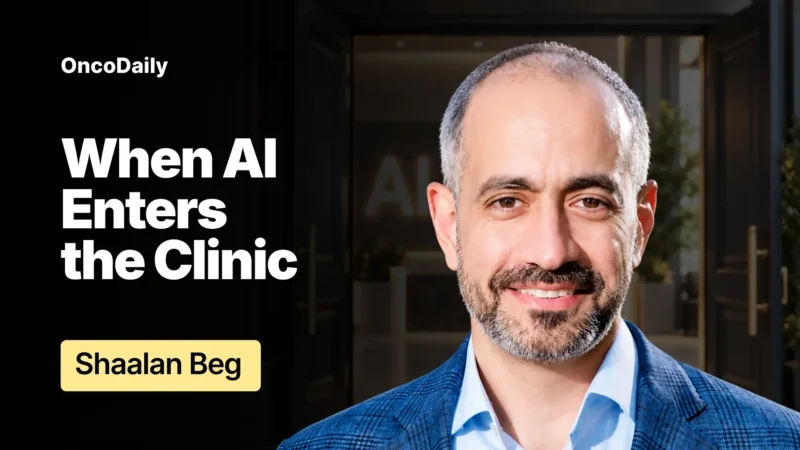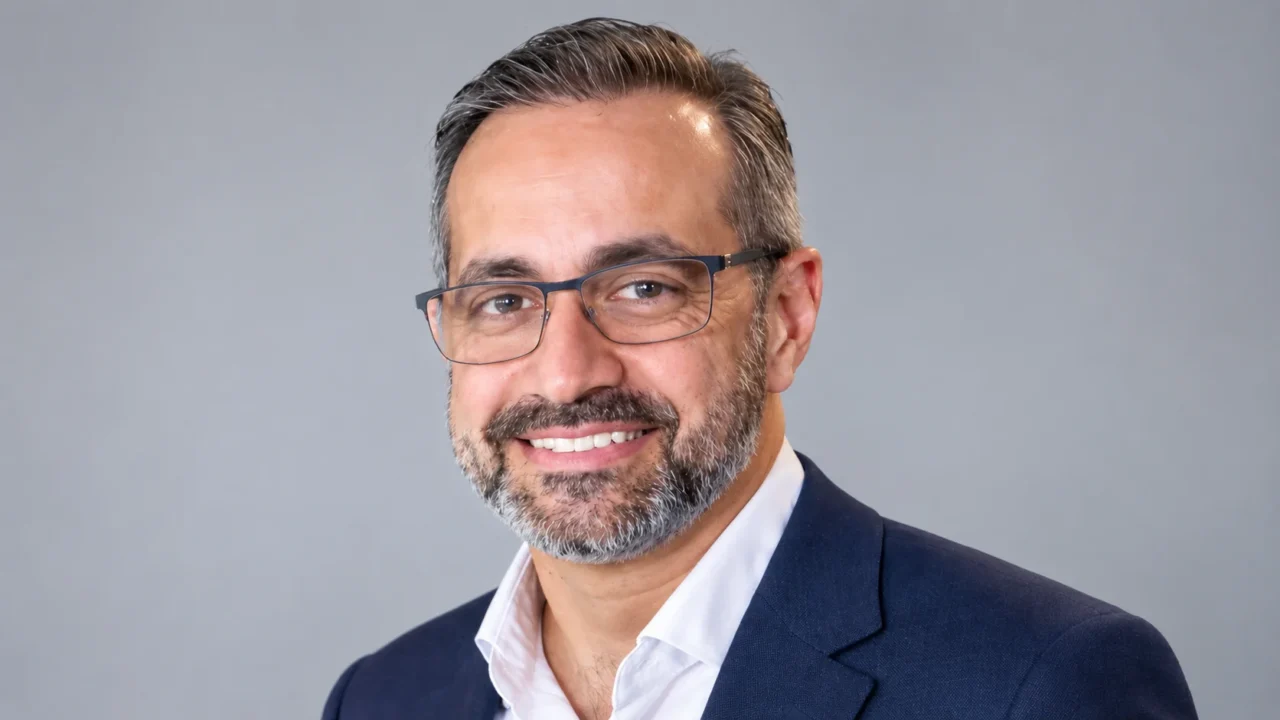
Shaalan Beg, Senior Advisor for Clinical Research at the National Cancer Institute (NCI), shared on LinkedIn:
“Every new healthcare technology is judged based on whether it can be trusted with a patient’s care. Assuming that trust too early can have real consequences for patients.
I recently spoke with Gevorg Tamamyan at OncoDaily about what it takes for AI to hold up in oncology, and why this is the right time for these processes to enter the clinic – pushing beyond simply delivering results to drive clinical care in the clinic with real workflows and real impacts on patients.
I view Agentic AI as a narrowly trained specialist you call lean on for specific problems, in the same way nephrologists are brought in for a kidney issue, or an oncologist is looped in when cancer is suspected.
Agentic AI cannot be treated as an all-knowing system.
An algorithm doesn’t deploy the way a drug does.
Its performance depends greatly on the environment it’s deployed in, which is why responsibility has to stay anchored with the physician who understands that environment, and the clinical context, best.”
Check out The Full Conversation: Shaalan Beg: When AI Enters the Clinic