 Algeria
From Medical Imaging to Predictive Oncology: How Artificial Intelligence Is Opening New Perspectives for Cancer Prevention and Diagnosis
Cancer remains one of the major public health challenges worldwide. Despite considerable advances in diagnosis and treatment, early detection remains one of the key factors in improving patient outcomes and reducing cancer-related mortality.
In this context, artificial intelligence (AI) is progressively emerging as a promising technology with the potential to profoundly transform medical practice, particularly in medical imaging, screening, risk assessment, and clinical decision support.
Algeria is also embracing this wave of innovation. During the 1st National Forum of Oncology Experts, held on November 5–6, 2026, at the Chahid Mohamed Rezoug Cancer Center (CLCC) in Laghouat, the opportunities offered by artificial intelligence in developing predictive and adaptive oncology were given particular attention during the scientific discussions.
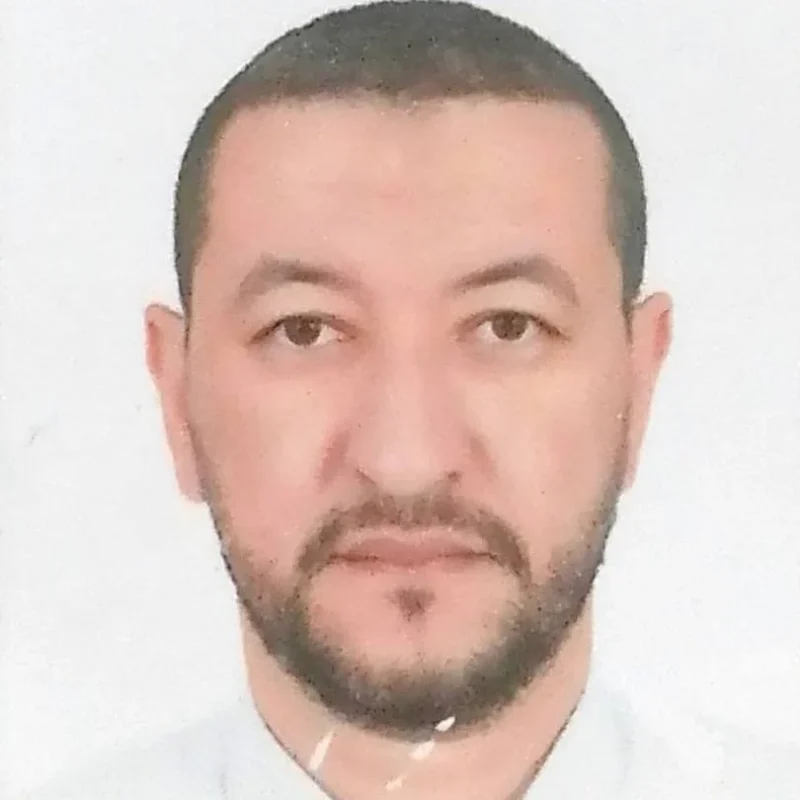
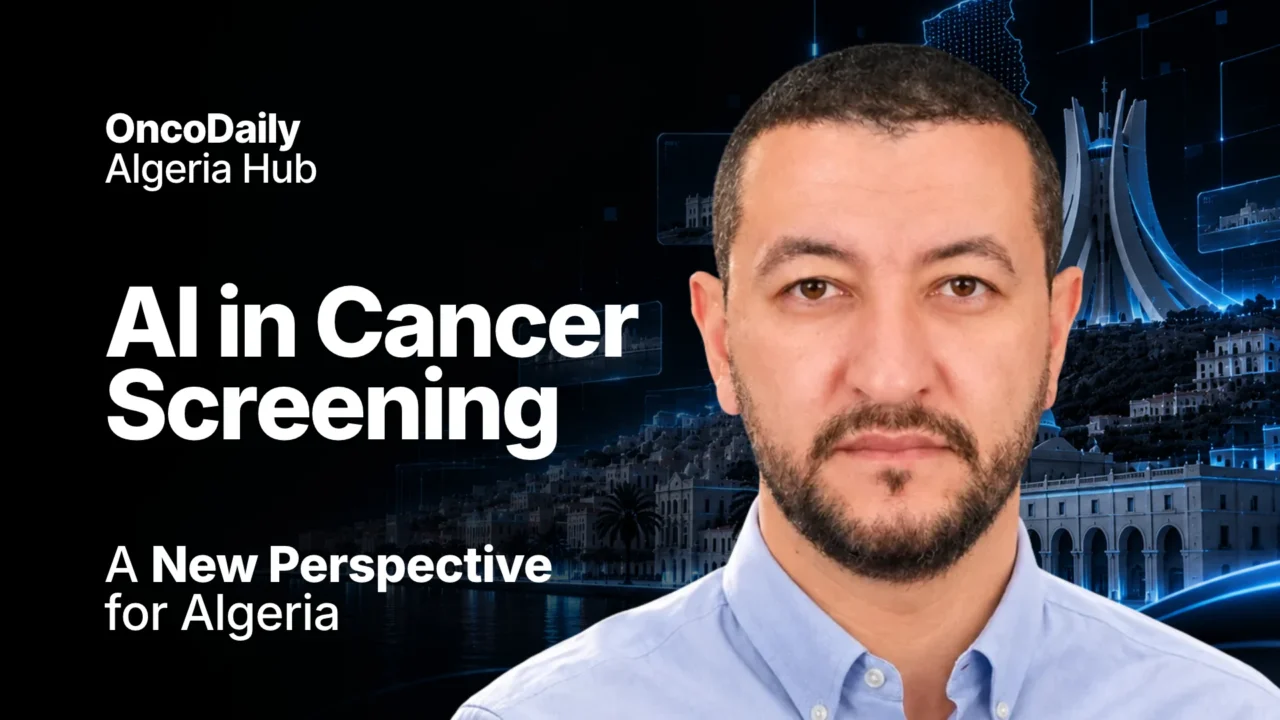
Among the notable presentations was that of Professor Fayçal Djeridane, an internationally recognized Algerian expert in artificial intelligence and medical imaging, and a member of the High Council of the National Scientific Community Abroad.
His presentation highlighted the potential of emerging technologies in cancer screening and introduced the prospects of an ambitious AI-assisted cancer screening project, for which the province of Laghouat could be selected as a pilot region.
Artificial Intelligence: A New Opportunity for Early Cancer Detection
Early detection is a fundamental component of cancer control strategies. Identifying a tumor at a localized stage can, in many situations, enable more effective treatment and significantly improve the chances of cure.
However, screening programs face several challenges, including the growing volume of medical imaging examinations, the availability of specialists, reporting delays, variability in diagnostic performance, and geographical inequalities in access to healthcare.
Artificial intelligence could help address some of these challenges.
Thanks to advances in machine learning and deep learning, computer systems are now capable of analyzing large volumes of medical data and identifying abnormalities or complex patterns in medical images.
In oncology, these technologies offer several promising applications:
- AI-assisted identification of suspicious lesions.
- Improved analysis of mammograms and other medical imaging examinations.
- Characterization of certain radiological abnormalities.
- Standardization and optimization of image interpretation.
- Support in identifying patients who require further diagnostic investigations.
The aim is not to replace the expertise of radiologists or oncologists, but rather to provide them with complementary tools that may improve the accuracy and efficiency of the diagnostic pathway.
From Early Detection to Predictive Oncology
The potential of artificial intelligence extends far beyond identifying suspicious lesions on medical images.
One of its most exciting prospects lies in the development of predictive oncology, which involves integrating clinical, biological, histopathological, molecular, and radiological data to better understand cancer behavior.
The combined analysis of these data could eventually help identify profiles associated with an increased risk of cancer, improve prognostic assessment, and contribute to predicting treatment response.
This approach is directly aligned with the principles of precision medicine, in which therapeutic decisions are increasingly guided by the specific biological and molecular characteristics of each tumor.
The integration of artificial intelligence, molecular biology, and biomarker analysis could therefore become one of the cornerstones of the future of oncology.
However, translating these models into clinical practice requires rigorous scientific validation, particularly in the populations for which they are intended.
Laghouat: A Pilot Region for an Ambitious Project
One of the particularly encouraging aspects of this initiative is the potential selection of Laghouat as a pilot region for an AI-assisted cancer screening project.
This represents an opportunity to bring technological innovation closer to real-world healthcare settings and explore new approaches to organizing cancer screening at the regional level.
The project also highlights the importance of collaboration between scientific experts, specialists in emerging technologies, and healthcare professionals.
In this context, the involvement of the Laghouat Cancer Center and its oncology team provides a particularly relevant clinical environment to support this initiative.
Beyond technology itself, the success of such a project will depend on several essential conditions:
- Defining the targeted cancers and eligible populations.
- Establishing clearly structured screening pathways.
- Ensuring the availability of appropriate diagnostic infrastructure.
- Training healthcare professionals.
- Validating algorithms in the Algerian population.
- Protecting and securing medical data.
- Regularly evaluating diagnostic performance and project outcomes.
These elements are essential to transforming technological innovation into a genuine public health benefit.
The Importance of Scientific Validation and Multidisciplinary Collaboration
One of the main challenges in integrating artificial intelligence into medicine lies in ensuring the reliability of algorithms when they are applied to populations and healthcare environments different from those in which they were originally developed.
A model designed using data from other countries does not necessarily guarantee the same level of performance in the Algerian population, given differences in demographic, epidemiological, technical, and organizational characteristics.
Local validation is therefore a fundamental step before any large-scale implementation.
The Laghouat pilot project could provide an opportunity to develop a national experience in evaluating artificial intelligence tools applied to cancer screening.
This approach requires close collaboration between oncologists, radiologists, biologists, epidemiologists, engineers, and data scientists.
Such cooperation could also encourage the emergence of national research projects and contribute to strengthening Algeria’s scientific expertise.
Algeria and the Future of Digital Oncology
The integration of artificial intelligence should be viewed as part of a broader transformation in cancer care.
The future of oncology will increasingly rely on the complementarity between clinical expertise, molecular diagnostics, advanced imaging, digital technologies, and personalized treatments.
For Algeria, this evolution represents an opportunity to strengthen early detection strategies, improve diagnostic organization, and develop collaborations between healthcare institutions and research organizations.
Nevertheless, this transformation must be part of a structured strategy based on clear clinical objectives: improving access to screening, reducing diagnostic delays, addressing geographical inequalities, and, above all, improving patient outcomes.
Conclusion: Technological Innovation at the Service of Patients
The initiative highlighted during the 1st National Forum of Oncology Experts in Laghouat reflects an encouraging ambition: bringing artificial intelligence closer to cancer prevention and early detection strategies.
The potential selection of Laghouat as a pilot region opens up interesting prospects for exploring the integration of these emerging technologies into the Algerian healthcare system.
Artificial intelligence alone cannot solve all the challenges of cancer screening. Its true value will lie in its ability to complement medical expertise, strengthen patient care pathways, and provide reliable, relevant, and accessible information.

Explore the human side of artificial intelligence in oncology in AI in Oncology: Do We Have a Vision, or Are We Doomed?