





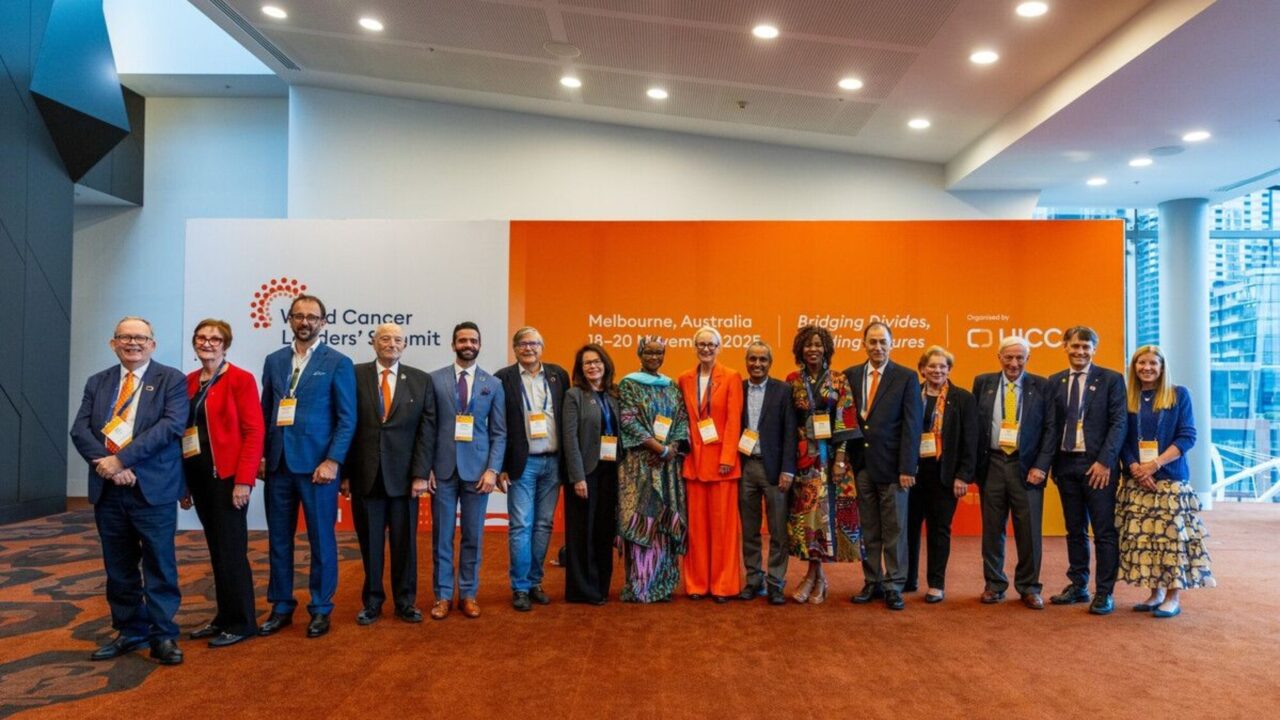
Zainab Shinkafi-Bagudu, UICC President-Elect of 2024-2026 and a Founder and CEO of the Medicaid Cancer Foundation, shared a post on LinkedIn:
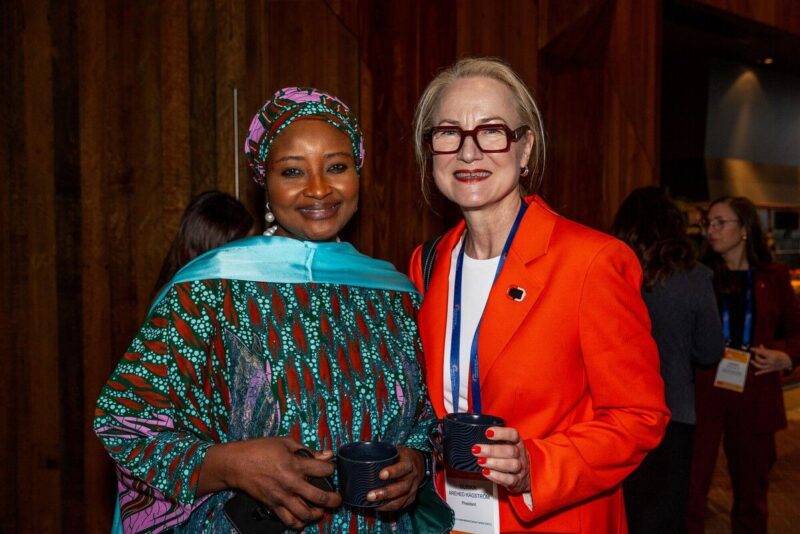
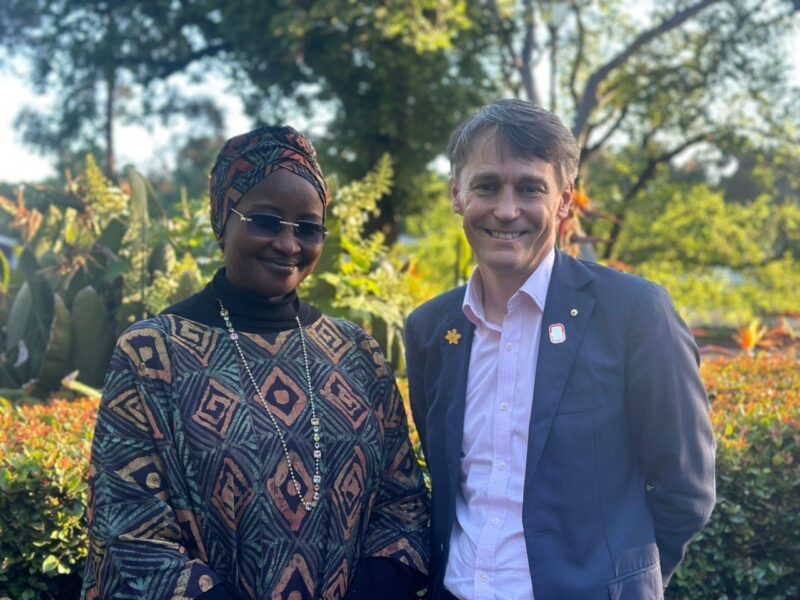
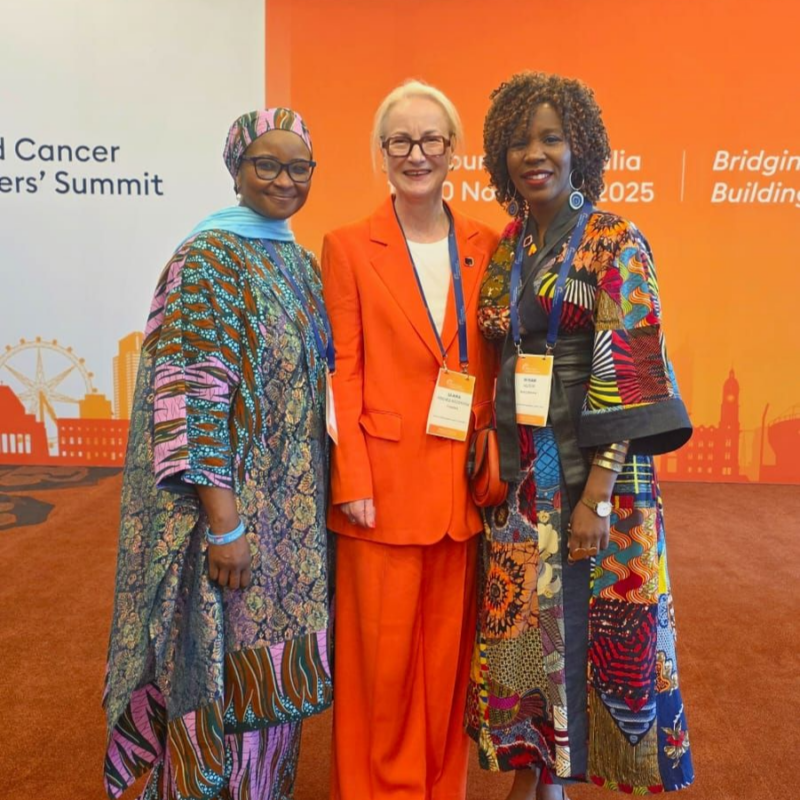
“In recent years, the UICC’s World Cancer Leaders’ Summit has moved across continents, mirroring the shifting landscape of global health. This year, we converged in Melbourne, Australia. It was a delightful first visit for me, through which I learnt new cultures, perspectives on cancer control, and engaged many of our UICC members.
Todd Harper, CEO of host organization, Cancer Council Victoria, opened the meeting with a phrase we were to subsequently hear repeated often
This welcome to the country is a mark of respect and acknowledgement of Aboriginal and Torres Strait Islander peoples as the first inhabitants of the continent. It shows respect, promotes reconciliation, and reminds the younger generations of the true culture of Australia.
This is where my worry lies.
The original owners comprise about 4% of the population and have remained somewhat disadvantaged in health, education, and other socioeconomic parameters. The incidence of NCDs is high; mental health is an issue, with suicide rates higher than the non-First Nation/migrant population—including those sent to confinement sentences there. Risk factors like smoking, alcoholism, and historical trauma all contribute to poor health-seeking behavior.
Efforts are underway to close the gap, but the situation is complex.
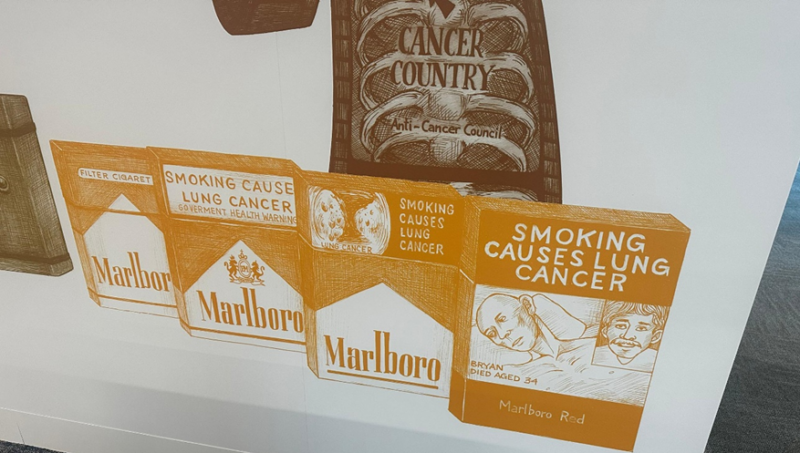
During the WCLS opening ceremony, what was meant to be a cultural dance became a speech by Elder John about the history and suffering of his people. For many of us foreigners from once-colonized nations who also carry our own burdens, it felt uncomfortable. His account did not acknowledge lifestyle factors or government efforts to improve Indigenous well-being.
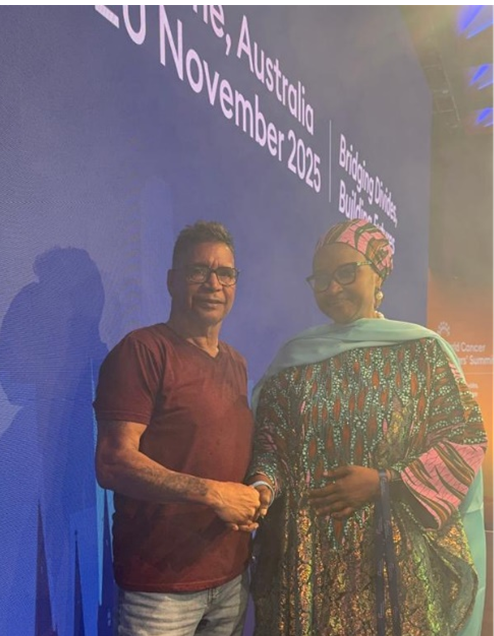
I formed my own perspective. Showing respect and acknowledging past injustices is essential. My question, however, is whether this respect is mutual. Or is Australia unintentionally nurturing a sense of entitlement that may hinder self-determination?
Across the world, conflicts continue to shape identity and belonging.
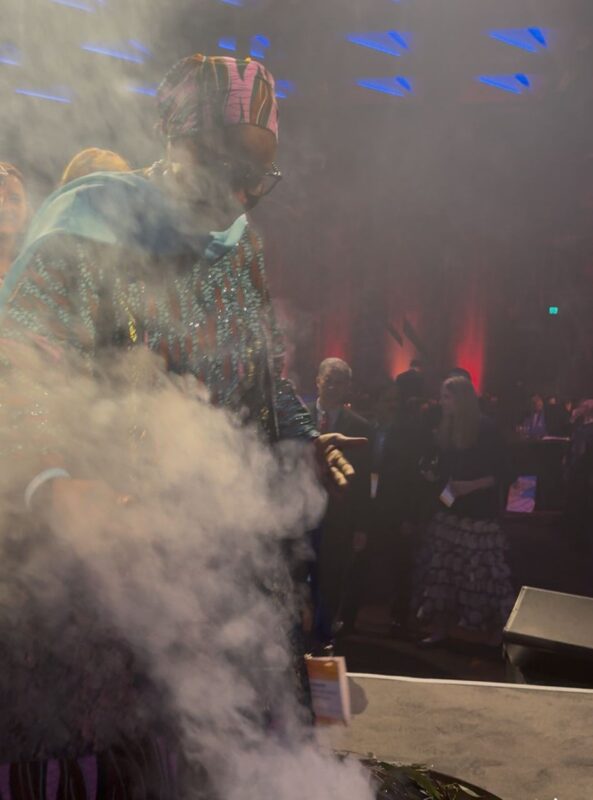
I found myself asking difficult questions: Where are the colonial architects who arbitrarily merged over 130 tribes into one Nigeria? How many Palestinians have been killed simply for claiming historical ties to their land? The reality is that later settlers built Australia into a prosperous nation and continue trying to uplift the First Peoples, while repeatedly apologizing for history. It is a delicate balance, and as an outsider, I wonder how long it will take to build a truly integrated Australia.
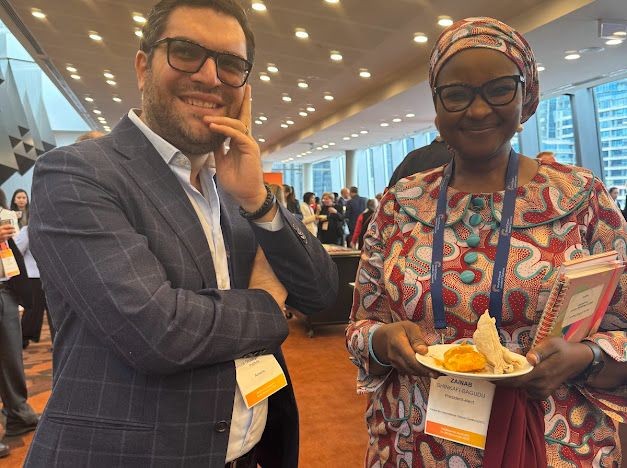
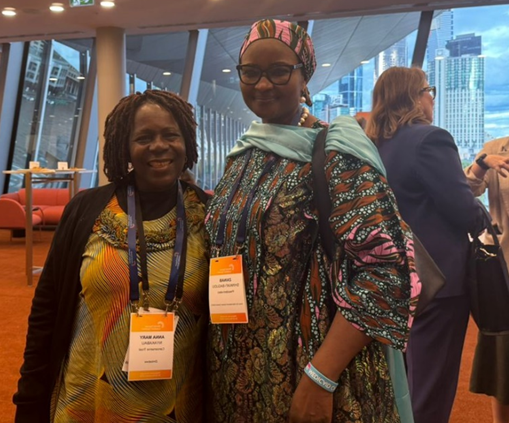
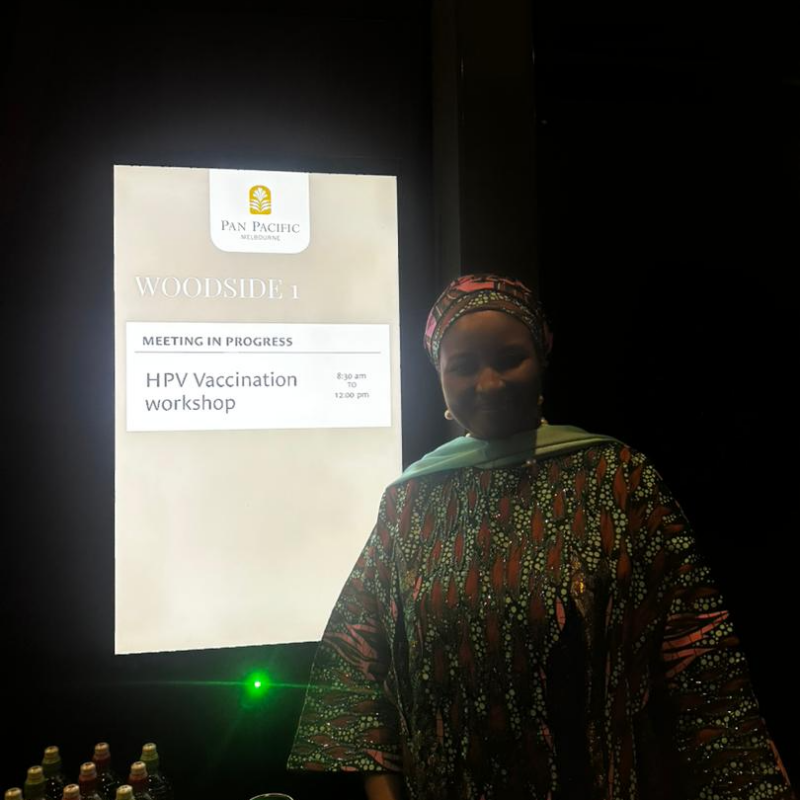
At a pre-summit HPV vaccination workshop for grantees, I learned another lesson from UICC President Ulrika about institutional trust. Coming from Sweden, a high-income country with strong social welfare systems, she explained how their near-elimination of cervical cancer stems not only from vaccination and screening programs but also from public trust.
Even when misinformation exists, people do not accept lies because their institutions have delivered consistently over time. In contrast, in countries with unstable governments, civil unrest, and persistent youth frustration, institutional trust is low, making vaccine uptake an uphill battle.
These reflections became even more personal when, a day after I arrived in Melbourne, I received devastating news: 25 girls had been abducted from Government Secondary School, Maga, in Kebbi State. Banditry, kidnapping, and violence have overtaken many parts of Northern Nigeria. These insurgents, driven by distorted ideology, continue to destroy lives and futures. Years of effort to support the girl child, including our successful HPV vaccination program, are now in jeopardy as parents withdraw their daughters from school out of fear.
In conclusion, we must remain strong and determined. Progress in cancer control, just like nation-building, depends on mutual respect, shared responsibility, and trust in our institutions. Australia’s reconciliation journey and Nigeria’s instability both highlight the importance of these foundations. Without trust and accountability, even the best-designed programs will falter. However, with them, we can create safer communities, stronger systems, and a more equitable future for all.”
More posts featuring Zainab Shinkafi-Bagudu on OncoDaily.