Zainab Shinkafi-Bagudu, UICC President-Elect of 2024-2026 and a Founder and CEO of the Medicaid Cancer Foundation, shared a post on LinkedIn:
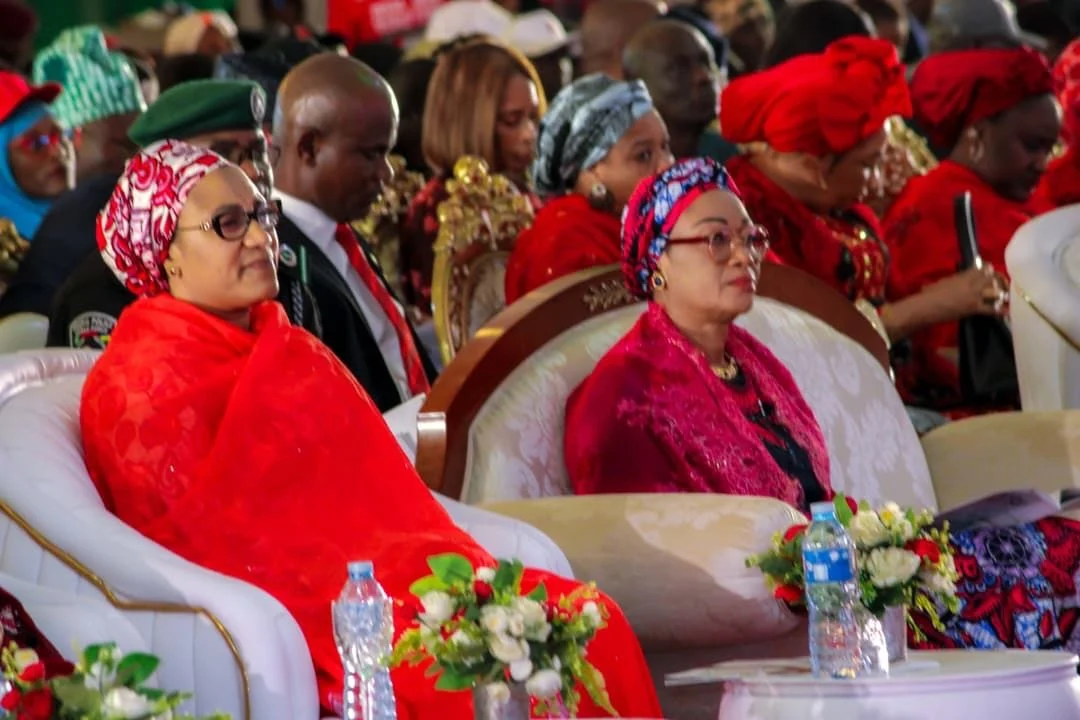
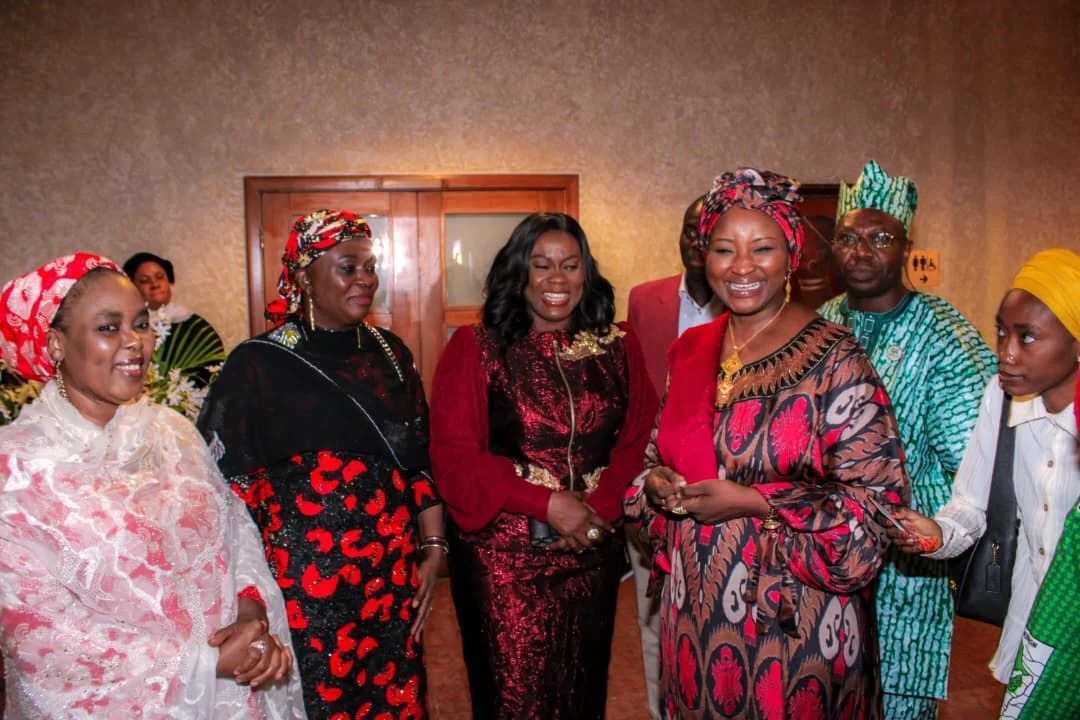
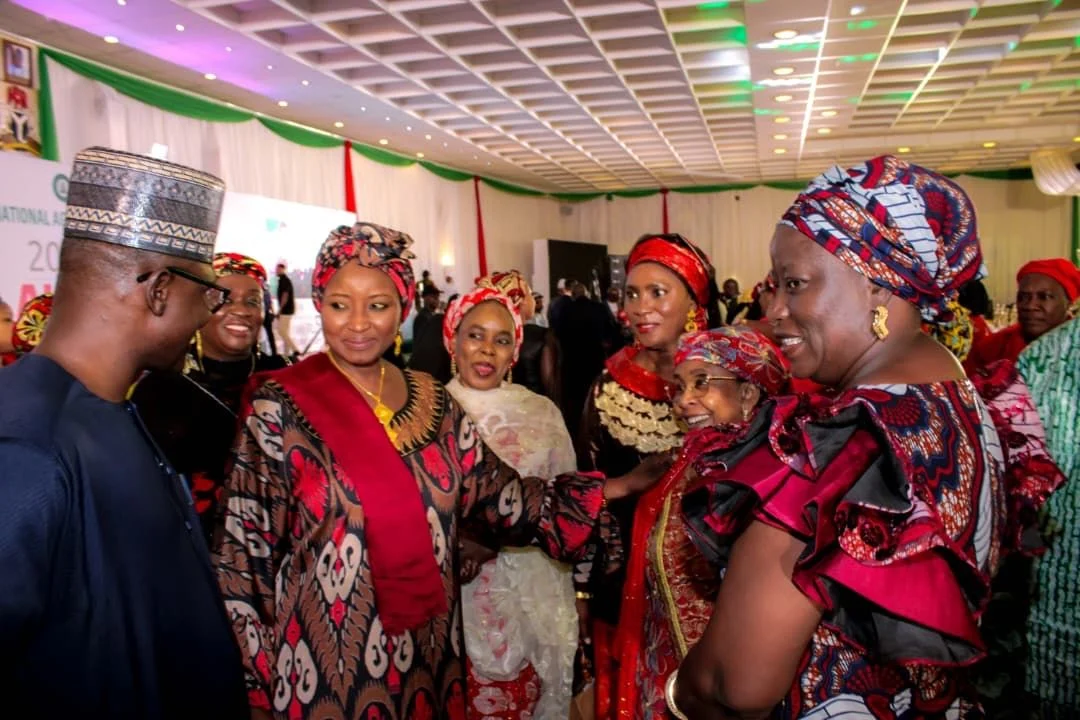
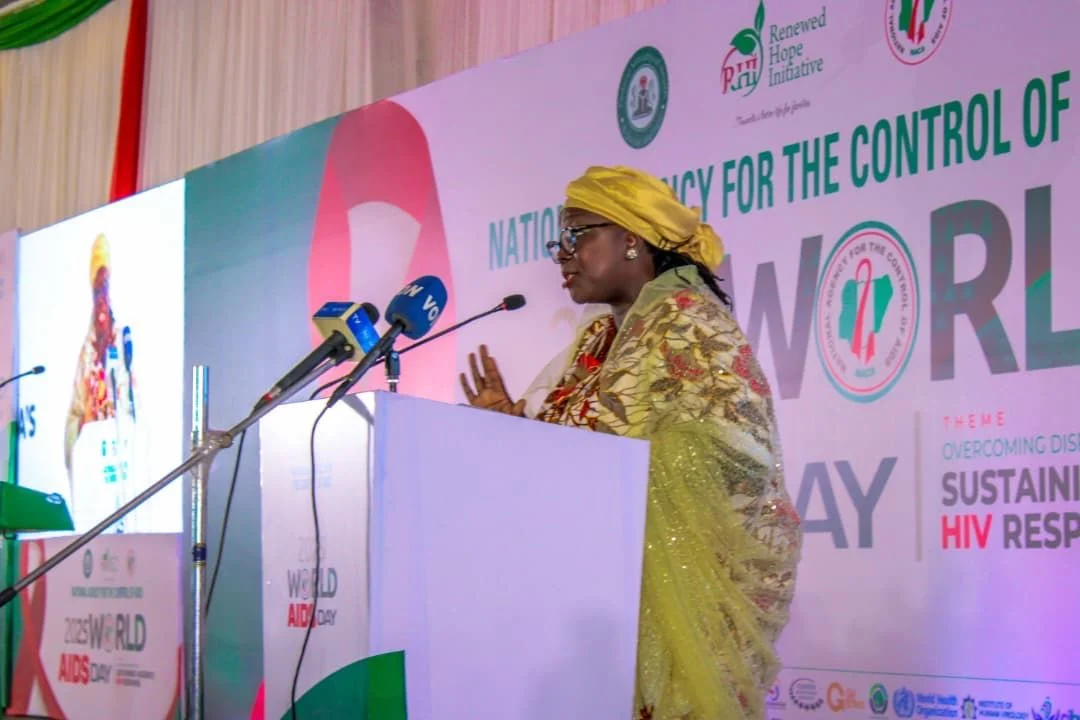
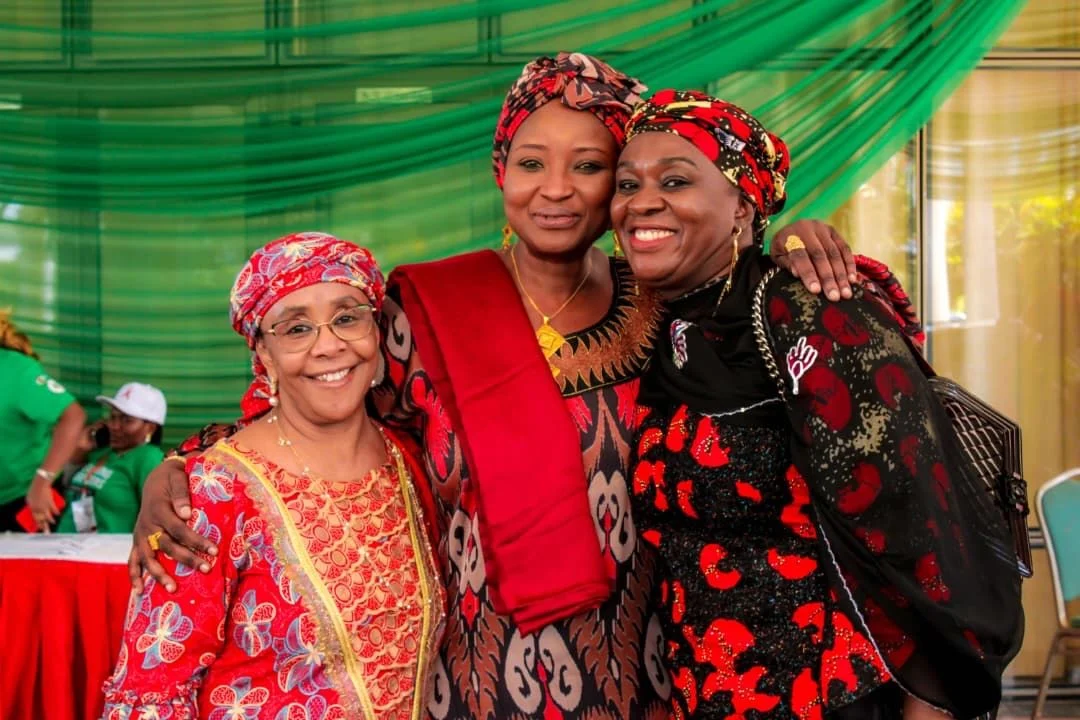
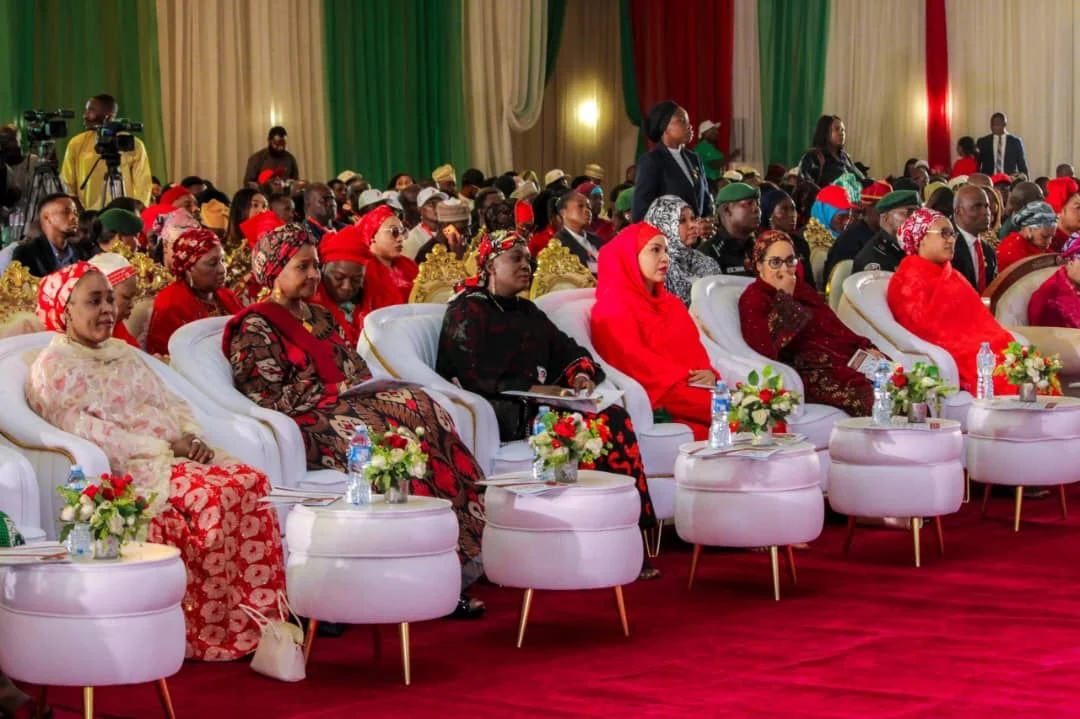
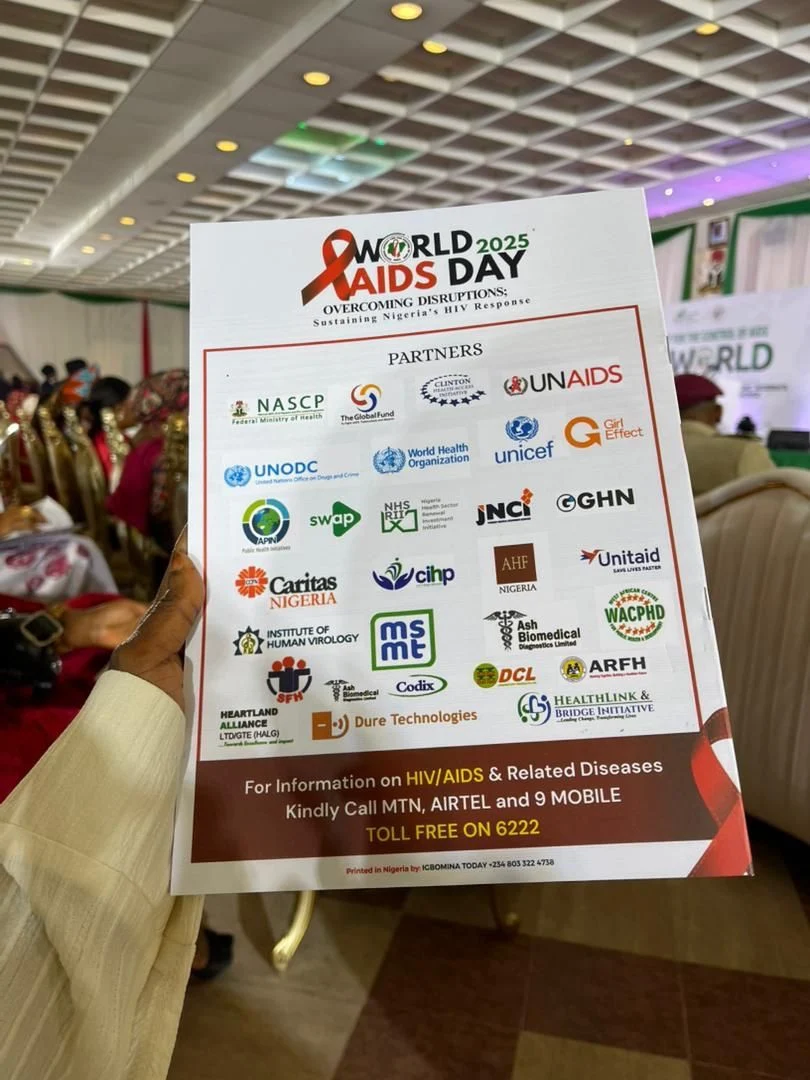
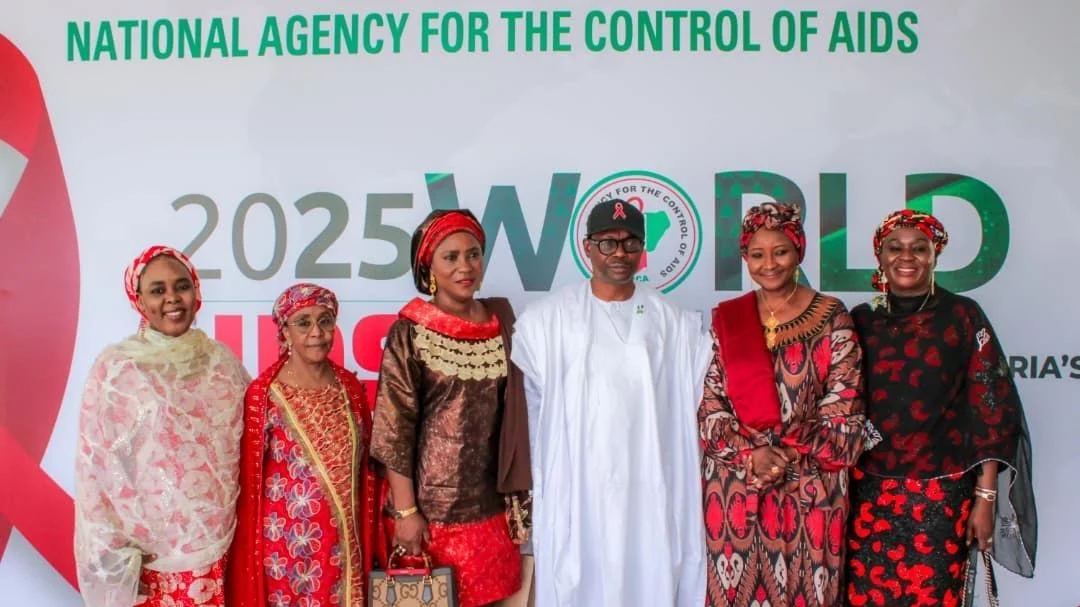
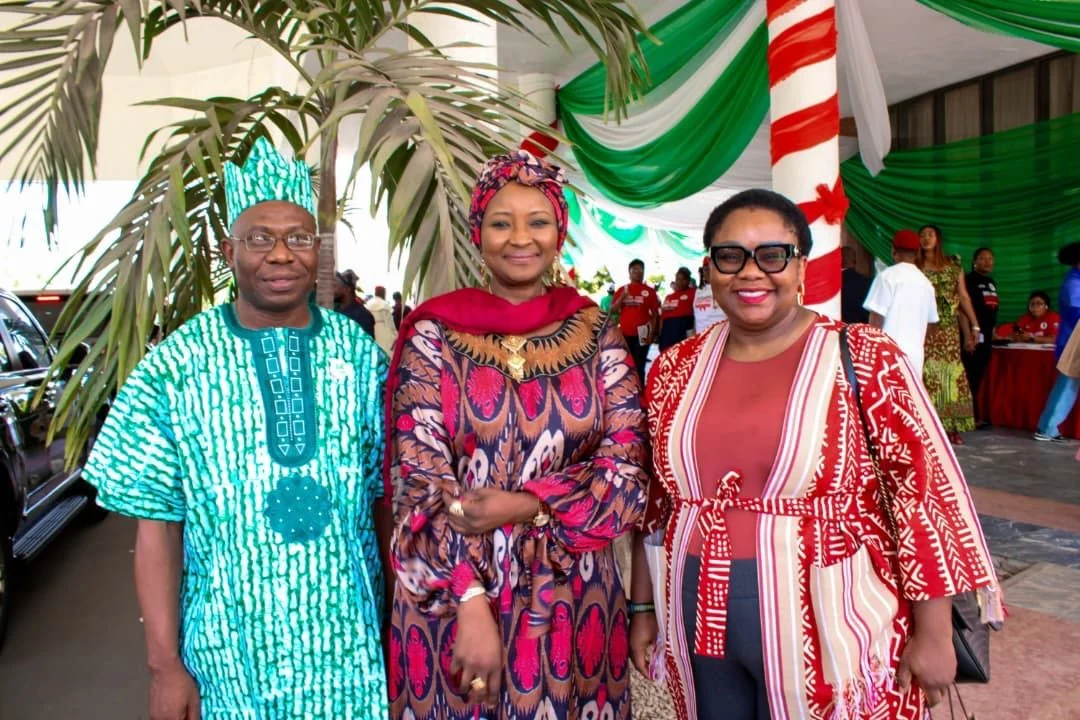
“World AIDS Day is observed on December 1st. I joined stakeholders at the State House Banquet Hall for an event themed “Overcoming Disruption: Sustaining Nigeria’s HIV Response.” These gatherings help us understand current data, identify gaps, and refine priorities. Strong advocacy depends on clear, factual communication.
In 2023, Nigerias National Agency for the Control of AIDS reported 22,000 new HIV infections in children and 15,000 AIDS-related deaths among children in that age group.
Speakers, including the DG NACA, Dr. TEMITOPE ILORI; the National Coordinator of Persons Living with HIV, Mr. Abdulkadir Ibrahim; and partners like UNODC and National Primary Health Care Development Agency (NPHCDA), shared progress on mobilization of increased domestic funding and initiatives such as OAFLAD’s Free to Shine. Yet significant gaps remain, especially in preventing mother-to-child transmission at the community level.
Consequently, Nigeria is estimated to contribute about 22% of global paediatric HIV cases, largely due to inadequate access to testing and treatment during pregnancy.
We didn’t hear much about linking HIV and cervical cancer. Our responses can work hand in hand. Existing HIV testing platforms can support cervical cancer screening, and the molecular systems strengthened during COVID-19 can be deployed. Women living with HIV face a six-times higher risk of cervical cancer, underscoring the need for integrated funding and programming.
As the First Lady, Sen Oluremi Tinubu, noted, the Federal Government has approved major investments in HIV, tuberculosis, and malaria- N200B ($140M), and is working with states to strengthen long-term ownership. Her call for collective support toward an HIV-free Nigeria by 2030 requires coordinated, practical action from all of us.”
More posts featuring Zainab Shinkafi-Bagudu on OncoDaily.