Zainab Shimkafi-Bagudu, Cancer Advocate, Cancer Advocate, UICC President-Elect 2024–2026, Founder Medicaid Cancer Foundation, shared a post on LinkedIn:
“In many African countries and other LMICs, the biggest cause of abandoning cancer treatment is not just the cost of drugs, but other social barriers such as the cost of transportation to the hospital, a place to stay during treatment, or simply having enough to eat.
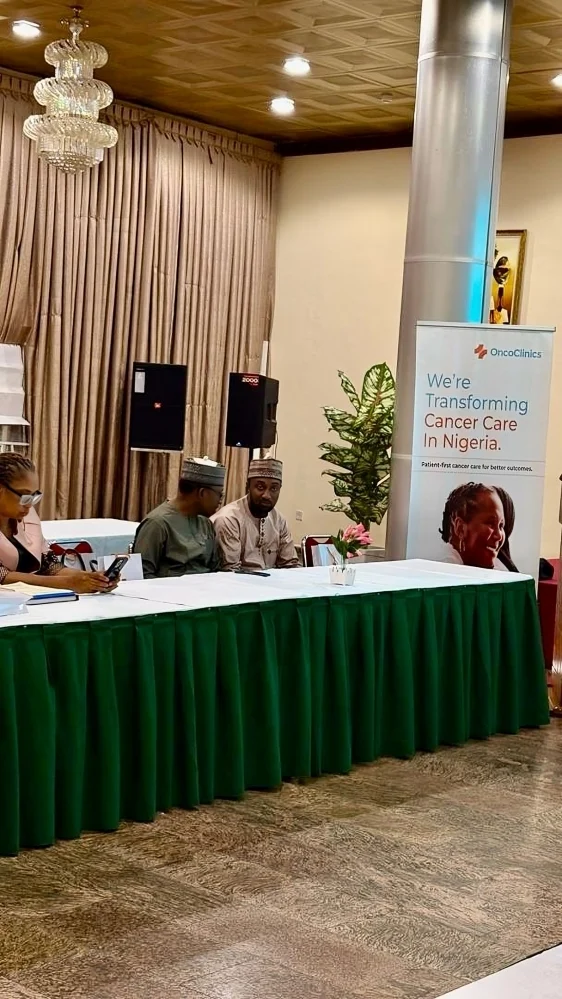
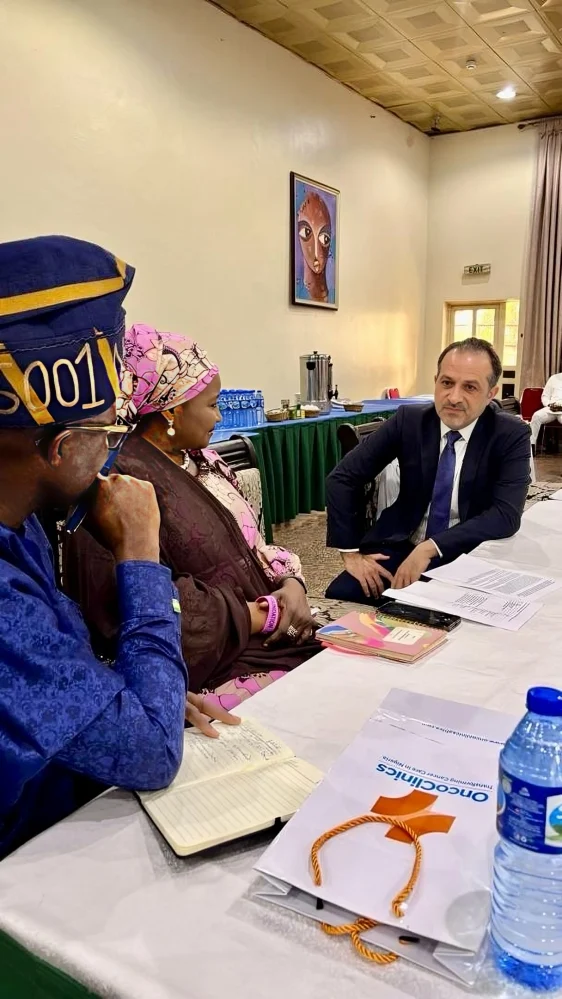
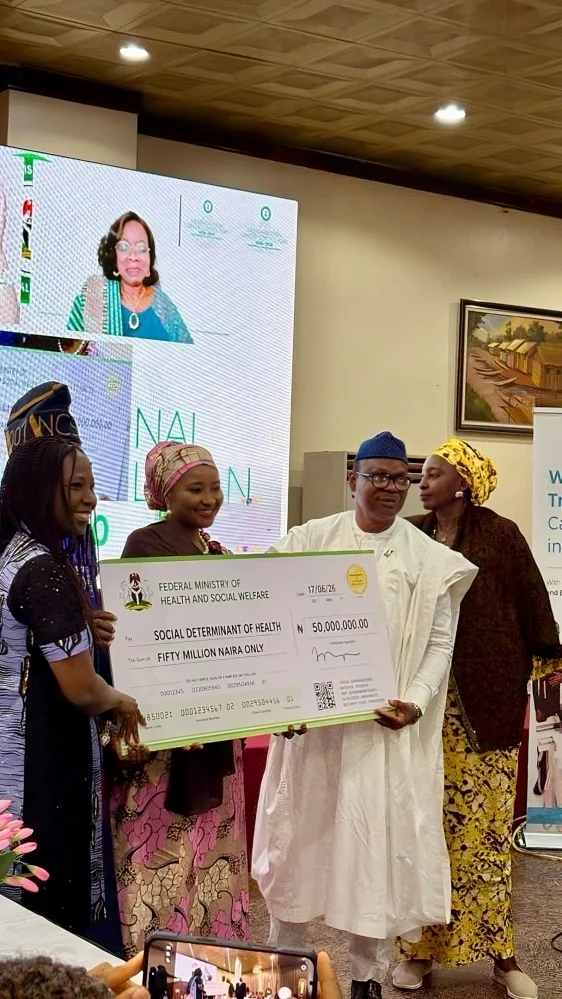
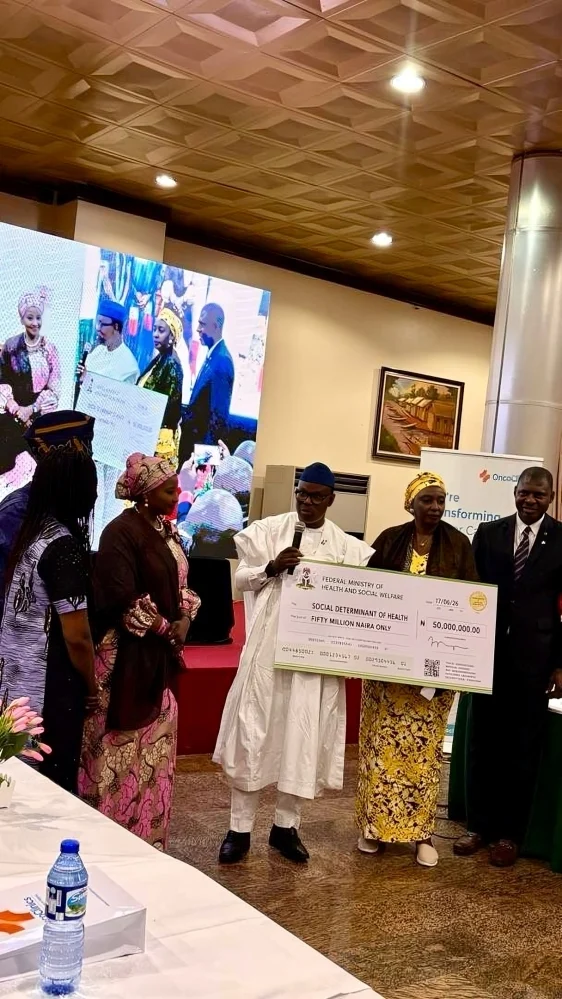
These realities prompted the National Cancer Control Programme (NCCP Nigeria) to establish a Social Determinants of Health Fund for cancer patients, which was launched yesterday by the Honourable Minister Federal Ministry of Health and Social Welfare Nigeria, Dr. Iziaq Kunle Salako, in the presence of many stakeholders, including OncoClinics Africa, the Nigerian Cancer Society (NCS), Roche, National Institute for Pharmaceutical Research and Development (NIPRD), National Institute for Cancer Research and Treatment , NSIA: Nigeria Sovereign Investment Authority, MedServe and persons with lived experience.
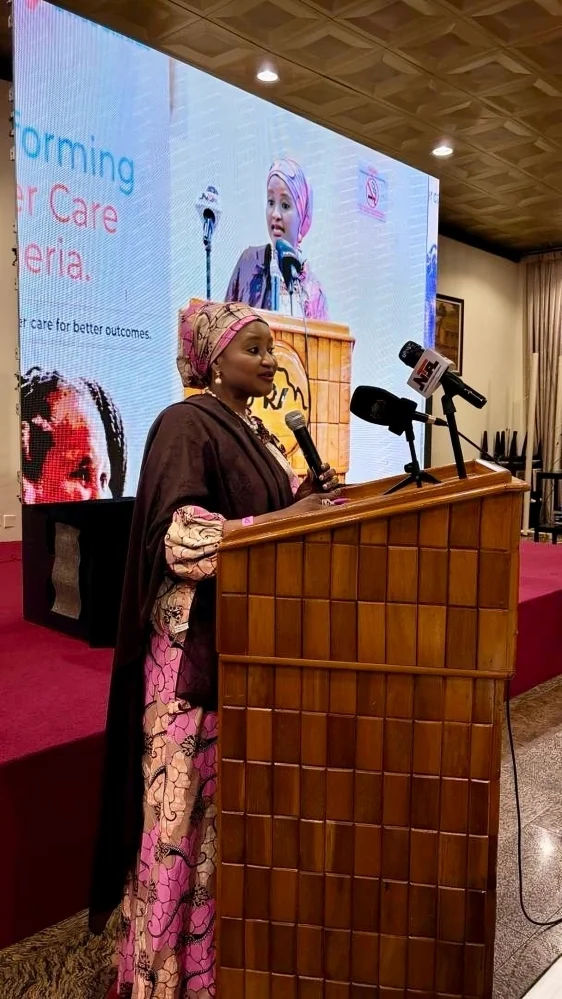
In my remarks, I emphasized the need to strengthen our data, improve implementation science, and align the similar work that many of our civil society organizations are already undertaking.
The Honourable Minister of State for Health and Social Welfare, Dr. Iziaq Salako, reminded us that “our shared responsibility is to ensure that a cancer diagnosis does not become a death sentence.” In a show of political will, he announced a ₦50 million ($36,635.67) contribution to the Fund. The NCCP Technical Working Group, where I serve on the Global Advisory Council, has already raised ₦23 million through voluntary contributions by its members.
The Fund is a recognition that addressing cancer means looking beyond drugs and diagnostics to the everyday realities that shape our lives. At the MEDICAID CANCER FOUNDATION, we run two programs—Care Wheels, which provides transportation support for cancer patients, and Patient Access to Care, which supports nutrition, accommodation, and treatment. In a report published with Chatham House in 2021, we found, among other important findings, that 69% of cancer patients travel continuously by road for four hours or more to reach a cancer center (Read; here.). MCF will therefore continue to support and collaborate with the new SDOH Fund.
Indeed, organizations such as World Health Organization, Union for International Cancer Control (UICC), and the Nigerian Cancer Society have long advocated for stronger social welfare systems to improve outcomes and ensure equitable progress in cancer control.
‘No one should lose their chance at survival because of barriers that can, and must, be addressed.’ ”

Other articles about Social Determinants of Health on OncoDaily.