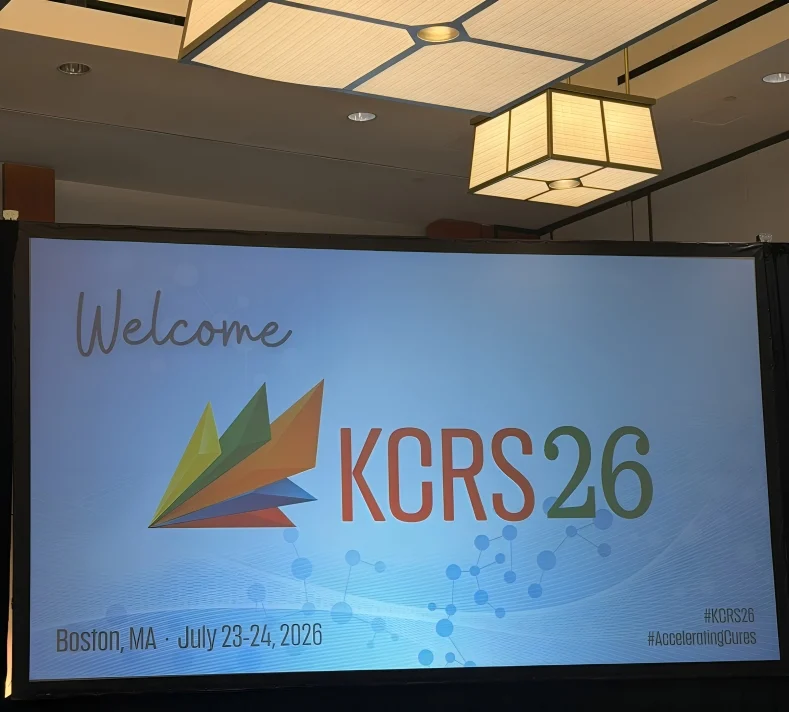
The Kidney Cancer Research Summit (KCRS26), organized by KidneyCAN, was held in Boston, Massachusetts, on July 23–24, 2026. KCRS is an annual meeting that brings together clinicians, researchers, physician-scientists, patient advocates, medical oncologists, industry representatives, and other stakeholders to discuss the latest advances and strengthen collaboration in kidney cancer research.
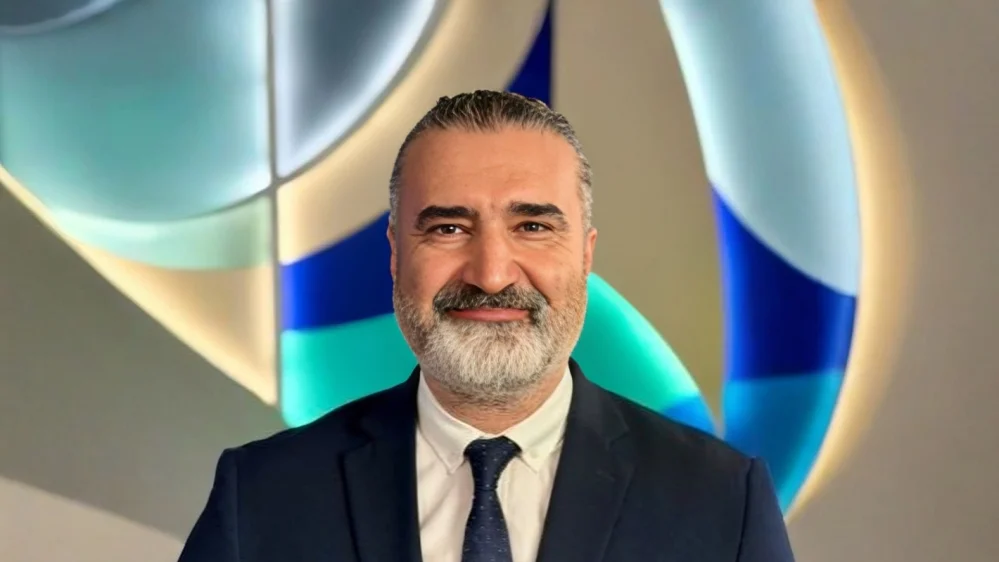
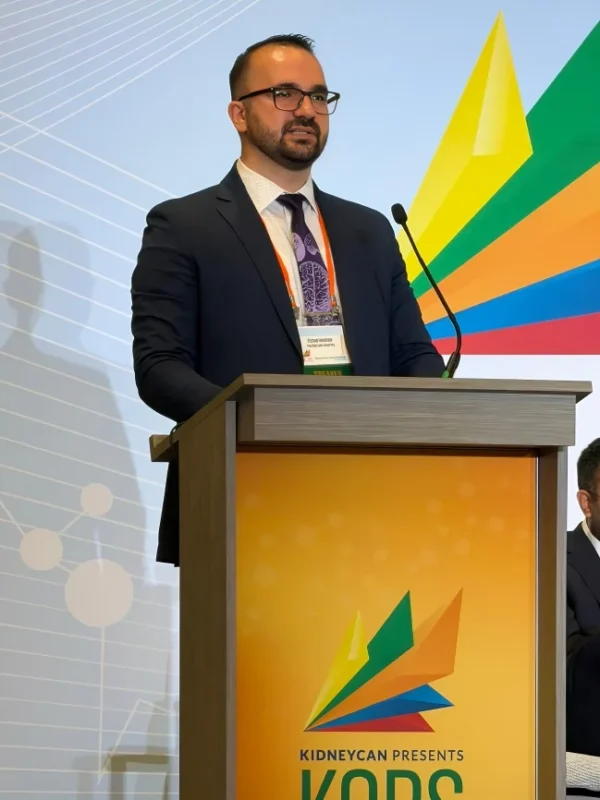
Professor Yüksel Ürün, Professor of Medical Oncology at Ankara University School of Medicine, attended the meeting and shared his key scientific insights and reflections from the summit.
“Ready to start KCRS26. Looking forward to new science, thoughtful discussions, and meaningful collaborations to help accelerate progress for people living with kidney cancer.”
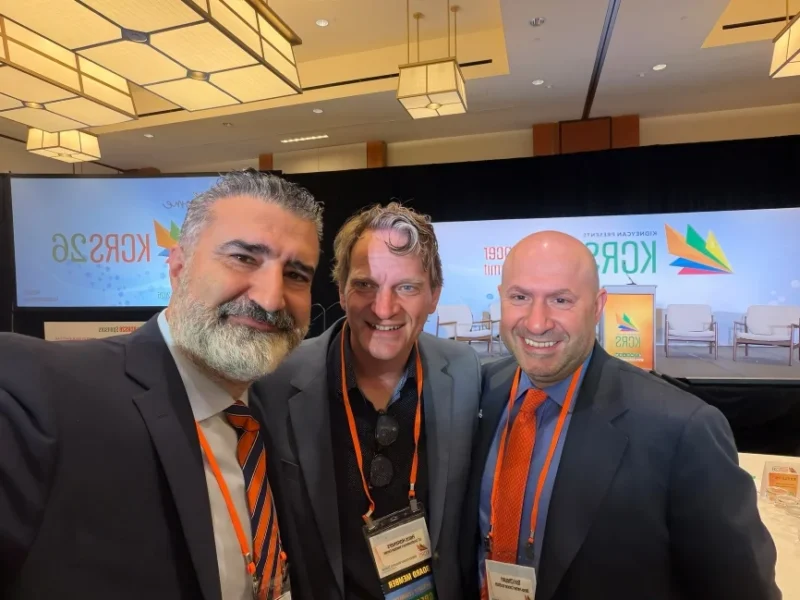
“About to begin KCRS26 with the conference chairs. Excited for the science, the debates, and the people working together to move kidney cancer care forward.”
“
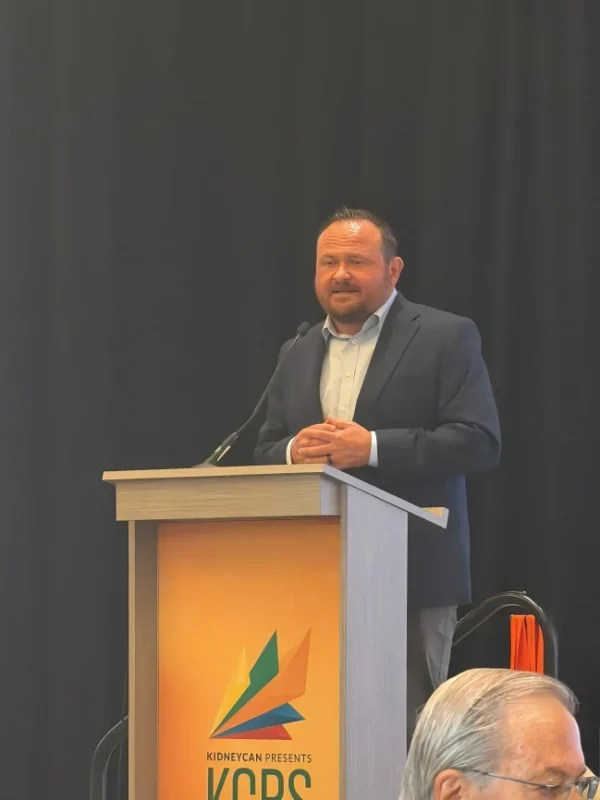
“Thank you, Bryan Lewis, for your vision, leadership, and tireless commitment to improving the lives of people living with kidney cancer. KCRS continues to inspire collaboration and progress.”
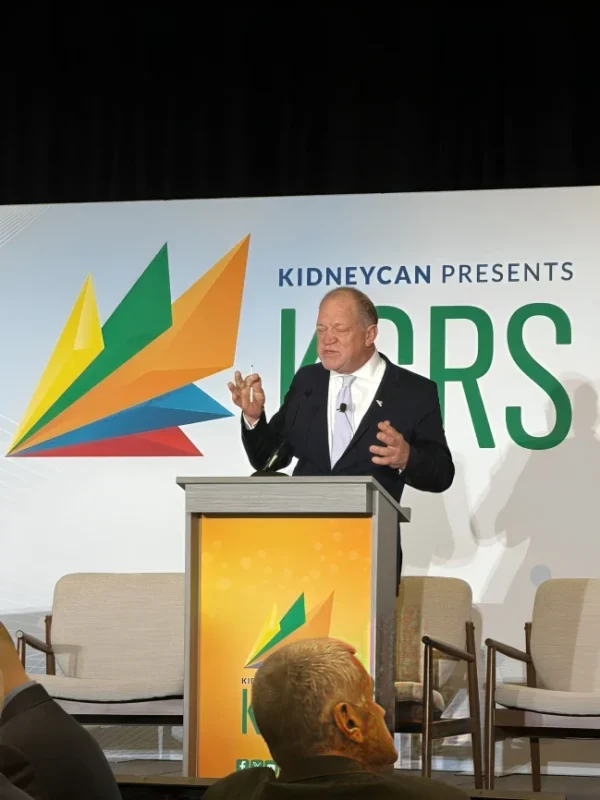
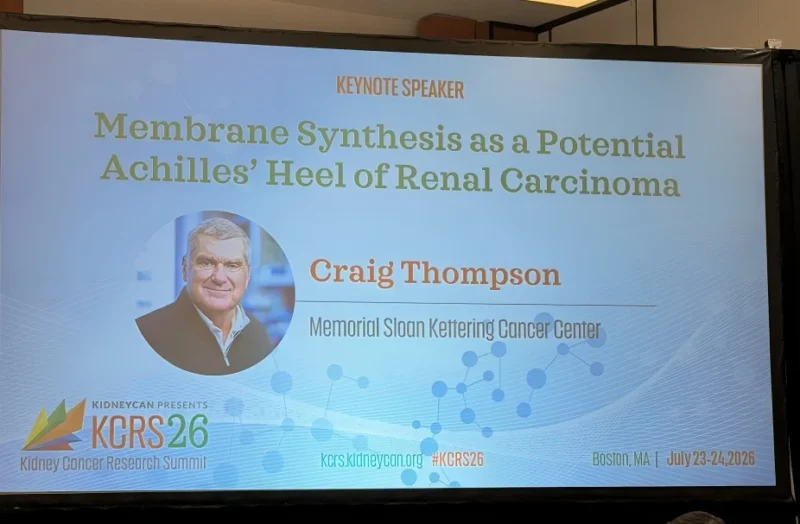
“An inspiring keynote by Dr. Craig Thompson from Memorial Sloan Kettering Cancer Center.
Obesity, immune metabolism, and renal cell carcinoma are deeply interconnected. Understanding these metabolic pathways may unlock the next generation of therapeutic targets in RCC.”
“Science moves forward because research is funded.
Recent data presented at KCRS26 show a decline in overall NCI support for kidney cancer research. Continued innovation depends on continued investment.
AI won’t replace scientific curiosity. But it may help us ask better questions, connect hidden patterns, and bring the next breakthrough in kidney cancer a little closer.
The promise of AI is not just faster analysis. It’s discovering signals that humans alone might never see, and turning them into better care for patients.
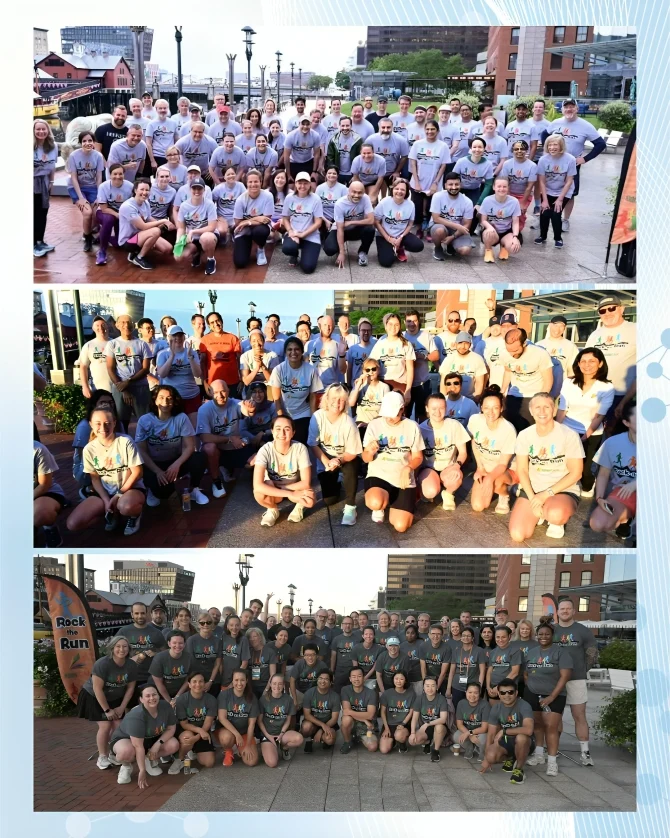
Tomorrow’s Rock The Run is more than a race. It’s a commitment to accelerating kidney cancer research, collaboration, and hope for our patients.
See you at the starting line.
Patient stories remind us why science matters.
Thank you, Ryan Steadman, for sharing your journey and for showing that the patient voice is an essential part of kidney cancer research.”
“KIM-1 continues to emerge as a promising biomarker in localized RCC.
No clear benefit was observed in patients with low KIM-1.
In the COSMIC-313 analysis, higher baseline KIM-1 was associated with:
- Poor-risk IMDC disease
- Worse overall survival
Can dynamic changes in KIM-1 become an early marker of treatment response?
The true legacy of mentorship is not one successful investigator, but generations of them.
Toni Choueiri impact on the global RCC community is extraordinary.”
“The IKCC Global Patient Survey highlights a striking gap! Improving access to clinical trials may have a greater impact than improving acceptance.
Adjuvant pembrolizumab may not only reduce recurrence risk but also change the pattern of recurrence after nephrectomy for RCC.
The gut microbiome is rapidly moving from association to intervention in GU oncology.
The next frontier may not be which bacteria matter, but how to safely and reproducibly manipulate them to benefit patients.
Dual PD-1/VEGF blockade and cooperative binding provide a compelling biological rationale for ivonescimab.
The key questions are not whether the mechanism is attractive, but:
Does it translate into better efficacy?
Ultimately, clinical outcomes will determine whether this approach changes practice.
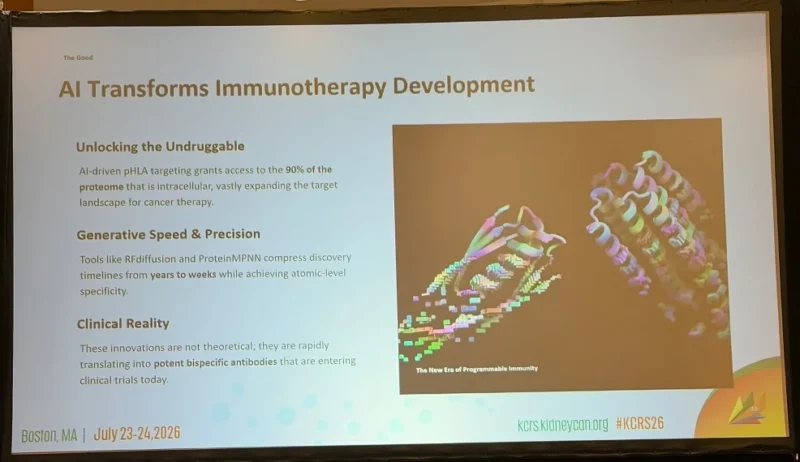
AI is enabling the design of antibodies against previously “undruggable” intracellular targets and compressing discovery timelines from years to weeks.
An exciting shift from empirical discovery to programmable immunotherapy.”
“Should we wait for brain metastases to cause symptoms, or should we look before they do?
Why do some RCCs develop brain metastases? The answer may be written in the genome.
Excellent presentation by Elshad Hasanov highlighting recurrent genomic alterations associated with RCC brain metastases. ”
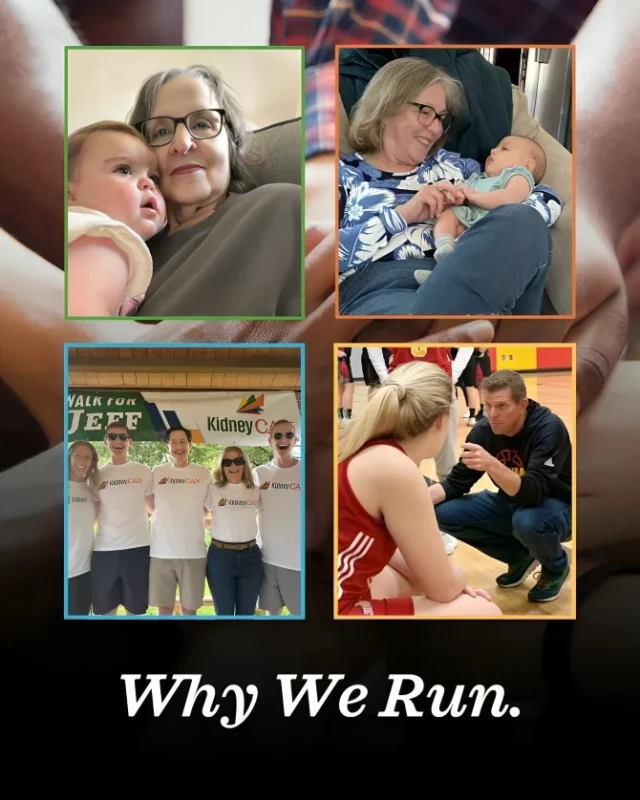
“They are the reason we push forward! Very good reason…”
“Finding a mutation is not precision oncology.
The real test is whether it changes treatment and improves a patient’s outcome.
How often does molecular testing genuinely alter your practice?
AI can find patterns humans miss. It can also reproduce every bias hidden in our data. In kidney cancer research, the question is not whether to use AI, but where we should refuse to trust it.
In an older patient with metastatic kidney cancer, which factor most influences your first-line choice?
- Performance status
- Renal function
- Comorbidities
- Patient preference
- Metastaic load?
In a patient with metastatic RCC who achieves pCR after consolidative nephrectomy, should immunotherapy continue?
pCR is linked to favorable outcomes, but we still do not know whether further treatment prevents relapse or only adds toxicity.
One of the most rewarding moments in academic medicine is watching your mentees become independent investigators. Congratulations to Monty Pal and Hedyeh Ebrahimi on an outstanding presentation at KCRS26 Another step forward in understanding early-onset RCC.”
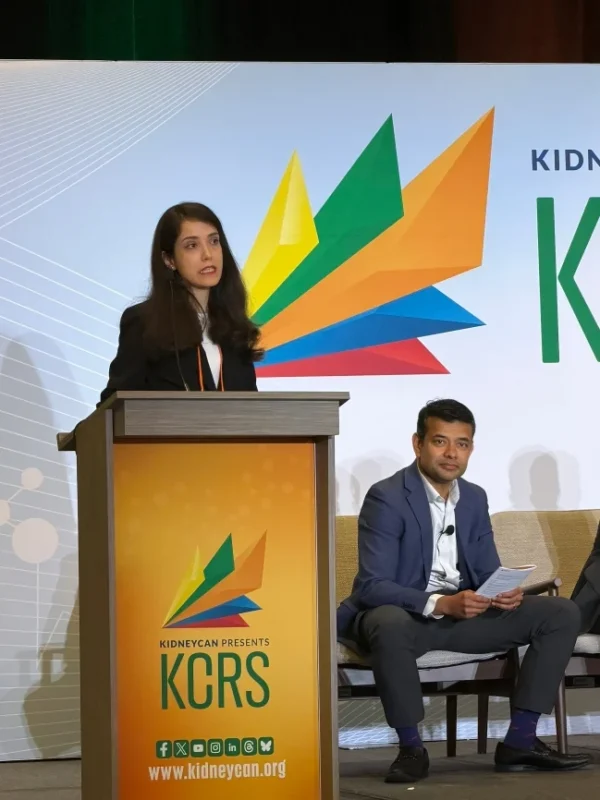
“CAR-T works brilliantly in blood cancers. Why does it struggle in solid tumors?
At KCRS26, dual CAIX/CD70 targeting, better persistence and local checkpoint blockade may help break that wall. Could kidney cancer be next?”
Professor Ürün’s final message from KCRS26:
“Cancer care is rarely a choice between right and wrong. It is often a choice between different benefits, risks and uncertainties. I share evidence on cancer, always asking one question: What does this mean for the patient?”
Other articles featuring Yüksel Ürün on OncoDaily.