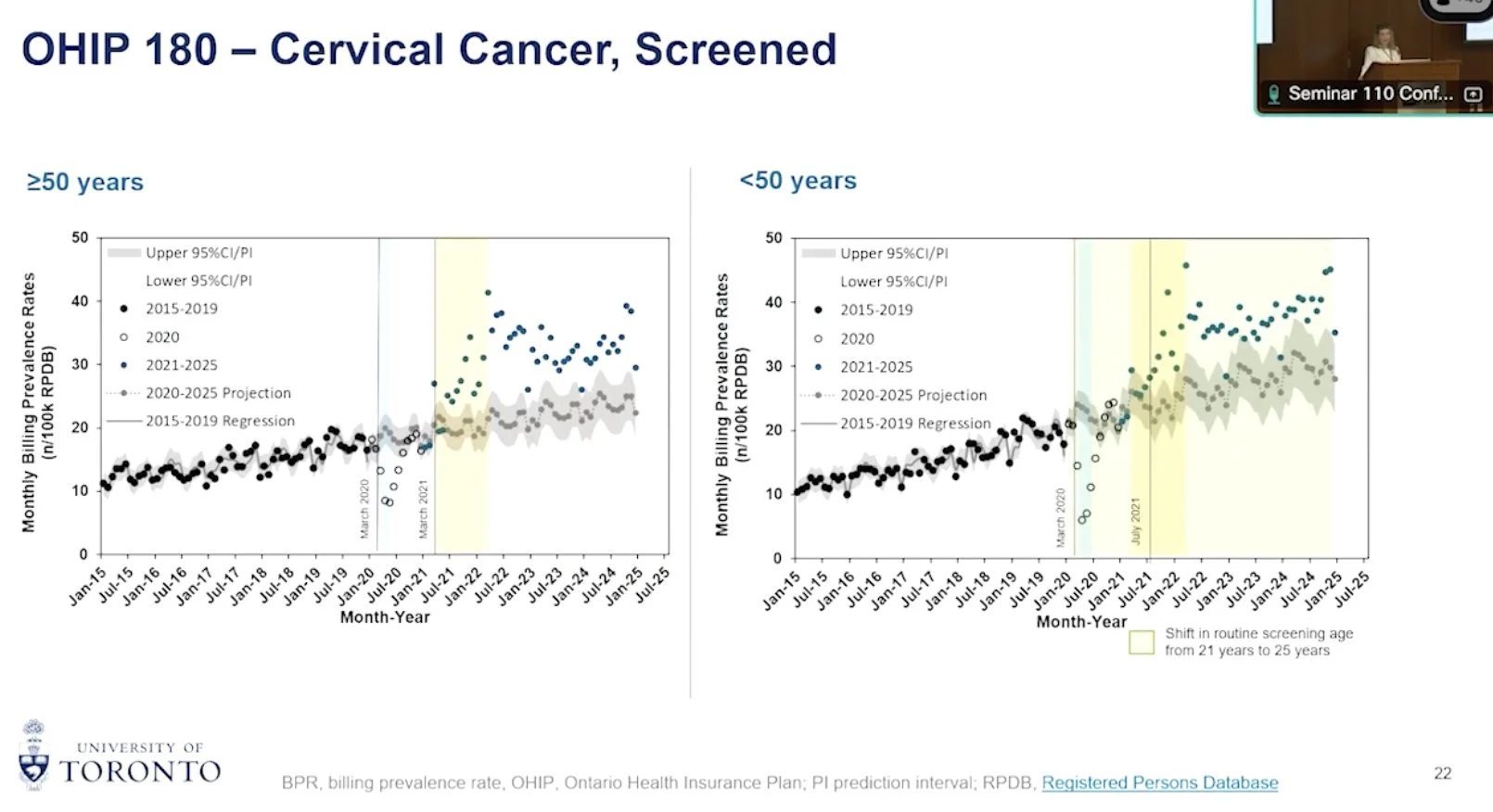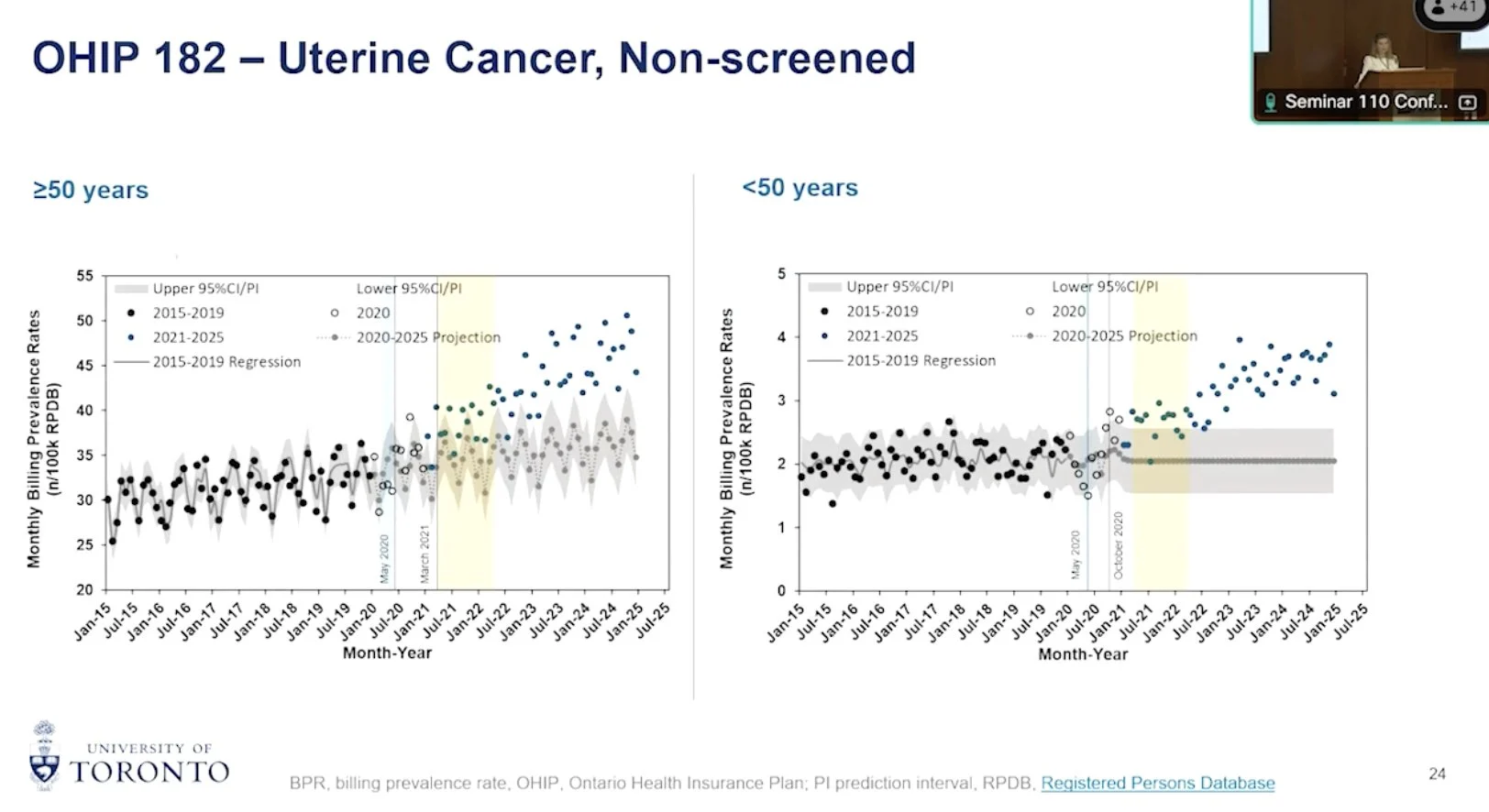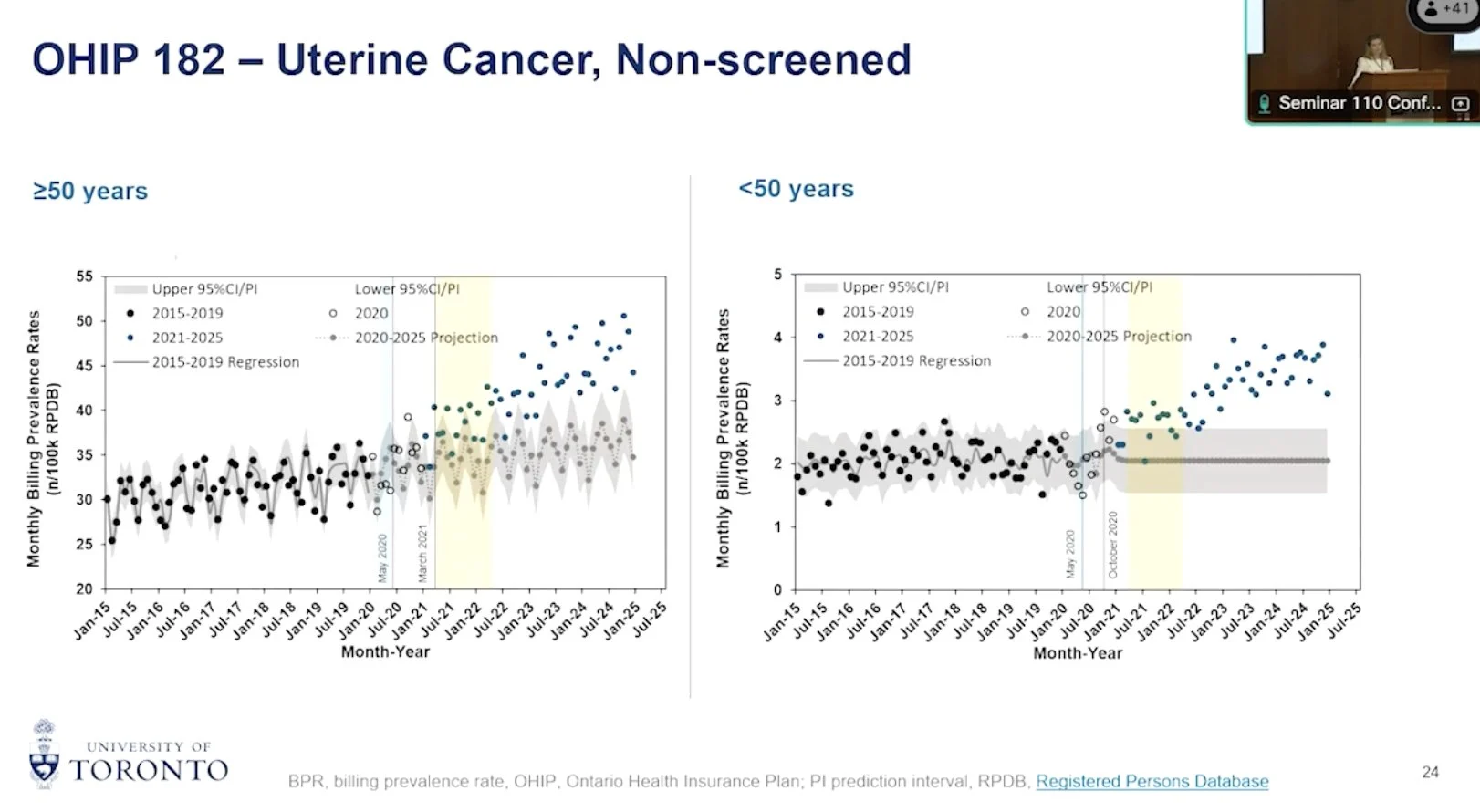
Yannick Buccella, Gastrointestinal and Molecular Oncologist at City Hospital Zurich, shared Charlotte Kuperwasser’s post on X, adding:
“I don’t know why even serious researchers keep circulating billing-code data as though it measures cancer incidence. It doesn’t.
A claims code records a reimbursable encounter, not a diagnosis: rule-outs, surveillance, history-of codes, workups that found nothing.
Plus: Screening, surveillance and follow-ups collapsed in 2020 and rebounded afterwards, so any model extending a pre-2020 trend forward finds ‘excess’ in the catch-up years that is displaced volume.
That’s why we have national registries: Norway and Denmark have published their full dataset up until 2025 with no insurance layer in between, and neither shows a post-2021 surge of the kind the claims analyses keep producing.
Yes, there is a young-onset cancer rise especially in GI cancers. That’s why we have a dedicated program at our cancer center. But it predates 2020 for decades.”
Charlotte Kuperwasser, Professor, Director Tufts Convergence Lab at Tufts University School of Medicine, shared:
“Interesting presentation from the June 2026 President’s Cancer Panel.
A substantial, sustained increase in cancer-coded billing rates above the projected trends particularly in people under 50 is particularly striking.”
You can also read:
10 Must-Read Posts in GI Oncology This Week