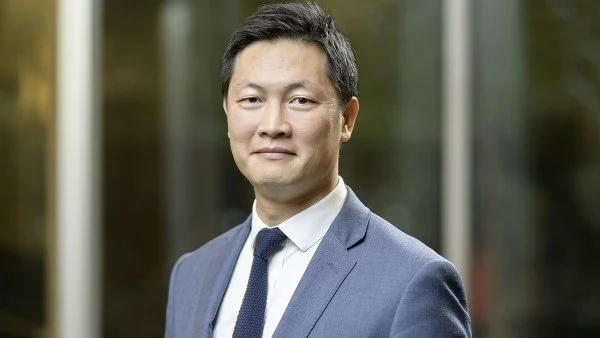
Wungki Park, Assistant Attending at Memorial Sloan Kettering Cancer Center and Assistant Professor of Medicine at Weill Cornell Medicine, shared a post on X:
“1/n
Now published in Nature Medicine: The phase 2 POLAR trial of pembrolizumab + olaparib maintenance in metastatic pancreatic cancer.
2/n
Pancreatic cancer is often considered uniformly resistant to immunotherapy.
POLAR trial was built on a different premise: HRD (BRCA1/2, PALB2 biallelic loss) may define a more immunogenic subset. Central Park WMD Building on prior clinical signals and this is where the story starts !
Observation from proud UM Alma Mater Gretel Terrero, Peter Hosein MD, Dr. Jash Datta
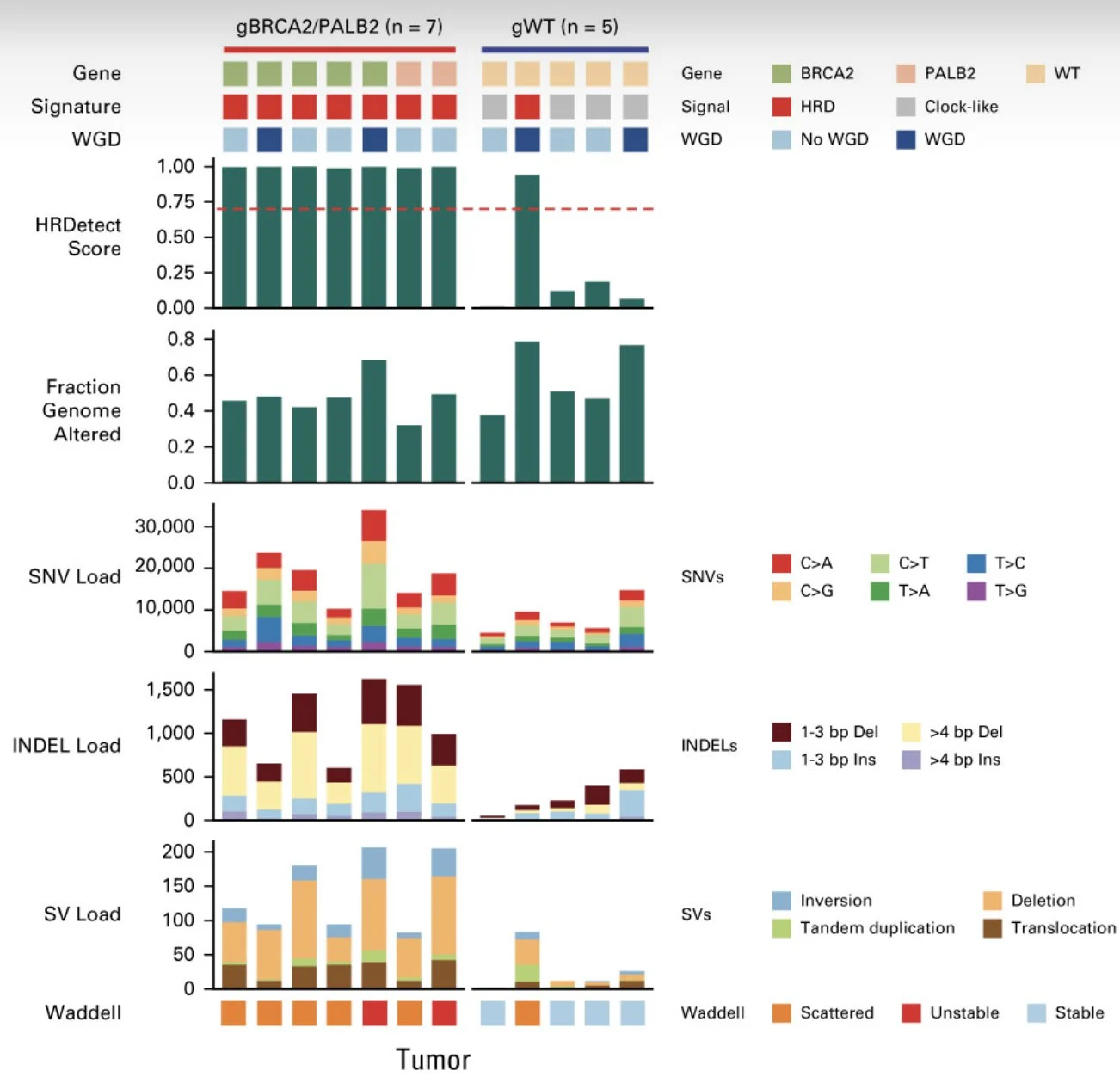
Wired TME in acinar pancreatic cancer with HRD and knowledge from 12 WGS and 6 RNAseq Mandelker et al Nadeem Riaz
Jorge Reis-Filho
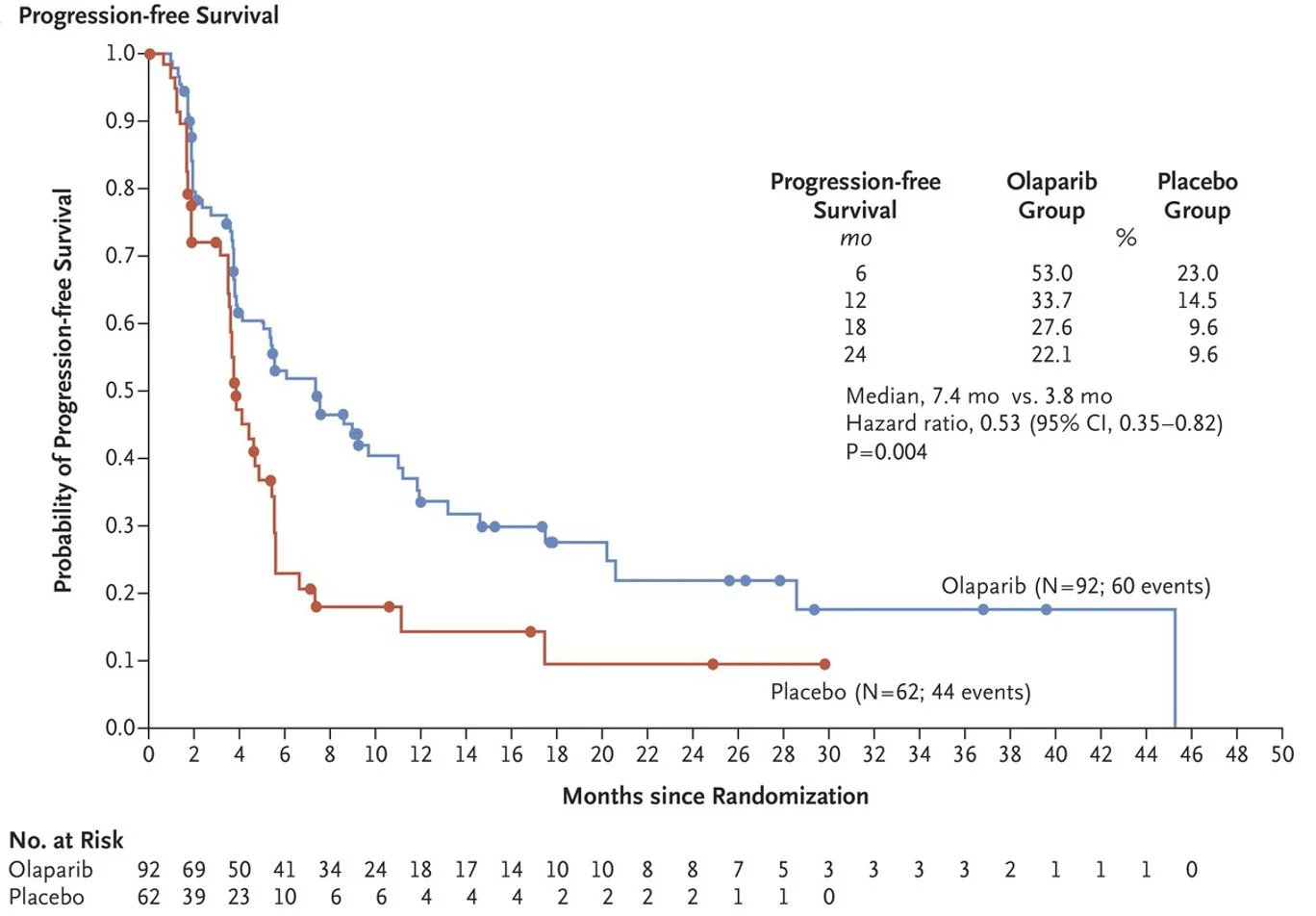
POLO – POLAR Golan et al Eileen M. O’Reilly
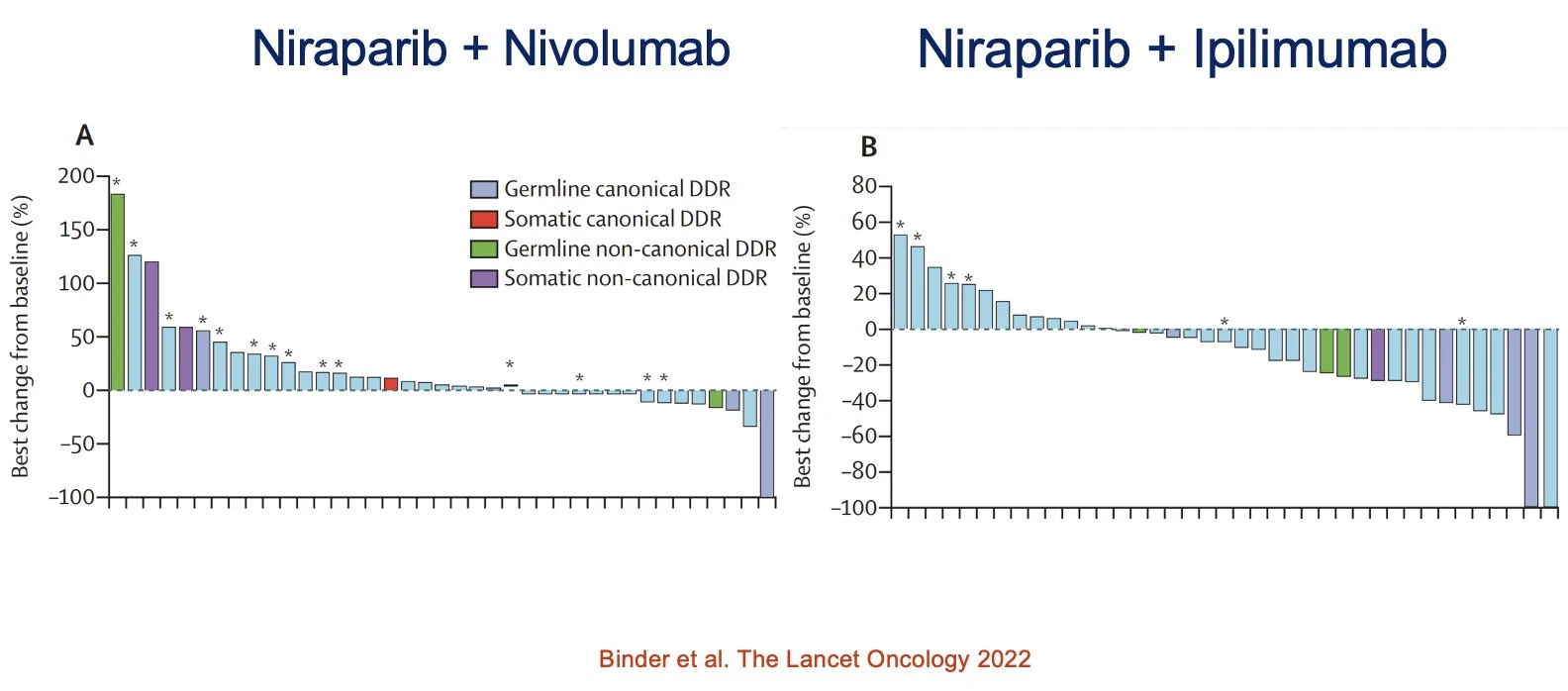
Clinical signal in PARPi + aPD1i or PARPi + aCTLA4i Kim Reiss Binder MD,
Mark O’Hara, Bob Vonderheide.
3/n
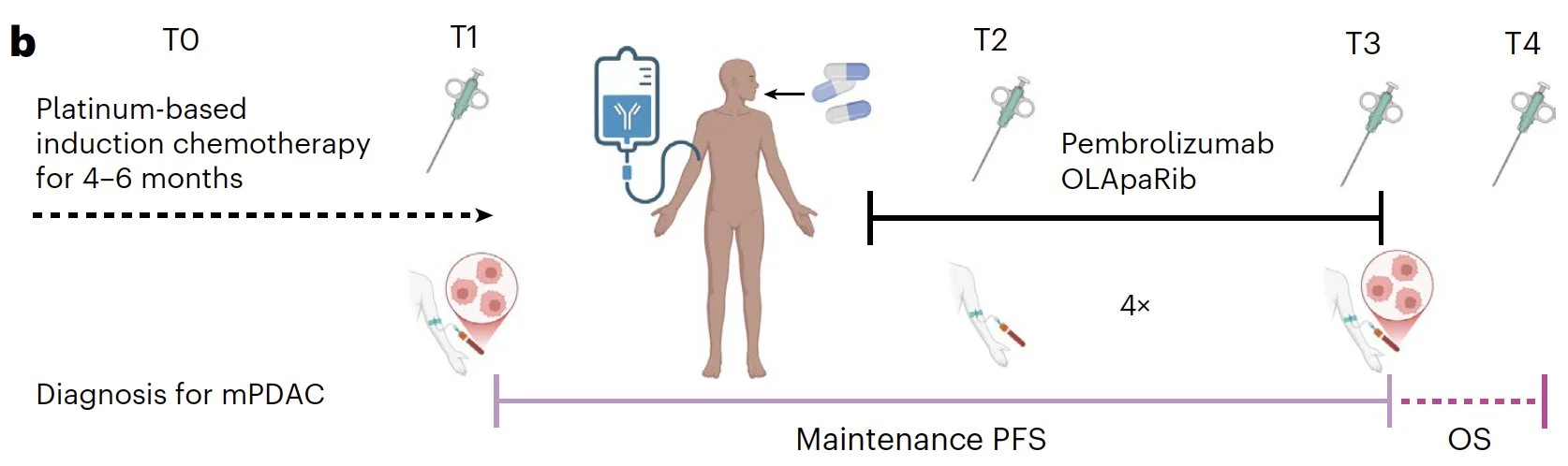
Trial design + Cohorts
Based on our observations with Eileen M. O’Reilly
Does DNA damage repair biology beyond core (canonical) HRD reshape immunogenicity?
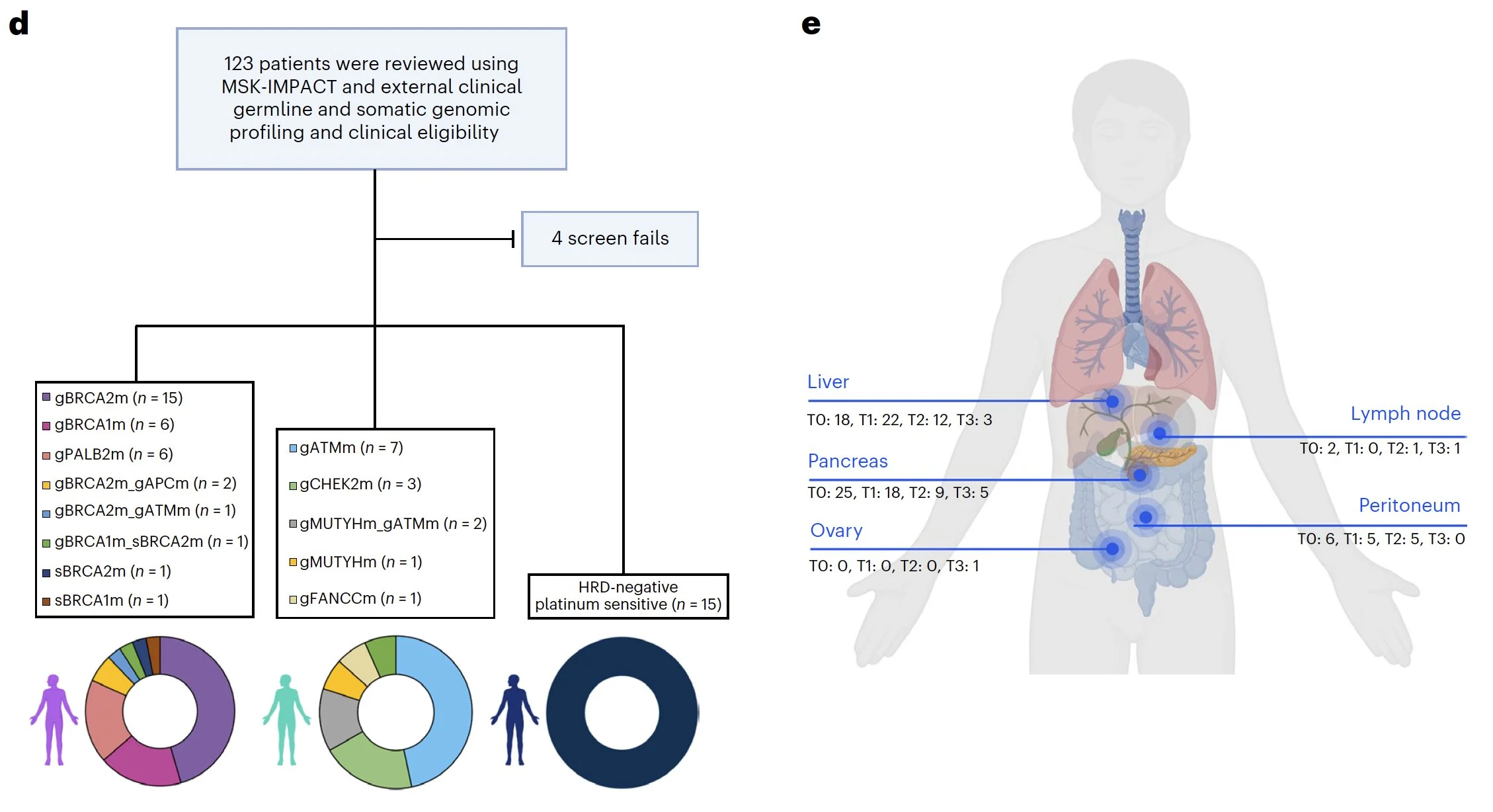
So we designed 3 cohorts:
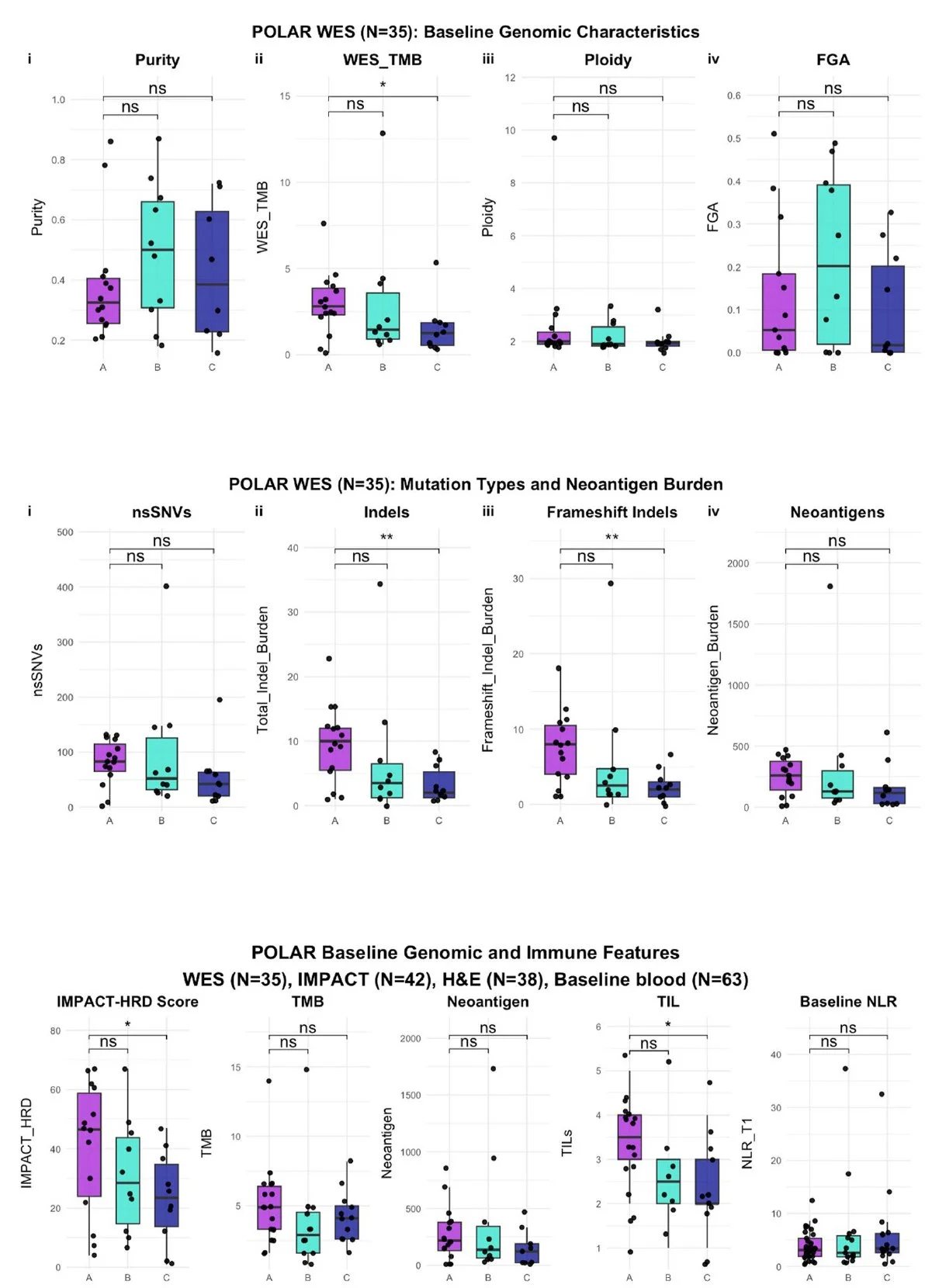
A: HRD (BRCA1/2, PALB2)
B: ncHRD (ATM, CHEK2, etc.)
C: HRD-negative but platinum-sensitive
A spectrum of DNA repair biology.
4/n
Clinical signal
In this biomarker-selected “Precision Immunotherapy” study:
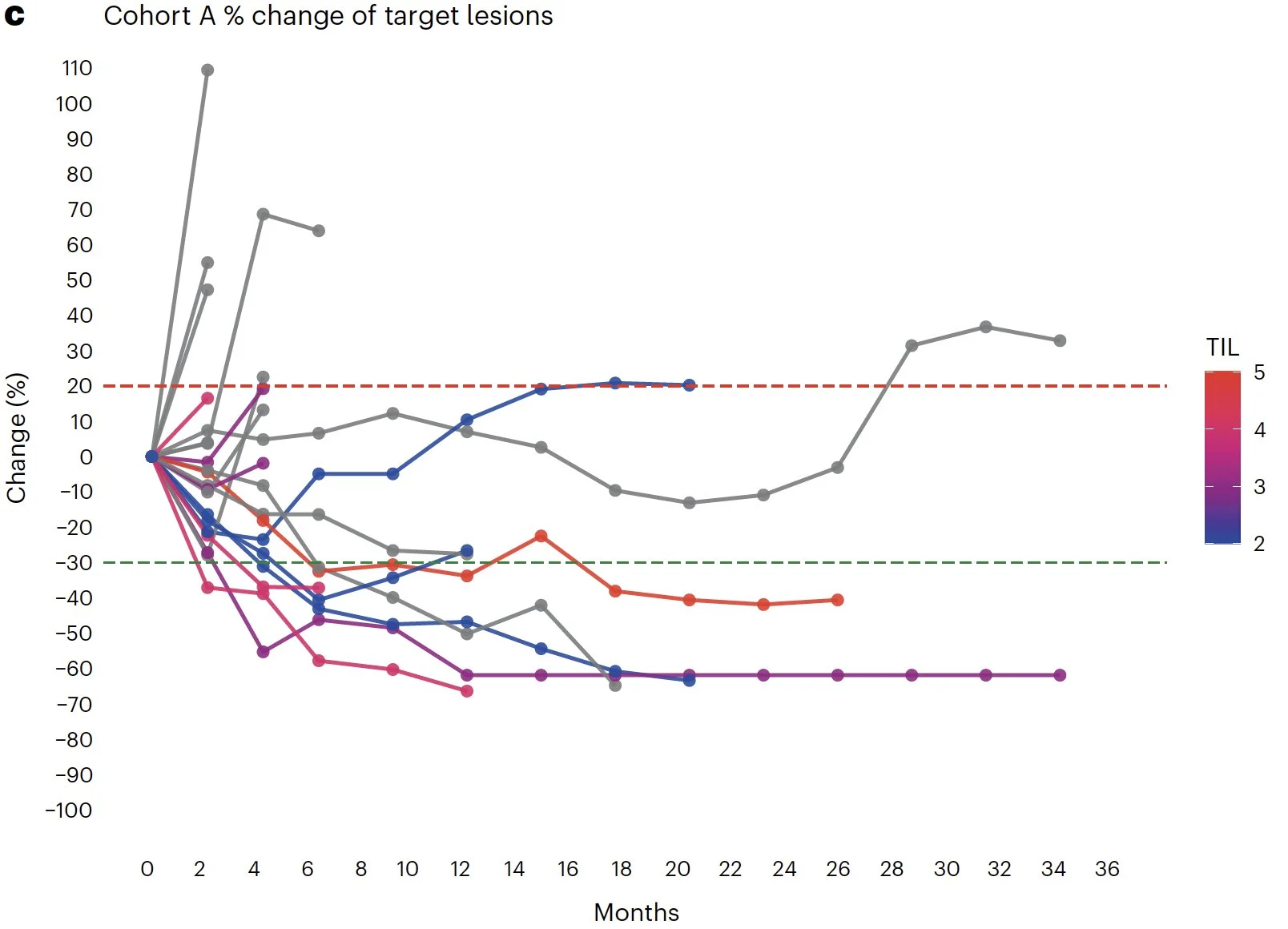
The strongest clinical signal emerged in HRD tumors (germline BRCA1/2/PALB2-associated disease)
~1/3 with durable PFS for 2 years
~44% with 3-year overall survival and many ongoing
ORR was 35%, but this actually underestimates the strongest signal and clinical activity in this maintenance setting, where many patients (13 patients) with the deepest platinum responses had non-measurable disease at enrollment and we basically measured response from patients with less platinum-response (7/20).
These clinical results are not typical for patients with metastatic pancreatic cancer.
5/n
Translational science
We took this mission seriously and comprehensively searched for the answer: what expalains this exceptional clinical signal.
We integrated: Eileen M. O’Reilly, Chris Lacobuzio, Nadeem Riaz, Walid Chatila, Dana Peer.
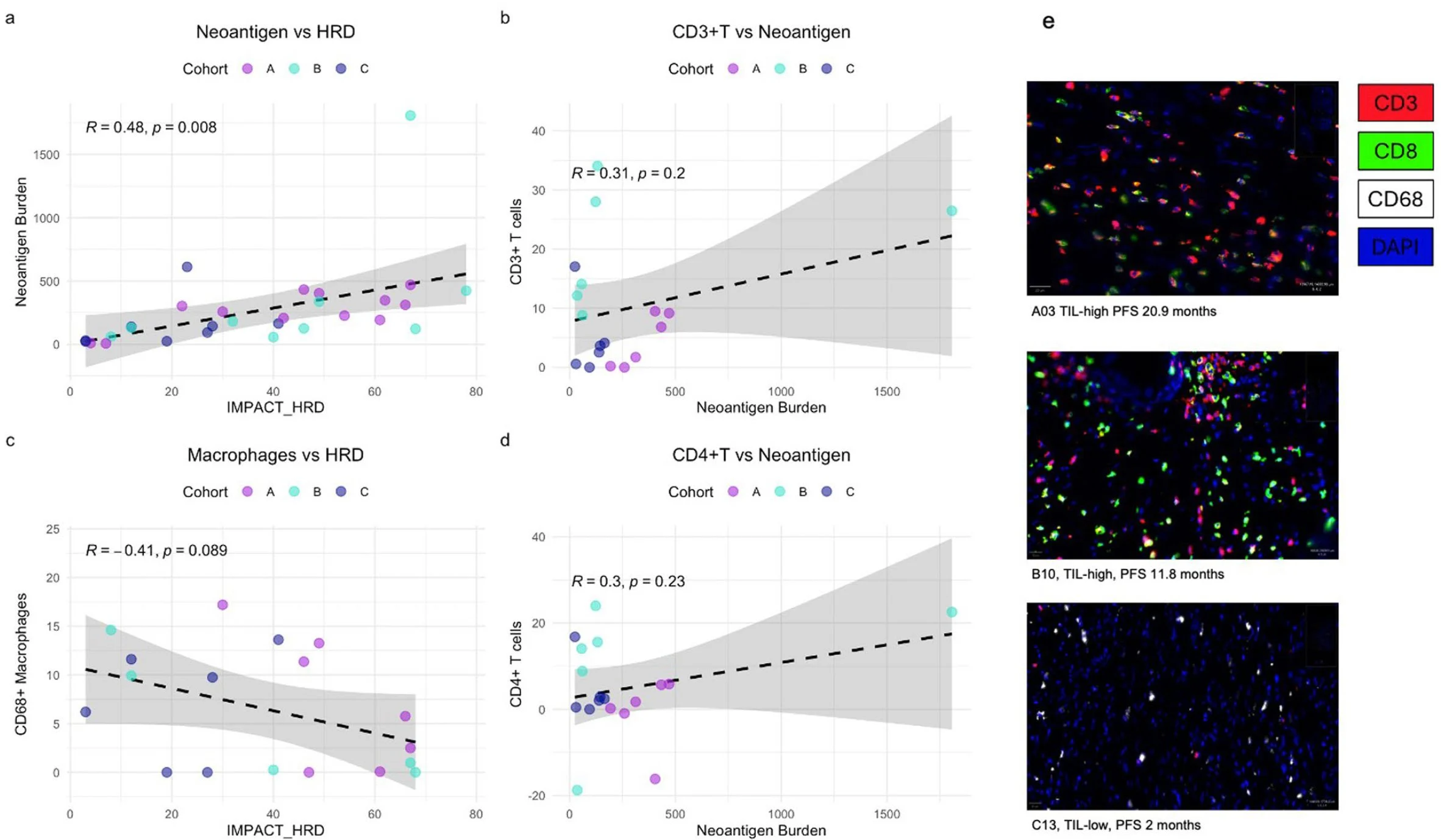
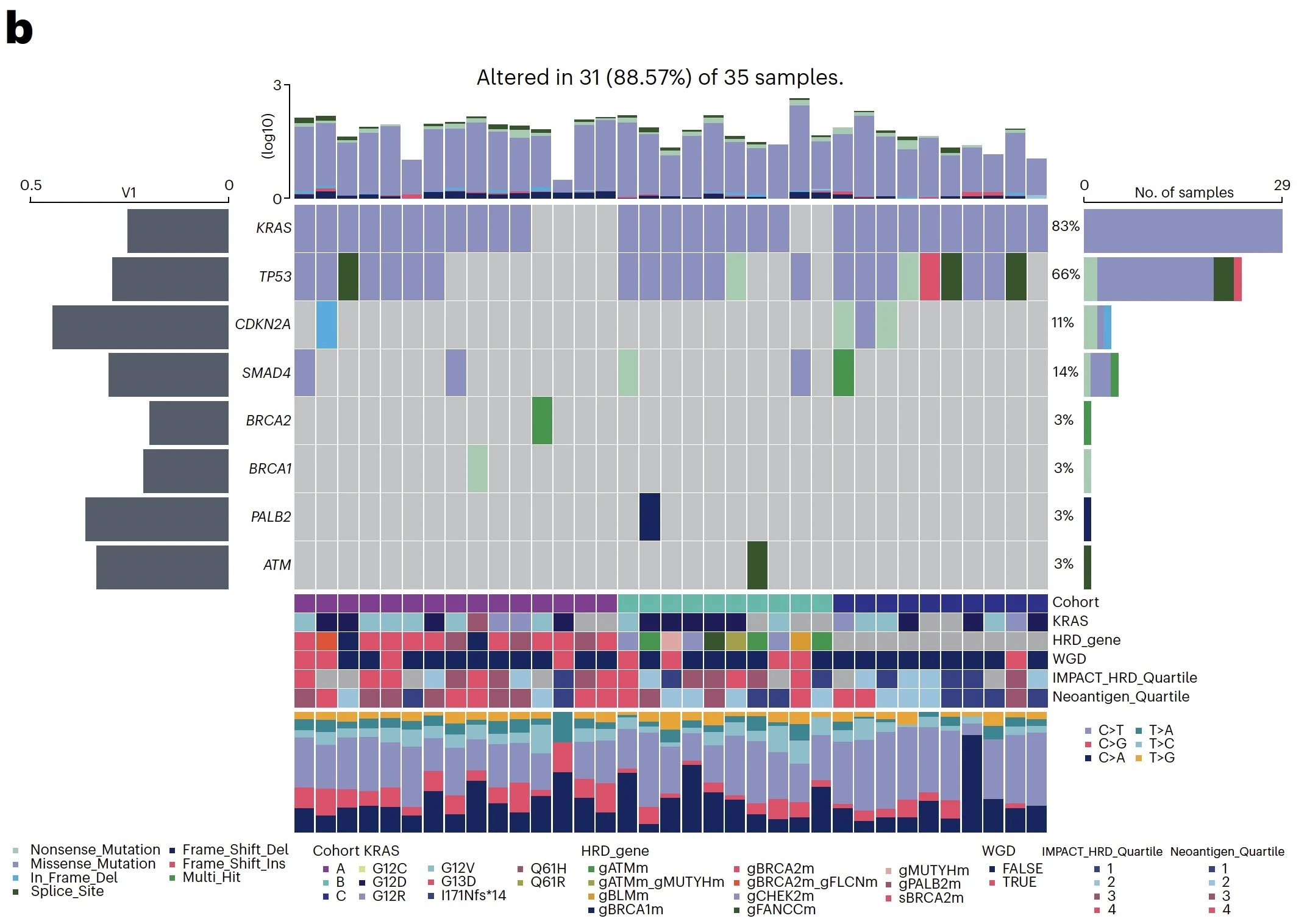
- WES – Wungki Park
- neoantigen prediction
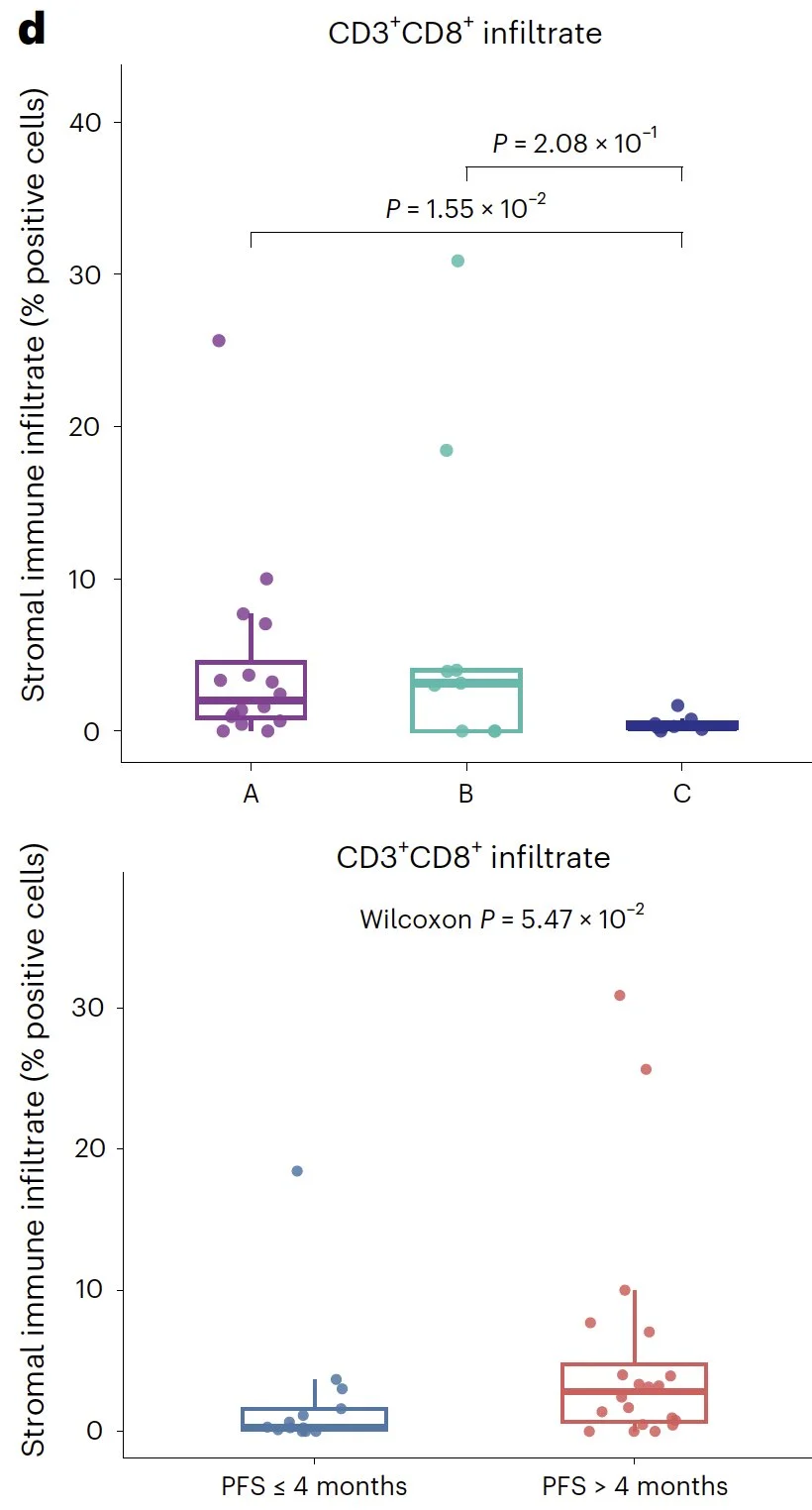
- immune infiltration – Catherine O’Connor
- Spatial IF – Marc Hilmi
to connect DNA repair biology to immune phenotype.
6/n
Mechanistic bridge
We then asked: What is the biology behind this?
We created a comprehensive longitudinal multiomic human dataset for pancreatic cancer.
Positioning HRD tumors (<8%) as one of the most immunogenic genomically defined subsets in pancreatic cancer (outside dMMR, 1%). This essential work was supported by NIH/NCI K12 and SPORE RP2
This data supports a model connecting the dots:
HRD – DNA repair-driven genomic features) – increased neoantigen signal – baseline host immune engagement.
More on this evolving framework:
Episode I – The origin of neoantigen
Episode III: Tumor Infiltrated Expandable (TIE) TCR, invigorable T cells) AACR26 in San Diego.
7/n
Precision Immunotherapy
POLAR suggests how we should approach immunotherapy in pancreatic cancer:
Select patients by genomic + clinical context – minimal disease burden is always the best!
High Quality Neoantigen is essential for best outcome.
Building on dMMR/MSI biology, subset of HRD may define another immunologically actionable subset not histology-wide approaches biomarker-directed, mechanism-aligned strategies We are evaluating ways to expand this framework across broader cohorts and next-generation trials are underway.
8/n
Grateful to our dedicated patients and families who made this work possible.
Thank you to our clinical research teams, collaborators Memorial Sloan Kettering Cancer Center
and my sPARK lab mentees. Thank you Merck, NCI, NIH, MSKCC, PICI, MSK department of medicine, Philanthropic Funder (The Katz Family).
This work reflects a true team effort, across science, care and community.
Proud to be part of the Fearless HBP community pushing this field forward. The journey continues. Stay tuned!”
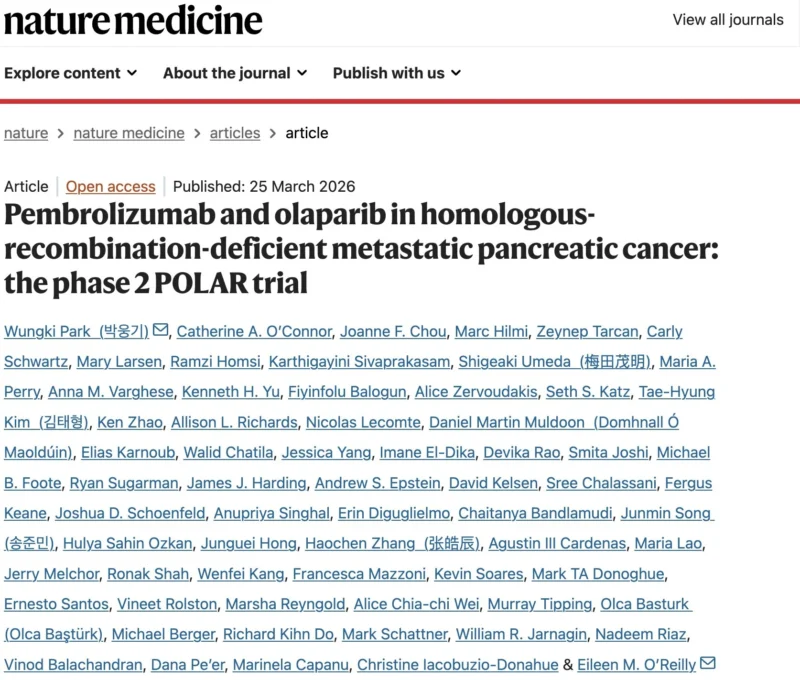
Title: Pembrolizumab and olaparib in homologous-recombination-deficient metastatic pancreatic cancer: the phase 2 POLAR trial
Authors: Wungki Park, Catherine A. O’Connor, Joanne F. Chou, Marc Hilmi, Zeynep Tarcan, Carly Schwartz, Mary Larsen, Ramzi Homsi, Karthigayini Sivaprakasam, Shigeaki Umeda, Maria A. Perry, Anna M. Varghese, Kenneth H. Yu, Fiyinfolu Balogun, Alice Zervoudakis, Seth S. Katz, Tae-Hyung Kim, Ken Zhao, Allison L. Richards, Nicolas Lecomte, Daniel Martin Muldoon, Elias Karnoub, Walid Chatila, Jessica Yang, Imane El-Dika, Devika Rao, Smita Joshi, Michael B. Foote, Ryan Sugarman, James J. Harding, Andrew S. Epstein, David Kelsen, Sree Chalassani, Fergus Keane, Joshua D. Schoenfeld, Anupriya Singhal, Erin Diguglielmo, Chaitanya Bandlamudi, Junmin Song, Hulya Sahin Ozkan, Junguei Hong, Haochen Zhang, Agustin III Cardenas, Maria Lao, Jerry Melchor, Ronak Shah, Wenfei Kang, Francesca Mazzoni, Kevin Soares, Mark TA Donoghue, Ernesto Santos, Vineet Rolston, Marsha Reyngold, Alice Chia-chi Wei, Murray Tipping, Olca Basturk, Michael Berger, Richard Kihn Do, Mark Schattner, William R. Jarnagin, Nadeem Riaz, Vinod Balachandran, Dana Pe’er, Marinela Capanu, Christine Iacobuzio-Donahue and Eileen M. O’Reilly
Other articles featuring Wungki Park on OncoDaily.