





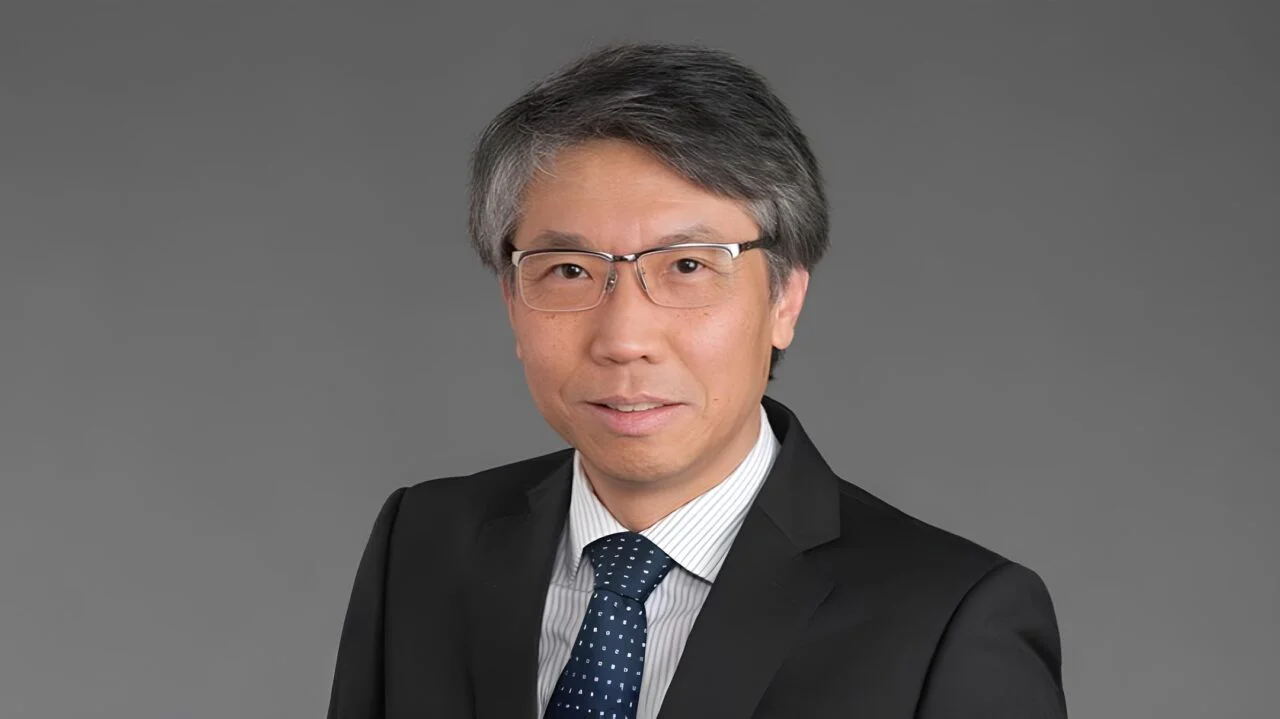
Wei Zhang, Director of the Center for Cancer Genomics and Precision Oncology, Hanes and Willis Family Professor in Cancer at Atrium Health Wake Forest Baptist Comprehensive Cancer Center, Wake Forest University School of Medicine, shared a post on LinkedIn:
“Getting sick is never fun, but when it happens, it can be such an informative learning experience for a biomedical and data science researcher – From Data Analysis to Data Source.
I had a stone attack- internal stones the last few days. Now we know there was a stone in my bile duct that blocked that passage and caused all that inflammation and pain. The stone came from my gallbladder and there are a few more there waiting to get out to attack more down the road. This experience was a thrilling fusion of my professional world and personal health.
Phase 1: Diagnostic Triumph – Becoming the CT Scan
- The CT Scan (CAT CT): For someone immersed in clinical research involving imaging data, having my very first CT was a fascinating event. I experienced the famed contrast flush firsthand—that sudden, spreading warmth, particularly in the face, was a striking physiological reaction to the iodine. If full-body CTs were standard, I’d sign up! It was a brilliant, real-time illustration of vascular flow and contrast dynamics, far better than any simulation.
Phase 2: Tactical Clearance and Sweet Relief
- Endoscopic Stone Removal (ERCP): Clearing the bile duct stone was a successful mission accomplished via advanced endoscopy. The residual scratchy throat was a tiny, temporary souvenir of the scope’s journey. However, the popsicles as the post-procedure comfort was so soothing —a perfect, sweet reward. Popsicles never tasted better!
Phase 3: The Surgical Finale – Minimally Invasive Elegance
- The Surgery (Laparoscopic Cholecystectomy): The final step tomorrow —gallbladder removal—is the gold standard of minimally invasive surgery. This procedure’s reliance on small ‘keyhole’ incisions showcases the pinnacle of modern surgical engineering. It is an elegant, high-tech solution that minimizes physical impact while maximizing effective results. I am looking forward to seeing the tiny scar souvenirs from this step!
The entire process transformed abstract concepts of imaging and intervention into concrete, personal, and remarkably positive experiences. It was less a medical ordeal and more an exciting, educational deep dive into the systems my team study! I guess it is a good example of what’s does not kill you makes you stronger.”
More posts featuring Wei Zhang on OncoDaily.