





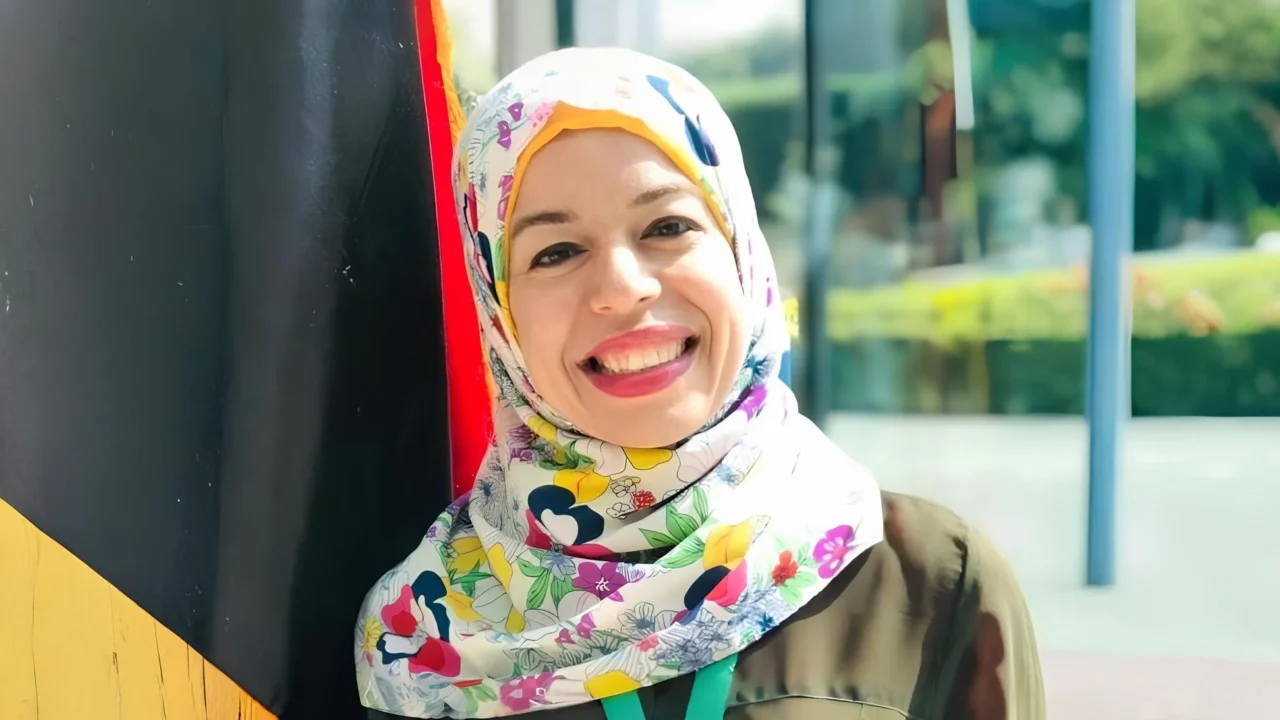
Wafaa M Rashed, Chair and Founder of Pan-African PGS Education and Research Initiative, shared a post on LinkedIn:
“New Blog Spotlight | Who Owns Africa’s Genome? Power, Politics and Data Justice
Understanding the Power Dynamics Shaping Africa’s Genomic Future
At PAPERI, we continue to amplify African voices leading critical conversations in genomics policy. This new blog digs deep into one of the most urgent questions in the field today:
Who truly controls Africa’s genomic data—and what would real African leadership look like?
We are proud to feature an important contribution by Pharmacist Mohammad Usman,
Head of Pharmaceutical Services, General Hospital Kagara, Niger State, Nigeria
Graduate of PAPERI’s Policy Advocacy in Genetics and Genomics program
In this thought-provoking piece, Usman examines the political, ethical, and historical forces shaping genomic governance in Africa, including:
- Persistent power asymmetries between Global North institutions and African researchers
- The evolving role of African governments, regulators, and consortia like H3Africa
- Indigenous and community-driven claims to genomic sovereignty
- Ubuntu-informed frameworks redefining transparency, reciprocity, and shared authority
- The urgent need for African-led infrastructure, bioinformatics capacity, and benefit-sharing mechanisms
This blog reinforces a key message at the heart of PAPERI’s mission:
Genomics policy is not only about data and technology—it is about power, justice, and who gets to shape Africa’s future.
For Africa to move from participation to power, we must build systems that reflect African values, leadership, and sovereignty.”
More posts featuring Wafaa M Rashed