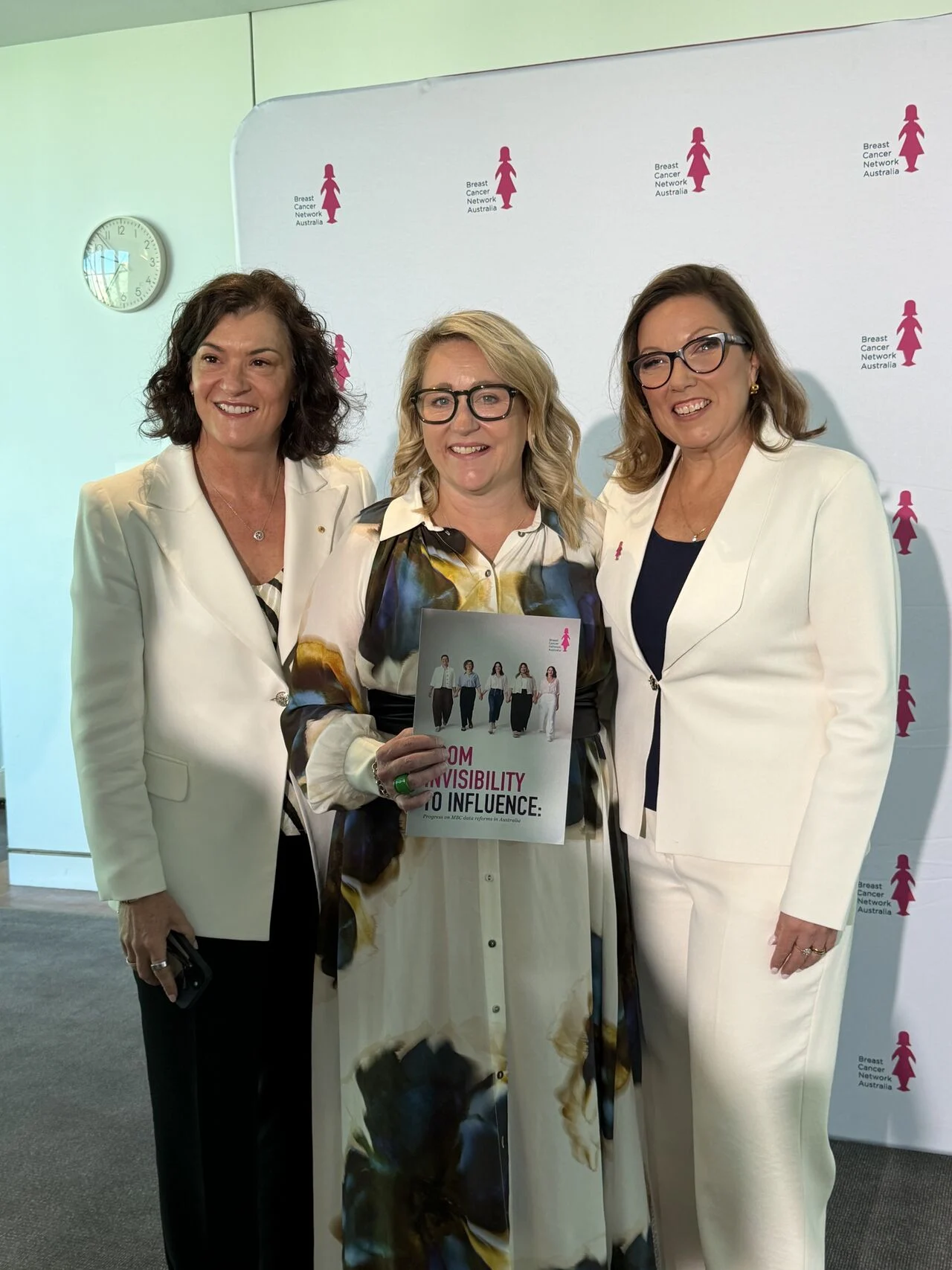
Vicki Durston, Director of Policy and Advocacy at Breast Cancer Network Australia (BCNA), shared a post on LinkedIn:
“How Australia Built Its First National MBC Estimate.
Last week, the technical report underpinning Australia’s first national estimate of metastatic breast cancer was released.
This milestone was delivered through a national collaboration between AIHW, Cancer Australia, the Department of Health, the Australian Cancer Data Alliance, state and territory cancer registries, data leaders in NSW, Victoria and Queensland, and BCNA.
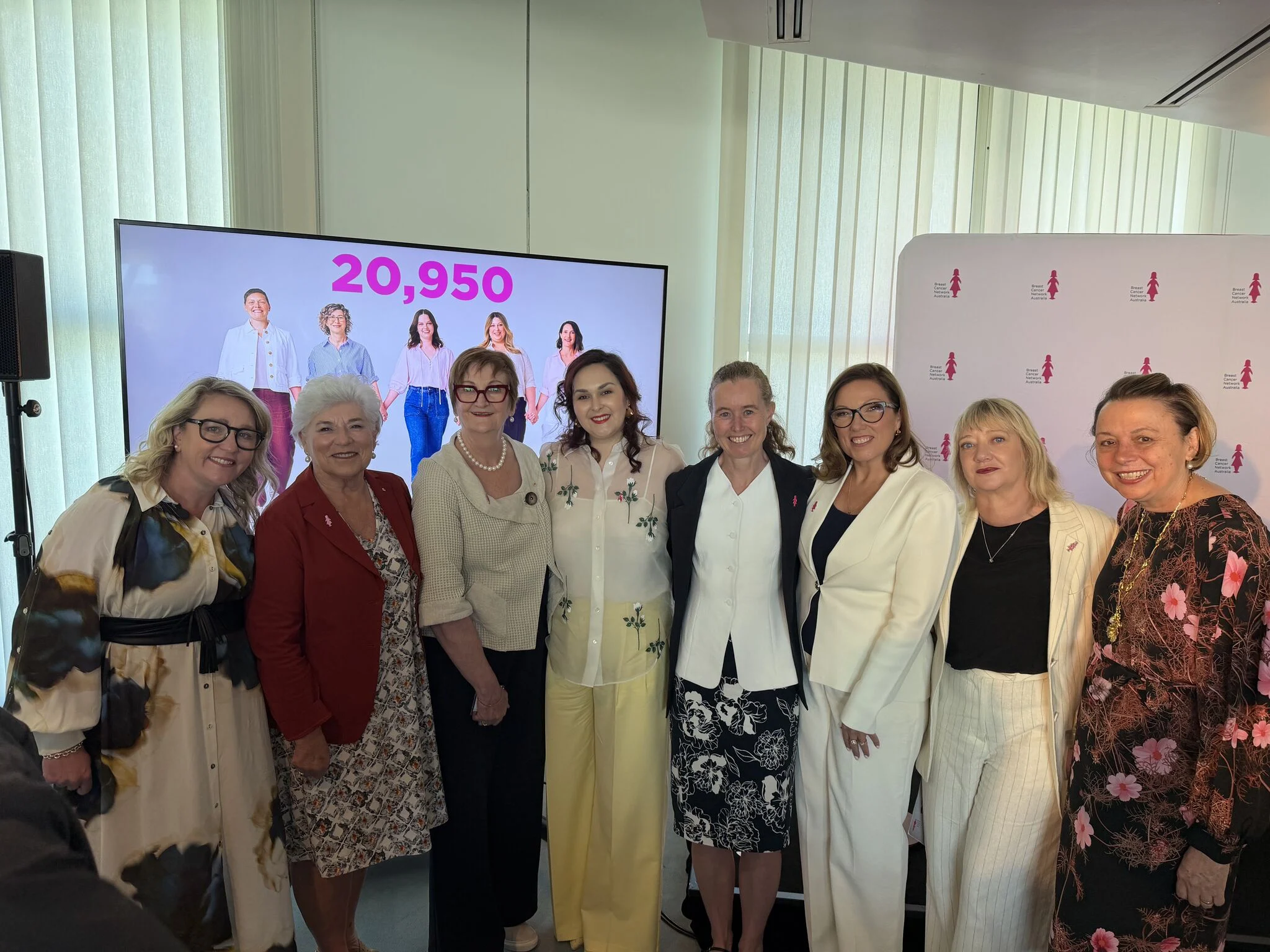
Using “new innovative methods”, the report found that “approximately 20,800 Australian women and an estimated 150 Australian men were living with metastatic breast cancer in 2024.”
This work addresses a long-standing gap, with “Australia’s cancer data system currently fragmented” and
most state and territory cancer registries not reporting stage at diagnosis unable to record whether a cancer has relapsed or recurred to metastatic.
How the estimate was created
The technical report highlights several key developments:
• “the development at AIHW of the national linked cancer and treatment analysis asset (CaT-Link)”
• “development of a counting method and estimates for NSW by the CINSW and associated researchers”
• “estimated MBC prevalence in Queensland and Victoria by CAQ & CCV”
• “counts for three states… which cover a large proportion of the Australian population”
These inputs enabled AIHW “to estimate national prevalence, as well as indicative estimates for each state and territory.”
What’s next
Phase 2 will “rely on the use of soon to be available linked data” through the National Health Data Hub to produce “more complete and reliable estimates and analyses for specific populations.”
This national estimate is the first step in delivering the vision set out in BCNA’s 2023 roadmap delivered to government, Cancer Australia’s Australian Cancer Plan, and the National Cancer Data Framework. The priority now is to call for deepened jurisdictional and state data. We want researchers, industry, governments and policymakers using this evidence immediately to drive planning, investment and reform.
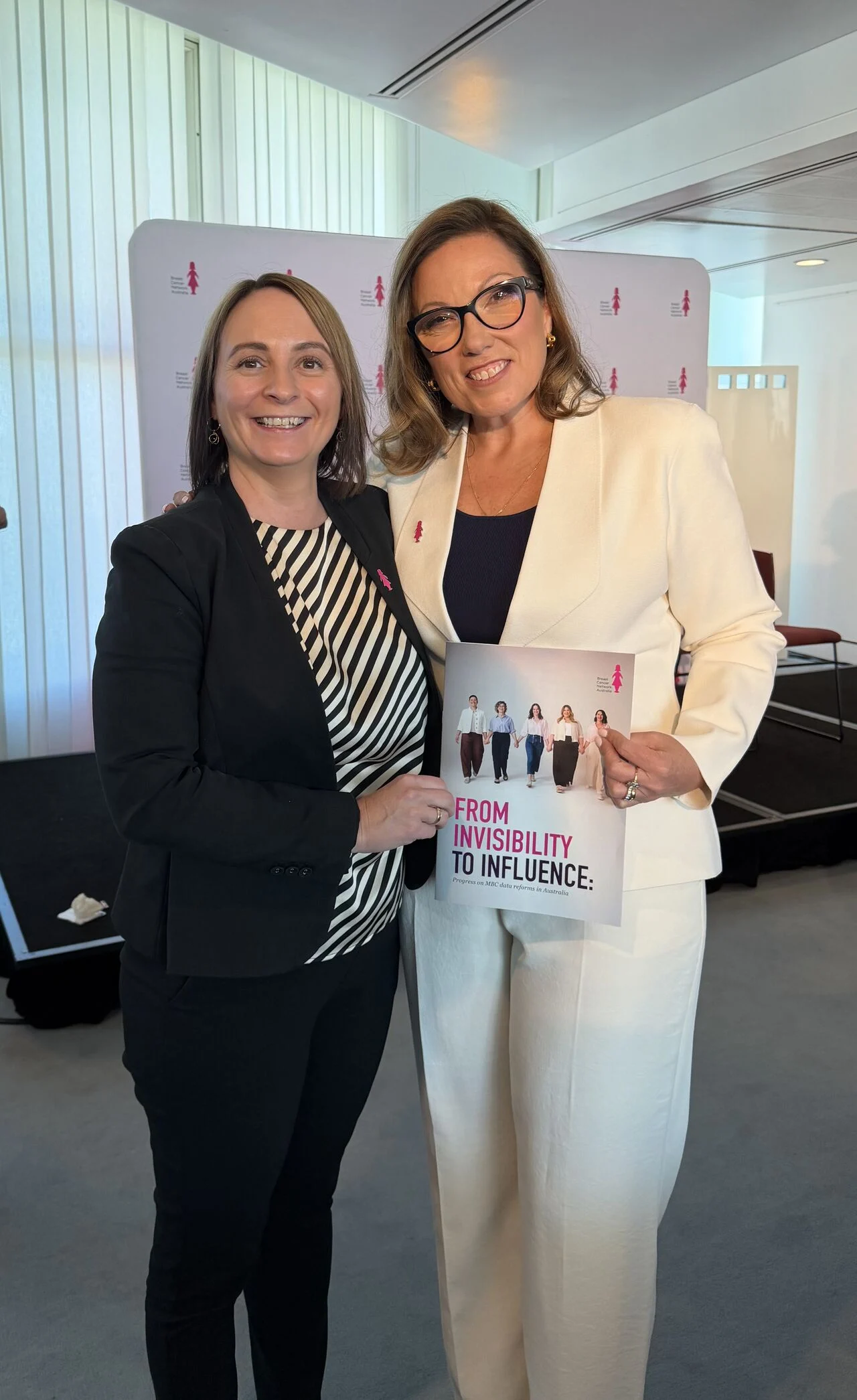
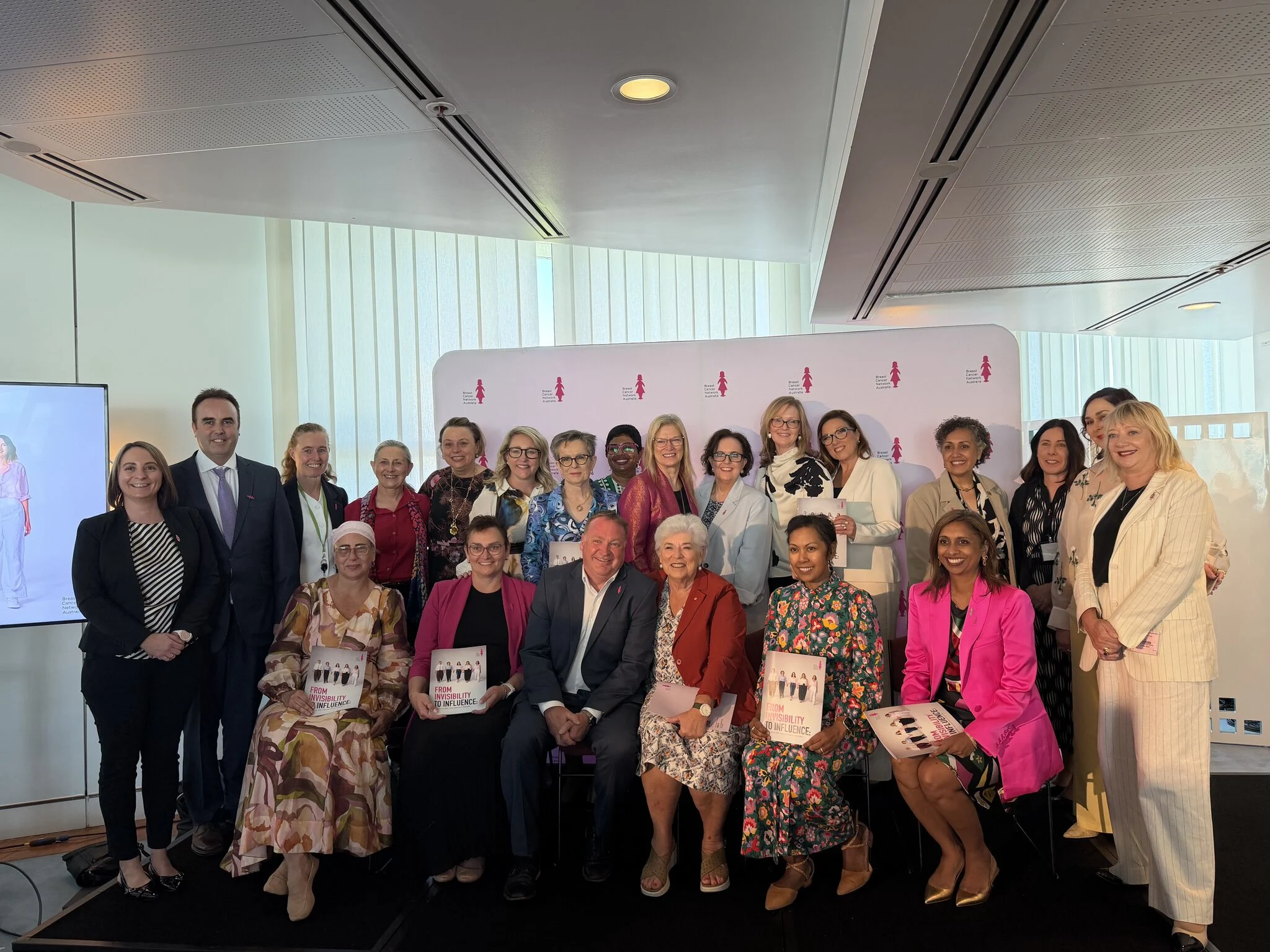
BCNA From Invisibility to Influence: Progress on MBC data reforms in Australia.”
More posts featuring Vicki Durston on OncoDaily.