UT MD Anderson shared on LinkedIn:
”UT MD Anderson researchers are always aiming to make cancer treatments more effective and improve quality of life for cancer patients. The latest UT MD Anderson research highlights possible strategies for treating inflammatory arthritis after immunotherapy, overcoming PARP resistance in ovarian cancer and therapies for depression. Swipe through to read.
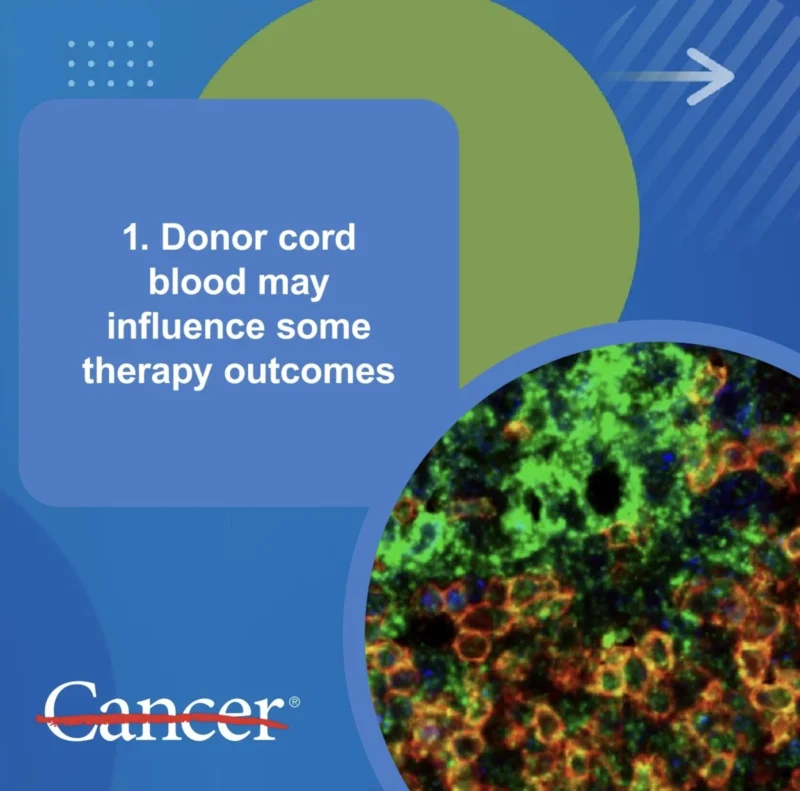
- Donor cord blood may influence some therapy outcomes
Results from a UT MD Anderson study, led by Katy Rezvani and Ye Ethan Li found the composition of donor cord blood may play a critical role in the success of CAR NK cell therapies. How this offers a strategy to improve the potency of future therapies.
- Targeting signaling pathway may be promising strategy to overcome PARP resistance
In a study led by Rugang Zhang and Kaixin Cheng researchers discovered a strategy to overcome PARP inhibitor resistance in ovarian cancer, one of the most common barriers to the long-term effectiveness of this widely used treatment.
- Immune signals may offer insights to therapies for depression
Researchers have uncovered insights that may help explain how rapid-acting antidepressants can reduce symptoms in difficult-to-treat depression. The findings from the study, co-led by Gregory Jones may also help identify patients who are most likely to benefit from these treatments.
- Reshaping the gut microbiome can boost chemotherapy delivery
In a new study led by Betty Kim, Wen Jiang and Jennifer Wargo researchers identified a way to reshape the gut microbiome that can enhance the delivery of some chemotherapies to tumors. How this may make nanoparticle-based cancer drugs more effective.
- Immune cell dysfunction defines skin cancer in immunocompromised patients
Researchers discovered that immunosuppressed patients with non-melanoma skin cancer are not missing the key cancer-fighting immune cells, but those cells have lost the ability to communicate effectively. The study, co-led by Moran Amit, Kunal Rai, Frederico O. Gleber-Netto, Priyadharsini Nagarajan and Michael Migden, provides insights into the specific immune defects responsible that may point to new treatment opportunities.
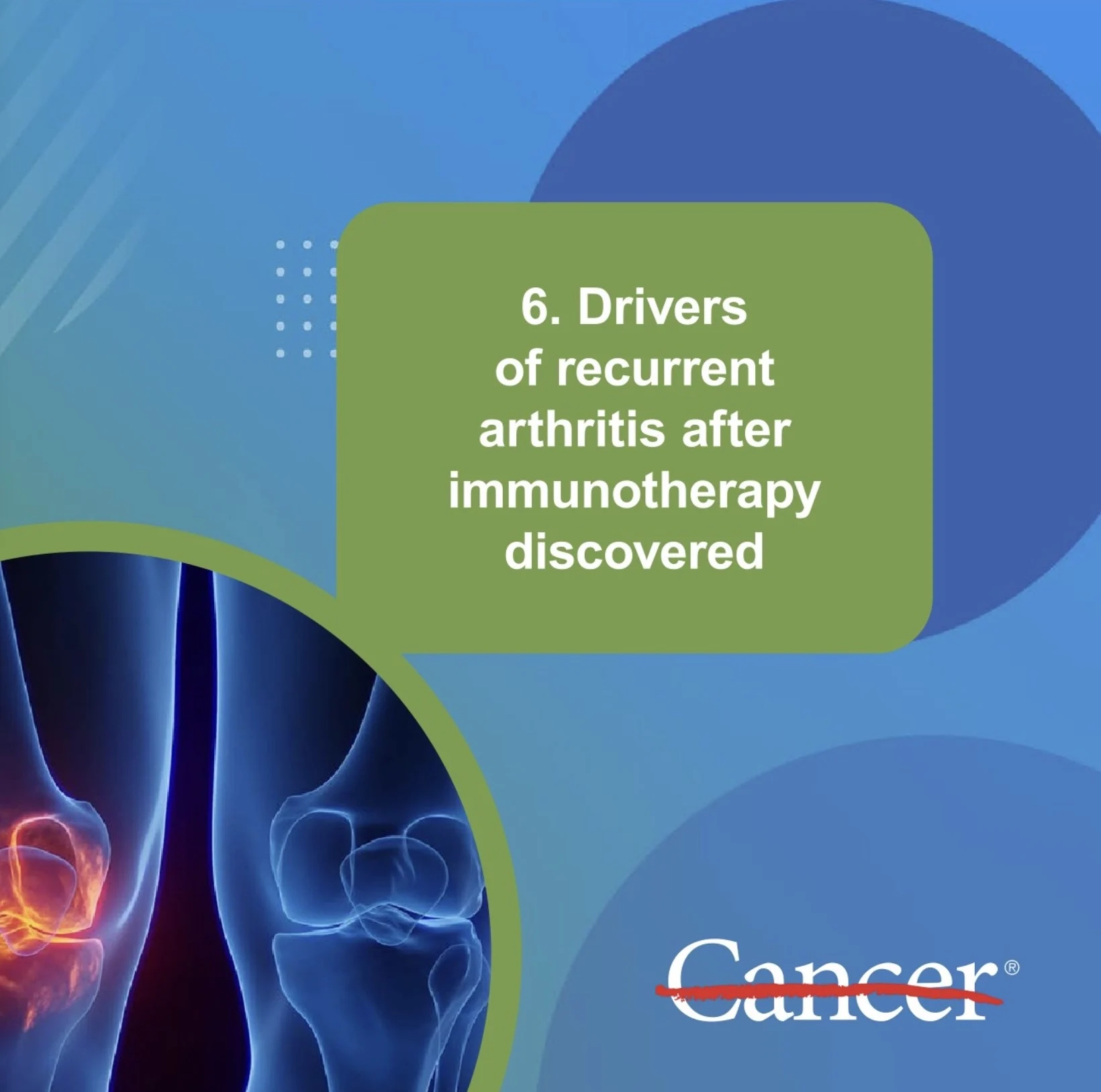
- Drivers of recurrent arthritis after immunotherapy discovered
New research suggests recurrent inflammatory arthritis after immunotherapy may be driven by immune cells that persist between flares. Findings from a study led by Roza Nurieva, Synat Keam, Yuanteng Jeff Li and Sang Taek Kim could inform targeted treatments to reduce this side effect while preserving immunotherapy’s benefits.”
Other articles about UT MD Anderson on OncoDaily.