






Thor Halfdanarson, Professor of Oncology at Mayo Clinic School of Medicine, shared a post on X:
“Somatostatin receptor PET (Ga-68 or Cu-64 DOTATATE PET) is often used for surveillance but the data supporting that practice are limited. This small study adds to that limited literature suggesting that the yield of surveillance SSTR PET is low.
My take: SSTR PET is not recommended in the postoperative setting unless something suspicious is seen on cross-sectional imaging and/or there are concerning new or persistent symptoms.
And yes, circulating markers are useless in that setting too…
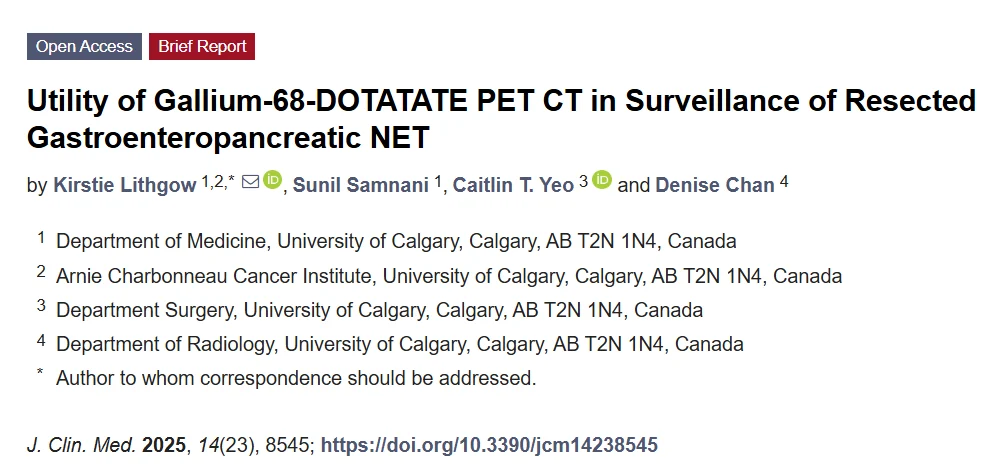
Title: Utility of Gallium-68-DOTATATE PET CT in Surveillance of Resected Gastroenteropancreatic NET
Authors: Kirstie Lithgow, Sunil Samnani, Caitlin T. Yeo, Denise Chan
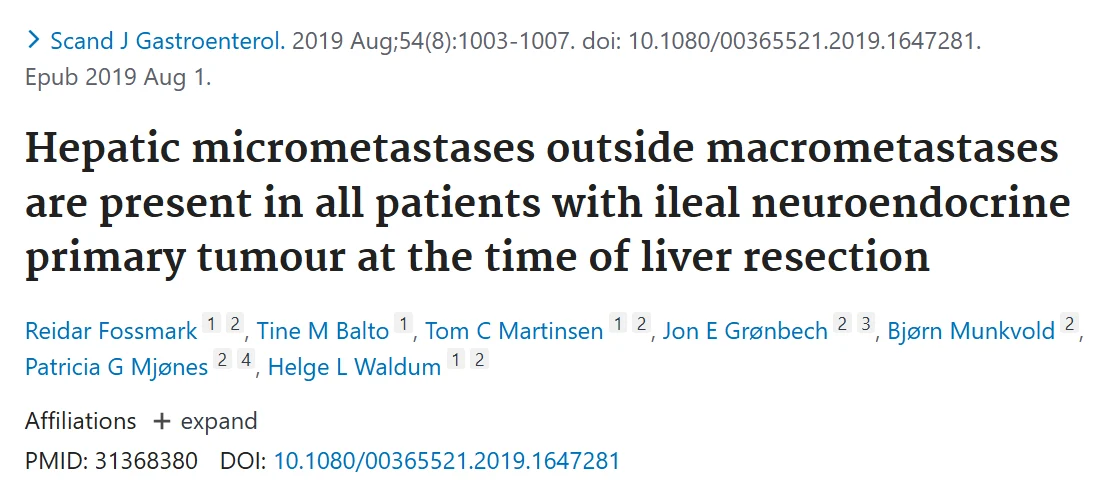
Once small intestinal NETs (siNETs) have metastasized to the liver (the most common recurrence site) they are likely scattered as micromets throughout the liver, even in clusters of dozens of cancer cells, way, way below the detection by any imaging method. Therefore, I question that earlier PET detection will change long-term survival outcomes.
Title: Hepatic micrometastases outside macrometastases are present in all patients with ileal neuroendocrine primary tumour at the time of liver resection
Authors: Reidar Fossmark, Tine M Balto, Tom C Martinsen, Jon E Grønbech, Bjørn Munkvold, Patricia G Mjønes, Helge L Waldum
More posts featuring Thor Halfdanarson on OncoDaily.