Telma Costa, Consulting Specialist at Doctors Without Borders, Research Fellow at University of Sydney, shared a post on LinkedIn:
“The WHO Global Strategy to Eliminate Cervical Cancer is not only about elimination; it is also about stopping unnecessary suffering among those affected by this disease.
With more than 3 million people in need of palliative care due to cervical cancer globally (33% of whom living in East Asia and Pacific), this ambition can only be achieved by coordinated action across countries, communities, and health systems.
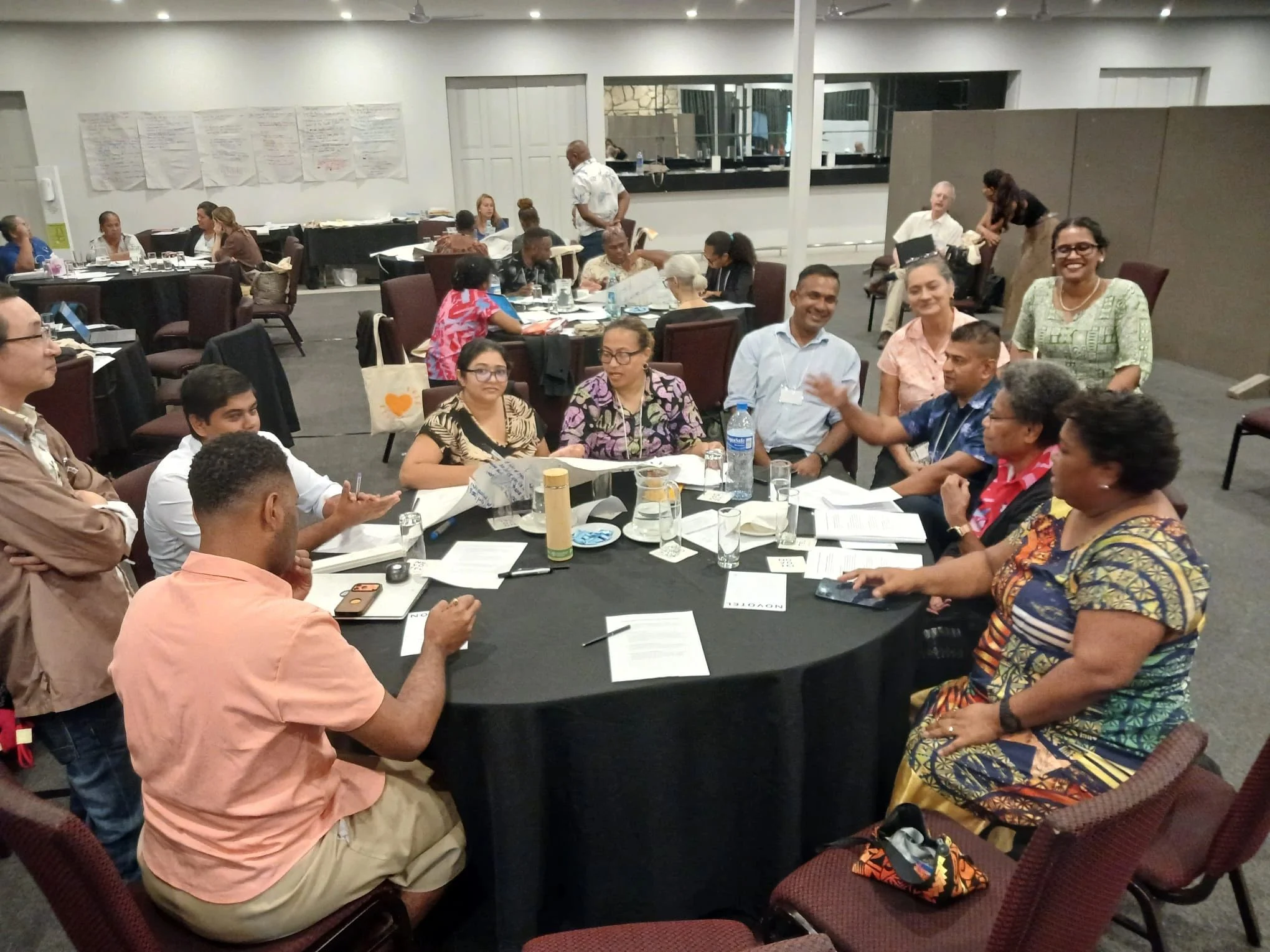
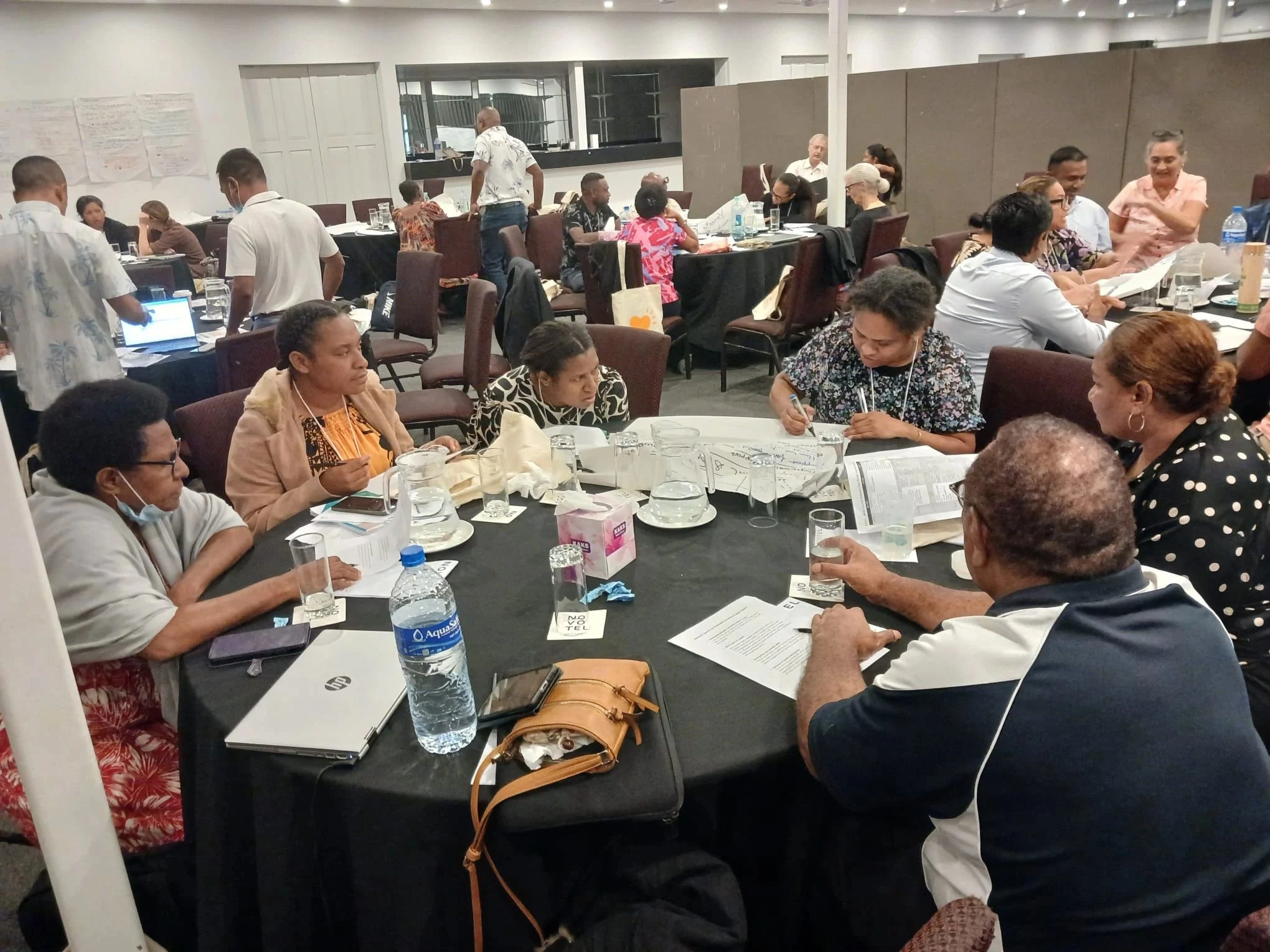
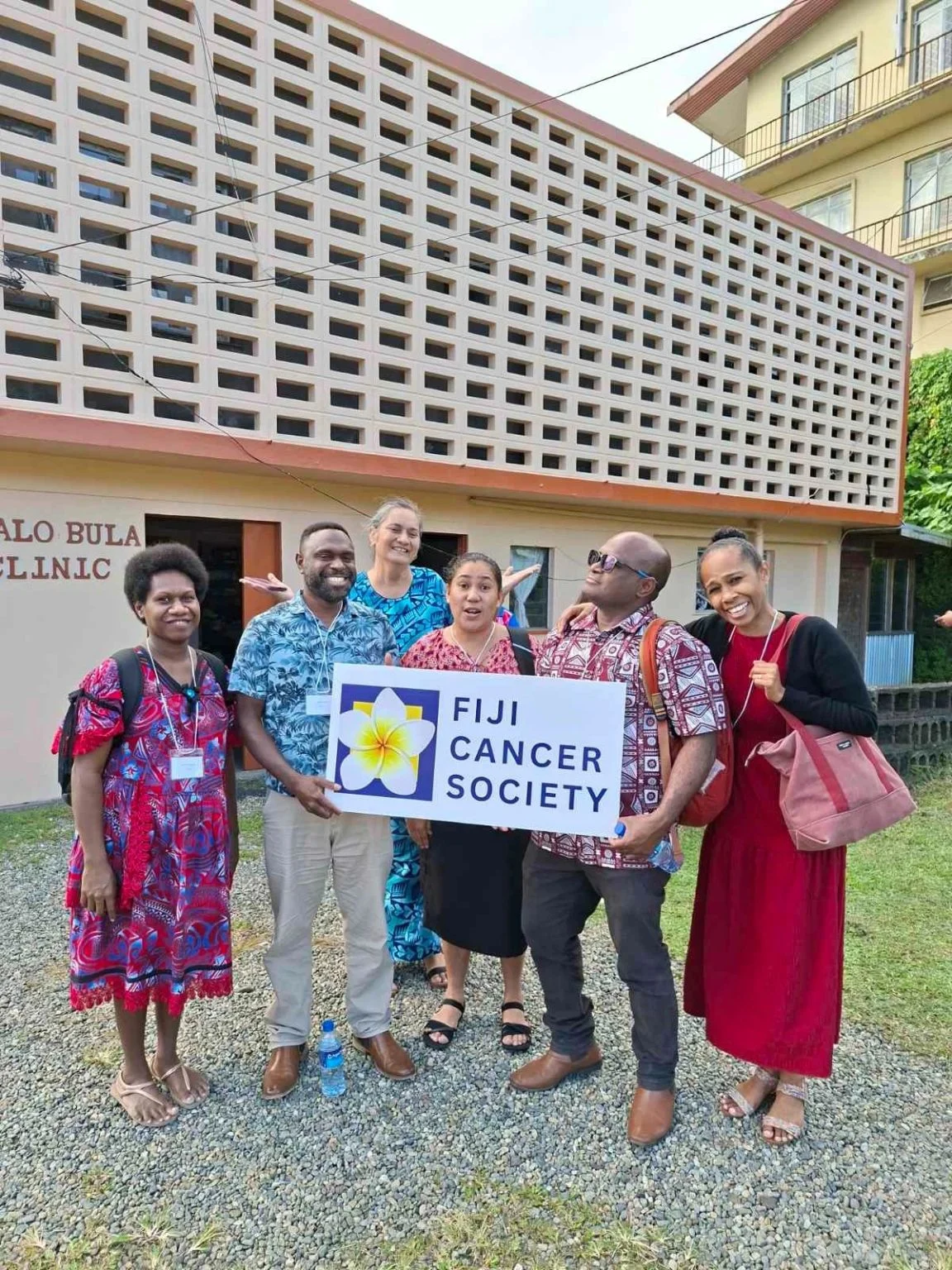
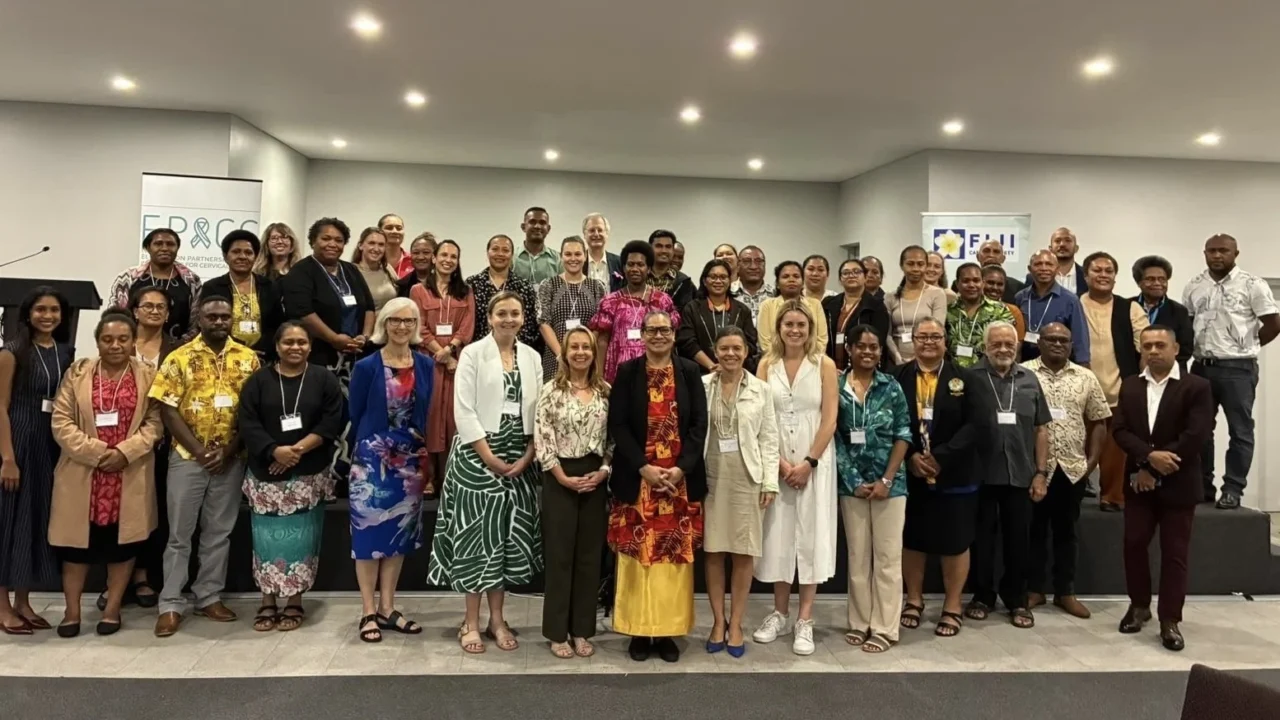
Last week, EPICC organised, in collaboration with the Ministry of Health and Medical Services of Fiji, Fiji Cancer Society, UNODC, WHO South Pacific, and Pacific Community-SPC, a regional integrated palliative care workshop that brought together more than 40 participants from 6 Indo-Pacific countries: Fiji, Nauru, Papua New Guinea, Solomon Islands, Timor Leste, and Vanuatu.
What made this workshop particularly unique was the integration of clinical training with high-level policy and planning discussions. Bringing together clinicians, policymakers, civil society representatives, and service providers created an opportunity to strengthen clinical capacity, discuss shared challenges and priorities, learn from neighbouring countries, and identify practical actions to strengthen palliative care services in the region.
Palliative care is not only essential for women with cervical cancer; it is a critical component of care for all people living with serious illness and health-related suffering.
I feel incredibly privileged to have had the opportunity to co-create this workshop alongside so many inspiring colleagues and partners. I was humbled by the commitment, creativity, and determination of those working to improve care in their countries.
I leave with my head full of new learnings, ideas, and perspectives; and with renewed motivation to continue this work alongside colleagues across the region.
A sincere thank you to all the partners, colleagues, and participants who contributed to this workshop. And yes, even the car was EPIC(C)!”
Karen Canfell, Lead, CEC and Professor of Public Health at Cancer Elimination Collaboration (CEC) at the University of Sydney, shared this post, adding:
“Last week, EPICC coordinated a major regional integrated palliative care workshop with partners including the Figi Ministry of Health, Figi Cancer Society, UNODC, SPC and WHO.
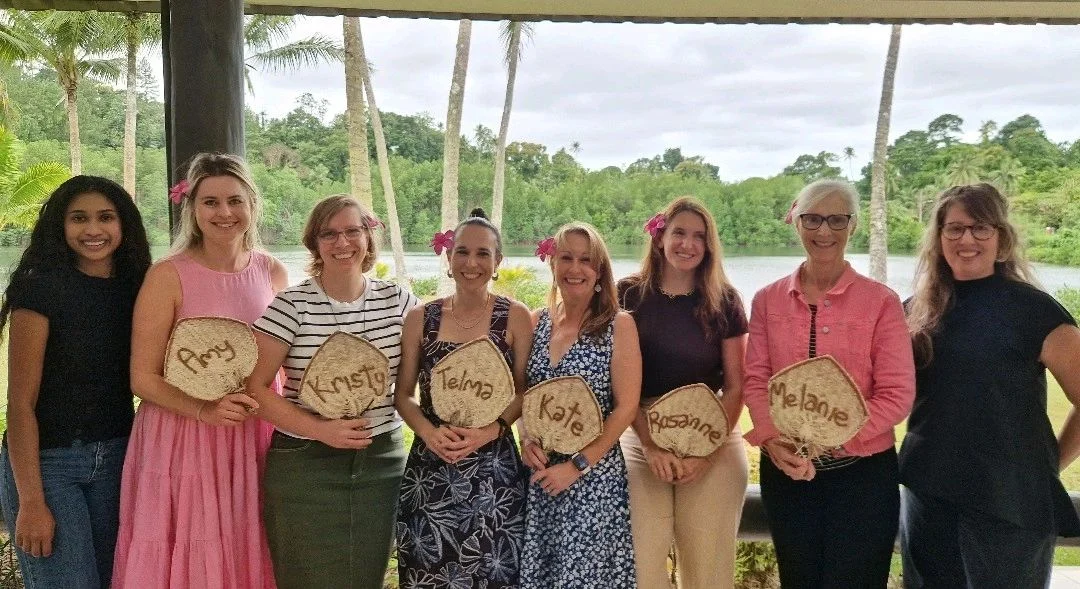
Although so many contributed, I particularly want to acknowledge the incredible hard work and leadership of Telma Costa in our team, working with the wonderful Eric Krakauer, supported by Amy Pagotto.
By all accounts it was a major success and many collaborations have been established to take forward this important program of work in the Indo-Pacific!
This is a wonderful example of how EPICC is contributing to broader cancer control strengthening – for all cancers – in the region.”
More posts featuring Karen Canfell.