





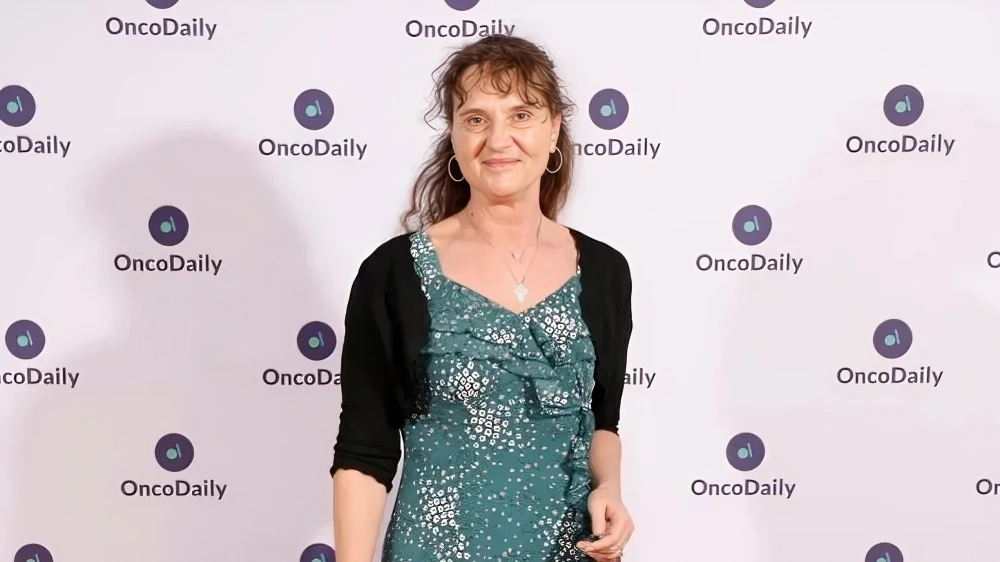
Tanja Obradovic, Senior Advisor of Oncology Drug Development at HopeAI, Consultant, Oncology Drug Development at Arc Nouvel Clinical Development Consulting, and Oncology Medical Strategy Advisor at Mercurial AI, shared a post on LinkedIn:
“2025 Updates to Solid Tumor Treatment Guidelines by NCCN – Highlights for Lung, Breast and Colorectal
With over 40 new cancer drug approvals or label extensions by FDA and numerous impactful publications of new findings in 2025 treatment guidelines for solid tumors had many treatment updates. Highlighting some of the updates that stand out by impact and now published by National Comprehensive Cancer Network (NCCN) in solid tumors with highest prevalence-lung, breast, and colorectal cancer.
Non-Small Cell Lung Cancer (NSCLC)
• Datopotamab deruxtecan-dlnk (Dato-DXd; Datroway) was added as a preferred second-line regimen for patients with EGFR-mutated NSCLC following disease progression on frontline therapy with osimertinib (Tagrisso) plus chemotherapy.
• Dato-DXd was added as a preferred third-line therapy and listed as a subsequent therapy option for the treatment of patients with NSCLC harboring EGFR exon 19 deletions or L858R mutations, EGFR S768, L861Q, and/or G79X mutations, as well as EGFR exon 20 insertion mutations.
• Osimertinib/carboplatin or cisplatin/pemetrexed, as well as amivantamab-vmjw (Rybrevant) plus lazertinib (Lazcluze), are now category 1 as a preferred regimen for the frontline treatment of patients with EGFR-mutated NSCLC whose mutations were discovered prior to first-line systemic therapy.
Small Cell Lung Cancer (SCLC)
• Carboplatin plus etoposide and atezolizumab (Tecentriq) followed by maintenance lurbinectedin (Zepzelca) and atezolizumab was added as a primary treatment option for patients with extensive-stage disease.
Breast Cancer
• Abemaciclib (Verzenio) plus fulvestrant (Faslodex) and trastuzumab (Herceptin) was added as a category 2B recommendation for patients with HR-positive, HER2-positive recurrent unresectable or stage IV disease.
• Imlunestrant (Inluriyo) is now added as a category 2A, other recommended regimen for first- or subsequent-line therapy for recurrent unresectable or stage IV hormone receptor (HR)-positive, HER2-negative disease harboring an ESR1 mutation.
• Erdafitinib (Balversa) was added as a category 2A for patients with stage IV (M1) disease harboring an FGFR1, FGFR2, or FGFR3 fusion or mutation.
• Neratinib (Nerlynx) with or without trastuzumab or fulvestrant was added as a category 2A for patients with stage IV (M1) disease harboring HER2 activating mutations.
Colorectal Cancer
• FOLFOX (folinic acid, 5-fluorouracil [5-FU], and oxaliplatin) and CAPOX (capecitabine and oxaliplatin), both in combination with atezolizumab, have been added as preferred category 2A recommendations for the adjuvant treatment of patients with low- and high-risk stage III dMMR/MSI-H disease.
Chemo with FOLFIRINOX (folinic acid, 5-FU, irinotecan, and oxaliplatin) was added as a neoadjuvant option for patients with pMMR/MSS resectable disease with liver-only and/or lung-only metastases.
• FOLFOX plus encorafenib (Braftovi) and cetuximab (Erbitux) or panitumumab (Vectibix) is now listed as systemic therapy for patients with advanced or metastatic disease.
As we face almost end of 2025 oncology community is in dynamic times. With rich pipeline of novel drugs across small molecules, Abs, ADCs, cell and gene therapies 2026 is positive to be productive hopefully delivering many new options to eagerly awaiting by patients and providers.”
More posts featuring Tanja Obradovic.