





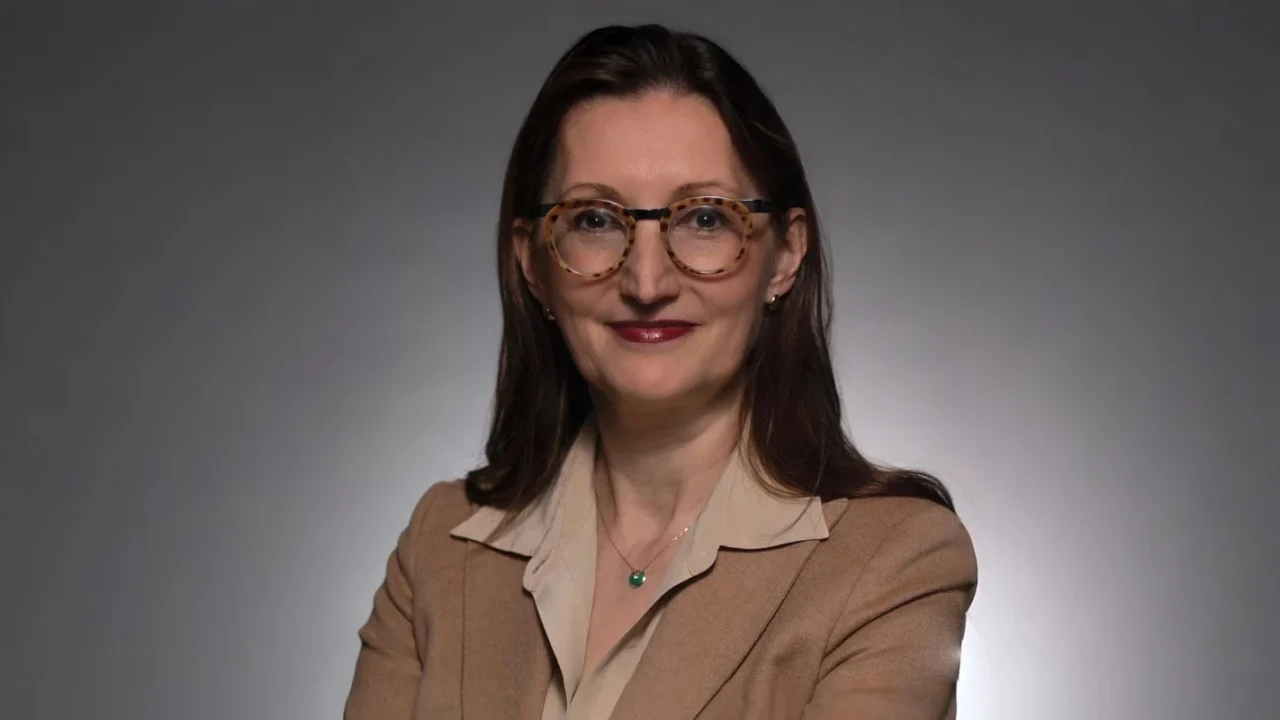
Suzanne Lentzsch, Professor of Medicine at Columbia University, Board Member at International Myeloma Society, shared a post on LinkedIn:
“One of the most rewarding and emotional moments of my career took place at American Society of Clinical Oncology (ASCO) 2026. In 2015, I led the first-in-human trial of 11-1F4 (now anselamimab), supported by a small FDA grant and Columbia University Vagelos College of Physicians and Surgeons. At the time, the path forward was far from certain. We faced limited funding, strong competition from Prothena’s NEOD001 program, and considerable skepticism from industry given the rarity of AL amyloidosis and the fact that competing programs were already much further advanced in development.
Despite these challenges, we continued to move forward step by step. The phase 1 study demonstrated encouraging results, ultimately leading to the founding of Caelum Biosciences in 2017 and the launch of the subsequent phase 2 and phase 3 studies. Those efforts were later advanced and completed through the commitment and resources of Alexion Pharmaceuticals, Inc./AstraZeneca.
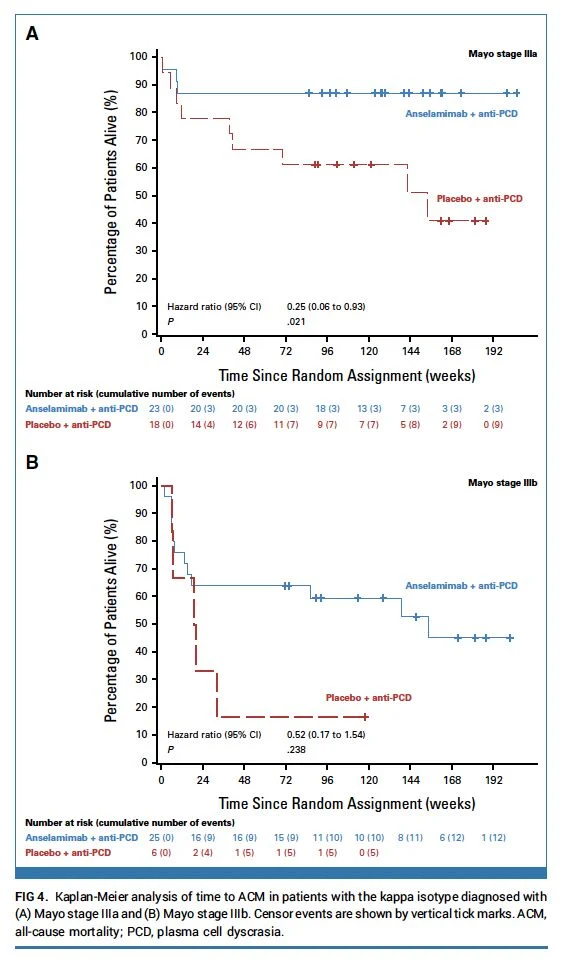
At ASCO 2026, I had the privilege of chairing the session when the final phase 3 results were prewsented by Dr Ashutosh Wechalekar, which demonstrated a significant overall survival benefit in patients with stage IIIA/IIIB κ AL amyloidosis. Seeing a scientific concept evolve from an investigator-initiated first-in-human study into a positive phase 3 trial is extraordinarily rewarding.
This achievement reflects the dedication of countless patients, investigators, research staff, industry partners, and advocates who believed in this program over many years. It is also a powerful reminder of why we do translational research, to transform promising science into therapies that meaningfully improve patients’ lives.”
More posts featuring Suzanne Lentzsch.