






Susanna Fletcher Greer, Chief Scientific Officer at The V Foundation, shared a post on LinkedIn:
“Some scientific discoveries introduce a new treatment. Others change the way we understand cancer itself. A landmark study funded in part by the V Foundation in partnership with StacheStrong and published in Nature is one of those discoveries.
The research from Dr. Mario Suva and team at Mass General Brigham focuses on IDH-mutant gliomas, a type of brain tumor that often affects younger adults. Although these tumors are biologically different from glioblastoma, the deadliest form of brain cancer, they share a frustrating reality. Patients often respond well to initial treatment, but the tumors almost always return. Understanding why has been one of the biggest unanswered questions in brain cancer research.
To answer it, the Suva team analyzed more than 330,000 individual cells from tumors collected over time from 35 patients. Rather than looking at a single moment in a tumor’s life, they created one of the most detailed maps ever assembled of how these cancers evolve as they recur.
Their findings fundamentally change our understanding of recurrence. Some tumors acquire new genetic changes that make cancer cells more aggressive and resistant to treatment. Others evolve because of changes in the immune cells surrounding the tumor.
The message is clear: cancer recurrence is driven not only by the tumor itself but also by the environment in which it grows.
That insight opens entirely new possibilities for future therapies designed to interrupt both processes and, ultimately, improve outcomes for patients.
But every breakthrough has a beginning, and this one begins long before the pages of Nature. It begins with a young man named GJ Gerner. At just 28 years old, GJ suffered a seizure and was diagnosed with glioblastoma. The prognosis was devastating. Yet throughout a 25-month long battle, he faced each challenge with remarkable optimism, resilience, and an unwavering determination to help others.
The night before brain surgery, he shaved his beard into a mustache to keep everyone around him smiling. That simple gesture became the inspiration for Home – StacheStrong, a movement that has transformed heartbreak into hope for families facing brain cancer.
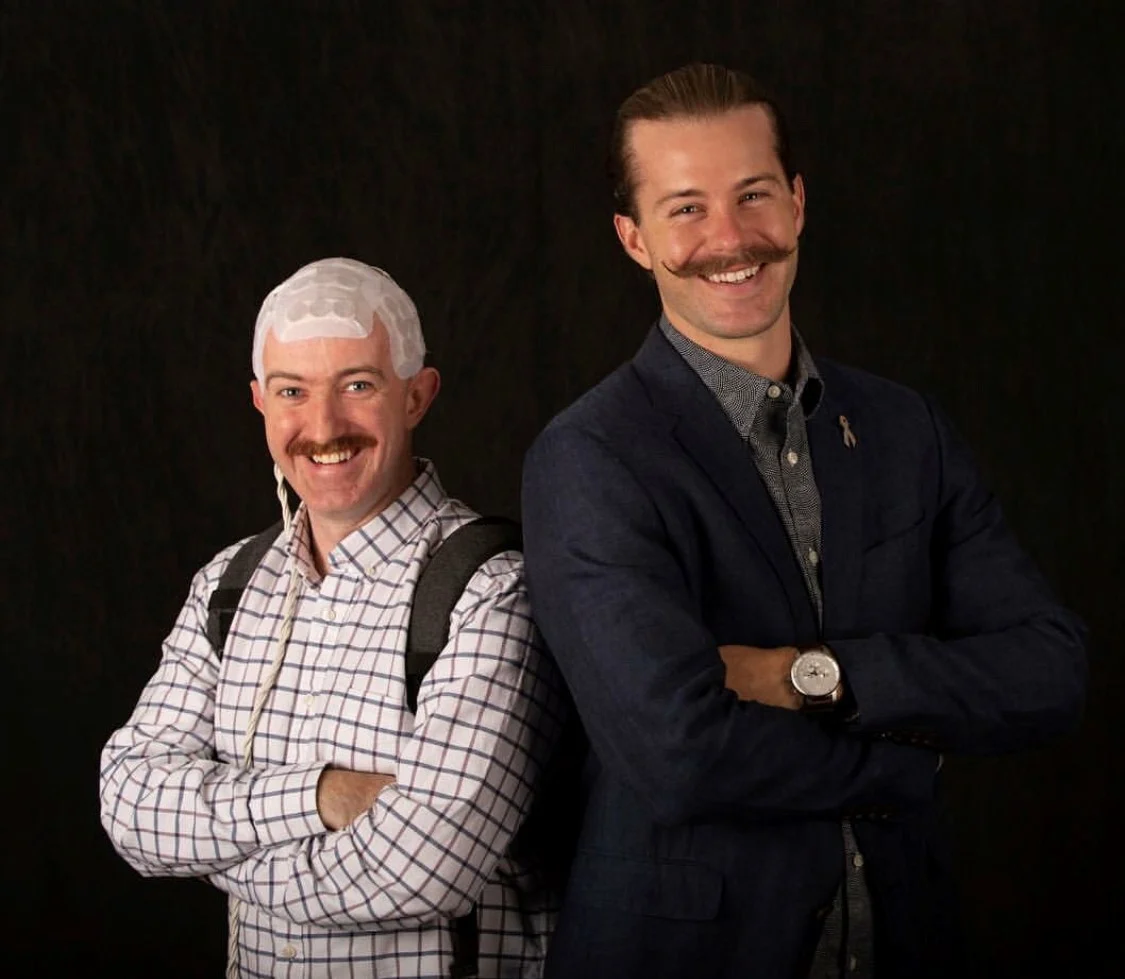
Today, StacheStrong has funded more than $7 million in brain cancer research through more than 75 grants and clinical trials, including multiple awards in partnership with the V Foundation.
Most recently, together we announced a transformative five-year, $1 million grant at Massachusetts General Hospital to accelerate glioblastoma research. This long-term investment reflects our shared commitment to advancing treatments for a disease where survival has remained largely unchanged. Through the V Foundation’s rigorous scientific review process and StacheStrong’s extraordinary commitment to patients and families, we’re investing in bold ideas with the potential to change the future of brain cancer.
One family couldn’t change GJ’s diagnosis.
But together, we’re helping change the future for every family that follows.
Find the Suva lab and read their landmark paper.”
Other articles featuring Susanna Fletcher Greer on OncoDaily.