





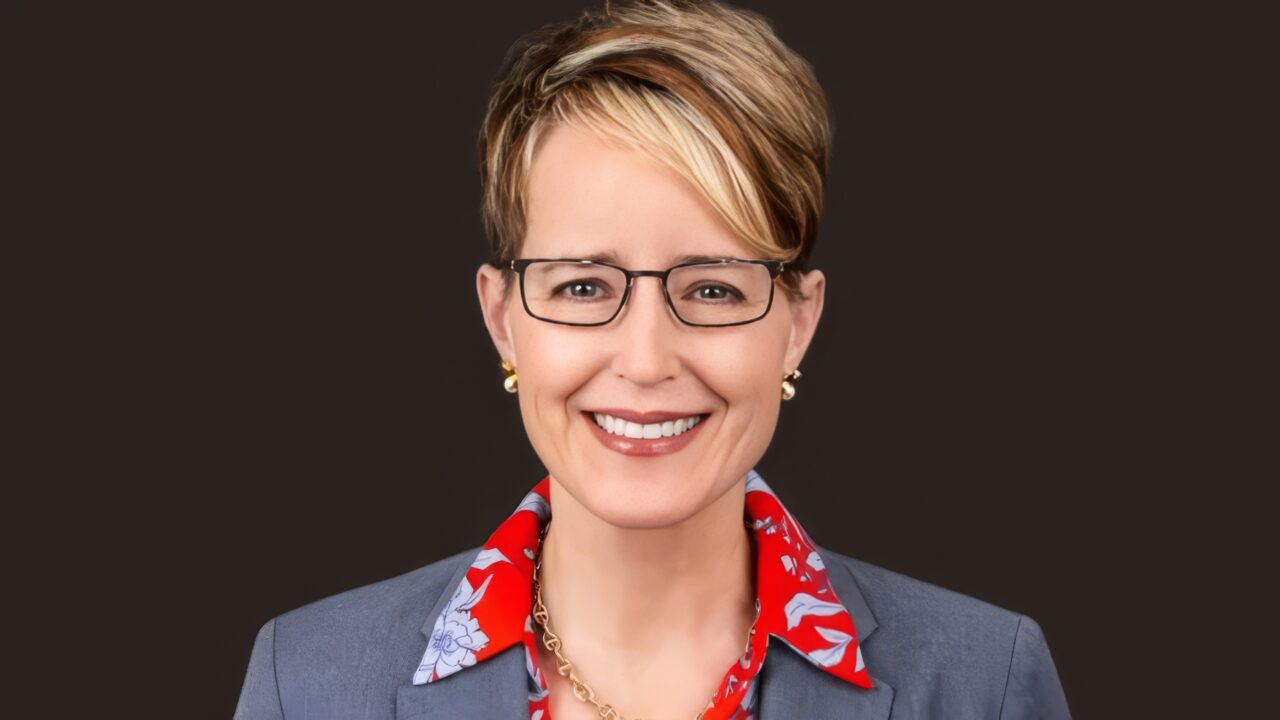
Susanna Fletcher Greer, Chief Scientific Officer of the V Foundation, shared a post on LinkedIn:
“What This Year of Cancer Research Taught Us, and Where the V Foundation for Cancer Research is Going Next
This year, across dozens of studies from V Foundation–funded cancer researchers, one truth became clear to me. Cancer is not one enemy. It is many. It evolves, adapts, hides, rewires itself and constantly forces us to innovate faster than the disease can think.
And that is exactly what our grantees are doing.
As I look back on the extraordinary body of research I had the privilege to share this year, a story emerges not just of scientific progress, but of a scientific community inventing new rules. This is the bold, boundary-pushing work the V Foundation is uniquely positioned to fund because 100% of our direct donations go straight to research.
Eight key themes rose again and again, each illustrated by breakthroughs from V Foundation researchers. Here they are:
1. Cancer can be outsmarted if we hit it from more than one angle. Combination therapy was a defining theme this year. In advanced kidney cancer, Dr. Pavlos Msaouel’s triple therapy approach shrank tumors in nearly half of patients. In breast cancer, Dr. Hee Won Yang showed that targeting two cell cycle regulators at once, CDK4 and CDK6 along with CDK7, not only halted growth but revived the immune system inside tumors. We saw a similar innovation in CAR T therapy. Drs. Eric Kohler and Sarah Tasian demonstrated that amplifying internal signaling or restoring LAT activity can overcome the antigen loss that often drives relapse. Each of these studies points toward a future where treatment does not rely on a single weapon. We bring a full arsenal.
2. Tumors hide, and we are learning how to find them. Several teams revealed how cancer cloaks itself. Dr. Kara Davis showed why some leukemias evade CAR T treatment by dropping CD19 and CD22 markers when IKAROS levels fall. In colorectal cancer, Dr. Jianjun Wu uncovered a cell-to-cell alarm system in which tumors send 2-5A messages that activate RNase L in nearby immune cells. In lung cancer, Dr. Carla Kim identified the earliest tumor-forming alveolar cells, revealing how lung adenocarcinoma begins long before symptoms appear. And in one of the most powerful diagnostic studies of the year, Dr. Evgeny Izumchenko validated HPV-SEQ, a blood test that can catch HPV-driven cancer recurrence up to twenty-five months earlier than imaging. We are entering an era where cancer will struggle to stay hidden.
3. We are learning how the immune system can be rewired, sometimes by us, and sometimes by cancer itself. Several discoveries changed how we think about immune engineering. Dr. Sidi Chen’s MUCIG platform used CRISPR-Cas13d to silence multiple immune-suppressing signals at once. Dr. Adam Courtney built a viral protein “power switch” that keeps engineered T cells fighting longer in solid tumors. Dr. David Oh revealed circulating killer CD4 cells in blood and showed that blocking KLRG1 can restore their ability to attack cancer.
4. Cancer rewires immunity too. In acute myeloid leukemia, Dr. Aude Chapuis discovered that AML forces engineered T cells to behave like short-lived NK cells, explaining relapse after transplant. In melanoma, Dr. Roger Lo showed that resistant tumors disable their own danger signal pathways, making immune cells less effective. These insights give us new footholds for therapy.
5. Cancer metabolism is not just fuel. It is a strategy. Metabolic research reshaped our understanding of tumor growth. Dr. Keren Hilgendorf demonstrated that high lipid levels alone accelerate breast cancer growth and that lowering lipids slows tumors even without weight loss. Dr. Tao Lu identified HN1L as a key driver of chemoresistance in ovarian cancer by activating NF kappa B. Dr. Jihye Yun showed that the combination of glucose and fructose rewires colorectal cancer metabolism through SORD and accelerates metastasis. These findings point to prevention and treatment strategies that can be implemented with tools we already have.
6. Pediatric cancer research is making remarkable leaps forward. Several V Foundation grantees made transformative contributions. In neuroblastoma, Dr. Madeline Hayes used zebrafish to show that tumors with DNA damage response mutations are highly sensitive to PARP and ATR inhibition. In diffuse midline glioma, Dr. Richard Phillips uncovered a rare PRC1 complex that keeps tumors locked in an undifferentiated state. In ETMR, Dr. Volker Hovestadt identified microRNA-driven hierarchies and druggable communication pathways. In low grade glioma, Dr. Mimi Bandopadhayay analyzed more than eleven thousand tumors to map FGFR alterations and create next-generation models for targeted therapy. These studies move us closer to treatments tailored for each child’s tumor biology.
7. Cancer is a multi-organ, multi-system disease, not a single lesion. This year showed how interconnected the cancer ecosystem is. Dr. Michael Haffner revealed that metastatic prostate cancer behaves differently depending on where it spreads, proving that one biopsy cannot tell the whole story. Dr. Humsa Venkatesh discovered that nerves can fuel small cell lung cancer and even form synapses with tumors in the brain. Dr. Christina Glytsou demonstrated that mitochondria can be reprogrammed to resist therapy and found a small molecule that reverses this adaptation. Understanding these systems gives us new ways to intervene.
8. Patient experience and caregiver support matter as much as biology. Dr. Patricia Jones’ study in hepatocellular carcinoma showed the human reality of cancer. Disparities in education, navigation, resources and emotional support shape outcomes just as powerfully as molecular features. It is a reminder that research is not only about mechanisms, but about people.
Where we go from here. Looking across this remarkable year of discoveries, I see a future shaped by precision, integration, and speed. Precision means hitting cancer’s vulnerabilities before it adapts. Integration means pairing biology, computation, imaging, immunology, metabolism, and navigation. Speed means moving discoveries rapidly from bench to bedside and from concept to clinical trial.
This is why we fund bold science. This is why I highlight this work. It is the embodiment of Jim Valvano’s rallying cry, “Don’t Give Up…Don’t Ever Give Up!”®, in the lab and the clinic. And this is why I believe, more than ever, that Victory Over Cancer® is not a slogan. It is a direction.
Ending the year this way feels like a moment to pause and say thank you. Thank you for caring about this work, for supporting science, and for believing that progress is possible. Wishing you a holiday season filled with rest, connection, and hope as we head into a new year.
-Susanna Greer”
More posts from Susanna Fletcher Greer.