Head and neck cancer (HNC) is a life-threatening disease with a brutal reality: current treatment options to eliminate the cancer often come at the expense of a patient’s voice, smile, and basic functions like speaking and swallowing. For the 75,000 Americans annually diagnosed with HNC, the crisis deepens in recurrent and metastatic settings, where a staggering 20-year innovation gap has left the community without alternatives.
Meet Stef Gayhart, a stage 3 oral tongue cancer survivor, registered nurse, and trauma-informed wellness coach. Following major surgery and 30 rounds of HNC radiation at age 37, she continues to navigate lasting effects such as swelling, swallowing and speaking challenges, chronic pain and the emotional uncertainty of recurrence.
Her experience reflects the reality for many living with HNC. Stef now advocates for holistic, patient-centered survivorship care, as well as health policy and innovation. She also builds community for fellow survivors and advises healthcare orgs.
Why this matters:
- HNC is common but often caught too late: Spanning across 30 distinct cancer types affecting the mouth, throat, voice box, and salivary glands. Symptoms often appear as common conditions like a persistent sore throat, so many aren’t diagnosed until advanced stages.
- The physical and emotional toll is significant: Lasting impairments affecting daily functions and appearance are nearly guaranteed, and HNC patients are twice as likely to screen positive for depression and face higher risk of suicide compared to other cancer patients.
- New treatments needed beyond current standard of care: Patients treated with surgery, radiation and chemo have high risk of recurrence (50%), low survival rates (<25%), and no options if they fail.
- But the field is advancing: After years of limited progress, researchers are exploring new pathways for treating recurrent and metastatic HNC. Among the most promising: targeting the epidermal growth factor receptor (EGFR), a protein overexpressed in the majority of HNC tumors is opening new avenues for patients who have long had the fewest reliable options.
You can also read:
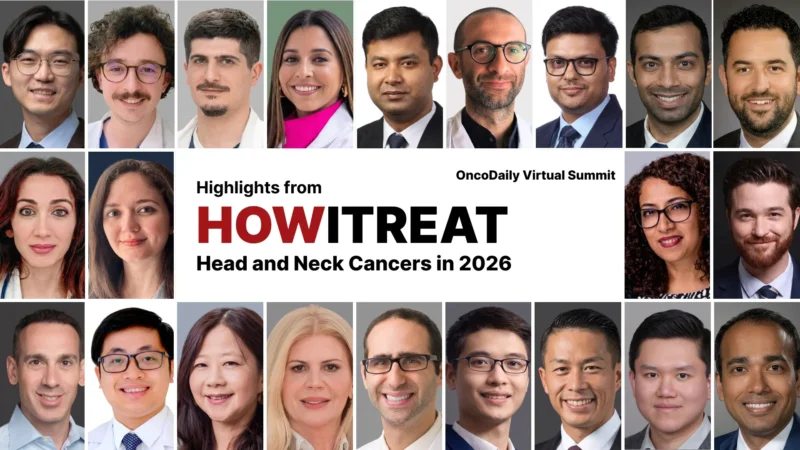
Highlights From How I Treat Head and Neck Cancers in 2026: OncoDaily Virtual Summit