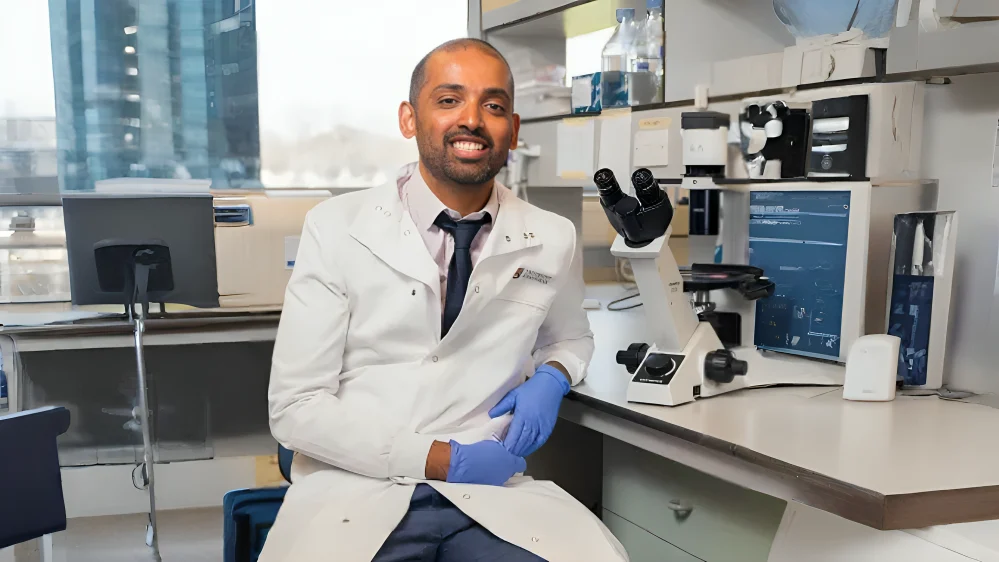
Shivan Sivakumar, Professor of Translational Oncology at the University of Birmingham and Clinical Lead of Oncology at University Hospitals Birmingham NHS Foundation Trust, shared on LinkedIn:
“World Pancreatic Cancer Day 2026
Pancreatic cancer remains one of the most challenging cancers to treat. For too long, progress has been incremental, and outcomes for patients remain unacceptably poor.
But I genuinely believe we are entering a new era in pancreatic cancer therapeutics.
Over the past 12 months, I have been immensely proud of what our pancreatic cancer clinical trials team at University Hospitals Birmingham and University of Birmingham has achieved.
We have made significant contributions to several international phase III clinical trials investigating the next generation of RAS-targeted therapies, including RASolute 303, 304 and 309.
We have played a leading role in UK recruitment to these studies, helping ensure that patients in Birmingham and across the UK can access some of the most promising emerging treatments for pancreatic cancer.
We have also continued to expand our early-phase and translational research portfolio, including personalised cancer vaccines and novel therapeutic strategies.
These achievements are a testament to the dedication of our research nurses, trial coordinators, pharmacists, clinicians and the wider multidisciplinary team. Most importantly, they would not be possible without the extraordinary commitment of our patients and their families.
But clinical trial activity is not the ultimate measure of success. Improving survival is.
The next decade must be about fundamentally changing how we treat pancreatic cancer.
We need to:
- Establish effective RAS-targeted therapies and understand how best to overcome resistance.
- Develop immunotherapeutic strategies that can deliver meaningful and durable responses.
- Move towards biomarker-driven, personalised treatment rather than a one-size-fits-all approach.
- Bring innovative treatments into earlier stages of disease, where the potential for cure is greatest.
- Ensure that breakthroughs in science translate rapidly into improvements in patient outcomes.
Above all, we need to shift our ambition from extending survival by months to achieving durable disease control and, ultimately, curing more patients.
I am incredibly proud of what our team has accomplished, but even more excited about what lies ahead.
To every patient who has participated in a clinical trial, thank you. Your courage and generosity are helping shape the future of pancreatic cancer treatment.
The science has never been more promising. Now we must deliver for our patients!”
You can also read: World Pancreatic Cancer Day 2026: From Silent Symptoms to the Urgent Need for Earlier Diagnosis