


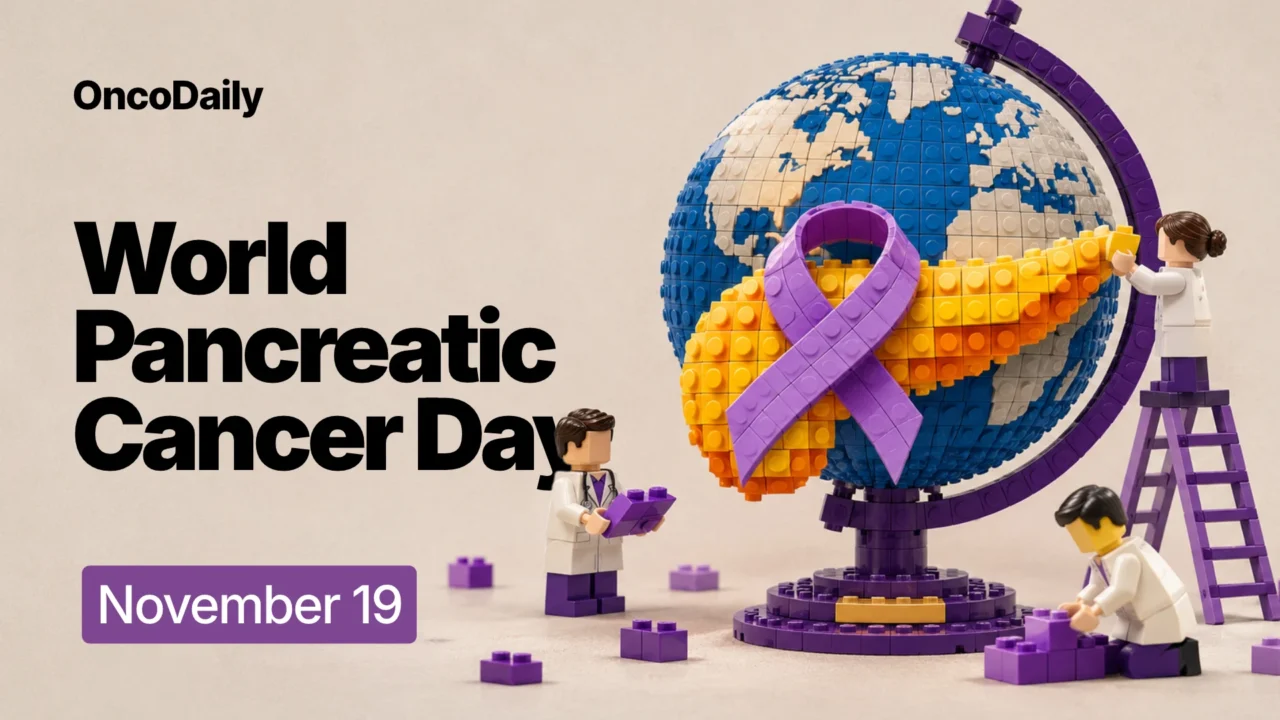
Every year on November 19, World Pancreatic Cancer Day brings international attention to one of the most challenging cancers to diagnose and treat. The day is dedicated to raising awareness of pancreatic cancer, helping people recognize its symptoms and risk factors, and encouraging earlier diagnosis.
Pancreatic cancer remains a major global health concern, largely because it is frequently diagnosed at an advanced stage, when treatment options are more limited.
According to the World Pancreatic Cancer Coalition (WPCC), an estimated 531,000 people worldwide will be diagnosed with pancreatic cancer in 2026, while nearly 490,000 people are expected to die from the disease.
These figures illustrate why pancreatic cancer requires greater public awareness, continued scientific research, and improved access to timely diagnosis and treatment.
World Pancreatic Cancer Day 2026 provides an opportunity to bring patients, healthcare professionals, researchers, advocacy organizations, and communities together around a common goal: improving outcomes for people affected by pancreatic cancer.
Understanding Pancreatic Cancer: Why Is It So Difficult to Detect?
Pancreatic cancer develops when abnormal cells in the pancreas begin to grow uncontrollably, forming a malignant tumor.
The pancreas is an organ located behind the stomach that plays an essential role in digestion and blood glucose regulation. It produces digestive enzymes that help break down food and hormones, including insulin and glucagon, that regulate blood sugar levels.
Pancreatic cancer can develop in different types of pancreatic cells. Most cases arise from the exocrine pancreas, with pancreatic ductal adenocarcinoma (PDAC) representing the most common form.
One of the greatest challenges associated with pancreatic cancer is its tendency to develop without clear symptoms during its early stages. When symptoms do appear, they may be vague or resemble those of more common gastrointestinal conditions.
As a result, the disease is frequently identified after it has progressed, making early recognition and timely medical evaluation particularly important.
A Global Cancer Burden That Demands Attention
Pancreatic cancer is among the deadliest malignancies worldwide.
According to the World Pancreatic Cancer Coalition, it is currently the sixth leading cause of cancer-related deaths globally among major cancers.
Despite advances in oncology, survival outcomes remain poor in many regions, with five-year survival rates still in the single digits in several parts of the world. The estimated 531,000 new diagnoses and nearly 490,000 deaths worldwide in 2026 reflect the substantial burden associated with the disease.
These figures also highlight the need for improved diagnostic approaches, effective treatments, and stronger healthcare systems capable of providing timely access to specialized cancer care.
For patients, the challenge is often not simply receiving a diagnosis, but receiving it early enough for a wider range of treatment options to remain available.
Recognizing the Warning Signs: When Symptoms Are Easy to Miss
One of the greatest challenges in pancreatic cancer care is that early symptoms are often subtle, nonspecific, or entirely absent.
Unlike some cancers that may produce noticeable changes at an early stage, pancreatic cancer can progress without causing significant discomfort. When symptoms eventually appear, they may resemble common gastrointestinal or metabolic conditions, making the disease difficult to recognize.
Potential warning signs include:
- Abdominal or back pain: Persistent discomfort in the upper abdomen that may radiate toward the back.
- Unexplained weight loss: Losing weight without changes in diet or physical activity.
- Jaundice: Yellowing of the skin or eyes, sometimes accompanied by dark urine, pale stools, or itching.
- Digestive problems: Loss of appetite, nausea, changes in bowel habits, or difficulties digesting food.
- New-onset diabetes: Particularly when it develops unexpectedly in older adults or is accompanied by unexplained weight loss.
- Persistent fatigue: Unusual tiredness or weakness that does not improve with rest.
These symptoms are not specific to pancreatic cancer, and most people experiencing them will not have the disease. However, persistent or unexplained changes should not be ignored.
The World Pancreatic Cancer Coalition emphasizes that recognizing warning signs and seeking medical attention promptly may contribute to an earlier diagnosis, when more treatment options could still be available.
Who Is at Risk? Understanding the Factors Behind Pancreatic Cancer
Although the exact cause of most pancreatic cancer cases remains unknown, several factors have been associated with an increased risk of developing the disease.
Age is an important consideration, as pancreatic cancer is diagnosed more frequently in older adults. Smoking is among the most established modifiable risk factors, while obesity and long-standing type 2 diabetes are also associated with increased risk.
Chronic pancreatitis, particularly when associated with hereditary conditions, may further increase the likelihood of developing pancreatic cancer.
Genetic susceptibility also plays a role. Individuals with a family history of pancreatic cancer or inherited pathogenic variants in genes such as BRCA1, BRCA2, PALB2, and CDKN2A may face a higher lifetime risk.
However, pancreatic cancer can also develop in people without any known risk factors.
Understanding individual risk does not mean that pancreatic cancer can always be prevented. Rather, it allows patients and healthcare professionals to identify those who may benefit from genetic counseling, specialized surveillance, or closer clinical evaluation.
From Awareness to Clinical Progress: OncoDaily’s Pancreatic Cancer Summit 2026
As World Pancreatic Cancer Day draws attention to the challenges of early diagnosis and treatment, scientific discussions continue to focus on improving outcomes for patients with pancreatic cancer.
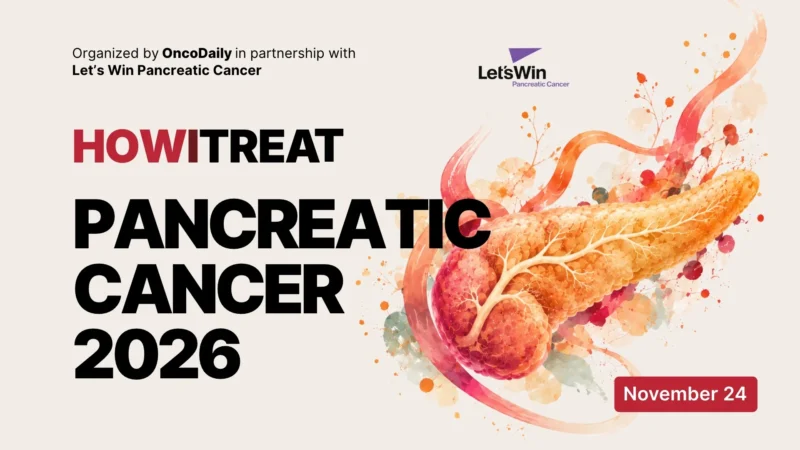
On November 24, 2026, OncoDaily will host How I Treat Pancreatic Cancer in 2026 – Virtual Summit, a global virtual medical congress dedicated to advances in pancreatic cancer management.
The summit will bring together international experts to discuss earlier diagnosis, multidisciplinary treatment strategies, precision oncology, molecular testing, and personalized approaches to patient care.
Part of OncoDaily’s How I Treat series, the event will examine recent developments in pancreatic cancer treatment and their implications for clinical practice, including emerging therapeutic strategies and biomarker-driven approaches.
By connecting specialists from around the world, the summit aims to encourage scientific exchange and explore opportunities to improve pancreatic cancer care.
Learn more about the summit and register.
Written by Mane Hovhannisyan