


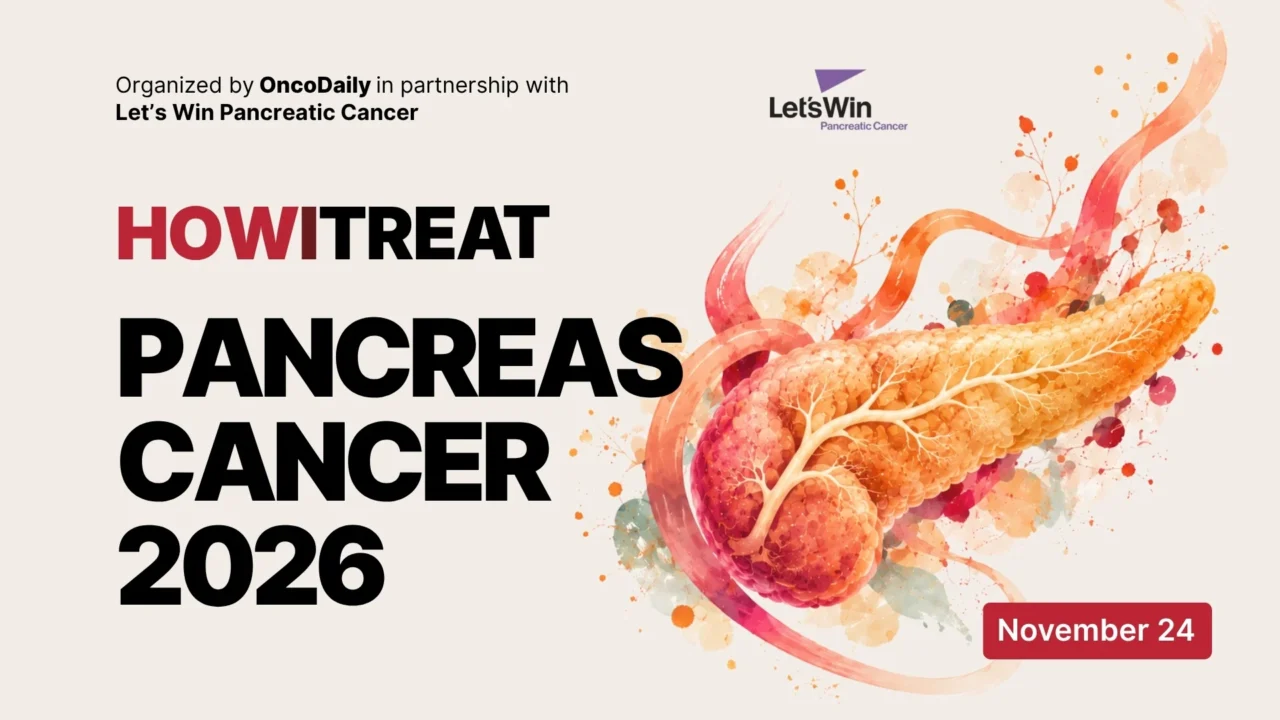
Global Virtual Summit
How I Treat Pancreas Cancer in 2026 – Virtual Summit
Overview
Event Highlights
- Advancing earlier diagnosis and multidisciplinary treatment strategies for pancreatic cancer.
- Integrating precision oncology, biomarker testing, and personalized therapies into clinical practice.
- Connecting global experts to improve outcomes and shape the future of pancreatic cancer care.
Event Series
Date / Time
Nov 24, 2026
Save to
How I Treat Pancreatic Cancer in 2026 is a global virtual medical congress dedicated entirely to pancreatic cancer, focusing on early diagnosis, multidisciplinary treatment strategies, precision oncology, and future directions in disease management.
The OncoDaily How I Treat series returns with a dedicated global summit on pancreatic cancer treatment, bringing together leading international experts to discuss the latest advances in pancreatic oncology in 2026.
Pancreatic cancer remains one of the most challenging diseases in oncology and is among the leading causes of cancer-related mortality worldwide. According to the World Health Organization, global cancer incidence continues to rise, highlighting the urgent need for earlier detection and more effective therapies. In 2022 alone, approximately 510,922 new pancreatic cancer cases and 467,409 deaths were reported worldwide. In the United States, an estimated 67,530 new cases and 52,740 deaths are expected in 2026.
Outcomes remain highly dependent on stage at diagnosis. While early-stage disease may occasionally be treated with curative-intent surgery, most patients continue to present with advanced or metastatic disease, where long-term survival remains limited. Nevertheless, recent years have brought meaningful progress.
The treatment landscape is evolving rapidly with the integration of multi-agent chemotherapy regimens, targeted therapies for actionable mutations, and biomarker-driven precision medicine. These innovations are reshaping the management of both pancreatic ductal adenocarcinoma and neuroendocrine tumors, improving survival and quality of life for selected patients.
About the Congress
How I Treat Pancreatic Cancer in 2026 is a global virtual medical congress dedicated to advancing the diagnosis and treatment of pancreatic cancer. The congress will focus on early detection, multidisciplinary care, surgical and systemic treatment strategies, precision oncology, and future directions in disease management.
Through expert-led presentations, case-based discussions, and international perspectives, the program will explore practical approaches to managing pancreatic ductal adenocarcinoma, pancreatic neuroendocrine tumors, and other pancreatic malignancies across different stages of disease.
Key topics will include diagnostic pathways, resectability assessment, neoadjuvant and adjuvant therapy, surgical management, treatment of locally advanced and metastatic disease, biomarker testing, targeted therapies, supportive and palliative care, clinical trials, and emerging treatment strategies.
By bringing together leading specialists from different countries and healthcare systems, the congress aims to encourage multidisciplinary collaboration, share real-world experience, and support the development of more effective and personalized approaches to pancreatic cancer care worldwide.
Who Should Attend?
This congress is designed for medical oncologists, surgical oncologists, gastrointestinal oncologists, pancreatic surgeons, gastroenterologists, radiation oncologists, radiologists, pathologists, nuclear medicine specialists, oncology nurses, oncology pharmacists, genetic counselors, palliative care professionals, researchers, patient advocates, and all healthcare professionals involved in the diagnosis, treatment, and supportive care of patients with pancreatic cancer.
Why To Attend?
How I Treat Pancreatic Cancer in 2026 will provide a global platform for leading experts and multidisciplinary cancer care professionals to discuss the latest developments in pancreatic cancer diagnosis, treatment, and research.
Participants will gain practical insights into multidisciplinary decision-making, learn from real-world clinical experiences, explore biomarker-driven and personalized treatment strategies, and join an international conversation focused on improving survival, quality of life, and outcomes for patients with pancreatic cancer.
How I Treat Pancreatic Cancer 2026 – Global Virtual Summit organized in partnership with Let’s Win Pancreatic Cancer
Scientific Program
The summit will explore contemporary approaches to localized, advanced, and metastatic pancreatic cancer, including treatment sequencing, precision oncology, targeted therapies, molecular profiling, and multidisciplinary care strategies.
The program will also highlight survivorship, quality of life, and global disparities in access to care, bringing together international experts through the OncoDaily oncology coverage to translate emerging science into real-world clinical practice.
Scientific Leadership
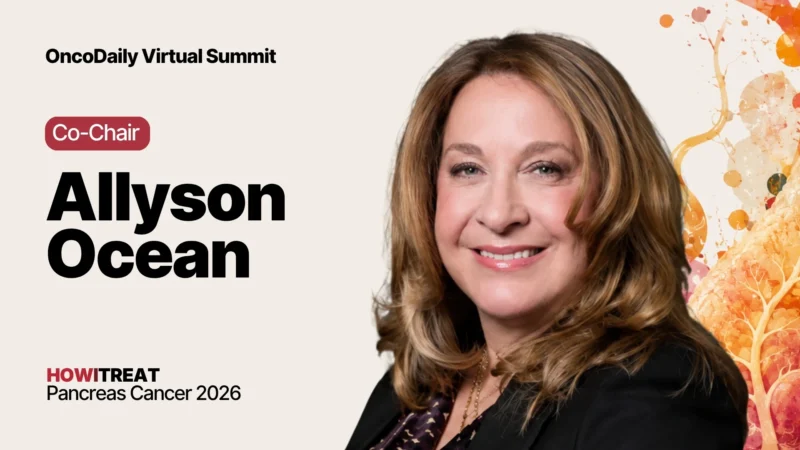
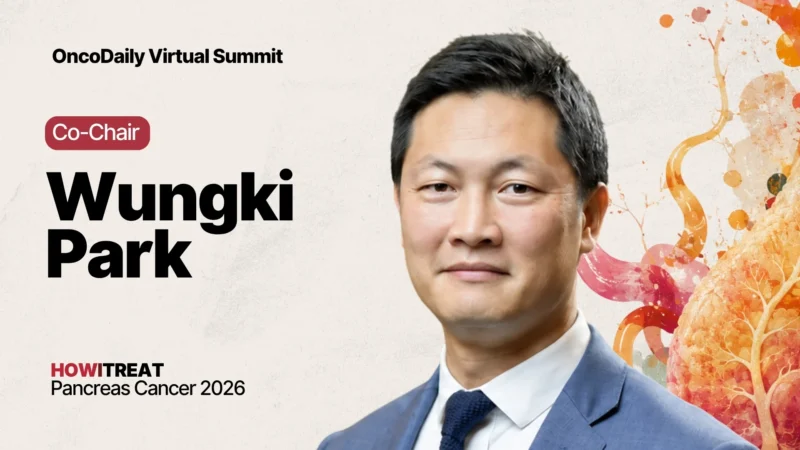
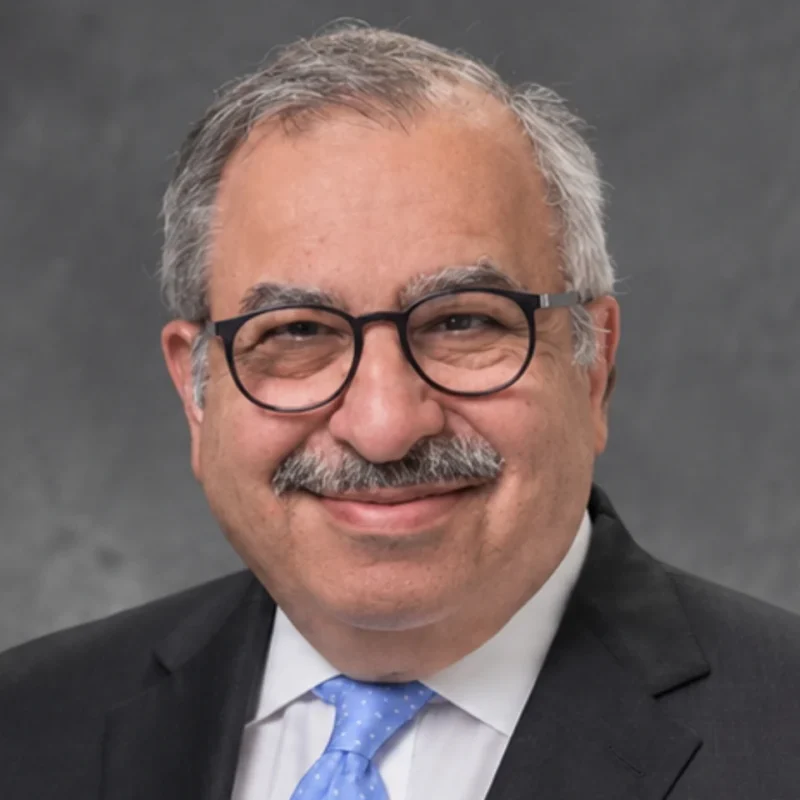
Speakers



Partnership Opportunities
Partnership & Collaboration Opportunities
Shushan Hovsepyan
Senior Vice President, OncoDaily
Email: shushan.hovsepyan@oncodaily.com
Phone: +1 571 775 9710
Event-Related Inquiries
Inessa Mkhitaryan
Head of Global Events, OncoDaily
Email: inessa.mkhitaryan@oncodaily.com
General Inquiries
Email: info@oncodaily.com


