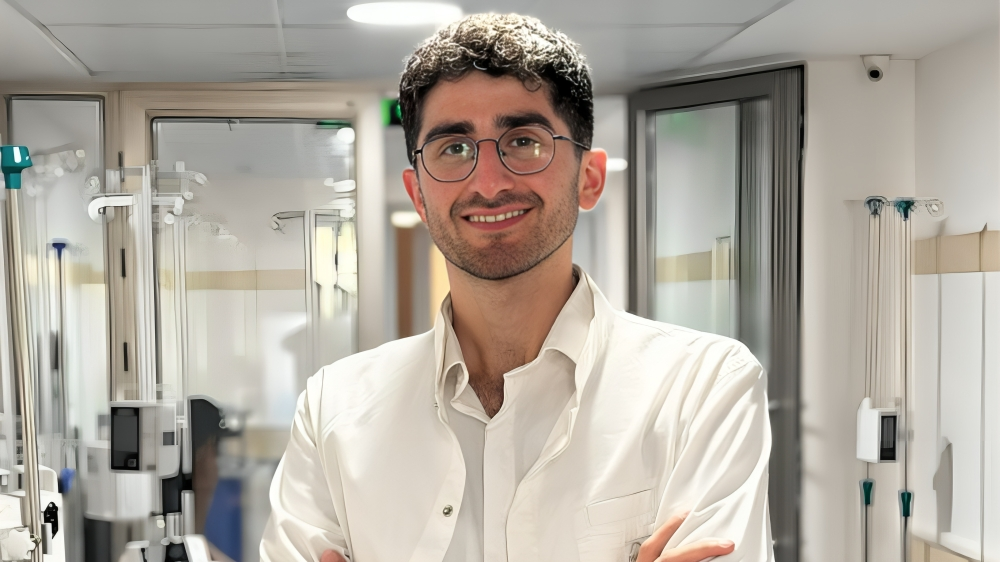
Sergey Badalyan, Medical Oncology Resident at Yeolyan Hematology and Oncology Center, Assistant Managing Editor at OncoDaily Medical Journal, shared a post on LinkedIn:
“‘It’s rare to be rare.’
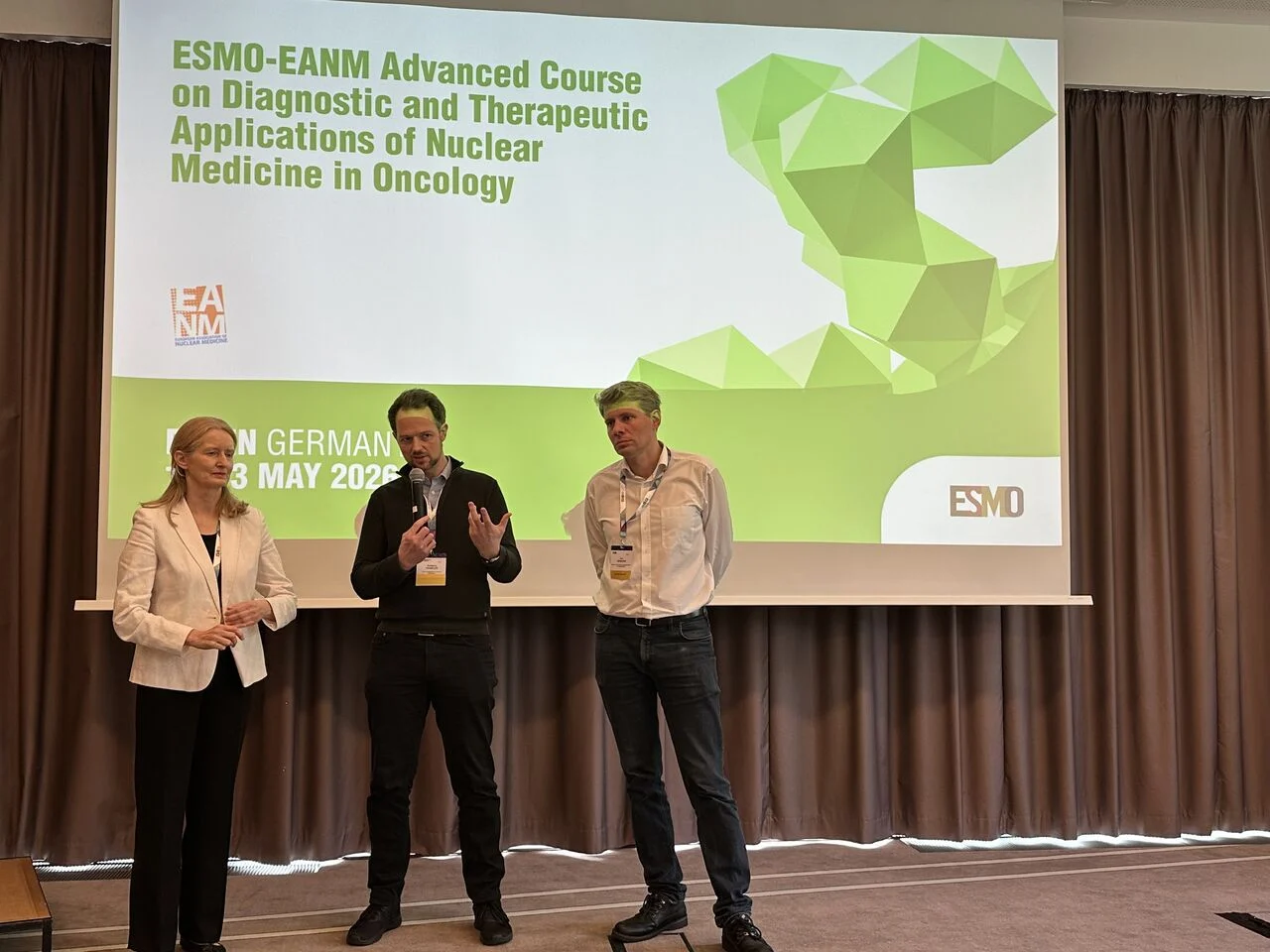
A phrase that perfectly captured the focus of Day 2 in Essen from Day 2 in Essen, where the spotlight was on neuroendocrine tumors (NETs), PRRT, and the rapidly changing systemic therapy landscape.
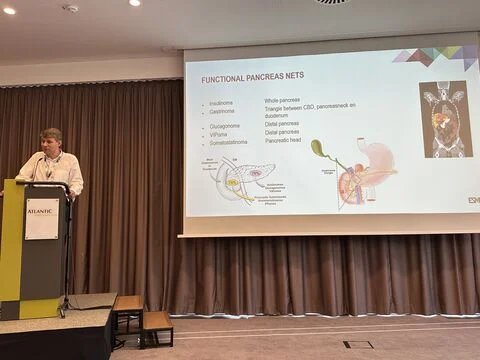
Erik Verburg opened the session by describing NETs as the classic oncology ‘zebra‘ rare, heterogeneous, and frequently overlooked for years before diagnosis. In small bowel NETs, patients may spend up to 36 months navigating symptoms before finally reaching a specialist. His talk highlighted how modern NET management relies heavily on precise imaging and multidisciplinary collaboration, particularly with somatostatin receptor PET imaging, which continues to transform staging, treatment selection, and follow-up.
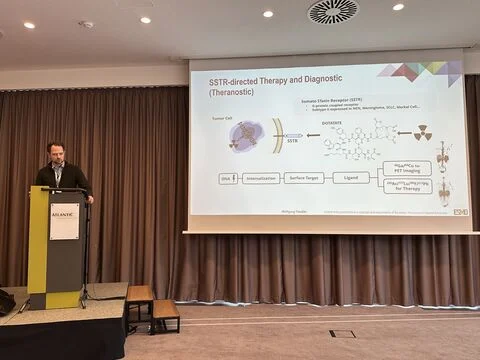
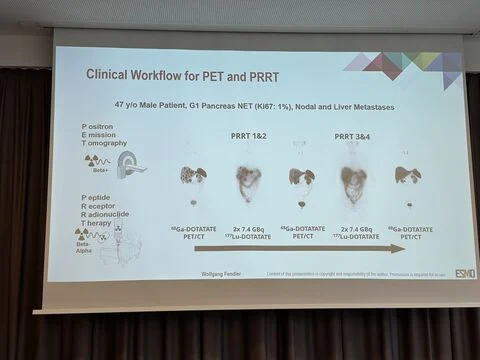
PRRT took center stage in Wolfgang Fendler’s presentation, where he walked through pivotal trials including NETTER-1, NETTER-2, OCLURANDOM, and COMPETE. Across studies, PRRT consistently prolonged progression-free survival while maintaining a favorable safety profile, even in more aggressive grade 2 and grade 3 NETs.
One major theme: PRRT is steadily moving earlier in treatment algorithms, no longer viewed only as a late-line option. Future directions including alpha-emitter therapies and expanded theranostic approaches made it clear how quickly the field is evolving.
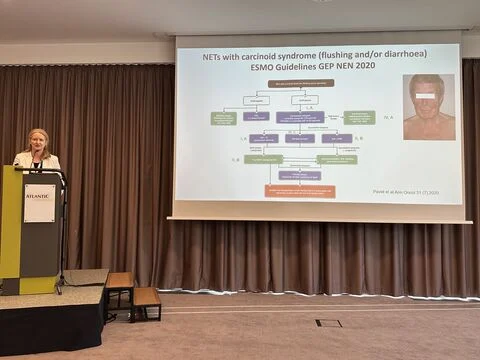
Closing the session, Marianne Pavel explored systemic therapies beyond PRRT, emphasizing that ‘not every patient needs upfront PRRT.’ Her overview covered SSAs, Everolimus, Cabozantinib, TKIs, chemotherapy, and emerging immunotherapy strategies, while stressing how treatment decisions depend on factors like Ki-67, tumor burden, growth kinetics, receptor expression, and functionality.
One particularly important point: in NETs, the challenge is no longer the lack of options, it is understanding the optimal sequencing and personalization of therapy.
A fascinating deep dive into how theranostics, molecular imaging, and individualized systemic therapy are redefining NET care.”
Other articles featuring Sergey Badalyan on OncoDaily.