





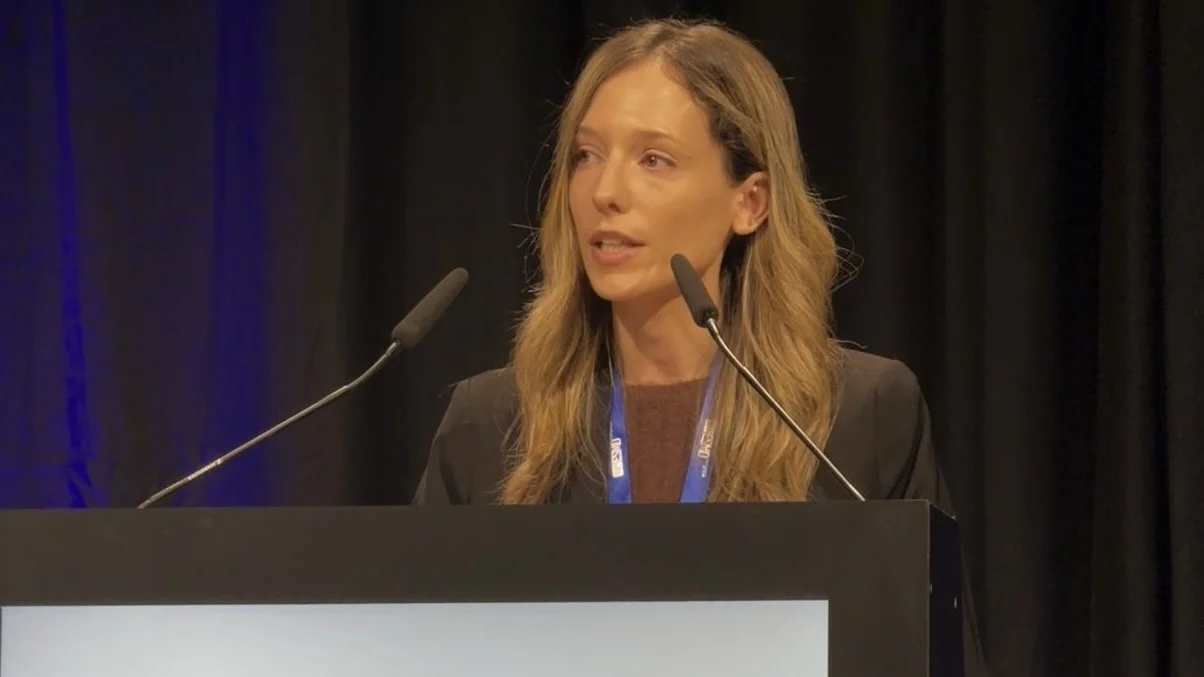
Sara Coca Membribes, Clinical Research Fellow at Barts Health NHS Trust, shared a post on LinkedIn:
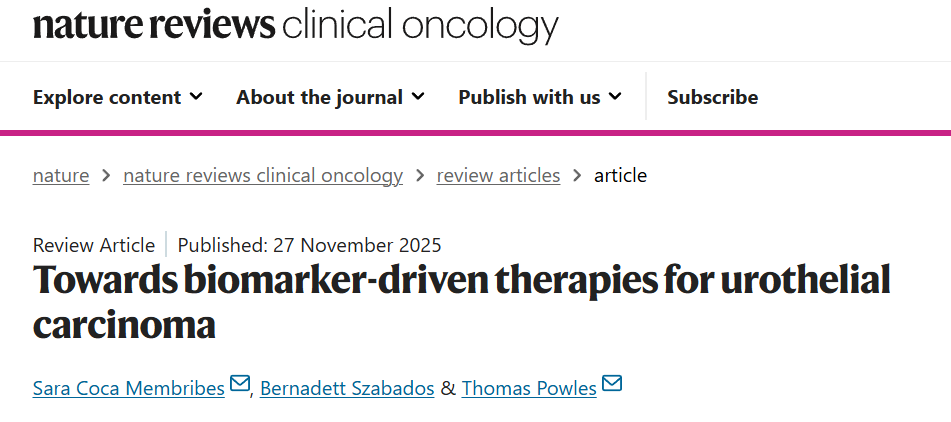
“Thrilled to share that our review “Towards biomarker-driven therapies for UC” has been published in Nature Reviews Clinical Oncology. Thomas Powles, MD, Bernadett Szabados, Tom Powles, Diana Romero. Personalized therapy is becoming a reality but standardization and AI-driven biomarker integration need to be the next step.
Key takeaways:
1. HER2, FGFR3 and PD-L1 are approved targets, yet detailed analysis reveals some uncertainty and inconsistent methodologies that limit their predictive value.
2. FGFR3 remains the only established predictive biomarker, although detection methods are variable (DNA/RNA, PCR, ctDNA). Exciting phase 3 trials ongoing: FORAGER-2 (in 1L) and MooNRIse-1 (NMIBC) could be practice-changing.
3. PD-L1 has shown inconsistent predictive value across scoring systems (IC, TC, CPS), cut-offs and assays, which explains the regulatory differences between FDA and EMA approvals. Other IO biomarkers show promise but need prospective validation.
4. ctDNA is currently the most promising biomarker in UC with strong prognostic value and correlation with MRD.
5. Nectin-4, TROP2 and HER3 ADCs are rapidly evolving. Innovative tools such as spatial transcriptomics and AI-assisted digital pathology will be key to better stratify patients for these emerging therapies.
Precision oncology in UC is moving fast and the next leap forward will come from standardization, prospective validation and integration of multi-modal biomarkers.”
Title: Towards biomarker-driven therapies for urothelial carcinoma
Authors: Sara Coca Membribes, Bernadett Szabados, Thomas Powles
Read the Full article on Nature Reviews Clinical Oncology
More posts featuring Sara Coca Membribes on OncoDaily.