Sanam Loghavi, Editor in Chief, Image Bank at American Society of Hematology, shared on X:
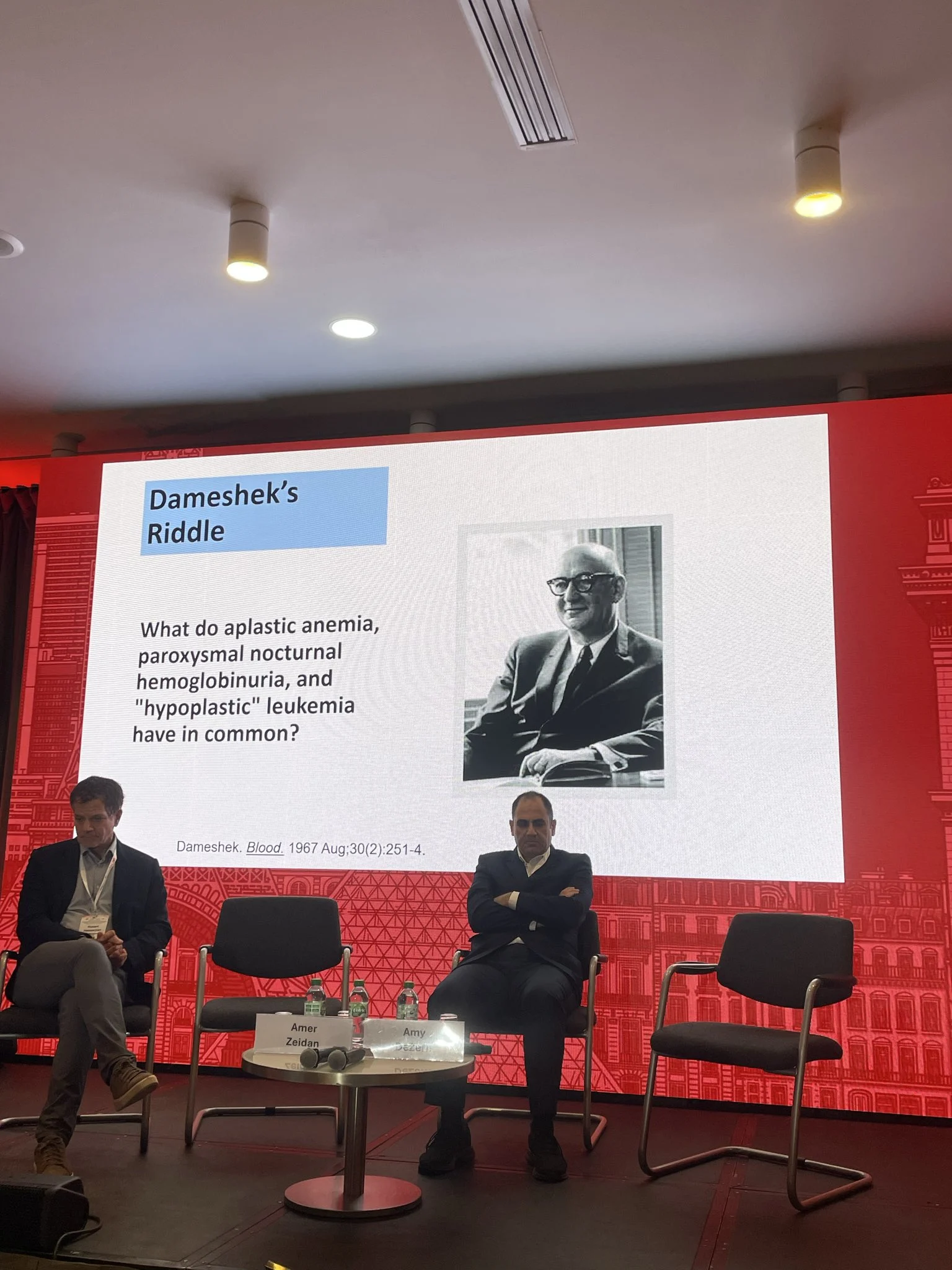
“We’ve all heard of the ASH Dameshek award…. But had you heard of the Dameshek’s riddle?
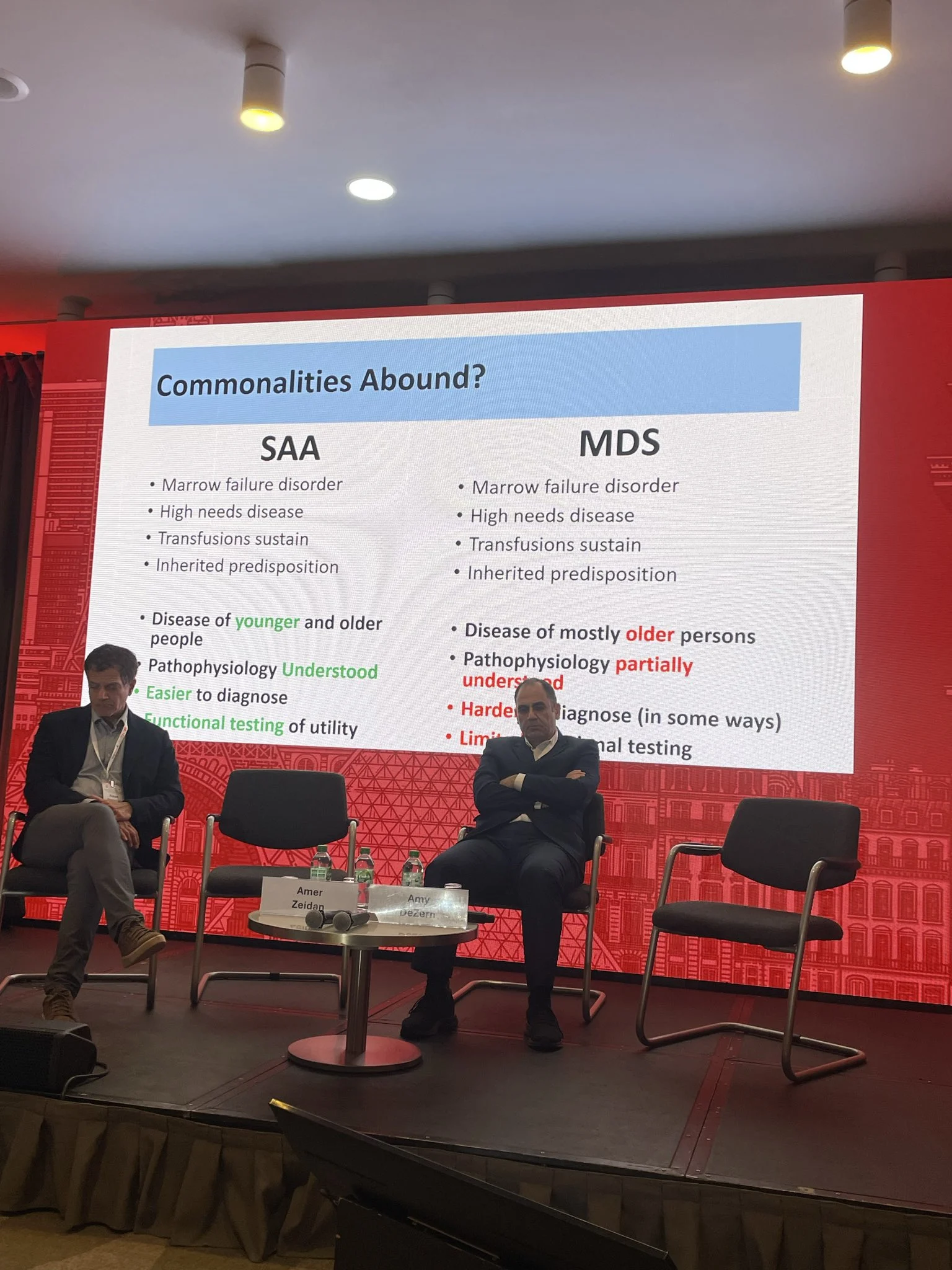
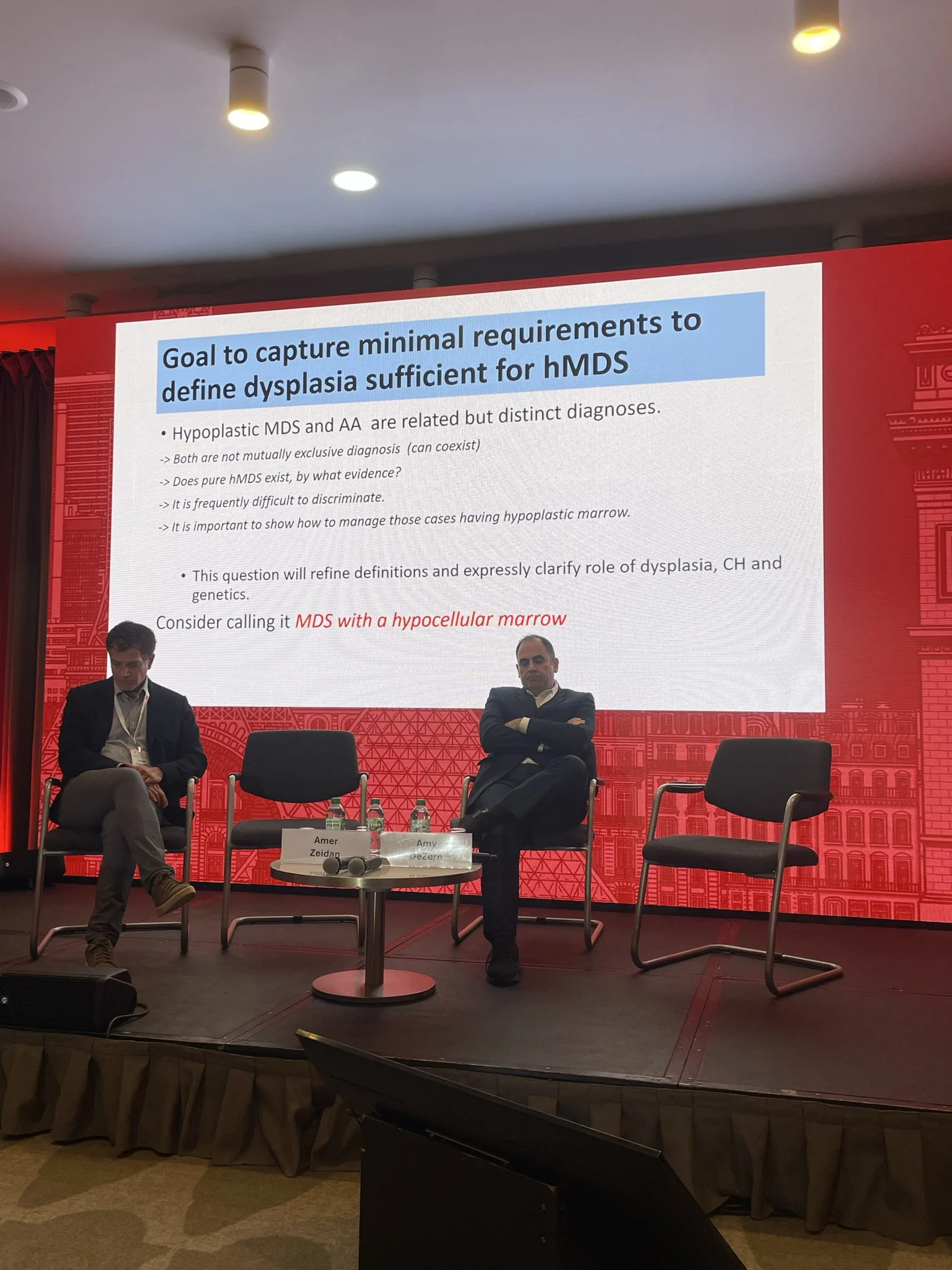
Aplastic anemia vs hypocellular MDS. A diagnostic dilemma for sure….
But Dr. Amy DeZern has some helpful tips for us.
Some similarities, some differences on slides (Amer Zeidan and Rob Hasserjian not among the distinguishing features)”
More comprehensive explanation of Dameshek’s riddle
Dameshek’s riddle is a hematological concept introduced by William Dameshek in 1967, asking:
What aplastic anemia, paroxysmal nocturnal hemoglobinuria (PNH), and hypoplastic leukemia have in common?
The central paradox is that bone marrow failure, characterized by reduced blood cell production, can coexist with the expansion of abnormal blood cell clones.
Dameshek hypothesis: bone marrow injury could damage normal blood-forming cells, allowing abnormal clones to gain a survival advantage.
Modern research: identified immune-mediated selection, somatic mutations, and clonal evolution as important mechanisms.
This concept helps explain the relationship between aplastic anemia, PNH, and myeloid malignancies.
You may also be interested in: