





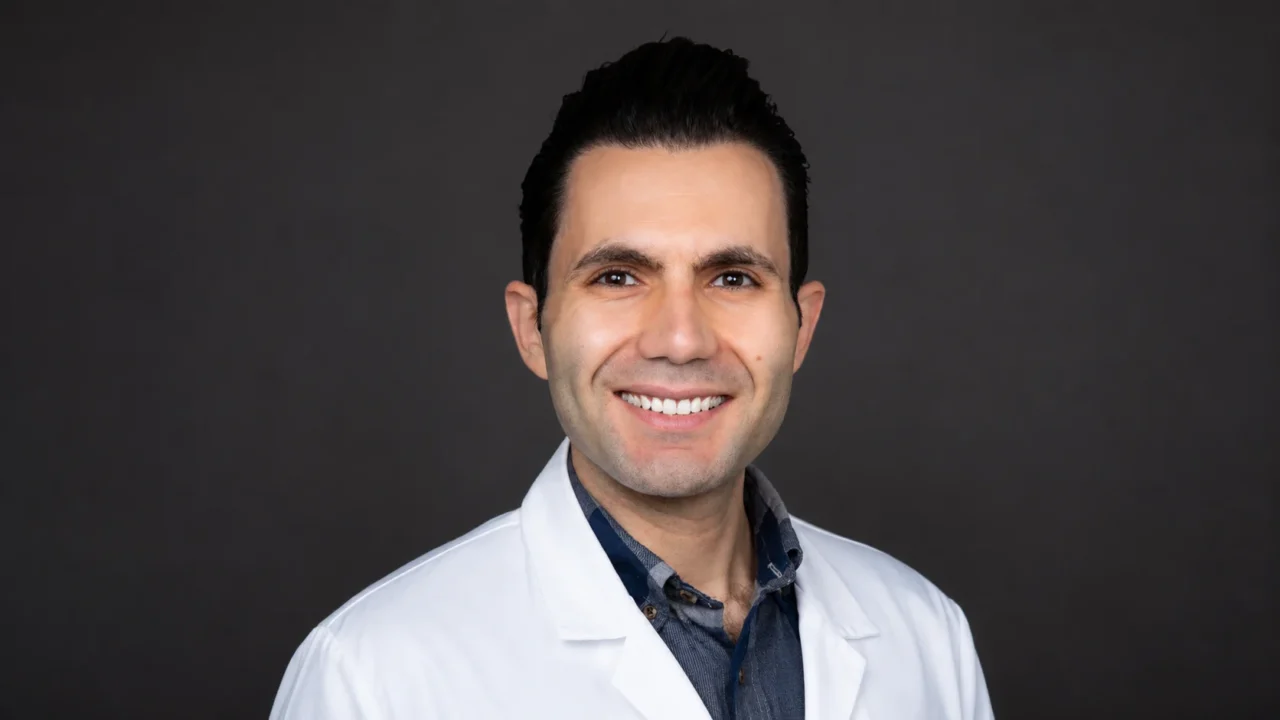
Roupen Odabashian, Oncologist at Abbotsford Regional Hospital and Cancer Centre, shared on LinkedIn:
“The FDA has now authorized roughly 1,500 AI-enabled medical devices. The number of those that use a large language model: zero.
Read that again. Every generative AI tool touching clinical decisions today, every chatbot summarizing charts, every LLM suggesting differentials, is operating outside the device authorization pathway entirely.
This got easier, not harder, this year. January’s updated clinical decision support guidance relaxed key device requirements, so many generative AI tools offering diagnostic suggestions can reach clinics without FDA vetting at all.
I practice oncology. I already see these tools in the workflow. Colleagues paste cases into chat interfaces, scribes generate assessments, apps summarize guidelines. The tools that are transforming practice fastest are precisely the ones with the least oversight, while the narrow, locked, single-task algorithms carry the approvals.
Regulators formalized continuous oversight models like Predetermined Change Control Plans for the old generation of AI, right as the new generation walked in through a different door. I do not think the answer is to freeze LLMs out of medicine. But the current equilibrium, where the most capable tools face the least scrutiny, seems unstable.
Who do you think closes that gap first: the FDA, the health systems, or the malpractice lawyers?”