





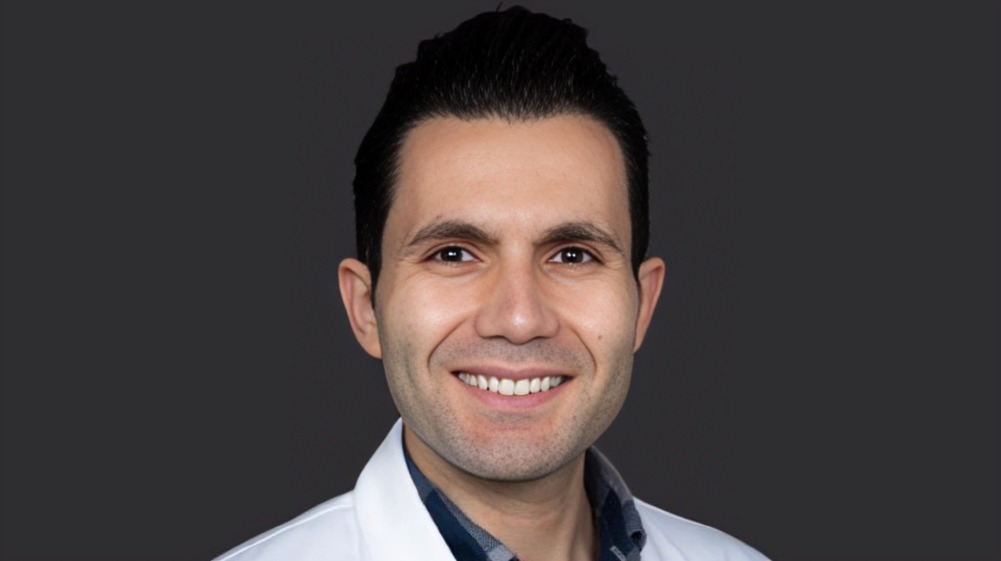
Roupen Odabashian, Hematology/Oncology Fellow at the Karmanos Cancer Institute, shared a post on X:
“Two-thirds of patients globally have no access to primary care.
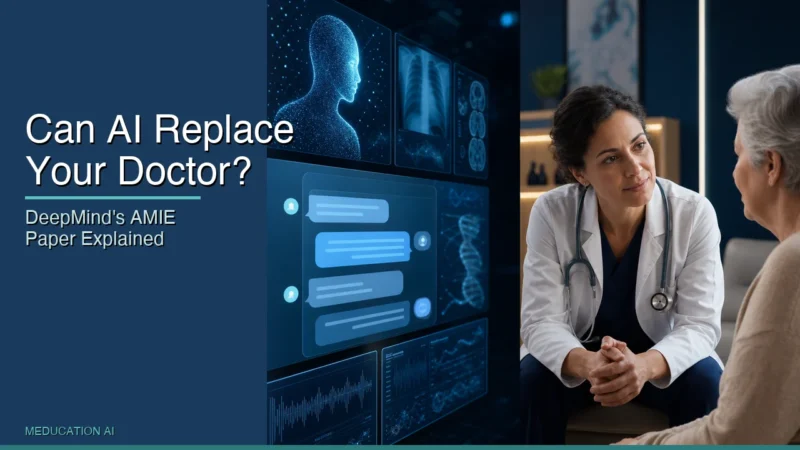
Google DeepMind just published a paper in Nature that shifts the entire question in medical AI – not ‘Can AI diagnose?’ but “Can AI manage a patient across multiple visits?”
They built AMIE: two cooperating AI agents modeled on Kahneman’s Thinking Fast and Slow. One talks to the patient in real time. The other works in the background, reading 627 clinical guidelines in full – no chunking, no context loss – and building four parallel management drafts before synthesizing a final care plan.
They tested it against 21 board-certified primary care physicians across 120 three-visit OSCE scenarios. 30 specialist physicians evaluated every interaction – double-blinded.
AMIE significantly outperformed PCPs on overall management and differential diagnosis accuracy.
I broke down the full architecture, training method, results, and honest limitations in the article below. Well worth the read if you work in medicine, health tech, or AI.
The harder question isn’t whether AI can manage patients. This paper suggests it can. The harder question is whether humans will trust it to – especially when the conversations that matter most involve cancer, palliative care, and end of life.”
Other articles featuring Roupen Odabashian on OncoDaily.